

Ayurvedic Treatment for Dust Allergy
Get personalized Ayurvedic treatment for dust allergy at IAFA Ayurveda. Discover herbal remedies, Panchakarma therapies, dietary guidance, and expert care to manage dust allergy.
On This Page


-
 6167
 6167
 Share
Summarise this article using AI


Introduction
Dust is one of the most common allergens that can cause various allergic reactions in the body. It affects different organs, including the skin, nose, and eyes. Dust inside the house can become particularly troublesome during activities such as sweeping and cleaning, making these situations challenging for people with dust allergies.
According to Ayurveda, dust allergy is associated with Vataja Pratishyaya, a condition caused by the predominant aggravation of Vata dosha. Ayurvedic treatments and measures are believed to help manage dust allergy through natural approaches.
Triggering Factors of Dust Allergy
Exposure to dust can trigger allergic reactions due to various factors, including:
- Animal hair and feathers
- Cockroaches
- Pollen
- Dust mites
Animal Hair and Feathers
Pet dander, including animal hair, feathers, and skin flakes, can mix with household dust and trigger allergic symptoms in susceptible individuals.
Cockroaches
Tiny body particles and droppings of cockroaches can mix with household dust and cause allergic reactions in some people.
Pollen
Pollen grains from different plants can trigger various types of allergic reactions in susceptible individuals.
Dust Mites
Dust mites are microscopic organisms that live in household dust and are commonly found in beds, upholstered furniture, and other household furnishings.
Dust mite allergy is a common trigger of asthma in children. Its symptoms include sneezing, coughing, a runny nose, and nasal congestion. In some cases, the symptoms may become severe and lead to asthma attacks.
Dust mite allergens are mainly found in their body fragments and faecal matter, which mix with household dust and trigger allergic reactions. Exposure to dust mite allergens can also contribute to complications such as sinus inflammation and asthma.
Ayurvedic Perspective
According to Ayurveda, exposure to dust, mist, and breezes may also contribute to allergic conditions.
Symptoms of Dust Allergy
- Redness, itching, and watering of the eyes
- Wheezing
- Coughing
- Sneezing
- Shortness of breath
According to Ayurveda, dust allergy may manifest as sneezing, dryness of the mouth, nasal congestion, a pricking sensation in the nose, toothache, headache, hoarseness of voice, etc.
Ayurvedic Reference of Dust Allergy (Vataja Pratishyaya)
तत्रवातात्प्रतिश्यायेमुखशोषोभृशंक्षव: l
घ्राणोपरोधनिस्तोददन्तशङ्खशिरोव्यथा: ll


“Vaidya Gupta is conducting research on a wide range of herbs used in the management of dust allergies. Experience effective diagnosis and comprehensive treatment of dust allergies at IAFA.”
Visit us today and book your consultation for personalized guidance!
– Vaidya Sahil Gupta (B.A.M.S., M.H.A.)
Ayurvedic Allergy Specialist
CEO & Founder of IAFA®
At last, Easier Dust Allergy Management

Trusted by
More than 90,000 Patients

Convenient
at-Home Treatments

9.2 / 10
Customer Satisfaction Score
Ayurvedic Treatment for Dust Allergy
Ayurvedic Treatment for Dust Allergy at IAFA Ayurveda focuses on both preventive measures and therapeutic approaches to help manage symptoms and promote overall respiratory health. These approaches include various Ayurvedic treatment modalities, such as internal medications, Panchakarma therapies, and natural herbs.
Internal Medications for Treating Dust Allergy
The following internal medications are recommended for treating dust allergies, depending on the patient’s condition:
- Vyoshadi Vatakam
- Elakanadi Kashayam
- Dasamoolakaduthrayam Kashayam
- Vasishta Rasayanam
- Talisapatradi Churnam
- Vasarishtam
Panchakarma Therapies for Treating Dust Allergy
The following Panchakarma therapies may be recommended for managing dust allergies:
- Snehapana (Intake of medicated ghee)
- Swedana (Therapeutic sweating)
- Vamana (Therapeutic emesis)
- Dhoomapana (Inhalation of medicated smoke)
- Gandusha (Holding medicated liquid in the mouth)
Single Herbs That Can Be Used for Dust Allergy
The following individual herbs are traditionally used in Ayurveda for managing dust allergies:
- Haridra (Curcuma longa)
- Ardraka (Zingiber officinale)
- Pippali (Piper longum)
- Ela (Elettaria cardamomum)



Committed to Holistic Healing through Alternative Medicine Since 2008
Diet and Lifestyle Guidance for Dust Allergy
Pathya (Do’s)
- Easily digestible food
- Saindhava (Rock salt)
- Warm water for internal as well as external use
- Use of face mask
- Maintain personal hygiene
- Keep house and surroundings clean
Apathya (Don’ts)
- Cold food like ice cream, desserts etc.
- Non vegetarian diet
- Fried and bakery food
- Curd
- Cheese and Butter
- Day sleep
Yoga and Pranayama for Dust Allergy
Ardha Chandrasana, Pavanamuktasana, Vrikshasana, Setu Bandhasana, and other yoga postures may be beneficial for individuals managing dust allergy.
Pranayama (breathing exercises) can help promote respiratory health, relaxation, and overall well-being. Regular practice, along with a healthy lifestyle, may support the body’s natural defence mechanisms and contribute to better overall health.

Frequently Asked Questions
Question: What are Dust Mites?
Answer: Dust mites are tiny bugs commonly found in bedding, upholstered furniture, and other household items. They can trigger allergic reactions in susceptible individuals.
Question: Is Dust Allergy a Contagious Disease?
Answer: Dust allergy is not a contagious disease and cannot be transmitted from one person to another. It is an individual hypersensitivity reaction to certain allergens.
Question: How to Prevent Dust Allergies?
Answer: Dust allergies can be managed by reducing exposure to dust and dust mites. Regularly clean your home, wash bed linens and curtains in hot water, and vacuum carpets and upholstered furniture. Keeping indoor spaces well-ventilated and using allergen-proof covers on mattresses and pillows can also help minimize exposure to dust mites.
Question: How to Treat Dermatophagoides Farinae Allergy Naturally?
Answer: Dermatophagoides farinae allergy can be managed naturally through Ayurvedic approaches such as green tea, peppermint tea, turmeric milk, and Jal Neti to help soothe allergy symptoms. Regularly clean bedding, reduce indoor dust, and maintain proper home hygiene to minimise dust mite exposure. Consult an Ayurvedic expert at IAFA Ayurveda for personalised treatment and guidance.
Question: How to Treat Dermatophagoides Pteronyssinus Allergy Naturally?
Answer: Dermatophagoides pteronyssinus allergy can be managed naturally through Ayurvedic approaches, personalized herbal formulations, and lifestyle changes. Ayurveda focuses on balancing Kapha and supporting respiratory health. Remedies such as Tulsi, Neem, Turmeric, and Licorice may help manage allergic symptoms under expert guidance. Regularly washing bedding, using allergen-proof covers, maintaining low indoor humidity, and reducing dust accumulation can also help minimize exposure to dust mites. Consult an Ayurvedic expert at IAFA Ayurveda for a personalized treatment plan.
Question: Which Herbs Are Useful in Treating Dust Mite Allergy?
Answer: According to Ayurveda, herbs such as Tulsi, Haridra (Turmeric), Aloe Vera, Liquorice Root, Ginger, Garlic, Citrus Seed Extract, Eucalyptus Oil, Chamomile Oil, and Peppermint Oil are traditionally used to support dust mite allergy management. Their anti-inflammatory and soothing properties may help manage allergic symptoms. Consult an Ayurvedic expert at IAFA Ayurveda for a personalized herbal treatment plan.
Question: Is Ayurvedic Treatment for Dust Allergy Safe for Children?
Answer: The safety of Ayurvedic treatment for children depends on the specific herbs, minerals, and formulations used. It is advisable to consult a qualified healthcare professional before starting any treatment.
References
- Ayurvedic Aspects of Allergies and Fungal Infections, First Edition 2021, by Sahil Gupta, Dust Allergy Chapter No. 2, Page No. 17-22.
- Astangahridyam by Vaidya Lalchandra Vaidya. Publisher – Motila Banarasidas Publication, Delhi. 2nd Edition, 1990.
- Swasthavritta Vigyana – Vaidya Ramharsha Sinha, Chaukhambha Sanskrit Sansthan, Varanasi – 2004.
- Sharangdhar Samhita Vaidya Brahmanand Tripathi Chaukhambha Surbharati Prakashan, Varanasi – Reprinted edition 2001.
- Shloka No. 3-4, Nasarogavijnaneeyam, Ashtangahrduayam by Acharaya Vaghbhata, Uttarasthanam.
- Agnivesha. Charak Samhita, redacted by Drudabala, with Ayurveda Deepika Commentary by Chakrapani. Varanasi, Chaukhambha Sanskrit Sansthana; reprint: 2004, Ch. Chi 8/49-50.
- Astanga Samgraha with the commentary of Indu, published by Central Council for Research in Ayurveda and Siddha (CCRAS), New Delhi. Govt. of India.
- Bhaishajya Ratnavali, Govinda Das with Vidyotini Hindi Commentary by Ambikadatta Shastri, editor Rajeshwar Datta Shastri, Chaukhambha Sanskrit Sansthan.
The Institute of Applied Food Allergy® (IAFA) offers unique Ayurvedic herbal remedies inspired by ancient scriptures and years of experience. Through ongoing research on medicinal herbs, IAFA® incorporates scientifically studied ingredients into its Ayurvedic formulations to support the management and relief of dust allergies through a holistic approach.
Connect with IAFA® today for natural Ayurvedic support in managing dust allergies and achieving holistic wellness!


Was this Page Helpful?
So, IAFA’s Root-Cause Treatment of Dust Allergy is Just 3 Steps Away!

01. Connect With Us
Share Your History of Illness or Book Your Appointment Now.

02. Consult With Us
Vaidya Gupta A Certified Ayurvedic Allergy Specialist.

03. Root Cause Treatment
Get An Accurate Diagnosis, Medicine, Diet and Lifestyle Guidance.
Real Case Studies – Successfully Treated Patients
Real Case Studies of Successfully Treated Patients from All Around the World by IAFA Ayurveda®
-

32-Year-Old Female Patient Recovered from Chronic Urticaria and Leaky Gut Syndrome – A Case Study
This case study highlights the recovery of a 32-year-old female patient from…
-
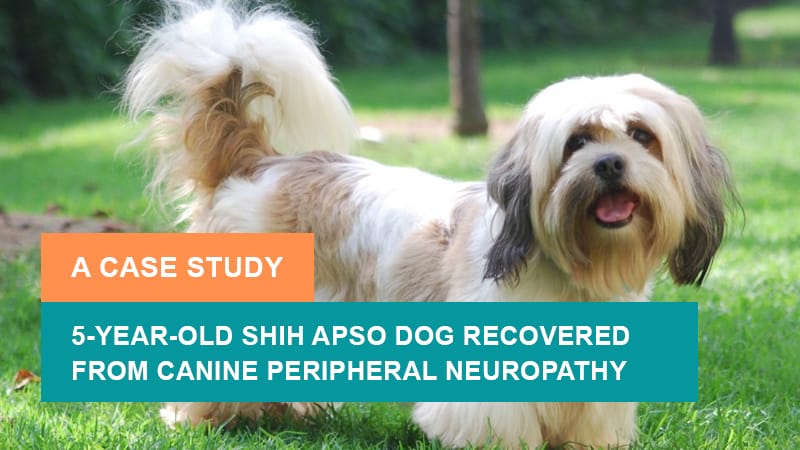
5-Year-Old Shih Apso Dog Recovered from Canine Peripheral Neuropathy – A Case Study
This case study presents a 5-year-old Shih Tzu-Lhasa Apso crossbreed dog (pet)…
-
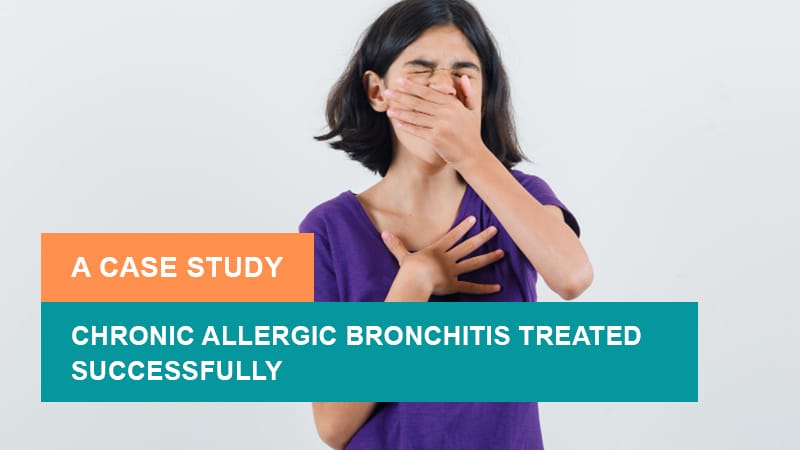
9 Year Old Female Patient Recovered from Chronic Allergic Bronchitis – A Case Study
This case study presents a 9-year-old female patient who recovered from chronic…
-
12-Year-Old Child Recovered from Solar Urticaria (Chronic Sun-Sensitivity) – A Sun Allergy Case Study
This is a case study of a 12-year-old child who has successfully…

Read More Articles
-

Oral Lichen Planus
Learn about Ayurvedic Treatment for Oral Lichen Planus, including its symptoms, causes,…
-
Jock Itch (Tinea Cruris)
Discover safe and effective Ayurvedic treatment for Jock Itch (Tinea Cruris). Relieve…
-
Polymorphous Light Eruption (PMLE)
Learn about Polymorphous Light Eruption Ayurvedic Treatment, PMLE symptoms, causes, natural care,…