
Ayurvedic Treatment for Cosmetic Allergy
Get personalized Ayurvedic Treatment for Cosmetic Allergy at IAFA Ayurveda. Discover the Ayurvedic approach to managing makeup allergies, facial rashes, itching, redness and skin irritation under expert guidance.
On This Page


-
 2929
 2929
 Share
Summarise this article using AI




Introduction
Have you ever thought that the cosmetics you use to enhance your beauty could actually cause allergic reactions? It is important to remember that not all cosmetic products cause allergies; however, certain ingredients used in cosmetics can trigger your immune system and lead to allergic reactions. Let’s explore all aspects of cosmetic allergies, including their causes, symptoms, common allergens, and treatment options. We will also discuss the Ayurvedic approach to understanding cosmetic allergies and provide insights into natural and alternative treatment options.
Cosmetic allergy refers to a type of hypersensitivity reaction that occurs following exposure to certain cosmetic products. Since cosmetics are commonly applied to the face, allergic reactions often appear on facial skin. Products such as soaps, creams, and facial and eye cosmetics may contain irritants or allergens that can trigger skin reactions. An allergen is a substance that triggers an immune response, potentially leading to symptoms such as redness, itching, swelling, and hives. These reactions may occur as allergic contact dermatitis.
Ayurveda describes certain adverse reactions associated with cosmetic applications through the concept of Mukhalepavisha (poisonous cosmetic applications).
Vaidya Gupta has conducted in-depth research on this subject and developed specialized herbal formulations to support the management of various allergic conditions. If you are experiencing cosmetic allergies, IAFA offers Ayurvedic treatment and personalized care with a focus on natural and holistic approaches, under the expert guidance of Vaidya Sahil Gupta.
Causes of Cosmetic Allergies
Some common allergens found in cosmetics can be broadly classified into natural rubber (such as latex), fragrances, preservatives, dyes, and metals (such as nickel and gold). Prolonged or repeated exposure to these allergens can trigger skin sensitization. Moreover, some individuals are naturally more susceptible to these sensitivities due to genetic factors, making them more prone to developing allergic reactions.
Furthermore, improperly stored or expired cosmetics can become breeding grounds for harmful bacteria and fungi, potentially triggering skin irritation or allergic reactions. Environmental factors, such as pollutants and harmful UV rays, can also weaken the skin’s protective barrier, making it more susceptible to irritation and allergic reactions. Therefore, it is important to perform a patch test before using a new cosmetic product and consider suitable hypoallergenic options to help protect your skin from unwanted reactions.
Symptoms of Cosmetic Allergy
The severity of allergic reactions from cosmetics may vary, but can be manifested in the form of:
- Hives
- Itching
- Rashes
- Flaky or peeling skin
- Swelling on the face
- Irritation of the eyes
- Runny nose
- Wheezing
- Anaphylaxis
Anaphylaxis is a severe allergic reaction which has symptoms like unconsciousness, shortness of breath, difficulty in swallowing, lightheadedness, chest pain, weak pulse, nausea, vomiting and this condition can be life threatening.
Apart from contact dermatitis symptoms, some individuals also experience respiratory symptoms due to some fragrances especially in patients with asthma, allergic rhinitis, and viral respiratory infections. Ayurveda details the symptoms of Cosmetic Allergy as dark pigmentation of the skin, blister formation, oozing, cracking and skin burning, pain, prickly eruptions and more.
Ayurvedic Reference of Makeup Allergy (Mukhalepavisha)
मुखालेपेमुखंश्यावंयुक्तमभ्यङ्गलक्षणै: l
पद्मिनीकण्टकप्रख्यै: कण्टकैश्चोपचीयते ll

Types of Cosmetic Skin Reactions
The different types of cosmetic skin reactions are:
1. Contact Dermatitis
It is the commonest type of skin reaction that includes symptoms like redness, itching, swelling, and even blisters.
2. Acneiform Eruptions
These skin reactions are like acne and occur as a result of exposure to some allergen present in the makeup products. It may look like small, red eruptions or pustules present on the skin.
3. Photosensitivity Reactions
Some cosmetic products when exposed to sunlight can trigger a skin reaction called photosensitivity and results in redness, burning, and even blister formation in areas that are exposed to sun.
4. Skin Discoloration
Cosmetics containing harmful chemicals can result in skin discoloration or pigmentation disorders after some time.
5. Rosacea Flare-Ups
Sometimes cosmetic allergies may manifest in the form of excessive redness and flushing of face.
6. Exfoliative Dermatitis
This is a severe skin reaction in response to cosmetics that initiate an allergic response. It refers to widespread redness, scaling or flakiness, and shedding of the skin.

“Under the expert guidance of Vaidya Sahil Gupta, IAFA offers natural and holistic Ayurvedic treatment for cosmetic allergies and other allergic conditions. Discover personalized Ayurvedic care and take a step towards healthier skin and better well-being.”
“Embrace Your Natural Beauty and Shine from Within – The Ayurvedic Way, Only at IAFA!”
– Vaidya Sahil Gupta (B.A.M.S., M.H.A.)
Ayurvedic Allergy Specialist
CEO & Founder of IAFA®
At last, Easier Cosmetic Allergy Management

Trusted by
More than 90,000 Patients

Convenient
at-Home Treatments

9.2 / 10
Customer Satisfaction Score
Ayurvedic Treatment for Cosmetic Allergy
IAFA Ayurveda provides Ayurvedic treatment for cosmetic allergies, incorporating internal medicines, external applications, Panchakarma procedures, single herbs, and diet and lifestyle guidance, following the principles of Ayurveda to promote holistic healing.
Internal Medicines for Cosmetic Allergies
The following classical Ayurvedic medicines may be recommended based on an individual’s constitution and the severity of the condition. These medicines can serve as effective herbal remedies for managing cosmetic allergies.
- Mahamanjisthadi Kwath
- Lodhrasevyadi Kashayam
- Mahatiktam Kashayam
- Patolasavam
- Khadirarishta
- Avipathi Choornam
- Gandhaka Rasayana
- Kaishore Guggulu
External Applications for Cosmetic Allergies
Some herbal remedies for cosmetic allergies may be recommended using the following Ayurvedic medicines.
- Eladi Gana Choornam
- Dinesavalyadi Keram
- Shudha Durvadi Keram
- Shata Dhauta Ghrita
Panchakarma Treatment Procedures for Cosmetic Allergies
- Virechana (Purgation)
- Lepana (Medicinal Paste)
- Seka (Pouring Medicated Liquid)
Single Herbs for the Management of Cosmetic Allergies
- Rakta Chandana (Santalum album)
- Usheera (Vetiveria zizanioides)
- Madhuka (Glycyrrhiza Glabra)
- Bharangi (Clerodendrum serratum)
- Punarnava (Boerhavia Diffusa)
Vaidya Gupta’s IAFA provides holistic, natural, and alternative treatments for cosmetic allergies, while also helping prevent their recurrence.


Committed to Holistic Healing through Alternative Medicine Since 2008
Diet and Lifestyle Guidance for Cosmetic Allergies
Pathya (Do’s)
- Try to replace your makeup products with the natural products.
- Perform a patch test on the skin to check if you are allergic to any of the products before using it.
- Maintain hygiene by washing hands and face before applying any cosmetics.
- Remove the make-up with cleanser and freshwater.
- Use cosmetics that have fewer ingredients.
Apathya (Don’ts)
- Hot and Spicy food
- Non-vegetarian food
- Use of tobacco
- Fried and bakery food
- Sleeping during the day
- Going to sleep without removing makeup
- Using cosmetics everyday and all the time
Yoga and Pranayama for Managing Cosmetic Allergies
Yoga plays a crucial role in combating cosmetic allergies as it enhances the blood circulation that offers nutrients to the skin and maintains radiant glow. You can try these yoga asanas to reduce the allergic reactions from cosmetic products.
- Halasana
- Sarvangasana
- Matsyasana
- Uthanasana
- Ushtrasana
- Trikonasana
- Bhujangasana
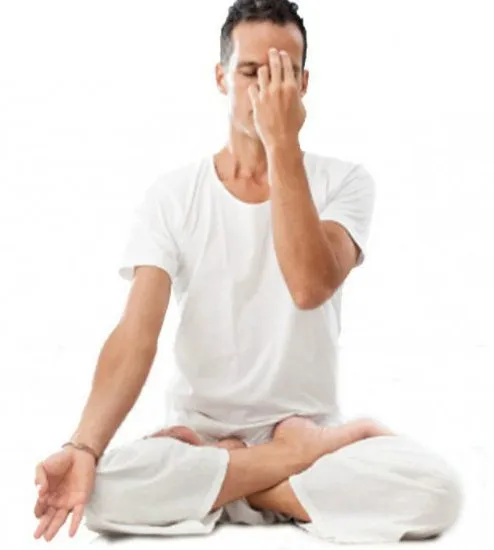
Pranayama increases the lung capacity and also removes toxins from the blood. Breathing capacity relaxes the brain and is essential to maintain skin health.
Frequently Asked Questions
Question: How Common is Cosmetic Allergy?
Answer: Cosmetic allergies are pretty common and just when you think that nothing will happen while using years old lipstick, you are at an increased risk of developing allergies from cosmetics. It can be in the form of mild irritation to more severe allergic reactions.
Question: How Can I Prevent Cosmetic Allergies?
Answer: You can prevent cosmetic allergies by performing a patch test before using any new product. Also, prefer to use hypoallergenic products that are free from artificial fragrances and colors to minimize the incident of cosmetic allergies.
Question: What are the Symptoms of Cosmetic Allergy?
Answer: Cosmetic allergy symptoms include itching, hives, skin rashes, flaky or peeling skin, facial swelling, eye irritation, redness, blisters, burning sensations, and skin discoloration. Some individuals may also experience a runny nose or wheezing.
Question: How to Treat Cosmetic Allergy on Face?
Answer: To manage cosmetic allergy on the face, discontinue the triggering product and gently cleanse your skin. Ayurveda recommends personalized herbal medicines, external applications, and dietary modifications under expert guidance to manage allergic skin reactions.
Question: What is the Difference Between Cosmetic Allergies and Makeup Allergies?
Answer: Cosmetic allergies are reactions to ingredients in skincare, haircare, perfumes, and personal-care products. Makeup allergies are a specific type of cosmetic allergy caused by products like foundation, lipstick, mascara, and eyeshadow, leading to itching, redness, swelling, or rashes.
Question: What are the Symptoms of Makeup Allergy?
Answer: Makeup allergy symptoms include redness, itching, skin rashes, swelling around the eyes or lips, burning, dryness, peeling, and watery eyes. These reactions usually occur in areas where makeup is applied.
Question: How to Treat Allergic Reaction to Makeup on Face?
Answer: To manage a makeup allergy on the face, stop using the suspected product and gently rinse the affected area with cool water. Apply a soothing, skin-compatible remedy and consult an Ayurvedic expert for personalized skin allergy management.
Question: How to Treat Allergic Reaction to Makeup Wipes?
Answer: Stop using the makeup wipes immediately and gently wash your face with cool water. Avoid fragranced skincare products and further irritation. Consult an Ayurvedic expert if redness, itching, or swelling persists.
Question: How to Avoid Makeup Allergy?
Answer: Avoid makeup allergies by checking product ingredients, choosing products with fewer ingredients, and performing a patch test on your wrist or inner elbow for 48 hours before use. Avoid products containing ingredients that have previously triggered reactions.
Question: How to Treat Makeup Allergy?
Answer: To treat makeup allergy, discontinue the suspected cosmetic and gently wash the affected skin with cool water. Avoid irritating skincare products and consult an Ayurvedic expert for personalized herbal treatment and skin allergy management.
Question: What are the Home Remedies for Makeup Allergy?
Answer: Some home remedies discussed for makeup allergy include oatmeal, aloe vera gel, rosewater, cucumber, sandalwood, and coconut oil. However, natural ingredients can also cause reactions, so check skin compatibility before application.
Question: How to Treat Lipstick Allergy?
Answer: To manage lipstick allergy, discontinue the suspected lipstick and gently clean the affected lips. Avoid fragranced lip products and ingredients that trigger reactions. Consult an Ayurvedic expert for personalized guidance if itching, redness, or swelling persists.
References
- Sushrut Samhita of Sushruta Annapanarakhsha kalpa kalpasthan Shlok no. 60
- Ashtanga Sangraha of Vagbhata, Chaukhamba Subharti Prakashan, Varanasi Uttara Tantra, Chapter-35, Page 903, Shlok No. 9
- Charaka Agnivesha, Charaka, Charaka Samhita, Chaukhamba Subharti Prakashan Varanasi, Chikitsa Sthan Chapter-23 Page473, Shlok No. 31
- Ayurvedic Aspects of Allergies and Fungal infections, Edition 2021 by Sahil Gupta, Makeup Allergy, Chapter No. 26 Page No. 159-164.
The Institute for Applied Food Allergy (IAFA) provides premium treatment and management options for various skin-related allergies, including specialized care for cosmetic allergies!
Transform Your Skin! Rediscover Your Timeless Beauty Naturally with Ayurveda at IAFA. Book Your Appointment Now!


Was this Page Helpful?
So, IAFA’s Root-Cause Treatment for Cosmetic Allergies is Just 3 Steps Away!

01. Connect With Us
Share Your History of Illness or Book Your Appointment Now.

02. Consult With Us
Vaidya Gupta A Certified Ayurvedic Allergy Specialist.

03. Root Cause Treatment
Get An Accurate Diagnosis, Medicine, Diet and Lifestyle Guidance.
Real Case Studies – Successfully Treated Patients
Real Case Studies of Successfully Treated Patients from All Around the World by IAFA Ayurveda®
-

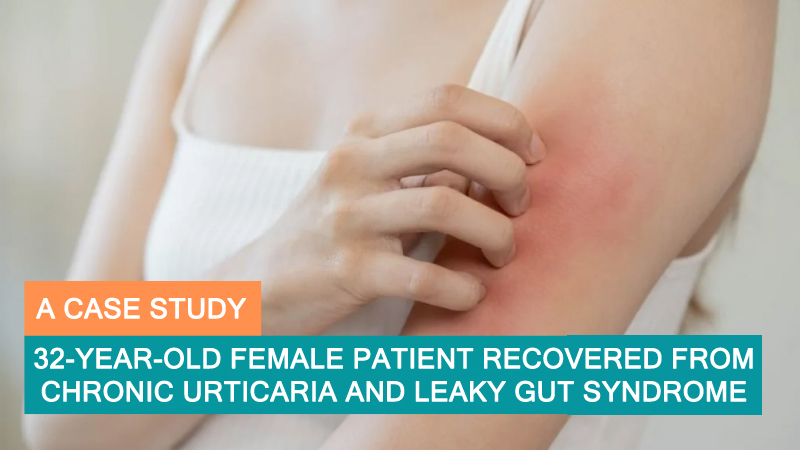
32-Year-Old Female Patient Recovered from Chronic Urticaria and Leaky Gut Syndrome – A Case Study
This case study highlights the recovery of a 32-year-old female patient from…
-
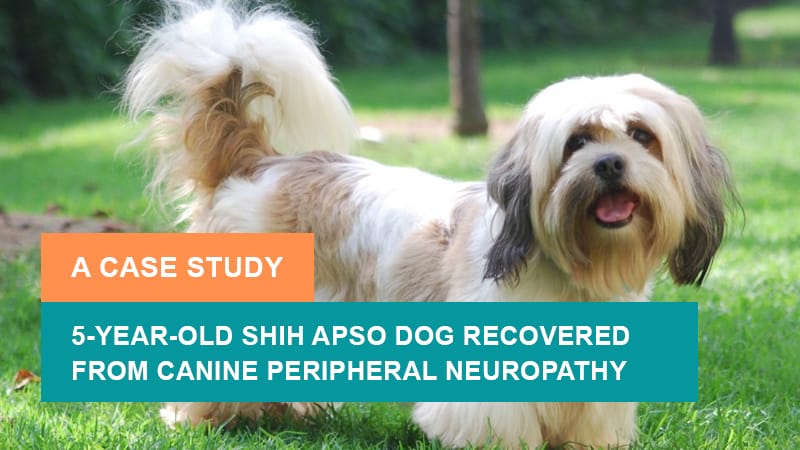
5-Year-Old Shih Apso Dog Recovered from Canine Peripheral Neuropathy – A Case Study
This case study presents a 5-year-old Shih Tzu-Lhasa Apso crossbreed dog (pet)…
-
9 Year Old Female Patient Recovered from Chronic Allergic Bronchitis – A Case Study
This case study presents a 9-year-old female patient who recovered from chronic…
-
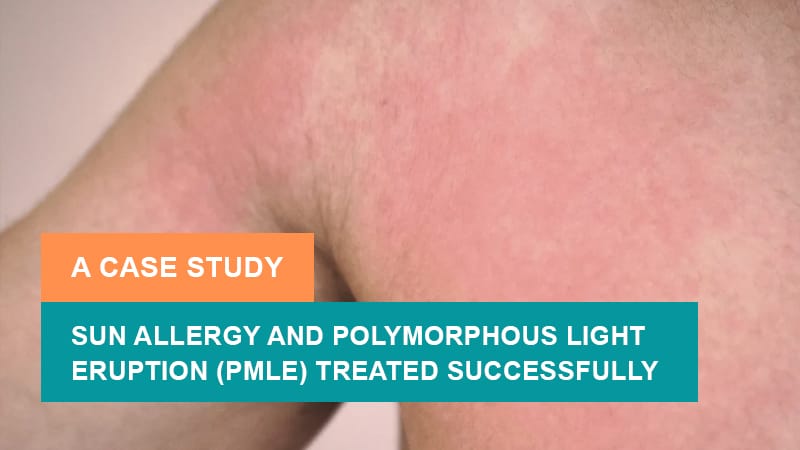
12-Year-Old Child Recovered from Solar Urticaria (Chronic Sun-Sensitivity) – A Sun Allergy Case Study
This is a case study of a 12-year-old child who has successfully…
Read More Articles
-

Oral Lichen Planus
Learn about Ayurvedic Treatment for Oral Lichen Planus, including its symptoms, causes,…
-
Jock Itch (Tinea Cruris)
Discover safe and effective Ayurvedic treatment for Jock Itch (Tinea Cruris). Relieve…
-
Polymorphous Light Eruption (PMLE)
Learn about Polymorphous Light Eruption Ayurvedic Treatment, PMLE symptoms, causes, natural care,…