Ayurvedic Treatment for Urticaria
Explore effective Ayurvedic treatment for urticaria using natural herbs and a holistic approach to help relieve itching, rashes, and skin irritation. At IAFA, Vaidya Gupta offers safe and highly effective care tailored to manage and improve this condition naturally.
On This Page


-
 8525
8525
 8525
8525
 Share
ShareSummarise this article using AI




Introduction
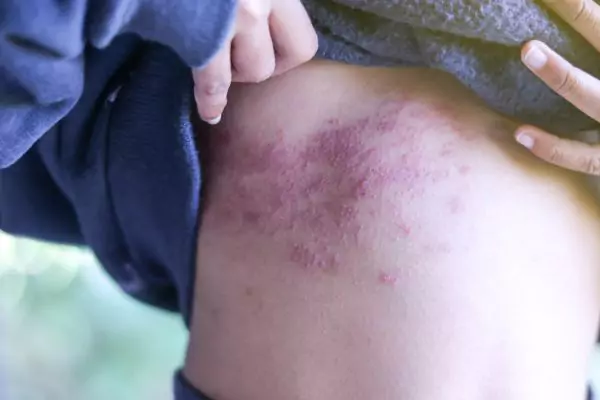
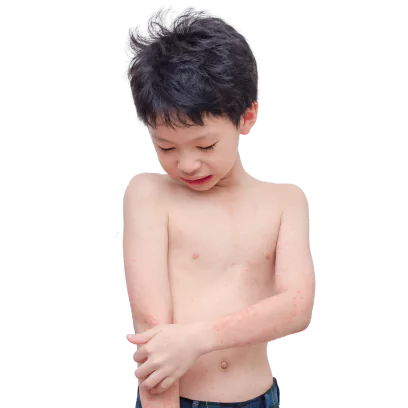
Urticaria is a skin rash triggered by any medicines, food, stress, or other irritants. Symptoms include Itchy, Raised, Red or Skin colored Bumps on the Skin. Urticaria is also known as Hives.
It occurs when the body reacts to an allergen (antigen). Antigen-Antibody Complex developed, releases histamine and other chemicals under the skin surface. This leads to Inflammation and fluid accumulating under the skin named Hives.
Classification of Urticaria
1. Acute Urticaria
It develops suddenly and lasts less than six weeks. Causes will be Respiratory Allergens, Food Allergens, Psychological Factors, and any Infections or Medications.
2. Chronic Urticaria
It occurs in very few cases and rashes persist for more than six weeks or months or years. Causes will be Hereditary, Autoimmune, and Idiopathic.
Common Causes of Urticaria
- Food like peanuts, eggs, nuts, and shellfish.
- Medications, such as antibiotics like penicillin and sulfa, aspirin and ibuprofen.
- Insect stings or bites.
- Physical stimuli such as pressure, cold, heat, exercise, or sun exposure.
- Latex, pollen, and some plants and pet dander.
- Blood transfusions.
- Bacterial infections, including urinary tract infections and strep throat.
- Hormonal changes and emotional factors.
- Viral infections, include the common cold, infectious mononucleosis, and hepatitis.
Ayurvedic Concept of Urticaria (Sheetpitta)
In Ayurveda, all skin diseases are explained under Kushta Roga (means Skin Diseases). But some allergic conditions like Sheetpitta, Udard, Kotha are explained separately. Allergic Manifestation is mentioned under the concept of Satmya (Tolerance) and Asatmya (Intolerance) in Ayurveda. Due to similar symptomatology Urticaria is correlated with Sheetpitta.
Classification of Urticaria (Sheetpitta) – As Per Ayurveda
Sheetpitta, Udard, and Kotha are explained separately in Ayurveda. Sheetpitta is also called as Udard, Kotha and Utkotha. This group is Sheetpitta correlated with Urticaria due to its similar symptoms.
1. Sheetpitta
Vata Dominance, Tod (Pricking Sensation), Vidah (Burning Sensation).
2. Udard
Kapha Dominance, Kandu (Itching), Vidah (Burning Sensation).
3. Kotha
Raktadushti, Vidah (Burning Sensation).
4. Utkotha
Recurrence of Kotha again and again.
Diagnosis of Urticaria (Sheetpitta) – As Per Ayurveda
Causative Factors (Nidan) of Urticaria (Sheetpitta) – As Per Ayurveda
- Excessive intake of Lavana Salty, Katu (Pungent) Food, Sasharp (Mustard), Arnala, and Shukta (Sour Gruels).
- Exposure to Sheet Maruta Samsparsha (Cold Wind).
- Diwaswapna (Day Sleep).
- Sheet Paneeya Samsparsh (Contact of Cold Substances).
- Asatmyak Vaman (Improper Emesis).
- Keetak Dansha (Insect Bite).
- Shishir Varsha Ritu Viparyaya (Altered Features in winter and Rainy Season).
- KrimiSansarg (Contact of Poisonous Insects).
Predominant Symptoms of Urticaria (Sheetpitta) – As Per Ayurveda
Before arrival of the disease some symptoms are produced by the body is called Purvarupa. Purvarupa of Urticaria is:
- Pipasa (Thirst).
- Aruchi (Tasteless).
- Hrullas (Nausea).
- Dehasada (Fatigue).
- Rakta lochanata (Red Discoloration of the Eyes).
Signs of Urticaria (Sheetpitta) – As Per Ayurveda
Signs of a disease are named as Rupa.
- Varatidamshtra Vatashotha (Skin becomes like Bite of Nettle Sting).
- Kandu (Itching).
- Toda (Pricking).
- Hrillasa and Chhardi (Nausea and Vomiting).
- Vidah (Burning Sensation).
- Jwara (Fever).
Stages of Formation of Urticaria (Sheetpitta) – As Per Ayurveda
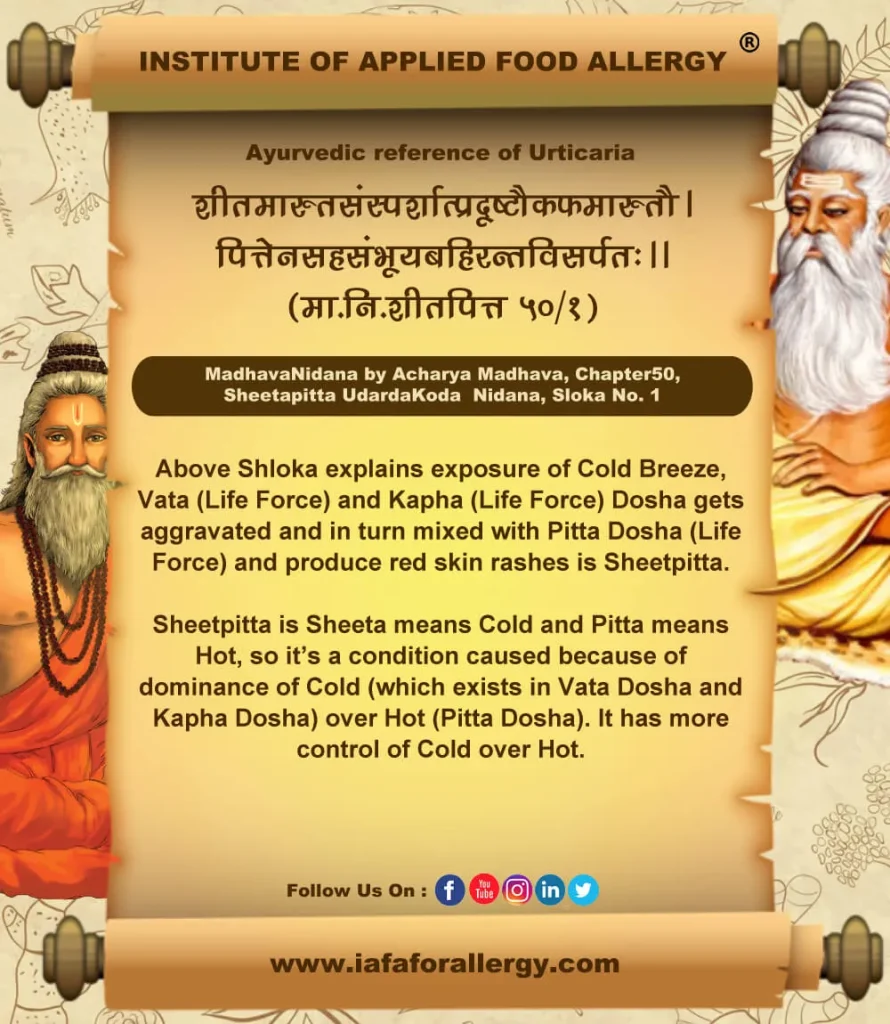
Various stages of Formation of any disease in Ayurveda are named as Samprapti. Vitiliated Vata (Life Force) and vitiliated Kapha (Life Force) because of Cold Weather and Exposure to Cold Wind get mixed with Pitta (Life Force). All these three Doshas (Vata, Pitta, Kapha) spreads all over the body (Beneath the Skin) and occur Reddish Rash with Itching and Pricking Sensation and this condition is Sheetpitta.

“Causative factors of urticaria are generally things other than infections, although it can also result from hormonal changes. It may be caused by a virus, emotional stress, or an allergen.”
IAFA holds your hand to wellness!!
– Vaidya Sahil Gupta (B.A.M.S., M.H.A.)
Ayurvedic Allergy Specialist
CEO & Founder of IAFA®
At last, Easier Urticaria Management

Trusted by
More than 90,000 Patients

Convenient
at-Home Treatments

9.2 / 10
Customer Satisfaction Score
Ayurvedic Treatment for Urticaria
Acharya Chakradutta has clearly and systematically described the Shamana Chikitsa of Sheetapitta, giving considerable importance to Doshagati (transit of doshas). He has advised that individuals suffering from Sheetapitta may be given either Sheeta or Ushna Ahara and Paniya, with due consideration to Doshagati. Acharya Bhavaprakasha has described Sodhana (purificatory), Shamana (palliative), and Bahi Parimarjana Chikitsa (external therapies) for the management of Sheetapitta.
So, we at IAFA® provide specific treatment measures by following the principles of Ayurveda for the treatment of urticaria (hives). These measures include internal medications, external therapies, and purificatory treatments.
Internal Medications for Urticaria
- Guduchyadi Kashayam
- Patolakaturohinyadi Kashayam
- Avipathi Choornam
- Tikthakam Ghritam
- Haridrakhandam
- Indukantham Ghritam
- Triphala Guggulu
- Triphala with Honey
- Navakarshika Guggulu
- Trikatu with Sharkara
- Yavani with Vyosha and Yavakshara
- Aardraka Rasa with Purana Guda
External Therapies for Urticaria
- Abhyanga (oleation) with Kshara, lavana, taila
- Parisheka with Ushnambu (hot water)
- Lepa (anoinment) with Durva and Nishi
Purificatory Therapies for Urticaria
- Vamana
- Virechana (Special treatment / Vishesha Chikitsa)
Single Herbs Used in Urticaria – As Per Ayurveda
- Haridra (Curcuma longa)
- Nimba (Azadirachta indica)
- Amrita (Tinospora cordifolia)
- Katuki (Picrorhiza kurroa)
- Nishotah (Operculina turpethum)
- Triphala (Phyllanthus emblica, Terminalia chebula, Terminalia bellirica)
Lifestyle Improvement in Urticaria (Sheetpitta) – As Per Ayurveda
- Hot water Bath Daily.
- Avoid exposure to Cold Breeze.
- Don’t suppress Natural Urges.
- Daily Exercise, Meditation & Yoga.
- Avoid Day Time Sleep after lunch.
- Sleep on Time After Dinner.
- Follow Ritucharya (Seasonal Regime) and Deencharya (Daily Regime) as per Ayurveda.
- Use Chemical-Free Products.


Committed to Holistic Healing through Alternative Medicine Since 2008
Diet Management of Urticaria (Sheetpitta) – As Per Ayurveda
Pathya (Do’s)
- Consume old grains.
- Karela (Bitter Gourd).
- Mudga Green Gram.
- Aamalaki (Gooseberry).
- Drink Ushna Jal (Warm Water).
Apathya (Don’ts)
- Avoid Guru (Heavy to digest).
- Excess Spicy, Sour.
- Dugdhjanya Aahar (Dairy Products).
- Madya (Alcohol).
- Sheet Jalpan (Cold Water).
- Virudha Aahar (Wrong Food Combinations).
Yoga Therapy in Urticaria (Sheetpitta)
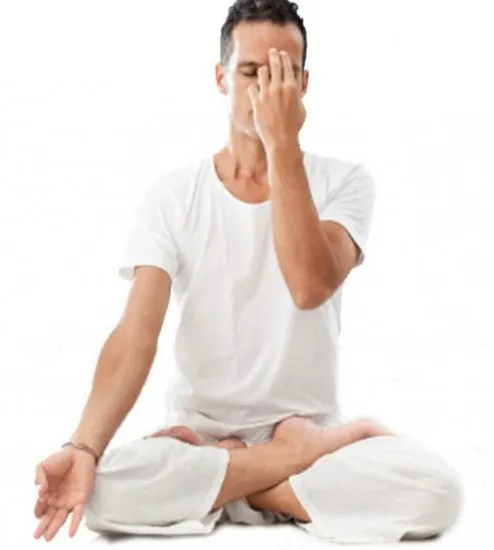
Stress can worsen Urticaria. With the help of Yoga it reduces stress by its techniques that promote relaxation by Deep Breathing. Yoga and Asanas which are helpful in Urticaria are as follows:-
- Brashrika Pranayama
- Surya Namaskar
- Halasana
- Matsyasana
- Trikonasana
- Bhujangasana
Frequently Asked Questions
Question: How will Ayurveda help me with urticaria?
Answer: Ayurveda works on the root cause of the disease in the most natural way. By acting on all aspects of the body, not only the skin, it helps restore balance of the three doshas (life forces). A properly chosen IAFA urticaria treatment plan can help relieve itching, wheals, and also correct hypersensitivity of the immune system responsible for urticaria. Ayurvedic medicines not only provide relief from itching and hives but also help prevent recurrence.
Question: Will I have to take steroids for urticaria for the rest of my life? Will they not lead to side effects?
Answer: Corticosteroid tablets suppress the immune system and reduce allergic reactions temporarily. They are usually used in severe attacks of urticaria or life-threatening conditions. Regular use of corticosteroids may lead to complications such as stretch marks, weight gain, hair loss, hormonal imbalances, Cushing’s syndrome, anemia, and other serious adverse effects.
Question: Who is more likely to develop symptoms of urticaria?
Answer: Urticaria is often a sign of underlying health issues. IAFA focuses beyond symptoms to treat the root cause. Factors that increase the risk of urticaria include: – Age between 30 and 60 years – Female gender (more prone than males) – Family history or genetic predisposition – Physical or emotional stress – Use of drugs such as NSAIDs, certain antibiotics, and antihypertensive medications – Previous history of hives or angioedema – History of allergic reactions – Conditions such as eczema, lupus, lymphoma, thyroid disease, etc.
Question: How serious is urticaria?
Answer: Urticaria is generally not a serious or dangerous condition, but itching and discomfort can cause significant distress and frustration.
Question: Does urticaria relapse after Ayurvedic treatment?
Answer: If Nidana Parivarjan (avoiding causative dietary and lifestyle factors) is properly followed, the chances of relapse are minimal.
Question: Is it hives or angioedema?
Answer: Angioedema is swelling of the deeper layers of skin and may occur with or without hives. It can be caused by allergic reactions, medications, or hereditary enzyme deficiencies. Symptoms include: – Swelling of eyes, lips, or mouth – Swelling of forehead, hands, feet, or throat – Difficulty breathing and restlessness – Abdominal pain and cramps Consulting an Ayurvedic specialist can help diagnose and manage both conditions.
Question: Are hives contagious?
Answer: Hives are not contagious. However, underlying causes such as viruses or bacteria may be contagious and should be evaluated to identify the root cause.
Question: Is Ayurveda a safe way to deal with urticaria?
Answer: Yes, Ayurveda offers a safe and holistic approach to managing urticaria. It is a comprehensive medical science that focuses on balancing the immune system rather than suppressing it. Ayurvedic treatment aims to reduce the intensity, frequency, and duration of flare-ups and provides long-term relief with minimal chances of recurrence when followed properly.
Question: Can Ayurveda treat urticaria?
Answer: Yes, Ayurveda can effectively manage urticaria by balancing doshas and eliminating toxins from the body using internal and external herbal treatments.
Question: What are the causes of urticaria?
Answer: Causes of urticaria include excessive intake of salty or spicy foods, exposure to cold wind, daytime sleep, improper digestion, and other lifestyle factors. These lead to imbalance of Vata and Kapha doshas, which combine with Pitta dosha and trigger urticaria.
Question: Does urticaria relapse after treatment?
Answer: In many cases, only symptomatic relief is achieved without addressing the root cause, leading to recurrence. Proper Ayurvedic treatment under expert supervision helps prevent relapse.
Question: How long does it take to recover from urticaria with Ayurvedic treatment?
Answer: Recovery time depends on severity and individual condition. Treatment may take a few weeks to several months.
Question: Which foods should be avoided in urticaria?
Answer: Foods high in histamine such as ladyfinger, sausages, and fermented foods should be avoided. Histamine-liberating foods like strawberries, bananas, and citrus fruits may also trigger symptoms and should be limited.
Question: Is urticaria a lifelong disease?
Answer: Acute urticaria lasts less than six weeks, while chronic urticaria lasts longer. Chronic cases can be managed effectively by avoiding triggers and treating the root cause.
Question: Which fruit is best for urticaria?
Answer: Low-histamine fruits are recommended. Amla (Indian gooseberry) is especially beneficial as it supports immunity and is rich in Vitamin C, which may help reduce symptoms.
Question: Can we drink milk in urticaria?
Answer: Some individuals with urticaria may have milk intolerance. To avoid worsening symptoms, plant-based milk is often recommended.
Question: Which tablet is best for urticaria?
Answer: IAFA Skin Detox Tablet is an herbal anti-itch formulation that helps balance doshas. Vitamin D and Vitamin C may also help reduce symptoms of urticaria.
Question: Which tea is best for urticaria?
Answer: Skin Beau-Tea helps relieve symptoms of urticaria and sunburn. It is made with Pitta-balancing herbs that support skin detoxification.
Question: Why is urticaria worse at night?
Answer: Histamine levels may increase at night. Triggers such as bedding, temperature changes, air conditioning, and dust mites can also worsen symptoms.
Question: Is banana good for urticaria?
Answer: Bananas may act as histamine liberators. Individuals with latex allergy may also experience reactions, so caution is advised.
Question: What is the root cause of urticaria?
Answer: Root causes include food allergies, insect bites, temperature changes, incorrect food combinations, hormonal changes, medications, and infections.
Question: Is sun exposure good for urticaria?
Answer: Sun exposure may help due to Vitamin D synthesis. However, patients with solar urticaria should avoid sun exposure during flare-ups.
Question: How can I reduce urticaria immediately?
Answer: A traditional remedy is a mixture of black pepper and lukewarm A2 cow ghee, which may help reduce itching and redness quickly in some cases.
Question: Can we eat curd in urticaria?
Answer: Curd is sour and fermented, so it is generally best avoided. If consumed, it should be diluted with water and taken at midday.
Question: Which cream is good for urticaria?
Answer: IAFA 333 cream is an herbal anti-inflammatory formulation containing herbs such as Shveta Kutaj (Wrightia tinctoria) and Karanj (Pongamia glabra), useful for relieving symptoms.
Question: What is the first-line treatment for urticaria?
Answer: First-line management includes topical application of IAFA 333 oil to soothe itching and inflammation, along with internal remedies and avoidance of triggers.
Question: Is urticaria caused by stress?
Answer: Yes, stress is a major trigger factor. Emotional imbalance may worsen symptoms. Yoga, meditation, and pranayama can help manage stress.
Question: What is the best Ayurvedic medicine for urticaria?
Answer: Medicines such as Skin Beau-Tea and Pitpapra capsules are commonly used. Treatment should be personalized based on individual symptoms and body constitution.
Question: Which soap is best for urticaria?
Answer: Use hypoallergenic, fragrance-free soaps such as Skin Fresh Bar. Harsh chemicals may damage the skin barrier and worsen allergic reactions.
References
- MadhavaNidana by Acharya Madhava, Chapter 50, Sheetpitta UdardKoda Nidana, Sloka No. 1.
- Agnivesh. Charak Samhita commentary by Brahma Nand Tripathi, Chaukhambha Surbharati Sansthan, Varanasi, Sutra 4/17, 43.
- Sushruta. Sushruta Samhita Hindi Translation by Vaidya Anant Ram Shastri, Chaukhambha Surbharati Prakashan, Varanasi, Sutra 38/13, 25.
- Chakrapani Dutta, Ayurveda Deepika Commentary on Charak Samhita, Edited by Vaidya Yadavji Trikamji Chaukambha Surbharati Prakashan, Varanasi, Udarda-Kotha-Sheetpitta Chikitsa 1, 2, 5, 6, 7, 8, 10, 11, 23.
Vaidya Gupta’s IAFA is committed to bringing about a change through Ayurveda in the way people perceive healthcare. IAFA ensures that we take care of all your health needs.
A fit body holds a Healthy mind and spirit!!!!! Reach Vaidya Gupta’s IAFA Today!!!!


Was this Page Helpful?
So, IAFA’s Ayurvedic Treatment for Urticaria is Just 3 Steps Away!

01. Connect With Us
Share Your History of Illness or Book Your Appointment Now.

02. Consult With Us
Vaidya Gupta A Certified Ayurvedic Allergy Specialist.

03. Root Cause Treatment
Get An Accurate Diagnosis, Medicine, Diet and Lifestyle Guidance.
Real Case Studies – Successfully Treated Patients
Real Case Studies of Successfully Treated Patients from All Around the World by IAFA Ayurveda®
-

32-Year-Old Female Patient Recovered from Chronic Urticaria and Leaky Gut Syndrome – A Case Study
This case study highlights the successful Ayurvedic treatment of chronic urticaria associated…
-
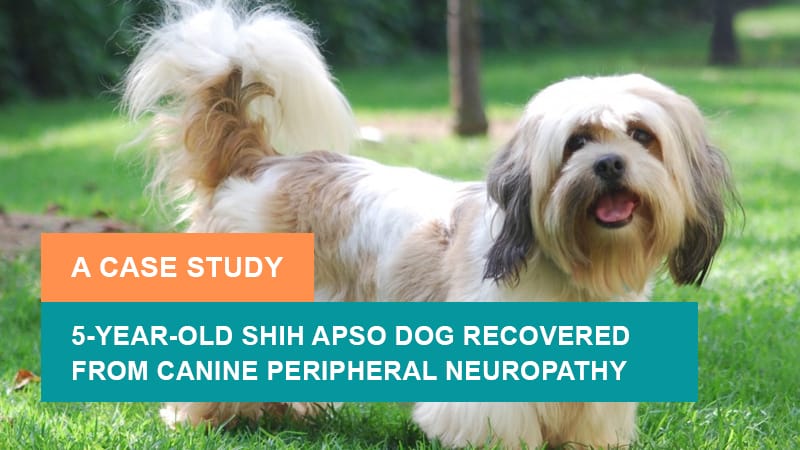
5-Year-Old Shih Apso Dog Recovered from Canine Peripheral Neuropathy – A Case Study
This case study presents a 5-year-old Shih Tzu-Lhasa Apso crossbreed dog (pet)…
-
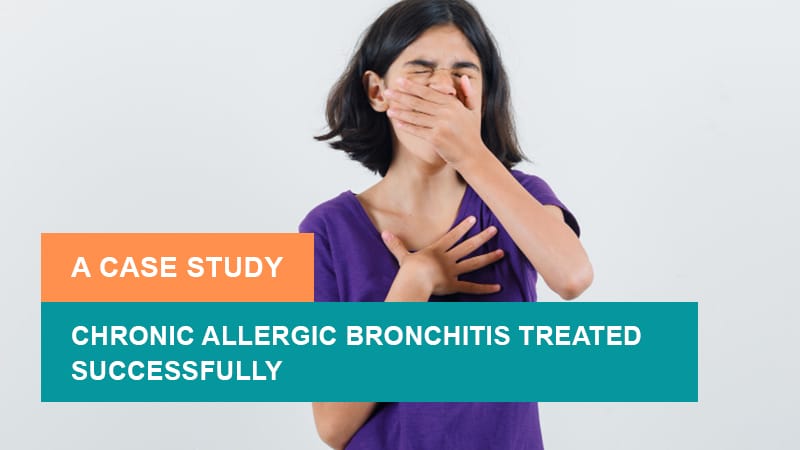
9 Year Old Female Patient Recovered from Chronic Allergic Bronchitis – A Case Study
This case study presents a 9-year-old female patient who has successfully recovered…
-
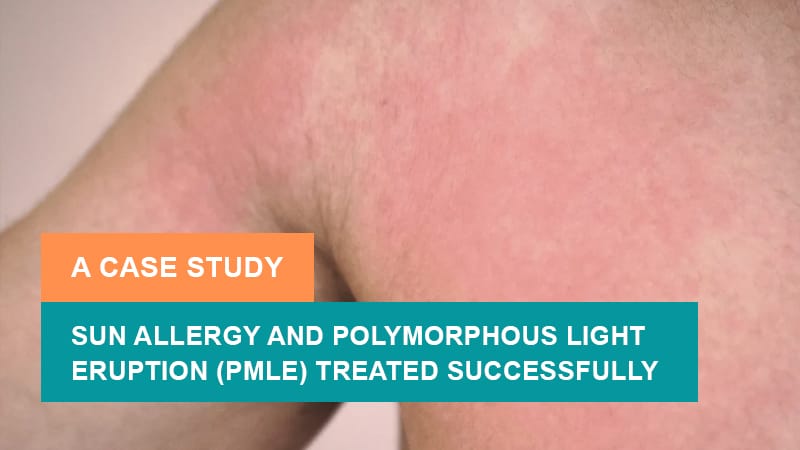
12-Year-Old Child Recovered from Solar Urticaria (Chronic Sun-Sensitivity) – A Sun Allergy Case Study
This is a case study of a 12-year-old child who has successfully…

Read More Articles
-

Bed Wetting (Shayyamutra)
Bedwetting is an embarrassing habit in some children where they are unable…
-
-
Attention Deficit Hyperactivity Disorder – ADHD (Vatika Unmada)
Contact IAFA Ayurveda® to get safe and natural remedies for the treatment…