

Ayurvedic Treatment for Atopic Dermatitis (Eczema)
Explore Ayurvedic treatment for atopic dermatitis (eczema) at IAFA Ayurveda. Learn about eczema symptoms and Ayurvedic care, and consult Dr. Sahil Gupta for personalized guidance.
On This Page


-
 2782
 2782
 Share
Summarise this article using AI


Introduction
Atopic dermatitis (eczema) is a skin condition commonly observed in children and is characterized by pruritus (severe itching), swelling, exudation, and skin changes, including cracks. Children in early infancy are comparatively more prone to developing this condition. Children affected by atopic dermatitis may also develop allergic rhinitis or asthma, and this progression is known as the atopic march. In Ayurveda, atopic dermatitis is correlated with Vicharchika, a condition classified under Kushta Roga (skin diseases). Kapha is considered the predominant dosha involved in this condition.
Causes of Atopic Dermatitis (Eczema)
Atopic dermatitis is a skin condition which has genetic factor involvement in the etiology. Along with genetic factors,
- Skin barrier defect
- Immune response in a reduced state and
- Exaggerated response of T-cells towards various allergy causing factors and microbiological entities.
The pathology of Atopic Dermatitis (Eczema) is entirely different from that of non-atopic dermatitis. The precipitating factors for Atopic dermatitis includes,
- Cow’s milk
- Eggs
- Peanuts
- Synthetic products like clothes or detergents
- Infections
- Stress
- Weather changes
Ayurveda also explains the causes of skin diseases including Atopic dermatitis. Incompatible or improper food habits, sinful acts, sins of previous life are considered to be the major causes of skin diseases along with external and environmental factors. The doshas namely Vata, Pitta and Kapha will be aggravated by the above-mentioned causes and invade skin, blood, lymph and muscle tissues to manifest Atopic Dermatitis (Eczema).
In general, this disease is having Kapha predominance with the involvement of all the other doshas. Dr. Gupta’s method of keen observation, identifying the root cause and differential dosha involvement in atopic dermatitis management helps an individual to avoid the precipitating factors along with dosha increasing situations to attain the treatment result faster.
Symptoms of Atopic Dermatitis
Atopic Dermatitis (Eczema) may show a wide range of symptoms. The major symptoms include,
- Pruritus
- Skin changes including cracks over all extremities including forehead, elbow, and neck
- Keratosis
- Rarely swelling
- Exudation
In addition to the above mentioned symptoms, Ayurveda adds eruptions and presence of exudation of lymph in case of Atopic dermatitis. Atopic dermatitis may also be associated with the complications of fever, sleeplessness, indigestion, stress and tastelessness.
Ayurvedic Reference of Atopic Dermatitis
सकण्डूः पिडका श्यावा बहिस्राव विचर्चिका ॥

Stages of Atopic Dermatitis
In general there are three stages for Atopic dermatitis namely,
- Acute stage
- Sub acute stage and
- Chronic stage
In the acute stage, intense pruritus (severe itching) and skin cracks may be observed on examination. In the subacute stage, erythematous and scaly lesions may develop. In the chronic stage, thickening of the skin (lichenification) and fibrotic papular changes may be observed.

“Dr. Gupta treats atopic dermatitis using a combination of medications and unique herbs, drawing on traditional knowledge passed down through generations. Ayurveda offers a traditional approach to managing atopic dermatitis. The Institute of Applied Food Allergy® provides treatment for atopic dermatitis (eczema) using an Ayurvedic approach.”
Visit us today to explore treatment options for your loved ones living with atopic dermatitis (eczema).
– Dr. Sahil Gupta (B.A.M.S., M.H.A.)
Ayurvedic Allergy Specialist
CEO & Founder of IAFA®
At last, Easier Atopic Dermatitis Management

Trusted by
More than 90,000 Patients

Convenient
at-Home Treatments

9.2 / 10
Customer Satisfaction Score
Ayurvedic Treatment for Atopic Dermatitis (Eczema)
Ayurvedic treatment for atopic dermatitis (eczema) may include internal and external Ayurvedic medicines, dietary modifications, and lifestyle measures, as outlined below.
Internal Ayurvedic Medicines
Ayurveda traditionally uses various herbal formulations to manage atopic dermatitis. These include Triphala Choornam, prepared from Phyllanthus emblica, Terminalia chebula, and Terminalia bellirica; Patolakaturohinyadi Kashayam; Nimbadi Kashayam; Tikthaka Ghritam; Mahatiktaka Ghritam; and Manibhadra Gudam. Individual herbs such as Neem (Azadirachta indica), Pointed Gourd (Trichosanthes dioica), and Malabar Nut (Adhatoda vasica) are also mentioned in traditional Ayurvedic practice.
External Ayurvedic Therapies
External Ayurvedic therapies may include the application of medicated herbal pastes, herbal baths, and other skin-care procedures intended to soothe irritated skin. Ayurveda also describes Panchakarma therapies, including Vamana (therapeutic emesis) and Virechana (therapeutic purgation), as part of certain traditional treatment approaches.
Dr. Gupta follows an approach that combines selected internal and external Ayurvedic treatments with traditional herbal knowledge passed down through generations.


Committed to Holistic Healing through Alternative Medicine Since 2008
Diet and Lifestyle in Atopic Dermatitis (Eczema)
Ayurveda suggests taking light food, wheat, bitter vegetables, green gram, and ghee in case of Atopic dermatitis for maintaining a good digestive system and a good skin condition. Heavy food, fermented milk products, alcohol added products, fish, meat, old food, and milk is suggested to be avoided for making the curing process fast.
Avoiding strenuous exercises, over-exposure to the sun, exposure to chemicals, and other external factors like allergens, microbes, etc. must be controlled by self-care measures.
Pathya (Do’s)
- Light food
- Sweet and bitter taste food
- Ghee and butter intake
- Green gram
- Wheat
- Bitter vegetables and
- Walking in shade with proper protection
Apathya (Don’ts)
- Heavy food
- Alcoholic preparations
- Fermented milk products
- Milk intake
- Salty and sour food items
- Jaggery and
- Over exertion
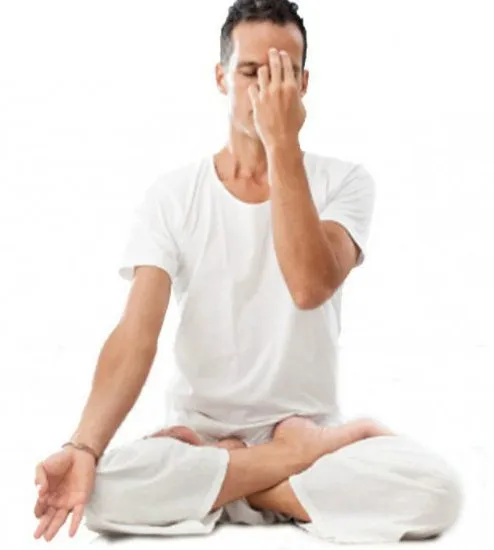
Yoga in Atopic Dermatitis
Yoga helps in relieving stress generated due to the condition of Atopic dermatitis. The techniques like Pranayama and Pavanamuktasana helps in relieving stress and thus reduces the symptoms of Atopic dermatitis.
Frequently Asked Questions
Question: What are the Main Causes of Atopic Dermatitis?
Answer: The main triggers of atopic dermatitis are: intake of wrong food combinations in the diet such as taking milk with fruits, taking milk with fish, excessive use of chemical -based products and congenital in some babies.
Question: Can Atopic Dermatitis be Spread to Others?
Answer: No. It can’t be spread to anyone else.
Question: What is the Ayurvedic Treatment for Eczema?
Answer: Ayurvedic treatment for eczema includes personalized herbal medicines, such as Neem, Guduchi, Manjistha, and Haridra, along with a suitable diet and lifestyle changes. Consult an Ayurvedic doctor to determine the right treatment based on your symptoms and skin condition.
Question: What is the Ayurvedic Treatment for Eczema in Babies?
Answer: Ayurvedic treatment for eczema in babies may involve gentle skin care, identifying triggers, dietary guidance, and doctor-prescribed herbal formulations. IAFA lists medicines such as Guduchyadi Kashaya and Nimbadi Churna for children, but never use these in babies without specialist guidance.
Question: Which Ayurvedic Medicine is Best for Eczema?
Answer: Ayurvedic medicines for eczema include Guduchi, Manjistha, Neem, Haridra (turmeric), and Khadira. The right formulation depends on your symptoms and skin condition. Consult an Ayurvedic doctor for personalized treatment, proper dosage, and safe use.
Question: Is Amla Good for Eczema?
Answer: Yes, Amla (Amalaki) may help manage eczema due to its antioxidant properties. In Ayurveda, it is valued for balancing Pitta and supporting skin health. Consult an Ayurvedic doctor for the appropriate dosage and personalized treatment.
Question: Is Drinking Aloe Vera Juice Good for Eczema?
Answer: Drinking aloe vera juice may support general wellness, but there is limited scientific evidence that it improves eczema. Consult a healthcare professional before use, as oral aloe vera can cause digestive side effects and interact with medications.
References
- Hari Sadashiv SP editor of Ashtanga Hridaya Chikitsasthan Kustaadhyaya 19; 2 Chaukhambha Surabharti Prakahan, Varanasi, 2010.p. 192.
- Paradakara HS editor Astang Hridya, Sutrasthan Shastraviddhima Adhayay 26/36-37, reprint, Chaukhambha Surbharti Prakashan Varanasi, 2011, p. 119.
- Prof. P. V. Sharma. Dipanadi Varga. Dravyagun – Vijnana vol – II, Chaukhambha Bharti Academy, Varanasi; Ed. Reprint 2012. Ch. 9, p.761.
- Child Health and Ayurveda, Edition 2021, by Sahil Gupta, Eczema in Children, Chapter No. 24, Page No. 103-107.
Ayurveda offers a natural approach to managing atopic dermatitis (eczema). Dr. Gupta’s Institute of Applied Food Allergy® is dedicated to providing personalized care for individuals with atopic dermatitis (eczema), with a focus on skin health and overall well-being.
Visit us today and help your loved ones find relief from atopic dermatitis. Rejuvenate your skin naturally with Ayurveda!


Was this Page Helpful?
So, IAFA’s Root-Cause Treatment of Atopic Dermatitis is Just 3 Steps Away!

01. Connect With Us
Share Your History of Illness or Book Your Appointment Now.

02. Consult With Us
Dr. Gupta A Certified Ayurvedic Allergy Specialist.

03. Root Cause Treatment
Get An Accurate Diagnosis, Medicine, Diet and Lifestyle Guidance.
Real Case Studies – Successfully Treated Patients
Real Case Studies of Successfully Treated Patients from All Around the World by IAFA Ayurveda®
-

32-Year-Old Female Patient Recovered from Chronic Urticaria and Leaky Gut Syndrome – A Case Study
This case study highlights the successful Ayurvedic treatment of chronic urticaria associated…
-
5-Year-Old Shih Apso Dog Recovered from Canine Peripheral Neuropathy – A Case Study
This case study presents a 5-year-old Shih Tzu-Lhasa Apso crossbreed dog (pet)…
-
9 Year Old Female Patient Recovered from Chronic Allergic Bronchitis – A Case Study
This case study presents a 9-year-old female patient who has successfully recovered…
-
12-Year-Old Child Recovered from Solar Urticaria (Chronic Sun-Sensitivity) – A Sun Allergy Case Study
This is a case study of a 12-year-old child who has successfully…

Read More Articles
-

Oral Lichen Planus
Learn about Ayurvedic Treatment for Oral Lichen Planus, including its symptoms, causes,…
-
Jock Itch (Tinea Cruris)
Discover safe and effective Ayurvedic treatment for Jock Itch (Tinea Cruris). Relieve…
-
Polymorphous Light Eruption (PMLE)
Learn about Polymorphous Light Eruption Ayurvedic Treatment, PMLE symptoms, causes, natural care,…