
Ayurvedic Treatment for Carpet Allergy
IAFA Ayurveda offers personalized Ayurvedic treatment for carpet allergy, focusing on your unique constitution and allergy symptoms. Connect with our experts to discuss a suitable care plan.
On This Page


-
 1822
 1822
 Share
Summarise this article using AI




Introduction
Carpet allergy, also known as carpet-induced allergy, is a type of allergic reaction triggered by allergens present in or accumulated within carpets. These allergens include dust mites, pet dander, pollen, and mold spores. Common symptoms of carpet allergy include sneezing, a runny or stuffy nose, itchy or watery eyes, coughing, wheezing, and skin rashes. Carpet allergies can be managed by regular cleaning and vacuuming, as well as by using allergy-resistant carpets or area rugs to help limit exposure to allergens trapped within carpet fibers.
Ayurveda emphasizes that allergies can be triggered by indoor environmental factors, including wall-to-wall carpets and modern-day allergens. According to Ayurvedic principles, allergic reactions and respiratory symptoms may be associated with imbalances in the doshas, which can be influenced by environmental factors. Allergens, such as dust mites trapped in carpets, may be considered external factors that disturb doshic balance, potentially contributing to allergic reactions and respiratory discomfort.
Ayurveda also emphasizes the importance of understanding an individual’s unique body constitution, as environmental factors may affect doshic balance differently in different individuals. Ayurvedic principles offer insights into holistic approaches to maintaining doshic balance and managing sensitivity to indoor allergens. Vaidya Gupta’s IAFA offers natural and holistic approaches to the management of carpet allergies and other types of allergies.
Triggers of Carpet Allergy
Carpet allergies culminate as the allergens keep on accumulating inside the carpets. The warm cozy environment is suitable for inhabitants like dust mites, pet dander, molds, and insect allergens. Let’s learn more about it:
1. Dust Mites
Dust mites are tiny creatures that are present indoors especially in carpets. They shed skin and fecal matter that contains proteins which have a potential to start an allergic reaction.
2. Pet Dander
Pets can also shed dander or tiny skin flakes that become trapped inside the carpet and the proteins present in the skin particles can trigger allergy symptoms.
3. Pollen Grains
Pollen can also find their way into the threads of the carpets as they can be brought by shoes or clothing. They can make sensitive individuals sick by giving symptoms like allergic rhinitis.
4. Molds
If the moisture gets trapped inside a carpet then it can result in the growth of molds and these microorganisms release allergic substances known as spores.
5. Insect Allergen
Insects can release allergic substances in the form of droppings or body parts and these parts can initiate an allergic reaction.
6. Chemical Allergens
Some carpets can also release volatile organic compounds or VOCs which can also trigger allergic reactions in some people.
It is generally advised to regularly clean and maintain the carpets by vacuuming with a HEPA filter and also one should dry the carpets under sun’s heat to disinfect them.
Symptoms of Carpet Allergy
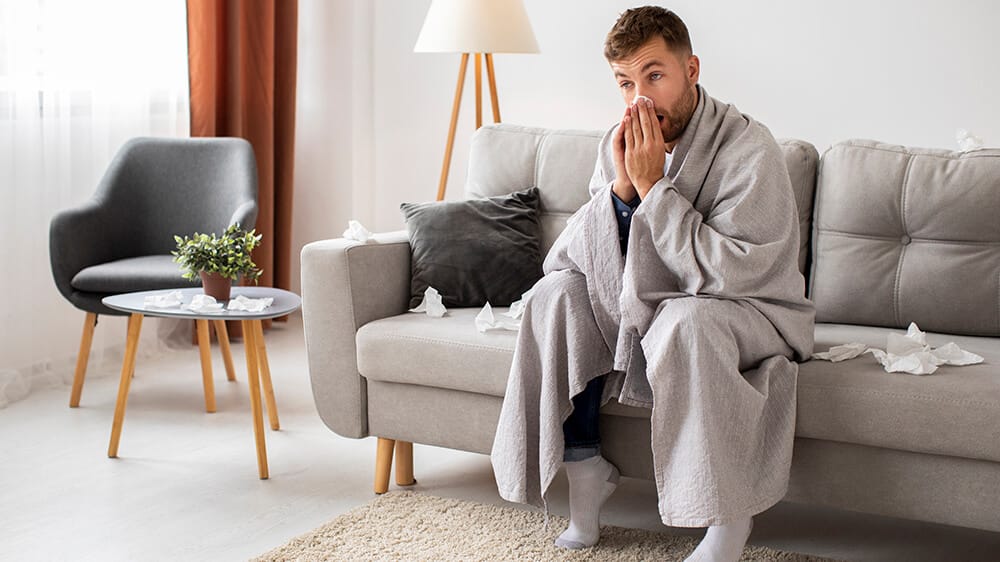
The allergens present in the carpet can produce allergic reactions in sensitive individuals like Allergic Asthma, Allergic Rhinitis, and Contact Dermatitis can also result. The following symptoms can occur:
- Itchiness and watering of eyes
- Sneezing
- Itchiness in the nose and runny nose
- Sore throat
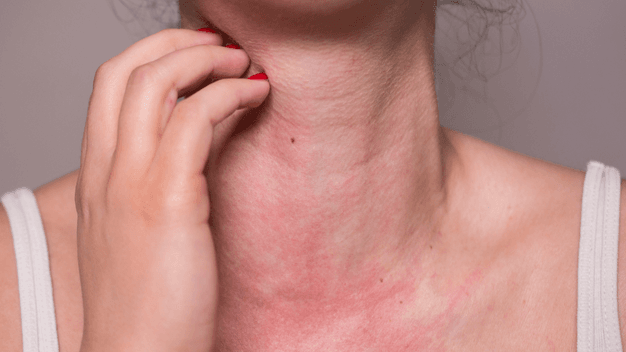
- Redness and itching in the skin
- Hives
- Cough, difficulty in breathing, and heaviness in the chest.
According to Ayurveda, carpet allergy can be correlated with Pratishyaya. The disease is precipitated due to aggravation of Vata dosha and produces somewhat similar symptoms as that due to carpet allergy. According to Ayurveda, the symptoms are repeated bouts of sneezing, dry mouth, congestion in the nose, pricking pain inside the nose, toothache, and pain in head, hoarseness of voice and others.
Also Read:- Ayurvedic Treatment for Dust Allergy – Causes and Symptoms
Ayurvedic References of Carpet Allergy
तत्रवातात्प्रतिश्यायेमुखशोषोभृशंक्षव: lघ्राणोपरोधनिस्तोददन्तशङ्खशिरोव्यथा: ll


“Vaidya Gupta’s IAFA is a leading Ayurvedic center offering holistic and personalized herbal treatment approaches for various types of allergies, including carpet allergy.
At the Institute of Applied Food Allergy®, we are committed to our mission of “Access to Quality Healthcare.” We offer personalized treatment plans based on a comprehensive assessment of your individual body constitution and dominant dosha, with the aim of addressing your holistic health needs related to allergies, including carpet allergy.
“Carpet allergy can be a thing of the past!”
You are just a call or text away from taking a step toward better health with Vaidya Gupta’s IAFA. Connect with us to explore personalized approaches to allergy management and work toward a healthier, more comfortable life.
– Vaidya Sahil Gupta (B.A.M.S., M.H.A.)
Ayurvedic Allergy Specialist
CEO & Founder of IAFA®
At last, Easier Carpet Allergy Management

Trusted by
More than 90,000 Patients

Convenient
at-Home Treatments

9.2 / 10
Customer Satisfaction Score
Ayurvedic Treatment for Carpet Allergy
IAFA Ayurveda offers a holistic approach to Ayurvedic Treatment for Carpet Allergy, focusing on maintaining doshic balance and supporting overall well-being. Based on an individual’s unique body constitution and health needs, the Ayurvedic approach may include internal herbal formulations and external therapies. These personalized approaches aim to support the body’s natural balance and help manage sensitivities to environmental allergens, such as dust mites, pet dander, pollen, and mold spores commonly found in carpets.
Internal Medicines:-
Following internal medicines are advised based on the condition of patient:-
- Vyoshadi Vataka
- Elakanadi Kashaya
- Dasamoolakatuthrayam Kashaya
- Vasishta Rasayana
- Talisapatradi Churna
- Vasarishta
- Sitopladi Churna
- Chitrak Haritaki Avleha
Panchakarma Procedures:-
Ayurveda has unique principles for treating various diseases. Different Panchakarma procedures are advised by Ayurveda that helps in the treatment of Carpet Allergy. This includes:
- Snehapana (Intake of medicated ghee)
- Swedana (Sweating)
- Vamana (Emesis)
- Dhoomapana (Inhalation of medicated ghee)
- Gandusha (Holding medicated liquid in mouth)
Medicinal Herbs:-
Following medicinal herbs are very effective to reduce allergic symptoms.
- Haridra (Curcuma longa)
- Ardraka (Zingiberofficinale)
- Pippali (Piper longum)
- Ela (Elettaria cardamom)



Committed to Holistic Healing through Alternative Medicine Since 2008
Diet and Lifestyle
Do’s (Pathya) in Carpet Allergy
- Prefer not to use wall-to-wall or permanent carpets or rugs in your home as it becomes a breeding ground for many allergens. Instead opt for temporary carpets that can be easily washed, vacuumed, and sun dried.
- One should not walk with shoes on the carpet rather remove their shoes before entering the home to keep it free of dust mites, pollens, or other allergens.
- Pets should be kept off the carpet to prevent pet dander from sticking to the carpet.
- The carpets in the cars should be washed regularly to avoid trapping of dust particles.
- Follow a daily routine that promotes balance. Healthy lifestyle includes adequate sleep, regular exercise, and stress management to enhance well-being and limit vulnerabilities to allergies.
Don’ts (Apathya) in Carpet Allergy
- Kids should not eat while sitting on the carpet to avoid accidental spillage which can stick to the carpet threads and make it an ideal place for allergens to flourish.
- If you are planning to buy a wall-to-wall carpet while you are already sensitive to dust mites and other allergens, it is better to reconsider your options. The best strategy would be to bring washable ones for the prevention of carpet allergy.
- Avoid cold, heavy and processed food items as they aggravate kapha dosha and can give rise to symptoms such as blocked nose, runny nose, sneezing, chest congestion, and others.
Yoga Therapy for Carpet Allergy
Natural treatment of Carpet allergy involves leading a balanced lifestyle that includes practices like yoga and meditation to make your body physically and mentally strong so that the immune system does not produce any allergic reaction. You can regularly practice the following asanas to have a healthy and balanced life:
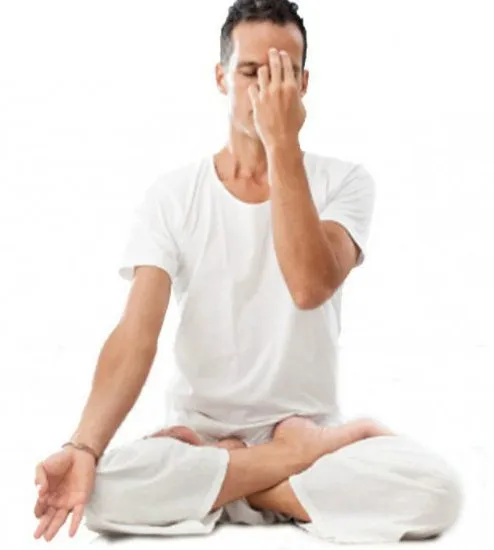
- Breathing exercises such as Anuloma viloma, and Kapabhatti are highly beneficial as they enhance the lung capacity and maintain the health of the respiratory system.
- Surya Namaskar (Sun Salutations)
- Halasana (Plough Pose)
- Matsyasana (Fish Pose)
- Trikonasana (Three-corners pose)
- Bhujangasana (Cobra Pose)
Frequently Asked Questions
Question: Name the common allergens that are found in the house carpets and trigger allergic reactions?
Answer: Common allergens found in carpets are dust mites, pet dander, molds, and particulate matter that can easily get trapped in the carpet and can initiate allergy-related symptoms.
Question: Tell me more about the ways to reduce carpet allergies?
Answer: You should clean the carpet regularly using vacuum cleaner with a HEPA filter, maintain optimum indoor humidity levels, using washable carpets or rugs, and deeply clean the entire house.
Question: Can natural treatment of carpet allergy help in the management of the condition?
Answer: Yes, indeed alternative treatment of carpet allergy is quite effective as it uses a combination of herbal supplements, external detoxification therapies, and diet and lifestyle modifications to bring about positive results.
References
- Shloka No. 3-4, Nasarogavijnaneeyam, Ashtangahrduayam by Acharaya Vaghbhata, Uttarasthanam.
- Agnivesha. Charak Samhita, redacted by Drudabala, with Ayurveda Deepika Commentary by Chakrapani. Varanasi, Chaukhambha Sanskrit Sansthana; reprint: 2004, Ch. Chi 8/49-50.
- Astanga Samgraha with the commentary of Indu, published by Central Council for Research in Ayurveda and Siddha (CCRAS), New Delhi. Govt. of India.
- Bhaishajya Ratnavali, Govinda Das with Vidyotini Hindi Commentary by Ambikadatta Shastri, editor Rajeshwar Datta Shastri, Chaukhambha Sanskrit Sansthan.
Vaidya Gupta’s IAFA is dedicated to developing personalized Ayurvedic treatment plans based on your unique body constitution and dominant dosha. By combining carefully selected Ayurvedic herbal formulations with an individualized approach, IAFA aims to support holistic well-being and help manage allergy symptoms.
Take the First Step Towards a Healthier You with IAFA! Connect with Vaidya Gupta’s IAFA to explore the potential benefits of Ayurvedic herbs and personalized approaches to allergy management.


Was this Page Helpful?
So, IAFA’s Root-Cause Treatment of Carpet Allergy is Just 3 Steps Away!

01. Connect With Us
Share Your History of Illness or Book Your Appointment Now.

02. Consult With Us
Vaidya Gupta A Certified Ayurvedic Allergy Specialist.

03. Root Cause Treatment
Get An Accurate Diagnosis, Medicine, Diet and Lifestyle Guidance.
Real Case Studies – Successfully Treated Patients
Real Case Studies of Successfully Treated Patients from All Around the World by IAFA Ayurveda®
-

32-Year-Old Female Patient Recovered from Chronic Urticaria and Leaky Gut Syndrome – A Case Study
This case study highlights the recovery of a 32-year-old female patient from…
-
5-Year-Old Shih Apso Dog Recovered from Canine Peripheral Neuropathy – A Case Study
This case study presents a 5-year-old Shih Tzu-Lhasa Apso crossbreed dog (pet)…
-
9 Year Old Female Patient Recovered from Chronic Allergic Bronchitis – A Case Study
This case study presents a 9-year-old female patient who recovered from chronic…
-
12-Year-Old Child Recovered from Solar Urticaria (Chronic Sun-Sensitivity) – A Sun Allergy Case Study
This is a case study of a 12-year-old child who has successfully…

Read More Articles
-

Oral Lichen Planus
Learn about Ayurvedic Treatment for Oral Lichen Planus, including its symptoms, causes,…
-
Jock Itch (Tinea Cruris)
Discover safe and effective Ayurvedic treatment for Jock Itch (Tinea Cruris). Relieve…
-
Polymorphous Light Eruption (PMLE)
Learn about Polymorphous Light Eruption Ayurvedic Treatment, PMLE symptoms, causes, natural care,…