

Heavy Metal Toxicity (Part – 1)
Heavy metal toxicity and heavy metal poisoning occur when toxic metals like lead, mercury, arsenic, and cadmium accumulate in the body. Learn about causes, symptoms, diagnosis, health effects, prevention, and treatment.
On This Page


-
 245
245
 245
245
 Share
ShareSummarise this article using AI




What is Heavy Metal Toxicity?
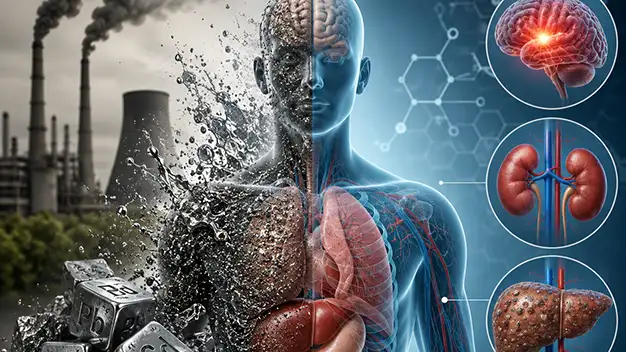
Heavy metal toxicity is a condition caused by the accumulation of excessive amounts of metals such as lead, mercury, arsenic, cadmium, and chromium in the body. These metals may enter through contaminated food, drinking water, air pollution, cosmetics, occupational exposure, consumer products, or certain traditional medicines. Once absorbed, they can accumulate in tissues and interfere with normal biological functions, leading to damage to the nervous system, liver, kidneys, blood, bones, and reproductive organs.
Unlike many infectious diseases, heavy metal toxicity often develops silently. Small amounts of toxic metals may be ingested or inhaled repeatedly over months or years before symptoms become noticeable. As a result, individuals may experience chronic fatigue, headaches, digestive disturbances, memory problems, neurological symptoms, infertility, or unexplained health issues without realizing that long-term toxic exposure is the underlying cause.
Table 1. Quick Summary of Heavy Metal Toxicity
| Feature | Details |
| Condition | Toxic accumulation of heavy metals within the body |
| Common Heavy Metals | Lead, Mercury, Arsenic, Cadmium, Chromium, Nickel, Manganese |
| Main Sources | Contaminated food, drinking water, air pollution, cosmetics, industrial exposure, consumer products |
| Routes of Exposure | Ingestion, inhalation, skin contact, occupational exposure, maternal transfer |
| Most Affected Organs | Brain, nervous system, liver, kidneys, skin, bone marrow, reproductive organs |
| Common Symptoms | Fatigue, headaches, tremors, digestive complaints, skin disorders, memory problems, infertility |
| Acute Toxicity | Results from high-dose exposure over a short period |
| Chronic Toxicity | Develops gradually due to repeated low-level exposure |
| Major Mechanisms of Toxicity | Oxidative stress, enzyme inhibition, mitochondrial dysfunction, chronic inflammation |
| High-Risk Groups | Children, pregnant women, industrial workers, and individuals living in polluted environments |
| Long-Term Consequences | Neurological disorders, kidney disease, liver injury, reproductive dysfunction, chronic inflammatory conditions |
| Prevention | Safe water, reduced environmental exposure, protective equipment, quality-controlled consumer products. |
| Modern Management | Exposure removal, supportive care, chelation therapy when indicated |
| Ayurvedic Correlation | Visha, Gara Visha, Dushi Visha, Agnimandya, Ama, Srotorodha, Dhatu Dushti |
| Ayurvedic Treatment Principles | Nidana Parivarjana, Deepana-Pacana, Shodhana, Rasayana, Visha Chikitsa |
Heavy metal toxicity is often a silent and chronic condition because toxic metals can accumulate within tissues for years before noticeable symptoms appear.
Is Heavy Metal Toxicity A Global Health Concern?
It has become an increasing global health concern due to rapid industrialization, environmental pollution, urbanization, intensive agricultural practices, contaminated groundwater, and widespread use of metal-containing consumer products. The World Health Organization recognizes several heavy metals, particularly lead, mercury, cadmium, and arsenic, as major environmental toxins capable of causing significant public health problems.
Why is Heavy Metal Toxicity Becoming More Common?
Several factors have contributed to the increasing prevalence of heavy metal exposure in modern life:
- Industrial pollution and urbanization
- Contamination of soil, water, and air
- Increased use of chemical fertilizers and pesticides
- Processed and packaged foods
- Cosmetic and personal care products
- Occupational exposure in mining, manufacturing, and construction industries
- Improper disposal of electronic waste
- Chronic exposure to low-dose environmental toxins
Because many heavy metals persist in the environment for decades and cannot be biologically degraded, continuous exposure remains a major challenge worldwide.a)
Acute vs Chronic Heavy Metal Toxicity
Table 2: Heavy metal toxicity may occur either as an acute toxic event or as a chronic cumulative process.
| Feature | Acute Toxicity | Chronic Toxicity |
| Exposure | Large amount over a short period | Small repeated exposure over months or years |
| Onset | Rapid | Gradual |
| Symptoms | Severe and obvious | Often subtle and nonspecific |
| Diagnosis | Usually, easier | Frequently missed |
| Examples | Industrial accident, accidental ingestion | Food, water, pollution, cosmetics |
| Organ Damage | Immediate | Progressive and cumulative |
Although acute toxicity can be life-threatening, chronic exposure is often more difficult to recognize because symptoms develop slowly and may mimic many other disorders.
How Does Heavy Metal Toxicity Affect The Body?
Heavy metals can accumulate within biological tissues and remain in the body for prolonged periods. Many metals cross the blood-brain barrier, damage cellular enzymes, induce oxidative stress, disrupt hormonal balance, and impair multiple organ systems simultaneously.
Children, pregnant women, industrial workers, and individuals living in polluted environments are especially vulnerable. Even low-level exposure may adversely affect cognitive development, immune function, reproductive health, and long-term quality of life. For this reason, heavy metal toxicity is increasingly recognized as an important environmental, medical, and public health issue requiring both preventive and therapeutic approaches.
What are Heavy Metals?
Heavy metals are naturally occurring metallic elements that possess a relatively high atomic weight and density. These metals are widely distributed throughout the environment and may be present in soil, water, air, food, plants, animals, and even the human body.
Contrary to popular belief, not all heavy metals are harmful. Some metals are essential for normal physiological functions and are required in trace amounts for growth, metabolism, immunity, enzyme activity, and cellular health. However, when these metals accumulate beyond physiological limits or when inherently toxic metals enter the body, they may disrupt biological processes and cause disease.
The health effects of heavy metals depend on several factors, including the type of metal, route of exposure, duration of exposure, dose, age of the individual, nutritional status, and the body’s ability to eliminate the toxic substance.
One of the most concerning features of heavy metals is their tendency to accumulate within tissues over time. Unlike many chemicals that are rapidly metabolized and excreted, certain metals may remain stored in bones, kidneys, liver, brain, and other tissues for years or even decades, gradually contributing to chronic disease.ar and disappear within 30 minutes without leaving permanent changes then dermatographia is present. If no significant reaction occurs, then it’s a negative result.
Essential vs Toxic Heavy Metals
Heavy metals can broadly be classified into two categories: those required for normal biological functions and those that primarily exert toxic effects.
Table 3. Essential and Toxic Heavy Metals
| Essential Metals | Major Physiological Functions | Toxic Metals | Major Toxic Effects |
| Iron | Oxygen transport and energy production | Lead | Neurotoxicity, anemia, kidney damage |
| Zinc | Immunity, enzyme function, wound healing | Mercury | Neurological and renal toxicity |
| Copper | Iron metabolism and antioxidant defense | Arsenic | Skin lesions, neuropathy, carcinogenicity |
| Selenium | Antioxidant protection | Cadmium | Kidney damage, bone toxicity |
| Manganese | Nervous system and enzyme function | Chromium (excess) | Respiratory and skin disorders |
Although essential metals are necessary for health, excessive accumulation may also produce toxicity.
Therefore, both deficiency and excess can adversely affect physiological balance.

Have A Health Issue?
Consult Online
- Dr. Sahil Gupta (B.A.M.S., M.H.A.)
Ayurvedic Allergy Specialist
CEO & Founder of IAFA®
At last, Easier Heavy Metal Toxicity Management

Trusted by
More than 90,000 Patients

Convenient
at-Home Treatments

9.2 / 10
Customer Satisfaction Score
Can Essential Metals Also Cause Toxicity?
Yes, an important misconception is that essential metals are always beneficial and cannot cause toxicity. In reality, many metals required for normal physiological functions may become harmful when exposure exceeds the body’s capacity to regulate, utilize, or eliminate them.
The difference between a nutrient and a toxin is often determined by the dose, duration of exposure, route of entry, and individual susceptibility. Excessive body requires trace amounts of essential metals for normal cellular function; excessive accumulation can disrupt metabolic pathways, generate oxidative stress, damage tissues, and produce clinical disease.
A well-recognized example is Manganese, an essential trace element involved in bone formation, antioxidant defense, neurotransmitter synthesis, and enzyme activity. However, chronic excessive exposure to manganese, particularly through occupational inhalation, contaminated water, industrial pollution, welding fumes, mining activities, or excessive environmental exposure, may result in manganese toxicity (manganism).
This condition primarily affects the nervous system, skin, etc. It may produce symptoms such as tremors, muscle rigidity, gait disturbances, speech abnormalities, mood changes, and Parkinson-like manifestations. Similarly, excess iron, copper, selenium, and other essential metals may also cause toxicity when present in excessive amounts. Therefore, the relationship between metals and health follows a biological principle that both deficiency and excess can be harmful.
Table 4. Examples of Essential Metals That May Cause Toxicity in Excess
| Essential Metal | Normal Function | Toxic Effects of Excess Exposure |
| Iron | Oxygen transport | Liver injury, oxidative stress |
| Copper | Enzyme function | Hepatic and neurological damage |
| Selenium | Antioxidant defense | Hair loss, nail changes, neurological symptoms |
| Manganese | Nervous system and enzyme activity | Parkinson-like neurological disorder (manganism), skin disorders |
| Zinc | Immunity and metabolism | Copper deficiency, gastrointestinal symptoms |
Why Do Heavy Metals Become Harmful?
Under normal circumstances, the body tightly regulates essential metals through absorption, storage, utilization, and excretion mechanisms. Toxicity develops when these regulatory systems are overwhelmed or when inherently harmful metals enter the body.
Heavy metals may cause disease through several mechanisms:
- Generation of oxidative stress and free radicals
- Inhibition of critical enzymes
- Mitochondrial dysfunction
- DNA damage
- Disruption of hormonal signaling
- Interference with essential minerals such as calcium, zinc, magnesium, and iron
- Chronic inflammation and tissue degeneration
Because these mechanisms affect multiple organs simultaneously, heavy metal toxicity often presents as a multisystem disorder rather than a disease confined to a single organ.
Which Heavy Metals Cause Human Disease?
Among the numerous metals present in the environment, a relatively small group is responsible for most clinically significant cases of human toxicity. These metals are capable of accumulating in tissues, producing chronic inflammation, impairing cellular metabolism, and causing progressive organ damage.
Table 5. Major Toxic Heavy Metals and Their Primary Target Organs
| Heavy Metal | Major Target Organs | Common Health Effects |
| Lead (Pb) | Brain, Bone Marrow, Kidney | Cognitive impairment, anemia, neuropathy, hypertension |
| Mercury (Hg) | Brain, Kidney | Tremors, memory loss, neurotoxicity, renal dysfunction |
| Arsenic (As) | Skin, Liver, Peripheral Nerves | Skin lesions, neuropathy, liver injury, cancer risk |
| Cadmium (Cd) | Kidney, Bone | Chronic kidney disease, osteoporosis, and bone pain |
| Chromium (Cr) | Lungs, Skin | Respiratory disorders, dermatitis, carcinogenicity (certain forms) |
| Nickel (Ni) | Skin, Respiratory System | Contact dermatitis, asthma-like symptoms, respiratory irritation |
ermatographia is present. If no significant reaction occurs, then it’s a negative result.
Which Heavy Metal is Most Dangerous?
There is no single “most dangerous” heavy metal because toxicity depends on dose, duration of exposure, and route of entry. However, lead, mercury, arsenic, and cadmium are considered among the most significant environmental toxins due to their widespread distribution, tendency to accumulate within tissues, and ability to cause long-term multisystem disease.
Table 6. Comparison of Major Toxic Heavy Metals
| Heavy Metal | Common Sources | Major Health Concerns |
| Lead | Old paints, batteries, contaminated water, industrial emissions | Neurodevelopmental disorders, anemia, kidney damage |
| Mercury | Seafood, industrial emissions, certain occupational exposures | Neurological and renal toxicity |
| Arsenic | Contaminated groundwater, pesticides, and industrial waste | Cancer risk, neuropathy, skin disease |
| Cadmium | Cigarette smoke, fertilizers, and industrial pollution | Kidney failure, bone degeneration |
| Nickel | Metal alloys, jewelry, industrial exposure | Skin allergy, respiratory disease |
Why are Heavy Metals A Long-Term Health Concern?
A unique characteristic of heavy metals is their ability to persist within the body long after exposure has stopped.
For example:
- Lead may remain stored in bones for decades.
- Cadmium can persist in the kidneys for several decades.
- Mercury may accumulate within nervous tissue.
- Arsenic exposure may produce delayed health effects that appear years after initial exposure.
This tendency toward long-term retention and gradual accumulation explains why heavy metal toxicity is often chronic, difficult to diagnose, and capable of affecting multiple organ systems simultaneously.
How Do Heavy Metals Enter the Body?
Heavy metals can enter the human body through multiple routes of exposure. Unlike acute toxicity, which usually occurs after a single large exposure, most individuals are exposed to small amounts of toxic metals repeatedly through food, drinking water, air pollution, cosmetics, household products, and occupational activities.
Because many heavy metals are not easily eliminated, repeated low-level exposure may result in gradual accumulation within tissues over months or years. This process, known as bioaccumulation, is one of the primary reasons why chronic heavy metal toxicity often remains unnoticed until significant health problems develop.
Table 7. Major Routes of Heavy Metal Exposure
| Route of Exposure | Common Sources | Examples of Heavy Metals |
| Ingestion | Food and drinking water | Arsenic, Lead, Cadmium, Mercury |
| Inhalation | Air pollution, industrial dust, cigarette smoke | Lead, Cadmium, Nickel, Chromium |
| Dermal Absorption | Cosmetics, skin products, tattoo inks | Lead, Nickel, Chromium |
| Occupational Exposure | Mining, welding, battery manufacturing, smelting | Lead, Manganese, Cadmium, Mercury |
| Maternal Transfer | Placenta and breast milk | Lead, Mercury, Arsenic |
Can Heavy Metals Enter Through Food?
Yes. Food is one of the most common sources of chronic heavy metal exposure worldwide. Plants may absorb metals from contaminated soil and water, while animal products may accumulate metals through the food chain.
Heavy metals may enter food through:
- Contaminated agricultural soil
- Industrial pollution
- Irrigation with contaminated water
- Chemical fertilizers
- Pesticides
- Food processing and storage
Rice, leafy vegetables, seafood, and certain processed foods are among the most frequent dietary sources that lead to the entry of heavy metals into the body.
Can Drinking Water Contain Heavy Metals?
Contaminated drinking water is a major source of heavy metal exposure in many regions of the world.
Heavy metals may enter water through:
- Industrial discharge
- Mining activities
- Agricultural runoff
- Natural geological deposits
- Corroded pipes and plumbing systems
Among all water contaminants, arsenic, lead, cadmium, and chromium are of particular public health concern because long-term exposure may affect multiple organ systems.
Can Air Pollution Cause Heavy Metal Toxicity?
Air pollution is often an overlooked source of heavy metal exposure.
Industrial emissions, vehicle exhaust, coal combustion, construction activities, and waste incineration can release metal-containing particles into the atmosphere. These particles may be inhaled and subsequently absorbed into the bloodstream.
Individuals living near industrial zones or working in polluted environments may have increased exposure to:
- Mercury
- Lead
- Cadmium
- Nickel
- Chromium
Can Cosmetics And Personal Care Products Contain Heavy Metals?
Certain cosmetic and personal care products may contain trace amounts of heavy metals either as contaminants or as components of pigments and preservatives. Products that have been investigated for heavy metal contamination include:
- Lipsticks
- Kajal and Surma
- Hair dyes
- Skin-lightening creams
- Tattoo inks
- Eye cosmetics
The risk varies significantly depending on manufacturing quality, regulatory standards, and product testing.
Which Occupations have the Highest Risk of Heavy Metal Exposure?
Occupational exposure remains one of the most important causes of heavy metal toxicity.
High-risk occupations include:
- Mining
- Welding
- Battery manufacturing
- Metal smelting
- Construction work
- Electronics recycling
- Industrial manufacturing
Workers may be exposed through inhalation, ingestion, or direct skin contact.
What are the Most Common Sources of Heavy Metal Exposure in Daily Life?
Most people are not exposed to heavy metals through a single source. Instead, exposure typically occurs through multiple everyday activities, leading to gradual accumulation over time.
Understanding these sources is essential for prevention and early intervention.
Food Sources
Food may become contaminated during cultivation, processing, transportation, or storage.
Common dietary sources include:
- Rice and cereal grains
- Seafood
- Leafy vegetables
- Root vegetables
- Processed foods
Water Sources
Drinking water may contain metals due to:
- Groundwater contamination
- Industrial pollution
- Aging plumbing systems
- Natural geological contamination
Household Sources
Heavy metals may also be present in:
- Household dust
- Old paints
- Artificial jewelry
- Batteries
- Ceramic glazes
- Metal cookware of poor quality
Cosmetic Sources
Potential sources include:
- Lipsticks
- Hair dyes
- Kajal and Surma
- Skin-lightening creams
- Tattoo pigments
Environmental Sources
Environmental contamination may arise from:
- Industrial emissions
- Mining activities
- Agricultural chemicals
- Traffic-related pollution
- Waste disposal sites
Table 8. Common Everyday Sources of Heavy Metal Exposure
| Source | Heavy Metals Commonly Reported |
| Rice and grains | Arsenic, Cadmium |
| Seafood (especially large predatory fish) | Mercury |
| Leafy vegetables grown in contaminated soil | Lead, Cadmium |
| Drinking water from contaminated sources | Arsenic, Lead |
| Lipsticks and cosmetic pigments | Lead, Chromium, Nickel |
| Hair dyes | Lead, Nickel, Chromium |
| Kajal and Surma | Lead |
| Tattoo inks | Nickel, Chromium, Cadmium |
| Cigarette smoke | Cadmium, Arsenic, Lead |
| Industrial air pollution | Lead, Mercury, Cadmium |
| Batteries | Lead, Cadmium |
| Artificial jewelry | Nickel, Lead |
| Industrial and welding fumes | Manganese, Chromium, Nickel |
Which Sources are Most Relevant to Manganese and Nickel Exposure?
Common Sources of Manganese Exposure:-
- Welding fumes
- Mining and smelting industries
- Steel manufacturing
- Industrial emissions
- Contaminated groundwater
- Certain occupational settings
Common Sources of Nickel Exposure:-
- Artificial jewelry
- Coins
- Stainless steel products
- Industrial emissions
- Battery manufacturing
- Hair dyes and cosmetic pigments
- Occupational metal exposure
Chronic exposure to manganese primarily affects the nervous system, whereas nickel is more commonly associated with allergic skin disorders, contact dermatitis, respiratory irritation, and chronic inflammatory reactions.
What Causes Heavy Metal Toxicity?
Heavy metal toxicity develops when the amount of metal entering the body exceeds the body’s ability to utilize, detoxify, store, or eliminate it safely. Several biological and environmental factors contribute to the development of toxicity.
Table 9. Key Factors Contributing to Heavy Metal Toxicity
| Cause | How It Leads to Toxicity |
| Excessive Exposure | Large or repeated exposure increases the body’s metal burden |
| Chronic Low-Level Exposure | Small amounts accumulate gradually over months or years |
| Bioaccumulation | Metals become stored in tissues such as bone, liver, kidney, and brain |
| Impaired Elimination | Reduced ability of the body to remove accumulated metals |
| Nutritional Deficiencies | Deficiency of iron, calcium, zinc, or selenium may increase metal absorption |
| Occupational Risk | Frequent workplace exposure increases toxic burden |
| Environmental Contamination | Persistent contamination of air, water, and soil increases exposure risk |
| Excess Intake of Essential Metals | Even essential metals such as manganese, copper, and iron may become toxic in excess |
| Vulnerable Physiological States | Children, pregnant women, and elderly individuals are more susceptible to toxicity |
Why Do Some Individuals Develop Toxicity While Others Do Not?
Not everyone exposed to heavy metals develops toxicity. The risk depends on the dose, duration of exposure, age, nutritional status, genetic susceptibility, organ function, and the body’s ability to detoxify and eliminate toxic substances.
As a result, two individuals exposed to the same source may experience very different health outcomes.
What are the Symptoms of Heavy Metal Toxicity?
The symptoms of heavy metal toxicity vary depending on the type of metal involved, the amount of exposure, the duration of exposure, and the affected organs. While acute toxicity may produce severe and obvious symptoms, chronic heavy metal toxicity often develops gradually and may remain undiagnosed for months or even years.
One of the greatest challenges in diagnosing heavy metal toxicity is that its symptoms are often nonspecific. Individuals may initially experience fatigue, headaches, digestive disturbances, poor concentration, skin problems, or unexplained weakness, symptoms that can easily be mistaken for other medical conditions.
As toxic metals accumulate within tissues, they may progressively affect multiple organ systems, resulting in neurological, gastrointestinal, renal, hepatic, hematological, reproductive, and dermatological manifestations.
What are the Early Symptoms of Heavy Metal Toxicity?
In the early stages, symptoms are often subtle and may not immediately suggest toxic exposure.
Common early symptoms include:
- Persistent fatigue
- Generalized weakness
- Headaches
- Dizziness
- Difficulty concentrating
- Memory problems
- Irritability
- Sleep disturbances
- Loss of appetite
- Unexplained body aches
Because these symptoms are common to many disorders, chronic heavy metal toxicity is frequently overlooked during its initial stages.
Can Heavy Metals Affect the Brain and Nervous System?
Yes. The nervous system is one of the most vulnerable targets of heavy metal toxicity. Several metals, including lead, mercury, manganese, and arsenic, can cross biological barriers and accumulate within nervous tissue.
Common Neurological Symptoms:-
- Tremors
- Peripheral neuropathy
- Numbness and tingling
- Muscle weakness
- Memory impairment
- Difficulty concentrating
- Mood changes
- Anxiety and irritability
- Slowed cognitive processing
- Parkinson-like symptoms (particularly in manganese toxicity)
- Coordination difficulties
- Speech abnormalities
Children are especially susceptible because developing nervous systems are highly sensitive to toxic metal exposure.
Can Heavy Metals Cause Digestive Problems?
Yes, gastrointestinal symptoms are common, particularly during acute exposure or periods of increased toxic burden.
Common Gastrointestinal Symptoms:-
- Nausea
- Vomiting
- Abdominal pain
- Constipation
- Diarrhea
- Loss of appetite
- Metallic taste in the mouth
- Unexplained weight loss
Lead poisoning is particularly associated with abdominal pain and constipation, whereas arsenic exposure may produce significant gastrointestinal irritation.
Can Heavy Metals Damage the Kidneys?
The kidneys play a major role in filtering toxins and are therefore particularly vulnerable to heavy metal accumulation.
Common Renal Symptoms:-
- Proteinuria
- Reduced kidney function
- Swelling of the legs
- Fluid retention
- Changes in urination
- Chronic kidney disease in severe cases
Cadmium, mercury, and lead are among the metals most frequently associated with kidney injury.
Can Heavy Metals Affect the Liver?
Yes, the liver serves as one of the body’s primary detoxification organs and is often exposed to toxic metals during metabolism and elimination processes.
Common Hepatic Symptoms:-
- Elevated liver enzymes
- Fatigue
- Loss of appetite
- Hepatic inflammation
- Oxidative liver injury
- Impaired detoxification capacity
In many cases, liver involvement may remain asymptomatic until significant damage has occurred.
Can Heavy Metals Affect Fertility and Reproductive Health?
Chronic exposure to heavy metals may adversely affect reproductive function in both men and women.
Common Reproductive Manifestations:-
- Reduced fertility
- Hormonal imbalance
- Menstrual irregularities
- Reduced sperm quality
- Pregnancy complications
- Increased risk of developmental abnormalities in offspring
Lead, cadmium, mercury, and arsenic have all been associated with adverse reproductive outcomes in various studies.
Can Heavy Metals Cause Skin Problems?
Yes, certain metals, particularly nickel, arsenic, chromium, and cadmium, may produce noticeable skin manifestations.
Common Skin Symptoms:-
- Itching (pruritus)
- Contact dermatitis
- Recurrent skin rashes
- Hyperpigmentation
- Skin discoloration
- Dryness and irritation
- Eczema-like lesions
Nickel exposure is one of the most common causes of allergic contact dermatitis worldwide.sed through inhalation, ingestion, or direct skin contact.
Table 10. Symptoms of Heavy Metal Toxicity – According to Organ System
| Organ System | Common Symptoms |
| Nervous System | Tremors, neuropathy, memory impairment, cognitive dysfunction |
| Gastrointestinal System | Nausea, vomiting, abdominal pain, constipation, diarrhea |
| Kidney | Proteinuria, fluid retention, reduced renal function |
| Liver | Elevated liver enzymes, hepatic inflammation, fatigue |
| Blood and Bone Marrow | Anemia, weakness, reduced oxygen-carrying capacity |
| Skin | Dermatitis, itching, hyperpigmentation, eczema-like lesions |
| Reproductive System | Infertility, hormonal imbalance, reproductive dysfunction |
Which Organs are Most Affected By Heavy Metal Toxicity?
Heavy metals rarely affect a single organ. Instead, they tend to accumulate within specific tissues and gradually interfere with multiple physiological systems. The organs most commonly affected include the brain, liver, kidneys, bone marrow, bones, skin, and reproductive organs.
Which Organs are Most Affected By Manganese and Nickel?
Manganese Toxicity
Manganese primarily affects:
- Brain (especially the basal ganglia)
- Nervous system
- Liver
Excessive manganese exposure may lead to a neurological syndrome known as manganism, characterized by tremors, rigidity, gait abnormalities, slowed movement, and Parkinson-like symptoms.
Nickel Toxicity
Nickel primarily affects:
- Skin
- Respiratory tract
- Immune system
Chronic nickel exposure is strongly associated with allergic contact dermatitis, itching, recurrent skin inflammation, and occupational respiratory disorders.
Why is Heavy Metal Toxicity Often Missed?
Heavy metal toxicity is often called a silent toxic burden because symptoms usually develop gradually and mimic many common health conditions. As a result, toxicity may remain undetected until significant accumulation or organ damage occurs.
Why is Diagnosis Difficult?
Delayed Symptoms
Symptoms may appear months or years after exposure.
Nonspecific Manifestations
Fatigue, headaches, poor concentration, digestive complaints, and skin problems can resemble many other disorders.
Bioaccumulation
Heavy metals may accumulate in tissues such as the brain, liver, kidneys, and bones over time.
Why Has Heavy Metal Toxicity Become Chronic?
Unlike many toxins, heavy metals are not easily eliminated from the body. Repeated low-level exposure can lead to gradual accumulation and long-term health effects.
Key Factors
- Long Biological Half-Life: Some metals remain in the body for years or decades.
- Bioaccumulation: Metals build up in tissues over time.
- Biomagnification: Metals become concentrated within the food chain.
How is Heavy Metal Toxicity Diagnosed?
Diagnosis is based on exposure history, clinical symptoms, laboratory testing, and assessment of organ function.
Table 11. Common Diagnostic Methods
| Test | Purpose |
| Blood Metal Levels | Recent exposure |
| Urine Analysis | Metal excretion |
| Hair Analysis | Long-term exposure |
| Liver Function Tests | Liver involvement |
| Kidney Function Tests | Kidney involvement |
Can Heavy Metal Toxicity Be Prevented?
Yes, in many cases, heavy metal toxicity can be prevented by reducing exposure to contaminated food, water, air pollutants, industrial chemicals, and other environmental sources. Early identification of risk factors and timely intervention are important for preventing long-term accumulation and organ damage.
Simple Preventive Measures Include:
- Using safe and tested drinking water sources
- Minimizing exposure to industrial pollutants
- Following workplace safety precautions
- Avoiding low-quality cosmetic and consumer products
- Maintaining a balanced diet rich in natural antioxidants
- Undergoing appropriate medical evaluation when heavy metal exposure is suspected
What is the Ayurvedic Approach to Heavy Metal Toxicity?
From an Ayurvedic perspective, chronic heavy metal exposure may be understood through the concepts of Visha, Gara Visha, and Dushi Visha. Ayurvedic management of Heavy Metal Toxicity focuses on identifying the source of exposure, improving metabolic function (Agni), reducing toxic burden, supporting natural elimination pathways, protecting affected organs, and promoting long-term recovery through Rasayana therapy.
Because clinical presentation, exposure history, affected organs, and constitutional factors vary from person to person, treatment should be individualized rather than based on a one-size-fits-all approach.
Also Read:- Ayurvedic Treatment for Heavy Metal Toxicity | Expert Care



Committed to Holistic Healing through Alternative Medicine Since 2008
How IAFA Ayurveda Deals with Heavy Metal Toxicity?
At IAFA Ayurveda, treatment plans are personalized after a detailed assessment of the patient’s symptoms, exposure history, organ involvement, and overall health status. Under the guidance of Dr. Sahil Gupta and his expert team, management may include dietary recommendations, lifestyle modifications, Ayurvedic medicines, detoxification-oriented therapies where appropriate, and long-term Rasayana support.
Clinical Insights from IAFA Ayurveda
At IAFA Ayurveda, individuals with suspected heavy metal toxicity may present with a wide spectrum of symptoms involving the skin, nervous system, immune system, and gastrointestinal tract. Clinical observations have shown that some patients with elevated heavy metal levels, particularly manganese and nickel, may experience chronic skin disorders, recurrent allergic manifestations, brain fog, poor concentration, fatigue, digestive disturbances, and other multisystem complaints. In many cases, these symptoms persist for years before environmental or occupational exposure is considered as a potential contributing factor.
These observations highlight an important clinical reality that is heavy metal toxicity, which is not always present as a classical toxicity. Instead, it may manifest through chronic inflammatory, allergic, neurological, or dermatological conditions, making diagnosis challenging. Therefore, detailed exposure history, appropriate investigations, and individualized assessment are essential in selected patients with unexplained chronic symptoms.
At IAFA Ayurveda, Dr. Sahil Gupta and his team adopted an individualized approach for patients with suspected heavy metal toxicity. Management is planned according to the patient’s symptoms, exposure history, affected organ systems, laboratory findings, and overall health status.
Based on Ayurvedic principles, treatment may include Nidana Parivarjana (elimination of causative factors), Agni and Ama management, organ-supportive therapies, Rasayana interventions, and personalized dietary and lifestyle recommendations.
The goal is to support the body’s natural recovery processes, restore physiological balance, improve quality of life, and promote long-term health and well-being.
When Should You Consult a Doctor?
Seek medical evaluation if you experience:
- Persistent fatigue
- Neurological symptoms
- Recurrent skin problems
- Occupational exposure
- Contaminated water exposure
At IAFA Ayurveda, Dr. Sahil Gupta provides personalized assessment and Ayurvedic management for heavy metal toxicity. Book your appointment now!!
Frequently Asked Questions
Q1. What are the First Signs of Heavy Metal Poisoning?
Ans. Common early signs include fatigue, headaches, poor concentration, dizziness, digestive problems, and unexplained weakness.
Q2. How Do I Know If I Have Heavy Metal Poisoning?
Ans. A diagnosis usually requires a medical evaluation, exposure history, and appropriate laboratory testing.
Q3. What is the Most Common Source of Heavy Metal Exposure?
Ans. Contaminated food, drinking water, air pollution, cosmetics, and occupational exposure are common sources.
Q4. Can Heavy Metal Poisoning Cause Skin Disease?
Ans. Yes. It may cause itching, dermatitis, skin rashes, pigmentation changes, and irritation.
Q5. Can Heavy Metal Poisoning Affect the Brain?
Ans. Yes. Certain heavy metals may affect memory, concentration, mood, and neurological function.
Q6. Can Heavy Metal Poisoning Cause Fatigue?
Ans. Yes. Persistent fatigue and weakness are common symptoms of chronic heavy metal toxicity.
Q7. Can Heavy Metal Poisoning Cause Infertility?
Ans. Yes. Long-term exposure may affect reproductive health in both men and women.
Q8. Is Heavy Metal Poisoning Reversible?
Ans. Early diagnosis and removal of the exposure source may improve outcomes and reduce further damage.
Q9. Which Heavy Metal is Most Harmful?
Ans. Lead, mercury, arsenic, and cadmium are among the most significant heavy metals affecting human health.
Q10. Can Cosmetics Contain Heavy Metals?
Ans. Some cosmetics may contain trace amounts of heavy metals as contaminants or pigments.
Q11. Can Heavy Metals Accumulate in the Body?
Ans. Yes. Many heavy metals can accumulate in organs and tissues over time.
Q12. Who is at the Highest Risk of Heavy Metal Poisoning?
Ans. Children, pregnant women, industrial workers, smokers, and individuals living in polluted environments.
Q13. Can Heavy Metal Poisoning Be Prevented?
Ans. In many cases, reducing exposure to contaminated food, water, air, and consumer products can lower the risk.
Q14. What is the Ayurvedic View of Heavy Metal Poisoning?
Ans. Ayurveda may correlate chronic heavy metal toxicity with concepts such as Visha, Gara Visha, and Dushi Visha.
Q15. Can Heavy Metal Poisoning Be Cured?
Ans. The outcome depends on the type of metal, severity of exposure, and how early it is diagnosed. Early identification and removal of the exposure source can help prevent further damage and improve recovery.
Q16. How Long Do Heavy Metals Stay in the Body?
Ans. The duration varies by metal. Some heavy metals may remain in the body for months, while others, such as lead and cadmium, can persist in bones or tissues for years to decades.
Q17. What Foods Help Protect Against Heavy Metal Toxicity?
Ans. No food can completely remove heavy metals from the body. However, a balanced diet rich in fruits, vegetables, fiber, and antioxidant-containing foods may support the body’s natural detoxification and defense mechanisms.
Q18. Can Ayurveda Help in the Management of Heavy Metal Toxicity?
Ans. Ayurveda aims to support the body’s natural recovery processes by deeply treating toxic burden, digestive and metabolic function (Agni), tissue health, and overall well-being. At IAFA Ayurveda, Dr. Sahil Gupta develops personalized treatment plans based on each patient’s clinical condition, exposure history, and individual health needs.
References
- Jomova K, Alomar SY, Nepovimova E, Kuca K, Valko M. Heavy metals: toxicity and human health effects. Arch Toxicol. 2025 Jan; 99 (1): 153- 209. doi: 10. 1007/ s00204- 024- 03903- 2. Epub 2024 Nov 20. PMID: 3956- 7405; PMCID: PMC- 11742009.
- Jaishankar M, Tseten T, Anbalagan N, Mathew BB, Beeregowda KN. Toxicity, mechanism, and health effects of some heavy metals. Interdiscip Toxicol. 2014 Jun;7 (2): 60- 72. doi: 10. 2478/ intox- 2014- 0009. Epub 2014 Nov 15. PMID: 2610- 9881; PMCID: PMC- 4427717.
- Tchounwou PB, Yedjou CG, Patlolla AK, Sutton DJ. Heavy metal toxicity and the environment. Exp Suppl. 2012; 101: 133- 64. doi: 10. 1007/ 978- 3-7643- 8340- 4- 6. PMID: 2294- 5569; PMCID: PMC- 4144270.
- Laoye B, Olagbemide P, Ogunnusi T, Akpor O. Heavy Metal Contamination: Sources, Health Impacts, and Sustainable Mitigation Strategies with Insights from Nigerian Case Studies. F1000Res. 2025 Jul 11; 14: 134. doi: 10. 12688/ f1000 research. 160148. 4. PMID: 4082- 2873; PMCID: PMC- 12355173.
- Adefegha S.A., Omojokun O.S., Oboh G., Modulatory effect of protocatechuic acid on cadmium-induced nephrotoxicity and hepatotoxicity in rats in vivo. Springerplus. 2015; 4 (1)
- Ali S., Awan Z., Mumtaz S., Shakir H.A., Ahmad F., Ulhaq M., Tahir H.M., Awan M.S., Sharif S., Irfan M., Khan M.A., Cardiac toxicity of heavy metals (cadmium and mercury) and pharmacological intervention by vitamin C in rabbits. Environ. Sci. Pollut. Res. 2020; 27 (23): 29266- 29279.
- Adeyemi O.S., Aroge C.S., Akanji M.A., Moringa oleifera-based diet protects against nickel-induced hepatotoxicity in rats. J. Biomed. Res. 2017; 31: 350- 357.
- Cheng YF, Zhao YJ, Chen C, Zhang F. Heavy Metals Toxicity: Mechanism, Health Effects, and Therapeutic Interventions. MedComm (2020). 2025 Aug 19; 6 (9): e70241. doi: 10. 1002/ mco2. 70241. PMID: 40843132; PMCID: PMC- 12365346.
- Bandara SB, Towle KM, Monnot AD. A human health risk assessment of heavy metal ingestion among consumers of protein powder supplements. Toxicol Rep. 2020 Aug 21; 7: 1255- 1262. doi: 10. 1016/ j. toxrep. 2020. 08. 001. PMID: 3300- 5567; PMCID: PMC- 7509468.
- Balali-Mood M, Naseri K, Tahergorabi Z, Khazdair MR, Sadeghi M. Toxic Mechanisms of Five Heavy Metals: Mercury, Lead, Chromium, Cadmium, and Arsenic. Front Pharmacol. 2021 Apr 13; 12: 643972. doi: 10. 3389/ fphar. 2021. 643972. PMID: 3392- 7623; PMCID: PMC- 8078867.
- Kim HS, Kim YJ, Seo YR. An Overview of Carcinogenic Heavy Metals: Molecular Toxicity Mechanism and Prevention. J Cancer Prev. 2015 Dec; 20 (4): 232- 40. doi: 10. 15430/ JCP. 2015. 20. 4. 232. Epub 2015 Dec 30. PMID: 2673- 4585; PMCID: PMC- 4699750.
- Riyazuddin R, Nisha N, Ejaz B, Khan MIR, Kumar M, Ramteke PW, Gupta R. A Comprehensive Review of the Heavy Metal Toxicity and Sequestration in Plants. Biomolecules. 2021 Dec 28; 12 (1): 43. doi: 10. 3390 / biom- 12010043. PMID: 3505- 3191; PMCID: PMC- 8774178.
- Vogt H, Kostakis GE, Purchase R, Spencer J, Tuschl K. Removal of Toxic Metabolites-Chelation: Manganese Disorders. J Inherit Metab Dis. 2025 Nov; 48 (6): e70107. doi: 10. 1002/ jimd. 70107. PMID: 41177175; PMCID: PMC- 12579993.
- Das KK, Reddy RC, Bagoji IB, Das S, Bagali S, Mullur L, Khodnapur JP, Biradar MS. Primary concept of nickel toxicity – an overview. J Basic Clin Physiol Pharmacol. 2018 Sep 4; 30 (2): 141- 152. doi: 10. 1515/ jbcpp-2017- 0171. PMID: 3017- 9849.
- Gates A, Jakubowski JA, Regina AC. Nickel Toxicology. 2023 May 20. In: StatPearls [Internet]. Treasure Island (FL): StatPearls Publishing; 2026 Jan. PMID: 3727- 6284.
- Rafati Rahimzadeh M, Rafati Rahimzadeh M, Kazemi S, Moghadamnia AA. Nickel: a metal with threats to human health, focusing on its intoxication mechanisms. Hum Exp Toxicol. 2025 Jan-Dec; 44: 96032712- 51361197. doi: 10. 1177/ 096032712- 51361197. Epub 2025 Dec 16. PMID: 41399878.
- de Carvalho Machado C, Dinis-Oliveira RJ. Clinical and Forensic Signs Resulting from Exposure to Heavy Metals and Other Chemical Elements of the Periodic Table. J Clin Med. 2023 Mar 29; 12 (7): 2591. doi: 10. 3390/ jcm- 12072591. PMID: 3704- 8674; PMCID: PMC- 10095087.
- O’Neal SL, Zheng W. Manganese Toxicity Upon Overexposure: a Decade in Review. Curr Environ Health Rep. 2015 Sep; 2 (3): 315- 28. doi: 10. 1007/ s40572- 015- 0056- x. PMID: 26231508; PMCID: PMC- 4545267.
- Sharma S, Katrak SM. Chronic Manganese Toxicity in Indian Mines-An Historical Account of the Contributions of Dr. T.P. Niyogi. Ann Indian Acad Neurol. 2021 Jan- Feb; 24 (1): 81- 83. doi: 10. 4103/ aian. AIAN- 630- 20. Epub 2020 Oct 7. PMID: 3391- 1384; PMCID: PMC- 8061501.
Need Professional Guidance?
Heavy metal toxicity is the harmful buildup of toxic metals such as lead, mercury, arsenic, cadmium, or nickel in the body, which can damage organs and cause various health problems. If you suspect exposure to lead, mercury, arsenic, cadmium, manganese, nickel, or other toxic metals.
For personalized Ayurvedic consultation, patients may consult Dr. Sahil Gupta and the team at IAFA Ayurveda for a comprehensive assessment and individualized management plan. Book Your Appointment Now!!!


Was this Page Helpful?
So, IAFA’s Root-Cause Treatment for Heavy Metal Toxicity is Just 3 Steps Away!

01. Connect With Us
Share Your History of Illness or Book Your Appointment Now.

02. Consult With Us
Dr. Gupta A Certified Ayurvedic Allergy Specialist.

03. Root Cause Treatment
Get An Accurate Diagnosis, Medicine, Diet and Lifestyle Guidance.
Real Case Studies – Successfully Treated Patients
Real Case Studies of Successfully Treated Patients from All Around the World by IAFA Ayurveda®
-

32-Year-Old Female Patient Recovered from Chronic Urticaria and Leaky Gut Syndrome – A Case Study
This case study highlights the successful Ayurvedic treatment of chronic urticaria associated…
-
5-Year-Old Shih Apso Dog Recovered from Canine Peripheral Neuropathy – A Case Study
This case study presents a 5-year-old Shih Tzu-Lhasa Apso crossbreed dog (pet)…
-
9 Year Old Female Patient Recovered from Chronic Allergic Bronchitis – A Case Study
This case study presents a 9-year-old female patient who has successfully recovered…
-
12-Year-Old Child Recovered from Solar Urticaria (Chronic Sun-Sensitivity) – A Sun Allergy Case Study
This is a case study of a 12-year-old child who has successfully…




Read More Articles
-

Pituitary Microadenoma
Explore Ayurvedic Treatment for Pituitary Microadenoma with an evidence-based guide covering symptoms,…
-
MASLD (Metabolic Dysfunction-Associated Steatotic Liver Disease)
Learn about Metabolic Dysfunction-Associated Steatotic Liver Disease (MASLD), including its symptoms, causes,…
-
Heavy Metal Toxicity (Part – 2)
Learn how Ayurveda explains heavy metal toxicity through Dushi Visha and Gara…