Leukemia: Types, Symptoms & Ayurvedic Treatment Guide
Leukemia is a blood cancer that affects white blood cells and bone marrow. Explore leukemia symptoms, causes, major types, and how Ayurvedic Treatment may help support overall health and recovery.
On This Page


-
 401
401
 401
401
 Share
ShareSummarise this article using AI




Overview
Leukemia is a type of blood cancer that begins in the bone marrow and affects white blood cells. It develops when abnormal blood cells grow uncontrollably, reducing the body’s ability to fight infections and produce healthy blood cells. Common types include ALL, AML, CLL, and CML. Early diagnosis and proper treatment can improve survival and quality of life.
What is Leukemia?
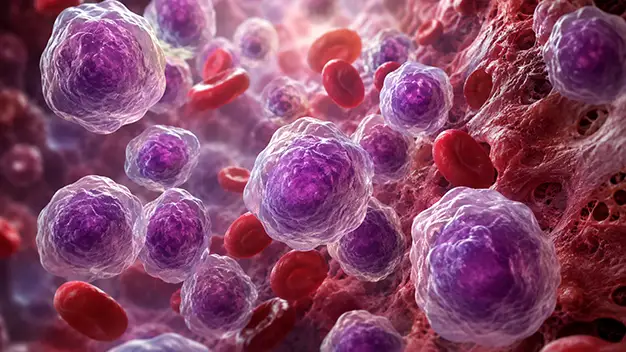
Rapid growth of the abnormal blood cell is known as cancer of the blood or leukemia. Most body blood is made in the bone marrow and this uncontrolled growth of the abnormal cell occurs in the bone marrow. Leukemia word is derived from Leukos i.e., white and Haima means blood. The cells that are involved in leukemia are immature white blood cells. Leukemia is the 10th most common cancer in the US. Leukemia accounts for 3.2 % of the new cases of cancer throughout the world.
How Does Leukemia Develop in the Body?
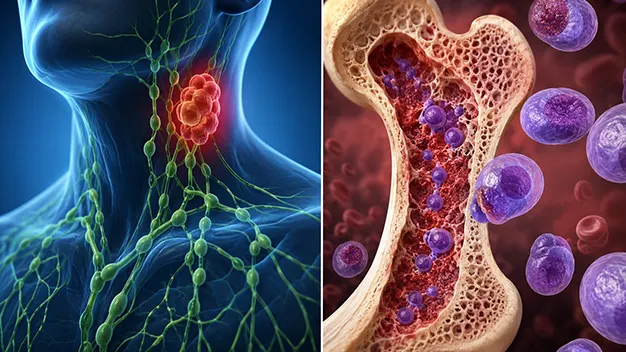
- In the inner cavity of the bone, there is a soft spongy tissue where the body’s blood cells are made. Before reaching the fully mature form all the blood cells go through different stages.
- Hematopoietic stem cells are the first stage of blood cells. These stem cells either develop into lymphoid cells or myeloid cells. The lymphoid cells that develop from these stem cells form certain white blood cells that are natural killer cells. The myeloid cells develop into platelets, red blood cells, and certain white blood cells.
- In the case of leukemia during the formation of myeloid and lymphoid cells from the stem cell, the multiplication of the cells becomes uncontrollable which takes the space inside the bone marrow and results in leukemia.

Dr. Sahil Gupta utilizes carefully formulated Ayurvedic herbal combinations, selected based on classical principles and clinical experience, to support patients in the management of Leukemia.
This approach aims to improve overall quality of life, support metabolic balance, and complement Ayurvedic medical care where appropriate.
– Dr. Sahil Gupta (B.A.M.S., M.H.A.)
Renowned Ayurvedic Practitioner
CEO & Founder of IAFA®
Symptoms of Leukemia
The symptoms of leukemia depend on which part of the body is involved in leukemia. Noticeable symptoms of leukemia are seen in the case of chronic leukemia. The symptoms are as follows:
- Frequent infection
- Shortness of breath
- Joint pain
- Unexplained weight loss
- Easy nose bleeding
- Easy gum bleeding
- Swollen lymph nodes
- Pain under the left side of ribs
People Who are at High Risk of Having Leukemia
- Smoking
- Genetic disorders like Down syndrome, Klinefelter syndrome, etc.
- Exposure to benzene and formaldehyde in the industrial area
- Previous chemotherapy
- Family history of leukemia



Committed to Holistic Healing through Alternative Medicine Since 2008
At Last, Easier Leukemia Management

Trusted by
More than 90,000 Patients

Convenient
at-Home Treatments

9.2 / 10
Customer Satisfaction Score
Types of Leukemia
1. ALL (Acute Lymphocytic Leukemia)
This type of leukemia is known as acute because the progression of the cancer occurs very rapidly. This leukemia is also known as acute lymphoblastic leukemia. This is the most common type of leukemia in children, teenagers, and adults.
Symptoms of Acute Lymphocytic Leukemia:
- Fever
- Shortness of breath
- Frequent infection
- Pale skin
- Decrease in energy
- Swollen lymph nodes that result in lumps formation around the abdomen, groin, armpit, neck
- Severe nose bleeding
- Bleeding from the gums
2. CLL (Chronic Lymphocytic Leukemia)
Chronic lymphocytic leukemia mainly affects older adults. This type of leukemia progresses more slowly compared to other types of leukemia. It is also a common type of leukemia and the symptoms do not occur in this leukemia for several years.
Symptoms of Chronic Lymphocytic Leukemia:
- Fever
- Fatigue
- Night sweats
- Weight loss
- Enlarged lymph nodes that are painless.
- Frequent infection
- Enlarged spleen results in pain in the upper left portion of the abdomen.
3. AML (Acute Myelogenous Leukemia)
This AML is more common in adults and this type of leukemia has rapid progression. In this type of leukemia, myeloid cells are involved, that’s why it is also known as acute myeloid cells. AML is greatly linked with smoking as cigarettes contain benzene and cancer-causing chemicals.
Symptoms of Acute Myelogenous Leukemia:
- Lethargy
- Pale skin
- Shortness of breath
- Unusual bleeding like nose bleeding, gum bleeding, etc
- Fever
- Frequent infection
- Easy bruising
- Fatigue
4. CML (Chronic Myelogenous Leukemia)
This type of leukemia rarely occurs in children but is common in people over 65 years.
Cause of CML: As we all know human beings have 23 pairs of chromosomes. When there is a blood cell swap in chromosome 9 and chromosome 22, it results in extra short chromosome 22 and extra-long chromosome 9. Along with this when chromosome 9 combines with chromosome 22 it results in new gene formation that is BCR- ABL gene. This gene BCR- ABL gives a signal to form more protein named tyrosine kinase. This tyrosine kinase results in uncontrolled growth of the cells which results in leukemia.
Symptoms of CML: CML does not cause any symptoms, but it is detected through blood tests.
The symptoms of CML are as follows:
- Easy bleeding
- Bone pain
- Loss of weight
- Loss of appetite
- Excessive sweat during sleeping
- Blurry vision
- Fatigue
- Early satiety
Also Read:- Ayurvedic Treatment for Cancer
Types of Leukemia – According to Cell
- Lymphocytic leukemia: The leukemia that develops from lymphoid cells is known as lymphocytic leukemia.
- Myeloid leukemia (myelogenous leukemia): The leukemia that develops from myeloid cells is known as myelogenous / myeloid leukemia.
Types of Leukemia – According to the Speed of Progression of Diseases
- Acute leukemia is the most common leukemia in children.
- Chronic leukemia is the most common leukemia in adults.
Seek Expert Advice
Leukemia can affect both children and adults, with symptoms and progression varying by type. Understanding its causes, warning signs, and classifications helps in early detection and timely treatment. Advances in medical care, targeted therapy, and regular monitoring have improved outcomes for many leukemia patients worldwide.
Take the first step toward better health. Consult Dr. Sahil Gupta and his expert team today and experience the power of Ayurvedic healing in your fight against Sarcoma. Book your appointment now!
Frequently Asked Questions
Q1. What is Leukemia?
Ans. Leukemia is a cancer of the blood and bone marrow in which abnormal white blood cells grow rapidly and interfere with normal blood cell production.
Q2. What are the Main Types of Leukemia?
Ans. The four major types are Acute Lymphocytic Leukemia (ALL), Acute Myelogenous Leukemia (AML), Chronic Lymphocytic Leukemia (CLL), and Chronic Myelogenous Leukemia (CML).
Q3. What are the Early Symptoms of Leukemia?
Ans. Common early symptoms include fatigue, fever, frequent infections, easy bruising, bleeding gums, swollen lymph nodes, and unexplained weight loss.
Q4. Who is at Higher Risk of Developing Leukemia?
Ans. People with a history of smoking, genetic disorders, chemical exposure, previous chemotherapy, or a family history of leukemia may have a higher risk.
Q5. How Does Ayurveda Help in Managing Leukemia?
Ans. Ayurveda may help manage leukemia by supporting immunity, improving strength, reducing fatigue, and enhancing overall wellness through herbs, diet, and lifestyle changes. It should be used only as supportive care alongside medical treatment under expert guidance.


Was this Page Helpful?
IAFA’s Root-Cause Management for Leukemia is Just 3 Steps Away!

01. Connect With Us
Share Your History of Illness or Book Your Appointment.

02. Consult With Us
Dr. Gupta A Certified Ayurvedic Practitioner.

03. Root Cause Management
Get An Accurate Diagnosis, Medicine, Diet & Lifestyle Guidance.
Real Case Studies – Successfully Treated Patients
Real Case Studies of Successfully Treated Patients from All Around the World by IAFA Ayurveda®
-

32-Year-Old Female Patient Recovered from Chronic Urticaria and Leaky Gut Syndrome – A Case Study
This case study highlights the successful Ayurvedic treatment of chronic urticaria associated…
-
5-Year-Old Shih Apso Dog Recovered from Canine Peripheral Neuropathy – A Case Study
This case study presents a 5-year-old Shih Tzu-Lhasa Apso crossbreed dog (pet)…
-
9 Year Old Female Patient Recovered from Chronic Allergic Bronchitis – A Case Study
This case study presents a 9-year-old female patient who has successfully recovered…
-
12-Year-Old Child Recovered from Solar Urticaria (Chronic Sun-Sensitivity) – A Sun Allergy Case Study
This is a case study of a 12-year-old child who has successfully…




Read More Articles
-

Spinal Cord and Brain Cancer
Learn about spinal cord and brain cancer, including common tumor types, symptoms,…
-
-