Ayurvedic Treatment for Metabolic Dysfunction-Associated Steatotic Liver Disease (MASLD)
Learn about Metabolic Dysfunction-Associated Steatotic Liver Disease (MASLD), including its symptoms, causes, diagnosis, diet, and Ayurvedic treatment, along with evidence-based lifestyle recommendations and holistic care.
On This Page


-
 95
95
 95
95
 Share
ShareSummarise this article using AI




Introduction
The liver is one of the body’s most important organs, performing more than 500 essential functions, including metabolism, detoxification, nutrient storage, and immune regulation. However, modern lifestyles characterized by unhealthy diets, physical inactivity, obesity, insulin resistance, and diabetes have led to a rapid increase in fatty liver disease worldwide.
To better reflect the underlying cause of this condition and reduce stigma associated with the term “non-alcoholic,” an international panel of liver experts introduced the term Metabolic Dysfunction-Associated Steatotic Liver Disease (MASLD) in 2023. MASLD is now the preferred medical terminology replacing Non-Alcoholic Fatty Liver Disease (NAFLD).
MASLD affects nearly one in three adults globally, making it one of the most common chronic liver diseases. Although many individuals remain symptom-free during the early stages, untreated MASLD can gradually progress to liver inflammation, fibrosis (scarring), cirrhosis, liver failure, and even liver cancer.
The best thing is that MASLD is often preventable and reversible, particularly when detected early. Lifestyle modifications, healthy nutrition, weight management, physical activity, and effective control of metabolic conditions can significantly improve liver health. Recent research also suggests that certain Ayurvedic herbs and holistic lifestyle approaches may help in better management when used under professional supervision.
MASLD Myths vs Facts: What Every Patient Should Know
Despite being one of the most common chronic liver diseases worldwide, Metabolic Dysfunction-Associated Steatotic Liver Disease (MASLD) is surrounded by myths and misinformation. These misconceptions can delay diagnosis, prevent timely treatment, and increase the risk of disease progression. The table below highlights the most common myths and the scientific facts every patient should know.
| Myth | Scientific Fact |
| MASLD only affects people who drink alcohol. | False. MASLD is primarily caused by metabolic dysfunction—not alcohol. |
| Fatty liver is harmless. | False. Untreated MASLD can progress to MASH, fibrosis, cirrhosis, and liver cancer. |
| Only overweight people develop MASLD. | False. Lean individuals can also develop MASLD due to genetics, visceral fat, or insulin resistance. |
| Normal liver tests mean a healthy liver. | False. Many people with MASLD have normal liver enzyme levels. |
| MASLD always causes symptoms. | False. It is often a silent disease until advanced stages. |
| MASLD cannot be reversed. | False. Early-stage MASLD is often reversible with sustained lifestyle changes. |
| Detox drinks or supplements can cure fatty liver. | False. No detox product has been proven to cure MASLD. |
| All fats should be avoided. | False. Healthy fats such as olive oil, nuts, and fish are beneficial. |
| People with MASLD should avoid all carbohydrates. | False. Whole grains, legumes, fruits, and vegetables are healthy carbohydrate sources. |
| Exercise only helps if you lose weight. | False. Exercise reduces liver fat even without major weight loss. |
| Coffee damages the liver. | False. Moderate unsweetened coffee intake may support liver health. |
| Alcohol is safe because MASLD is not alcohol related. | False. Alcohol can worsen liver injury and accelerate disease progression. |
| Ayurvedic herbs alone can cure MASLD. | False. Some herbs may support liver health, but none have been proven to cure MASLD. |
| Every person with MASLD develops cirrhosis. | False. Early diagnosis and proper management can prevent progression in many patients. |
| Nothing can be done after diagnosis. | False. Healthy eating, exercise, weight management, and metabolic control can significantly improve outcomes. |
What is MASLD?
Metabolic Dysfunction-Associated Steatotic Liver Disease (MASLD) is a chronic liver disease in which excess fat accumulates in liver cells due to metabolic dysfunction rather than significant alcohol consumption. It is strongly associated with obesity, insulin resistance, type 2 diabetes, hypertension, abnormal cholesterol levels, and metabolic syndrome.
Understanding MASLD
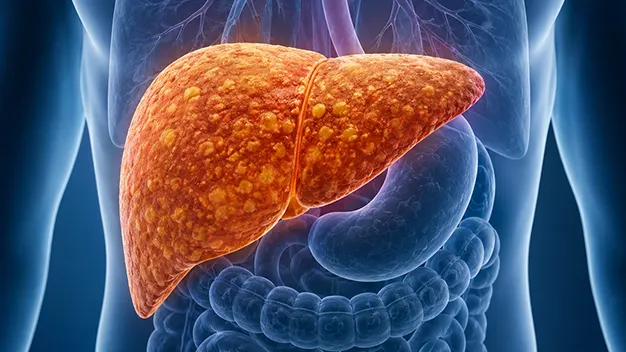
A healthy liver normally contains only a very small amount of fat. When more than approximately 5% of liver cells contain fat, it is considered hepatic steatosis (fatty liver). In MASLD, this fat accumulation develops because the body’s metabolism becomes impaired. Instead of efficiently processing fats and sugars, excess fatty acids accumulate within liver cells.
Initially, fat accumulation may not cause noticeable symptoms. However, persistent fat deposition can trigger:
- Chronic inflammation
- Oxidative stress
- Cellular injury
- Scar tissue formation (fibrosis)
- Progressive liver dysfunction
Without timely intervention, MASLD may advance to Metabolic Dysfunction-Associated Steatohepatitis (MASH), a more severe condition characterized by inflammation and liver cell damage.
How Common is MASLD?
| Population | Estimated Prevalence |
| Global adults | 30–38% |
| People with obesity | 70–90% |
| Type 2 diabetes | 55–75% |
| Metabolic syndrome | >70% |
The prevalence continues to rise worldwide due to increasing rates of obesity, diabetes, sedentary lifestyles, and unhealthy dietary habits.
Why is Knowing MASLD Important?
Many individuals feel completely healthy despite having significant liver fat.
This makes MASLD a “silent disease.”
If left untreated, it can increase the risk of:
- Liver fibrosis
- Cirrhosis
- Liver failure
- Hepatocellular carcinoma
- Cardiovascular disease
- Chronic kidney disease
Interestingly, cardiovascular disease remains the leading cause of death among people with MASLD rather than liver disease itself.
Why Was NAFLD Renamed to MASLD?
The name changed because “Non-Alcoholic Fatty Liver Disease (NAFLD)” defined the condition by what it was not rather than by what actually causes it. The new term MASLD better reflects that metabolic dysfunction is the primary driver of the disease.
Comparison Between NAFLD and MASLD
| Feature | NAFLD | MASLD |
| Full form | Non-Alcoholic Fatty Liver Disease | Metabolic Dysfunction-Associated Steatotic Liver Disease |
| Focus | Alcohol exclusion | Metabolic dysfunction |
| Diagnostic approach | Exclusion diagnosis | Positive diagnostic criteria |
| Better reflects disease biology | No | Yes |
| Current preferred terminology | No | Yes |
What Causes MASLD?
MASLD develops when excess fat accumulates in the liver due to metabolic dysfunction. The main causes include insulin resistance, obesity, type 2 diabetes, poor diet, physical inactivity, and genetic susceptibility.
Main Causes
Insulin resistance
Insulin resistance is considered the central mechanism behind MASLD. Normally, insulin helps move glucose into cells for energy. When cells become resistant, the body produces more insulin, leading to increased fat production in the liver.
Obesity
Excess body fat, particularly abdominal fat, releases inflammatory substances and free fatty acids that promote fat accumulation in liver cells.
Type 2 Diabetes
High blood glucose levels increase liver fat synthesis while reducing fat breakdown.
Poor diet
Frequent consumption of:
- Sugary beverages
- Ultra-processed foods
- Refined carbohydrates
- Excess saturated fats
Significantly increases the risk of MASLD.
Physical inactivity
Sedentary lifestyles reduce fat oxidation and worsen insulin resistance.
Genetics
Certain genetic variants (such as PNPLA3 and TM6SF2) increase susceptibility even in individuals with a normal body weight.
Who is at Risk of Developing MASLD?
Anyone can develop MASLD, but it is most common in individuals with obesity, diabetes, metabolic syndrome, high cholesterol, hypertension, or a family history of fatty liver disease.
High-Risk Groups
People with:
- Obesity
- Central obesity
- Type 2 diabetes
- Prediabetes
- High triglycerides
- Low HDL cholesterol
- High blood pressure
- PCOS
- Sleep apnea
- Hypothyroidism
- Family history
- Older age
Can Young Adults Develop MASLD?
Yes, due to rising childhood obesity and unhealthy diets, MASLD is increasingly diagnosed in adolescents and young adults.
What are the Early Symptoms of MASLD?
Most people with MASLD have no symptoms in the early stages. When symptoms occur, they are often mild and nonspecific, making the disease difficult to detect without medical evaluation.
Common Symptoms
- Persistent fatigue
- Feeling low energy
- Mild discomfort or heaviness in the upper right abdomen
- Bloating
- Difficulty concentrating, i.e., brain fog
- General weakness
Because these symptoms are common to many conditions, MASLD is frequently discovered incidentally during routine blood tests or abdominal ultrasound.
Why are there Often No Symptoms in People Suffering from MASLD?
The liver has a remarkable ability to function even when a significant amount of fat has accumulated. Unlike some organs, it has few pain-sensitive nerves within the liver tissue itself. As a result, liver fat can increase gradually without causing obvious warning signs. Symptoms often appear only when inflammation, fibrosis, or advanced liver damage develops.
Symptoms by Disease Stage
| Disease Stage | Common Symptoms |
| Early MASLD | Usually none |
| Moderate MASLD | Fatigue, abdominal discomfort, bloating |
| MASH | Persistent fatigue, right upper abdominal pain, elevated liver enzymes |
| Advanced Fibrosis/Cirrhosis | Jaundice, abdominal swelling (ascites), leg swelling, easy bruising, confusion, gastrointestinal bleeding |
Clinical Note: Fatigue is one of the most commonly reported symptoms in people with MASLD, although its severity does not always correlate with the amount of liver fat.

Have A Health Issue?
Consult Online
- Dr. Sahil Gupta (B.A.M.S., M.H.A.)
Ayurvedic Allergy Specialist
CEO & Founder of IAFA®
At last, Easier MASLD Management

Trusted by
More than 90,000 Patients

Convenient
at-Home Treatments

9.2 / 10
Customer Satisfaction Score
Can MASLD Occur in People Who are Not Overweight?
Yes, although obesity is a major risk factor, lean MASLD can occur in people with a normal body weight. These individuals may still have metabolic abnormalities, increased visceral (abdominal) fat, insulin resistance, or genetic factors that contribute to fat accumulation in the liver.
What is Lean MASLD?
Lean MASLD refers to fatty liver disease in individuals whose body mass index (BMI) falls within the normal range but who still meet the criteria for metabolic dysfunction.
This condition is particularly common in many Asian populations, where people may develop excess visceral fat despite having a relatively low BMI.
Lean MASLD vs Obesity-Related MASLD
| Feature | Lean MASLD | Obesity-Related MASLD |
| Body Weight | Normal | Overweight/Obese |
| Visceral Fat | Often increased | Increased |
| Insulin Resistance | Common | Very common |
| Genetics | Strong influence | Moderate influence |
| Disease Progression | Possible | Possible |
Clinical Insight
Being “thin” does not necessarily mean the liver is healthy. A normal BMI cannot rule out MASLD, especially in individuals with diabetes, abnormal cholesterol levels, or a strong family history of metabolic disease.
How is MASLD Diagnosed?
MASLD is diagnosed by demonstrating excess fat in the liver along with evidence of metabolic dysfunction, while also evaluating for other potential causes of liver disease. Diagnosis typically involves a combination of medical history, physical examination, blood tests, imaging studies, and, in selected cases, liver biopsy.
Diagnostic Pathway
| Step | Investigation | Purpose |
| 1 | Medical history | Assess metabolic risk factors |
| 2 | Physical examination | Identify clinical features |
| 3 | Blood tests | Evaluate liver function and metabolic health |
| 4 | Ultrasound/FibroScan | Detect liver fat and fibrosis |
| 5 | Fibrosis scoring | Estimate disease severity |
| 6 | Liver biopsy (selected patients) | Confirm diagnosis and stage disease |
Clinical insight
A person can have normal liver enzyme levels and still have MASLD. Therefore, normal blood tests do not completely exclude fatty liver disease.
Can Liver Enzymes be Normal in MASLD?
Yes, many people with MASLD have normal ALT and AST levels, especially during the early stages. Conversely, mildly elevated liver enzymes do not necessarily indicate severe disease. This is why imaging studies and fibrosis assessment are important components of evaluation.
Can an Ultrasound Detect MASLD?
Yes. Abdominal ultrasound is the most commonly used first-line imaging test to detect MASLD (Metabolic Dysfunction-Associated Steatotic Liver Disease). It can identify moderate to severe fat accumulation in the liver, but it may miss mild fatty liver and cannot accurately determine the degree of liver fibrosis or inflammation.
Clinical insight
Normal ultrasound does not completely rule out early MASLD, especially in individuals with obesity, diabetes, or metabolic syndrome. If clinical suspicion remains high, your healthcare provider may recommend additional testing.
What is the Difference Between MASLD and MASH?
MASLD refers to the presence of excess fat in the liver associated with metabolic dysfunction. MASH (Metabolic Dysfunction-Associated Steatohepatitis) is a more severe form of MASLD in which fat accumulation is accompanied by liver inflammation, liver cell injury, and progressive fibrosis.
MASLD vs MASH
| Feature | MASLD | MASH |
| Fat accumulation | ✔ | ✔ |
| Inflammation | ✘ | ✔ |
| Liver cell injury | ✘ | ✔ |
| Fibrosis risk | Mild | High |
| Cirrhosis risk | Lower | Significantly higher |
| Liver cancer risk | Lower | Increased |
Can MASLD be Reversed?
Yes, MASLD is often reversible, particularly during the early stages before significant fibrosis develops. Lifestyle modification remains the main part of treatment, and even modest weight loss can substantially reduce liver fat and improve liver function.
Can the Liver Heal Itself?
The liver has a remarkable capacity to regenerate. When the underlying metabolic abnormalities are corrected, liver fat decreases, inflammation improves, and liver cells begin to recover. The earlier treatment begins, the greater the chance of complete recovery.
How Much Weight Loss is Needed?
Clinical studies have shown that different degrees of weight loss produce different liver benefits.
| Weight Loss | Expected Benefit |
| 3–5% | Reduction in liver fat |
| 5–7% | Improvement in liver inflammation |
| 7–10% | Resolution of MASH in many patients |
| ≥10% | Possible improvement in fibrosis |
Lifestyle Changes that Reverse MASLD
Healthy weight reduction: Gradual weight loss is more beneficial than rapid weight loss.
Aim for approximately:
0.5–1 kg per week
Crash dieting should be avoided because rapid weight loss may temporarily worsen liver inflammation.
Regular Physical Activity
Experts recommend:
- At least 150 minutes of moderate-intensity exercise per week
- Resistance (strength) training 2–3 times weekly
Exercise reduces liver fat even when body weight changes only minimally.
Healthy Nutrition
The strongest evidence supports:
- Mediterranean-style diet
- Whole grains
- Fresh vegetables
- Fruits
- Legumes
- Nuts
- Olive oil
- Fish
- Lean protein
Limiting added sugar and refined carbohydrates is particularly important.
Control Metabolic Diseases
Successful management of:
- Diabetes
- High cholesterol
- High blood pressure
- Obesity greatly improves long-term liver outcomes.
Clinical Pearl
The greatest health benefit often comes not only from reducing liver fat but also from lowering the risk of heart disease, which remains the leading cause of death in people with MASLD.
What is the Best Treatment for MASLD?
There is no single cure for MASLD. The most effective treatment is a comprehensive approach that targets the underlying metabolic dysfunction through lifestyle modification, weight management, dietary changes, regular physical activity, and optimal control of associated conditions such as diabetes, hypertension, and dyslipidemia.
Treatment Goals
The primary objectives are to:
- Reduce liver fat
- Preventing inflammation
- Reverse fibrosis where possible
- Lower cardiovascular risk
- Improve Metabolic Health
- Preventing progression to cirrhosis
Are Medications Available for MASLD?
Currently, there is no universal medication recommended for every patient with MASLD. Drug therapy may be considered in selected individuals, particularly those with MASH or significant fibrosis, after careful evaluation by a hepatologist or gastroenterologist.
Treatment decisions depend on:
- Disease severity
- Diabetes status
- Fibrosis stage
- Cardiovascular risk
- Other medical conditions
Should Everyone Take Liver Supplements?
No, many products marketed as “liver detox” supplements have limited scientific evidence and may not provide meaningful benefit. Some over-the-counter supplements can even cause liver injury if taken inappropriately.
Always consult a qualified healthcare professional before starting supplements, especially if you already have liver disease.
Clinical insight
Because cardiovascular disease is the leading cause of death in people with MASLD, treatment should focus on improving overall metabolic health—not just the liver.
Can Ayurveda Help in MASLD (Fatty Liver Disease)?
Ayurveda plays a supportive role in the management of Metabolic Dysfunction-Associated Steatotic Liver Disease (MASLD) when combined with evidence-based lifestyle modifications and conventional medical care. While Ayurveda does not describe MASLD by this modern name, the condition can be understood through disturbances involving Yakrit (liver), Meda Dhatu (fat tissue), Agni (digestive and metabolic fire), Ama (metabolic toxins), and Strotas (body channels).
Lifestyle correction, dietary regulation, weight management, and selected Ayurvedic herbs may help improve metabolic health and support liver function.
Does Ayurveda Mention Fatty Liver?
The term “Fatty Liver” does not appear in classical Ayurvedic texts because it is a modern medical diagnosis. However, in Ayurveda, MASLD can be correlated with the pathological processes involved:
- Yakrit Vikara (liver disorders)
- Meda Dushti (abnormal fat metabolism)
- Agnimandya (reduced digestive and metabolic efficiency)
- Ama accumulation
- Srotorodha (obstruction of body channels)
- Kapha-Meda predominance
- Associated Pitta imbalance in progressive stages
Rather than treating only the liver, Ayurveda focuses on correcting the underlying metabolic imbalance affecting the entire body.
Ayurvedic Understanding of MASLD
Agnimandya (Impaired Metabolism)
According to Ayurveda, healthy metabolism depends on efficient Agni.
When Agni becomes weak:
- Food is incompletely processed.
- Metabolic efficiency declines.
- Excess nutrients accumulate.
- Fat metabolism becomes impaired.
This metabolic disturbance contributes to abnormal fat deposition.
Formation of Ama
Poor digestion may lead to the formation of Ama, described as improperly processed metabolic by-products.
Ama is believed to:
- Disturb normal tissue metabolism
- Obstruct physiological channels
- Promote chronic disease progression
Although Ama does not have a direct modern biomedical equivalent, it is often compared conceptually with metabolic dysfunction and chronic low-grade inflammation.
Meda Dhatu Dushti
Meda Dhatu represents the body’s adipose tissue and lipid metabolism.
When Meda becomes excessive or dysfunctional:
- Excess fat accumulates
- Obesity develops
- Insulin resistance increases
- Liver fat deposition becomes more likely
Srotorodha (Channel Obstruction)
Ayurveda describes numerous transport channels (Srotas) responsible for nutrient distribution.
Accumulation of Ama and aggravated Kapha may obstruct these channels, impairing tissue nourishment and metabolism.
Yakrit (Liver)
- Ayurveda considers Yakrit an important organ involved in:
- Ranjaka Pitta
- Blood formation
- Metabolism
- Detoxification
Proper Yakrit function depends on balanced Agni and healthy Dosha equilibrium.
Possible Ayurvedic Correlation of MASLD
| Modern | Ayurveda |
| Fat accumulation | Meda Dushti |
| Insulin resistance | Agnimandya |
| Chronic inflammation | Ama, Pitta aggravation |
| Obesity | Kapha-Meda Vriddhi |
| Fibrosis | Chronic Dhatu Dushti |
| Metabolic syndrome | Santarpanottha Vikara |
How Ayurveda Helps in Ayurvedic Treatment of MASLD?
Ayurvedic Principles of Management – Rather than targeting liver fat alone, Ayurveda emphasizes restoring systemic balance. Management generally focuses on:
Improve Agni
- Eat freshly prepared meals
- Avoid overeating
- Maintain regular meal timings
Reduce Ama
This involves:
- Appropriate dietary regulation
- Improving digestion
- Avoiding heavy, oily, and processed foods
Correct Meda Metabolism
Lifestyle recommendations include:
- Regular exercise (Vyayama)
- Weight management
- Avoiding daytime sleep (Divaswapana) in appropriate individuals
- Improving physical activity
Maintain a Healthy Daily Routine
Ayurveda encourages:
- Adequate sleep
- Stress reduction
- Regular physical movement
- Seasonal dietary adjustments
- Mindful eating
Many of these recommendations align closely with current lifestyle advice for MASLD.
Can Ayurveda Reverse MASLD?
Current scientific evidence does not demonstrate that Ayurveda alone can reverse MASLD. However, several Ayurvedic interventions may support:
- Weight reduction
- Improved insulin sensitivity
- Better lipid metabolism
- Reduced oxidative stress
- Improved liver enzyme levels
Can Panchakarma Help in MASLD?
Some Ayurvedic physicians recommend Panchakarma therapies in carefully selected patients. Potential goals include:
- Supporting metabolic balance
- Weight management
- Improving digestive function
Integrative Management: The Best Approach for MASLD
The strongest current approach combines:
| Modern Management | Ayurvedic Support |
| Healthy diet | Pathya Ahara |
| Weight loss | Meda-reducing lifestyle |
| Exercise | Vyayama |
| Diabetes management | Agni support |
| Lipid control | Lifestyle modification |
| Medical follow-up | Appropriate Ayurvedic consultation |
Clinical insight
Ayurveda emphasizes prevention (Nidana Parivarjana), avoiding the underlying causes of disease. Interestingly, this principle closely parallels modern recommendations for MASLD, where long-term lifestyle modification remains the cornerstone of management.
Which Ayurvedic Herbs Can be Used in MASLD?
Several Ayurvedic herbs have shown hepatoprotective, antioxidant, anti-inflammatory, lipid-lowering, or insulin-sensitizing properties in experimental studies and some clinical trials.
Evidence-Based Ayurvedic Herbs
| Herb | Botanical Name | Ayurvedic Karma (Actions) | Recent research |
| Bhumi Amalaki | Phyllanthus niruri | Yakrit Uttejaka, Pittahara | Hepatoprotective, antioxidant |
| Sharpunkha | Tephrosia purpurea | Deepana, Pachana, Aam Nashaka, Yakrit Uttejaka, Pitta Rechaka | Antioxidant, anti-inflammatory, liver stimulant |
| Guduchi | Tinospora cordifolia | Rasayana, Tridosha Shamaka | Anti-inflammatory, antioxidant, immunomodulatory |
| Kalmegh | Andrographis paniculata | Tikta, Pittahara | Hepatoprotective, antioxidant |
| Kutki | Picrorhiza kurroa | Pittahara, Yakritottejaka | Hepatoprotective, lipid-lowering |
| Punarnava | Boerhavia diffusa | Shothahara, Mutrala | Anti-inflammatory, antioxidant |
| Bhringraj | Eclipta alba | Rasayana | Hepatoprotective |
| Turmeric | Curcuma longa | Kaphahara, Varnya | Anti-inflammatory, antioxidant |
| Triphala | Classical 3-fruit combination formulation | Rasayana | Antioxidant, supports metabolic health |
How Do These Herbs Work in MASLD?
Researchers suggest that these herbs may help by:
- Protecting liver cells from injury
- Reducing oxidative stress
- Improving antioxidant defense
- Modulating inflammatory pathways
- Supporting lipid metabolism
- Improving insulin sensitivity
Which Diet is Best for MASLD?
The Mediterranean diet is widely regarded as the best dietary pattern for people with Metabolic Dysfunction-Associated Steatotic Liver Disease (MASLD). Rich in vegetables, fruits, whole grains, legumes, nuts, olive oil, fish, and lean proteins, it helps reduce liver fat, improve insulin sensitivity, lower inflammation, and support long-term liver health.
No single “superfood” can cure MASLD. Instead, a balanced dietary pattern combined with regular physical activity and healthy weight management offers the greatest benefit.
Why is Diet So Important in MASLD?
The liver plays a central role in processing carbohydrates, fats, and proteins. Diets high in added sugars, refined carbohydrates, saturated fats, and ultra-processed foods increase fat production within the liver and worsen insulin resistance.
A nutrient-rich diet can:
- Reduce liver fat (hepatic steatosis)
- Improve insulin sensitivity
- Lower inflammation
- Promote healthy weight loss
- Improve blood cholesterol and triglycerides
- Reduce the risk of disease progression
For many individuals with early MASLD, dietary modification alone can produce significant improvements.
The Mediterranean Diet: The Gold Standard
The Mediterranean diet is supported by strong clinical evidence and is recommended by several international liver societies for people with MASLD.
It includes:
- Fresh vegetables
- Seasonal fruits
- Whole grains
- Legumes (beans, lentils, chickpeas)
- Nuts and seeds
- Olive oil as the primary cooking fat
- Fish (especially oily fish)
- Lean poultry
- Moderate dairy intake
- Limited red meat
- Minimal processed foods and added sugars
Benefits
| Benefit | How it helps |
| Reduces liver fat | Improves fat metabolism |
| Improves insulin sensitivity | Lowers fat accumulation |
| Rich in antioxidants | Reduces oxidative stress |
| Anti-inflammatory | Protects liver cells |
| Supports heart health | Reduces cardiovascular risk |
Is Coffee Good for MASLD?
Interestingly, moderate coffee consumption has been associated with improved liver health in several observational studies.
Drinking 2–3 cups of unsweetened coffee daily may be associated with:
- Lower liver enzyme levels
- Reduced liver fibrosis
- Better overall liver health
However, avoid excessive sugar, flavored syrup, and high-fat creamers.
Clinical Note: Coffee should not be viewed as a treatment but may be part of an overall healthy lifestyle.
Is Intermittent Fasting Helpful in MASLD?
Some studies suggest intermittent fasting may help reduce liver fat by promoting weight loss and improving insulin sensitivity. However, its benefits appear to result primarily from calorie reduction rather than fasting itself. Intermittent fasting is not essential for everyone and should be individualized, especially for people with diabetes or those taking glucose-lowering medications.
Practical Tips for Good Recovery in MASLD
- Fill half your plate with vegetables.
- Choose whole fruit instead of fruit juices.
- Replace sugary beverages with water.
- Use olive oil instead of butter when appropriate.
- Eat slowly and avoid overeating.
- Plan meals to reduce reliance on processed foods.
- Combine healthy eating with regular physical activity for the best results.
Clinical Pearl
No single diet works for everyone. The best dietary pattern is one that is individualized, nutritionally balanced, sustainable, culturally appropriate, and can be maintained over the long term.

What Foods Should You Eat if You Have MASLD?
A liver-friendly diet emphasizes whole, minimally processed foods while limiting foods high in added sugars, refined carbohydrates, unhealthy fats, and excess calories. Consistently making healthier food choices can reduce liver fat, improve metabolic health, and lower the risk of disease progression.
Best Foods for MASLD
Vegetables: Vegetables are rich in fiber, antioxidants, vitamins, and phytochemicals that support metabolic and liver health.
Recommended choices:
- Spinach
- Broccoli
- Cauliflower
- Cabbage
- Carrots
- Bell peppers
- Tomatoes
- Okra
- Bottle gourd (Lauki)
- Bitter gourd (Karela)
Fruits
Whole fruits are preferable to fruit juices because they contain fiber, which slows sugar absorption.
Best options:
- Apples
- Guava
- Berries
- Oranges
- Papaya
- Kiwi
- Pears
- Pomegranate
Whole Grains
Choose grains that provide fiber and a lower glycemic response.
Good options include:
- Oats
- Brown rice
- Barley
- Millets
- Whole wheat
- Quinoa
Lean Protein
Adequate protein supports muscle mass and satiety.
Recommended sources:
- Lentils
- Chickpeas
- Kidney beans
- Soy products
- Eggs
- Fish
- Skinless chicken
- Low-fat dairy
Healthy Fats
Prefer unsaturated fats over saturated and trans fats.
Healthy choices:
- Olive oil
- Almonds
- Walnuts
- Pistachios
- Flaxseed
- Chia seeds
- Avocado
What Foods Should You Avoid or Limit if You Have MASLD?
| Food Category | Examples | Why avoid or limit |
| Sugar-sweetened beverages | Soft drinks, energy drinks | Increase liver fat production |
| Refined carbohydrates | White bread, pastries, cakes | Rapidly raise blood sugar |
| Ultra-processed foods | Chips, instant noodles, packaged snacks | High in salt, unhealthy fats, and additives |
| Fried foods | French fries, fried chicken | High in calories and saturated fats |
| Processed meats | Sausages, bacon, salami | Linked to metabolic disease |
| Sweets | Candies, desserts, sweetened cereals | Excess added sugars |
| Excess alcohol | Beer, wine, spirits | Can worsen liver injury |
Sample One-Day Meal Plan
| Meal | Example |
| Breakfast | Oatmeal with berries and unsweetened yogurt |
| Mid-morning | Apple with a handful of almonds |
| Lunch | Brown rice, dal, mixed vegetables, salad |
| Evening Snack | Green tea and roasted chickpeas |
| Dinner | Grilled fish or tofu with sautéed vegetables |
| After Dinner | Plain water or herbal tea (unsweetened) |
Is Sugar Consumption Stopped in MASLD Cases?
No. The goal is to minimize added sugars, not necessarily eliminate all naturally occurring sugars found in whole fruits and dairy. Focus on moderation and overall dietary quality.
Is Exercise Necessary for MASLD?
Yes, regular physical activity is one of the most effective treatments for MASLD. Exercise helps reduce liver fat, improves insulin sensitivity, promotes healthy weight loss, lowers inflammation, and reduces the risk of disease progression. Importantly, even without significant weight loss, exercise can improve liver health.
In MASLD, excess fat accumulates in the liver because of impaired metabolism and insulin resistance. Exercise helps reverse these changes by:
- Increasing fat burning
- Improving insulin sensitivity
- Reducing liver fat
- Lowering inflammation
- Improving blood sugar control
- Reducing triglyceride levels
- Supporting heart health
Since cardiovascular disease is the leading cause of death in people with MASLD, regular exercise benefits both the liver and the heart.
Most international liver and metabolic health guidelines recommend:
- At least 150–300 minutes of moderate-intensity aerobic exercise per week, or
- 75–150 minutes of vigorous-intensity exercise per week
In addition, perform muscle-strengthening exercises at least two days each week.
Best Types of Exercise
| Exercise | Benefits for MASLD |
| Brisk walking | Excellent for beginners; improves insulin sensitivity |
| Cycling | Improves cardiovascular fitness and burns calories |
| Swimming | Low-impact exercise suitable for overweight individuals |
| Jogging | Helps reduce body fat and improve endurance |
| Resistance training | Preserves muscle mass and improves glucose metabolism |
| Yoga | Enhances flexibility, reduces stress, and supports healthy lifestyle habits |
Recommended Yoga for MASLD
Regular yoga may help improve flexibility, reduce stress, support weight management, and enhance overall metabolic health. When combined with a balanced diet and regular physical activity, yoga can be a beneficial component of a healthy lifestyle for people with MASLD.
Best Yoga Asanas for MASLD
| Yoga Asana | Benefits |
| Bhujangasana (Cobra Pose) | Stretches the abdomen and may support abdominal organ function. |
| Dhanurasana (Bow Pose) | Engages the abdominal muscles and improves flexibility. |
| Ardha Matsyendrasana (Half Spinal Twist) | Promotes spinal mobility and gently compresses the abdominal region. |
| Naukasana (Boat Pose) | Strengthens the core and supports weight management. |
| Pavanamuktasana (Wind-Relieving Pose) | May improve digestion and reduce bloating. |
| Setu Bandhasana (Bridge Pose) | Strengthens the back and core muscles while improving posture. |
| Vakrasana (Twisting Pose) | Supports spinal flexibility and abdominal muscle engagement. |
| Surya Namaskar (Sun Salutation) | A full-body sequence that improves strength, flexibility, and calorie expenditure. |
Recommended Pranayama
| Pranayama | Potential Benefits |
| Anulom Vilom | Promotes relaxation and supports overall well-being. |
| Bhramari | May help reduce stress and improve mental calmness. |
| Deep Diaphragmatic Breathing | Encourages relaxation and mindful breathing. |
| Kapalabhati | Traditionally used in yoga for cleansing practices, it should be performed only under qualified guidance and is not suitable for everyone (e.g., pregnancy, uncontrolled hypertension, hernia, or certain heart conditions). |
How Often Should You Practice?
- 20–30 minutes of yoga most days of the week.
- Combine yoga with at least 150 minutes of moderate aerobic exercise per week and strength training twice weekly for optimal metabolic and liver health.
Clinical Insight
Current research suggests that yoga may improve body weight, waist circumference, insulin sensitivity, stress levels, and quality of life. However, yoga alone has not been proven to reverse MASLD. The best outcomes are achieved when yoga is combined with healthy eating, regular exercise, weight management, and appropriate medical care.
Safety Tip: If you have advanced liver disease, severe obesity, recent abdominal surgery, uncontrolled hypertension, or other significant health conditions, consult your healthcare provider or a qualified yoga instructor before starting a new yoga program.
Can MASLD Increase the Risk of Liver Cancer?
Yes, individuals with advanced MASLD, particularly those who develop MASH and cirrhosis, have an increased risk of hepatocellular carcinoma (HCC), the most common type of primary liver cancer. However, the absolute risk remains relatively low in people with uncomplicated early MASLD.
Is MASLD Dangerous?
Yes, but not everyone with MASLD will develop serious liver disease. Many individuals have mild diseases that remain stable for years, particularly when metabolic risk factors are effectively managed. However, untreated MASLD can lead to progressive liver damage and is also associated with an increased risk of cardiovascular disease, chronic kidney disease, and type 2 diabetes.
Does Everyone Develop Complications after MASLD?
No, many people with MASLD never experience advanced liver disease, especially if they:
- Maintain a healthy weight
- Follow a balanced diet
- Exercise regularly
- Diabetes and cholesterol
- Avoid smoking
- Attend regular medical follow-up
Can People Live a Normal Life with MASLD?
Yes, many individuals with early MASLD live long, healthy lives by adopting sustainable lifestyle changes and managing associated metabolic conditions. Regular monitoring helps identify those at higher risk of progression and allows timely intervention.
How Long Does it Take to Reverse MASLD?
The time required to improve or reverse MASLD (Metabolic Dysfunction-Associated Steatotic Liver Disease) varies depending on the severity of the disease, body weight, metabolic health, and adherence to lifestyle changes. Many people experience a reduction in liver fat within 3–6 months of adopting healthier eating habits, regular physical activity, and achieving gradual weight loss. However, improvement in liver inflammation or fibrosis may take longer.
Expected Timeline
| Disease stage | Approximate improvement time |
| Liver fat (Steatosis) | 3–6 months |
| Elevated liver enzymes | 2–6 months |
| MASH | 6–12 months or longer |
| Mild fibrosis | May improve over 1–3 years |
| Advanced fibrosis | Improvement may occur, but it is slower |
| Cirrhosis | Usually irreversible, although progression can often be slowed |
Factors that Influence Recovery
Recovery is generally faster in people who:
- Lose 7–10% of their body weight gradually.
- Exercise regularly.
- Follow a balanced, calorie-appropriate diet.
- Maintain good blood sugar control.
- Control blood pressure and cholesterol.
- Avoid smoking and excessive alcohol.
Can MASLD Return After Recovery?
Yes, even after liver fat improves, MASLD can recur if healthy habits are abandoned. Weight regain, physical inactivity, and poor dietary patterns may lead to the re-accumulation of liver fat.
Clinical insight
MASLD should be viewed as a long-term metabolic condition, not a short-term illness. Sustainable lifestyle changes are far more effective than temporary diets.
Can Children Develop MASLD?
Yes, MASLD is increasingly diagnosed in children and adolescents, particularly those with obesity, insulin resistance, or type 2 diabetes. Rising childhood obesity has made pediatric fatty liver disease an important global health concern.
Why is MASLD Increasing in Children?
Several lifestyle factors contribute to the growing prevalence of MASLD in young people.
These include:
- Increased consumption of sugary drinks
- Fast food and ultra-processed foods
- Sedentary behavior
- Excess screen time
- Reduced outdoor activity
- Childhood obesity
- Family history of metabolic disease
Symptoms in Children
Many children have no symptoms.
When present, symptoms may include:
- Fatigue
- Mild abdominal discomfort
- Enlarged liver
- Elevated liver enzymes detected during routine blood tests
Risk Factors
| Risk Factor | Risk of having MASLD |
| Childhood obesity | Very High |
| Type 2 diabetes | Very High |
| Family history | High |
| Sedentary lifestyle | High |
| Excess sugary beverages | High |
Prevention
Parents can help reduce risk by encouraging:
- Daily physical activity
- Home-cooked meals
- Fruits and vegetables
- Limited sugary beverages
- Healthy sleep habits
- Reduced screen time
Can Alcohol Worsen MASLD?
Yes, although MASLD develops due to metabolic dysfunction rather than excessive alcohol consumption, alcohol can still worsen liver injury and increase the risk of progression to fibrosis and cirrhosis.
Why Does Alcohol Matter in MASLD?
Alcohol and metabolic dysfunction can both damage liver cells. Together, they may have additive or even synergistic harmful effects.
Potential consequences include:
- Increased inflammation
- Greater oxidative stress
- Accelerated fibrosis
- Higher risk of cirrhosis
- Increased liver cancer risk
Should People with MASLD Avoid Alcohol?
Current evidence suggests that individuals with MASLD should discuss alcohol intake with their healthcare provider.
People with:
- MASH
- Significant fibrosis
- Cirrhosis
are generally advised to avoid alcohol because even modest intake may worsen liver injury.
Alcohol and Disease Progression
| Alcohol Intake | Possible Effect |
| None | Lowest liver-related risk |
| Occasional | Individualized advice required |
| Regular moderate intake | May worsen disease progression |
| Heavy intake | Strongly associated with liver injury |
Clinical Pearl
Alcohol is not the cause of MASLD, but it can accelerate liver damage in susceptible individuals.
Final Key Takeaways
- MASLD is the new name for fatty liver diseases associated with metabolic dysfunction.
- It is closely linked to obesity, insulin resistance, type 2 diabetes, and metabolic syndrome.
- Early MASLD is often reversible through healthy eating, regular exercise, and gradual weight loss.
- The Mediterranean diet and consistent physical activity have the strongest evidence for improving liver health.
- Fibrosis, not liver fat alone, is the main predictor of long-term complications.
- Cardiovascular disease remains the leading cause of death in people with MASLD.
- Ayurveda may provide supportive care through lifestyle guidance and selected herbs, etc.
- Early diagnosis and regular follow-up greatly improve long-term outcomes.



Committed to Holistic Healing through Alternative Medicine Since 2008
IAFA Clinical Insight: An Integrative Ayurvedic Perspective
At IAFA Ayurveda, the management of MASLD focuses on treating the underlying metabolic imbalance rather than merely reducing fat accumulation in the liver. After a comprehensive clinical evaluation, treatment plans are individualized based on the patient’s Prakriti (constitutional type), Vikriti (current imbalance), Agni (digestive and metabolic capacity), Dosha involvement, metabolic status, and associated health conditions. The integrative approach may include personalized dietary recommendations (Pathya Ahara), lifestyle modification, weight management, exercise, stress management, and carefully selected Ayurvedic interventions when clinically appropriate. The primary goals are to support healthy liver function, improve metabolic health, enhance digestion and metabolism, and reduce the risk of disease progression. Treatment decisions are always individualized and should be guided by a qualified Ayurvedic physician in conjunction with appropriate medical evaluation.
When Should You See a Doctor?
Consult a healthcare professional if you have:
- Persistent fatigue
- Elevated liver enzymes
- Obesity or type 2 diabetes
- Family history of liver disease
- Abnormal liver imaging
- Symptoms such as jaundice, abdominal swelling, or unexplained weight loss
At IAFA Ayurveda, Dr. Sahil Gupta Provides Personalized Assessments and Ayurvedic Treatment for Metabolic Dysfunction-Associated Steatotic Liver Disease (MASLD). Book Your Appointment Now!
Frequently Asked Questions
Q1. What is MASLD?
Ans. MASLD (Metabolic Dysfunction-Associated Steatotic Liver Disease) is a condition in which excess fat accumulates in the liver due to metabolic dysfunction rather than significant alcohol consumption. It is the new name for what was previously known as Non-Alcoholic Fatty Liver Disease (NAFLD).
Q2. What are the Early Symptoms of MASLD?
Ans. Most people have no symptoms. When symptoms occur, they may include fatigue, mild discomfort in the upper right abdomen, bloating, or reduced energy.
Q3. Can MASLD be Reversed?
Ans. Yes. Early-stage MASLD is often reversible through gradual weight loss, a healthy diet, regular physical activity, and management of diabetes, hypertension, and high cholesterol.
Q4. Can You have MASLD with Normal Liver Enzymes?
Ans. Yes. Many individuals with MASLD have normal ALT and AST levels. Normal liver enzyme tests do not completely rule out fatty liver disease.
Q5. What is the Best Diet for MASLD?
Ans. The Mediterranean diet is considered the most effective dietary pattern. It emphasizes vegetables, fruits, whole grains, legumes, olive oil, fish, nuts, and lean proteins while limiting processed foods and added sugars.
Q6. Does Exercise Reduce Fatty Liver?
Ans. Yes. Regular physical activity helps reduce liver fat, improve insulin sensitivity, and support weight management, even if body weight changes modestly.
Q7. Can MASLD Lead to Cirrhosis?
Ans. Yes. Some individuals progress from MASLD to MASH, fibrosis, and eventually cirrhosis if metabolic risk factors remain uncontrolled.
Q8. Can Children Develop MASLD?
Ans. Yes. Childhood obesity, poor diet, and physical inactivity have led to increasing rates of MASLD among children and adolescents.
Q9. Is Alcohol Safe if I have MASLD?
Ans. Alcohol may worsen liver damage and increase the risk of fibrosis. Individuals with advanced liver disease are generally advised to avoid alcohol.
Q10. Can Ayurveda Treat MASLD?
Ans. Ayurveda may help support liver and metabolic health through personalized diet, lifestyle modifications, and appropriate herbal interventions.
Q11. How Does IAFA Ayurveda Manage MASLD?
Ans. IAFA Ayurveda follows an individualized approach based on Prakriti assessment, metabolic health, dietary guidance, lifestyle modification, and evidence-informed Ayurvedic management under expert supervision.
Q12. Does IAFA Provide Personalized Treatment for MASLD?
Ans. Yes. Every treatment plan is individualized after evaluating the patient’s symptoms, metabolic risk factors, medical history, and Ayurvedic constitution.
Q13. Who Should Consult IAFA for MASLD?
Ans. Individuals diagnosed with fatty liver, elevated liver enzymes, obesity, insulin resistance, type 2 diabetes, or metabolic syndrome who are looking for an integrative management approach may benefit from a consultation.
Q14. What Does an IAFA Consultation Include?
Ans. A consultation typically includes a detailed medical history, assessment of metabolic health, Ayurvedic evaluation, dietary and lifestyle recommendations, and a personalized management plan.
Q15. Does IAFA Recommend Diet and Lifestyle Changes for MASLD?
Ans. Yes. Nutrition, physical activity, weight management, sleep, stress reduction, and healthy daily routines are important components of IAFA’s integrative approach.
Q16. Are Ayurvedic Herbs Alone Enough to Manage MASLD?
Ans. No. The best outcomes are achieved by combining healthy lifestyle changes with appropriate medical care and individualized Ayurvedic support when suitable.
Q17. Can IAFA Help Patients with Both MASLD and Diabetes?
Ans. Yes. Since MASLD is closely linked to metabolic disorders, IAFA’s integrative approach considers associated conditions such as obesity, insulin resistance, and type 2 diabetes while preparing an individualized care plan.
Q18. When Should I Seek Expert Advice for MASLD?
Ans. You should consult a healthcare professional if you have fatty liver on ultrasound, abnormal liver tests, obesity, diabetes, persistent fatigue, or other metabolic risk factors. Early evaluation allows timely and appropriate management.
References
- Miller DM, McCauley KF, Dunham-Snary KJ. Metabolic Dysfunction-Associated Steatotic Liver Disease (MASLD): Mechanisms, Clinical Implications and Therapeutic Advances. Endocrinol Diabetes Metab. 2025 Nov; 8 (6): e70132. doi: 10. 1002/ edm2. 70132. PMID: 4125- 5342; PMCID: PMC- 1262- 7968.
- Zhang VX, Tsui YM, Ng IO. MASLD/MASH-New mechanisms and treatments. Hepatol Commun. 2025 Jul 21; 9 (8): e0770. doi: 10. 1097/ HC9. 000000- 0000- 000770. PMID: 40694379; PMCID: PMC- 12262938.
- Gou C, Zhang W, Xu H, Zhang H, Ding R, Zhang X. Pathogenesis of metabolic dysfunction-associated steatotic liver disease and donor liver damage. ILIVER. 2025 Sep 13; 4 (4): 100195. doi: 10. 1016/ j. iliver. 2025. 100195. PMID: 41113624; PMCID: PMC 12528891.
- Younossi ZM, Kalligeros M, Henry L. Epidemiology of metabolic dysfunction-associated steatotic liver disease. Clin Mol Hepatol. 2025 Feb; 31 (Suppl): S32- S50. doi: 10. 3350/ cmh. 2024. 0431. Epub 2024 Aug 19. PMID: 3915- 9948; PMCID: PMC- 11925440.
- van Eekhout KMA, Broekman LD, de Jong VD, Michel M, Grobbee R, Maya-Miles D, Romero-Gómez M, Muris J, Mendive JM, Vali Y, Franco OH, Schattenberg JM, Fournier-Poizat C, Castro Cabezas M, Tushuizen ME, Holleboom AG; GRIPonMASH consortium. Care Pathways for Metabolic Dysfunction-Associated Steatotic Liver Disease (MASLD): A State- of- The- Art Review. Liver Int. 2026 Apr; 46 (4): e70603. doi: 10. 1111/ liv. 70603. PMID: 4185- 2336; PMCID: PMC- 13000678.
- Wang J, Zhao J, Zhong Y, He C, Hu F. Healthy Lifestyle and Metabolic Dysfunction-Associated Steatotic Liver Disease: A Study of the Efficacy of Fatty Liver Regression. Clin Transl Gastroenterol. 2025 Feb 1; 16 (2): e00806. doi: 10. 14309/ ctg. 00000- 000000- 00806. PMID: 3972- 9093; PMCID: PMC- 11845202.
- Chen MJ, Chen Y, Lin JQ, Hu R, Liu D, Chen JY, Li K, Jiang XY. Evidence summary of lifestyle interventions in adults with metabolic dysfunction-associated steatotic liver disease. Front Nutr. 2025 Jan 6; 11: 1421- 386. doi: 10. 3389/ fnut. 2024. 1421386. PMID: 3983 4455; PMCID: PMC- 11742927.
- Sheikh MY, Younus MF, Shergill A, Hasan MN. Diet and Lifestyle Interventions in Metabolic Dysfunction-Associated Fatty Liver Disease: A Comprehensive Review. Int J Mol Sci. 2025 Oct 2; 26 (19): 9625. doi: 10. 3390/ ijms 26199625. PMID: 4109 6891; PMCID: PMC 12524441.
- Kravchuk S, Bychkov M, Kozyk M, Strubchevska O, Kozyk A. Managing Metabolic Dysfunction-Associated Steatotic Liver Disease (MASLD) in the Digital Era: Overcoming Barriers to Lifestyle Change. Cureus. 2025 May 25; 17 (5): e84803. doi: 10. 7759/ cureus. 84803. PMID: 4056- 8294; PMCID: PMC 12188028.
- Sheikh MY, Younus MF, Shergill A, Hasan MN. Diet and Lifestyle Interventions in Metabolic Dysfunction-Associated Fatty Liver Disease: A Comprehensive Review. Int J Mol Sci. 2025 Oct 2; 26 (19): 9625. doi: 10. 3390/ ijms 26199625. PMID: 4109- 6891; PMCID: PMC- 12524441.
- Paredes-Marin A, He Y, Zhang X. Dietary Interventions in Metabolic Dysfunction-Associated Steatotic Liver Disease: A Narrative Review of Evidence, Mechanisms, and Translational Challenges. Nutrients. 2025 Nov 6; 17: 21:3491. doi: 10. 3390/ nu17213491. PMID: 41228562; PMCID: PMC- 12608193.
- Gonzalez SA. The impact of diet on MASLD-even when you’re lean. Proc (Bayl Univ Med Cent). 2025 Nov 20; 39 (1): 37- 38. doi: 10. 1080/ 08998280. 2025. 2588- 917. PMID: 4148- 7540; PMCID: PMC- 12758292.
- Mambrini SP, Grillo A, Colosimo S, Zarpellon F, Pozzi G, Furlan D, Amodeo G, Bertoli S. Diet and physical exercise as key players to tackle MASLD through improvement of insulin resistance and metabolic flexibility. Front Nutr. 2024 Aug 20; 11: 1426551. doi: 10. 3389/ fnut. 2024. 1426551. PMID: 3922- 9589; PMCID: PMC- 1137- 0663.
- Janota B, Janion K, Buzek A, Janczewska E. Dietary Strategies in the Prevention of MASLD: A Comprehensive Review of Dietary Patterns Against Fatty Liver. Metabolites. 2025 Aug 4; 15 (8): 528. doi: 10. 3390/ metabo 15080528. PMID: 4086- 3147; PMCID: PMC- 12388246.
- Agnivesha, Charaka, Dridhabala. In: Charaka Samhita, ed. Vaidya Jadavaji Trikamji Aacharya, editor. Varanasi: Chaukhamba Sanskrit Sansthan; 2009.
- Sushruta. In: Sushruta Samhita, Sutra Sthana, ed. Vaidya Jadavji Trikamji Acharya, editor. Varanasi: Choukhambha Orientalia; 2005.
- Vagbhata. In: Ashtanga Hrudaya, 9th ed. Anna Moreshwar Kunte, Krishnashastri Navarre, Harishastri, editors. Varanasi: Choukhambha Orientalia; 2005.
- Sahu AK, Upadhyay A, Bhakuni H, Attanayake AMHS, Sharma P. Effect of Ayurveda interventions in non-alcoholic grade II fatty liver associated with obesity – A case report. J Ayurveda Integr Med. 2022 Jul- Sep; 13 (3): 100605. doi: 10. 1016/ j. jaim. 2022. 100605. Epub 2022 Jul 19. PMID: 3586- 8134; PMCID: PMC- 9307675.
- Singhal P, Nesari T, Gupta GS. Efficacy of herbomineral compounds and pathya (Ayurvedic dietary regime and physical exercise) in the management of Yakrit Roga (Non-alcoholic fatty liver disease). Anc Sci Life. 2015 Apr-Jun; 34 (4): 216- 22. doi: 10. 4103/ 0257- 7941. 160866. PMID: 2628- 3807; PMCID: PMC 4535070.
- Yan T, Yan N, Wang P, Xia Y, Hao H, Wang G, Gonzalez FJ. Herbal drug discovery for the treatment of nonalcoholic fatty liver disease. Acta Pharm Sin B. 2020 Jan; 10 (1): 3- 18. doi: 10. 1016/ j. apsb. 2019. 11. 017. Epub 2019 Dec 10. PMID: 3199- 3304; PMCID: PMC- 6977016.
- Remya, E., Goyal, M., & Varsakiya, J. (2021). Efficacy of Sharapunkhadi powder (a polyherbal formulation) and lifestyle modification in the management of nonalcoholic fatty liver disease: A randomized placebo-controlled clinical trial. Ayu, 41 (2), 98. https:// doi. org/ 10. 4103/ ayu. AYU_281_19
- Xu Y, Guo W, Zhang C, Chen F, Tan HY, Li S, Wang N, Feng Y. Herbal Medicine in the Treatment of Non-Alcoholic Fatty Liver Diseases-Efficacy, Action Mechanism, and Clinical Application. Front Pharmacol. 2020 May 12; 11: 601. doi: 10. 3389/ fphar. 2020. 00601. PMID: 3247- 7116; PMCID: PMC- 7235193.
- Jadeja R, Devkar RV, Nammi S. Herbal medicines for the treatment of nonalcoholic steatohepatitis: current scenario and prospects. Evid Based Complement Alternat Med. 2014; 2014: 648308. doi: 10. 1155/ 2014/ 648308. Epub 2014 Jun 3. PMID: 2498- 7431; PMCID: PMC- 4060323.
- Aswathy G, Dharmarajan P, Sharma AR, Sasikumar VK, Vasudevan Nampoothiri MR. Ayurvedic management of cirrhotic ascites. Anc Sci Life. 2016 Apr- Jun; 35 (4): 236- 9. doi: 10. 4103/ 0257- 7941. 188183. PMID: 2762- 1523; PMCID: PMC- 4995860.
- Messier H, Patel J, Bhomia V, Kataria D, Patel G. Effectiveness and safety of an ayurvedic nutraceutical for improving clinical parameters of liver function in participants with metabolic dysfunction-associated steatotic liver disease: a randomized, placebo-controlled, preliminary phase 2 exploratory clinical trial. Front Nutr. 2026 Mar 12; 13: 1761666. doi: 10. 3389/ fnut. 2026. 1761666. PMID: 41909037; PMCID: PMC 13019736.
- Kouser S, Sharma SV, Bhanu A, Kukkupuni SK, Vishnuprasad CN. A transdisciplinary framework for managing metabolic dysfunction associated with steatotic liver disease. Front Pharmacol. 2026 Feb 24; 17: 1767844. doi: 10. 3389/ fphar. 2026. 1767844. PMID: 4181- 5920; PMCID: PMC- 12971720.
- Barbhuiya PA, Ahmed A, Dutta PP, Sen S, Pathak MP. Mitigating Metabolic Dysfunction-associated Steatotic Liver Disease (MASLD): The Role of Bioactive Phytoconstituents in Indian Culinary Spices. Curr Nutr Rep. 2025 Jan 22; 14 (1): 20. doi: 10. 1007/ s13668- 024- 00598- w. PMID: 3984- 1356.
- Sahu AK, Upadhyay A, Bhakuni H, Attanayake AMHS, Sharma P. Effect of Ayurveda interventions in non-alcoholic grade II fatty liver associated with obesity – A case report. J Ayurveda Integr Med. 2022 Jul- Sep; 13 (3): 100605. doi: 10. 1016/ j. jaim. 2022. 100605. Epub 2022 Jul 19. PMID: 3586- 8134; PMCID: PMC- 9307675.
- Yadav P, Quadri K, Kadian R, Waziri A, Agrawal P, Alam MS. New approaches to the treatment of metabolic dysfunction-associated steatotic liver with natural products. ILIVER. 2024 Nov 8; 3 (4): 100131. doi: 10. 1016/ j. iliver. 2024. 100131. PMID: 4063 5852; PMCID: PMC- 12212741.
Seek Expert Advice
If you have persistent fatigue, elevated liver enzymes, obesity, type 2 diabetes, metabolic syndrome, or imaging findings suggestive of MASLD, seek timely medical evaluation. Early diagnosis and appropriate management can help reduce the risk of disease progression and improve long-term liver health.
If you are interested in an integrative approach to liver health, you may consult Dr. Sahil Gupta and the expert team at IAFA Ayurveda for a comprehensive assessment. The team follows a personalized approach that considers your medical history, metabolic health, lifestyle, and Ayurvedic constitution (Prakriti) before recommending an individualized management plan.
Whether your goal is to understand your liver health, improve metabolic wellness, or explore evidence-informed Ayurvedic supportive care alongside conventional management, seeking guidance from Dr. Sahil Gupta and his team can help you make informed decisions.
For personalized Ayurvedic consultation, patients may consult Dr. Sahil Gupta and the team at IAFA Ayurveda for a comprehensive assessment and individualized management plan. Book Your Appointment Now!!!


Was this Page Helpful?
So, IAFA’s Root-Cause Treatment for MASLD is Just 3 Steps Away!

01. Connect With Us
Share Your History of Illness or Book Your Appointment Now.

02. Consult With Us
Dr. Gupta A Certified Ayurvedic Practitioner.

03. Root Cause Treatment
Get An Accurate Diagnosis, Medicine, Diet and Lifestyle Guidance.
Real Case Studies – Successfully Treated Patients
Real Case Studies of Successfully Treated Patients from All Around the World by IAFA Ayurveda®
-

32-Year-Old Female Patient Recovered from Chronic Urticaria and Leaky Gut Syndrome – A Case Study
This case study highlights the successful Ayurvedic treatment of chronic urticaria associated…
-
5-Year-Old Shih Apso Dog Recovered from Canine Peripheral Neuropathy – A Case Study
This case study presents a 5-year-old Shih Tzu-Lhasa Apso crossbreed dog (pet)…
-
9 Year Old Female Patient Recovered from Chronic Allergic Bronchitis – A Case Study
This case study presents a 9-year-old female patient who has successfully recovered…
-
12-Year-Old Child Recovered from Solar Urticaria (Chronic Sun-Sensitivity) – A Sun Allergy Case Study
This is a case study of a 12-year-old child who has successfully…




Read More Articles
-

Pituitary Microadenoma
Explore Ayurvedic Treatment for Pituitary Microadenoma with an evidence-based guide covering symptoms,…
-
MASLD (Metabolic Dysfunction-Associated Steatotic Liver Disease)
Learn about Metabolic Dysfunction-Associated Steatotic Liver Disease (MASLD), including its symptoms, causes,…
-
Heavy Metal Toxicity (Part – 2)
Learn how Ayurveda explains heavy metal toxicity through Dushi Visha and Gara…