Ayurvedic Treatment for Pituitary Microadenoma
Explore Ayurvedic Treatment for Pituitary Microadenoma with an evidence-based guide covering symptoms, causes, diagnosis, hormonal disorders, supportive Ayurvedic care, diet, yoga, and treatment options.
On This Page


-
 68
68
 68
68
 Share
ShareSummarise this article using AI




Introduction
Pituitary microadenoma is a benign (non-cancerous) tumor measuring less than 10 mm that develops within the pituitary gland, a small but critically important endocrine gland located at the base of the brain. Although these tumors are usually not life-threatening, they can significantly affect health by producing excessive hormones or interfering with the normal hormonal function of the pituitary gland. Some pituitary microadenomas actively secrete hormones such as prolactin (prolactinoma), growth hormone (GH), adrenocorticotropic hormone (ACTH), or thyroid-stimulating hormone (TSH), leading to conditions like infertility, irregular menstrual cycles, galactorrhea, acromegaly, Cushing disease, or hyperthyroidism. Others are non-functioning microadenomas, which do not produce excess hormones and are often discovered incidentally during MRI scans performed for unrelated reasons.
Many individuals with pituitary microadenomas experience no symptoms, particularly when the tumor is small and non-functioning. However, functioning tumors may cause symptoms related to hormonal imbalance, including headaches, menstrual irregularities, infertility, decreased libido, erectile dysfunction, fatigue, unexplained weight changes, vision disturbances (rare in microadenomas), and milk discharge from the breasts. Diagnosis typically involves a combination of clinical evaluation, hormonal blood tests, magnetic resonance imaging (MRI) of the pituitary gland with contrast, and, when indicated, visual field testing. Treatment depends on the tumor type, hormone secretion, symptoms, and patient characteristics. Options may include careful observation with regular follow-up, medications such as dopamine agonists for prolactinomas, transsphenoidal surgery for selected tumors, and, less commonly, radiotherapy. Most pituitary microadenomas have an excellent prognosis, particularly when diagnosed early and managed appropriately. Many patients maintain normal life expectancy with regular endocrine follow-up and individualized treatment.
Alongside conventional medical management, healthy lifestyle practices, stress reduction, adequate sleep, and individualized Ayurvedic supportive care may help improve overall well-being and quality of life.
Quick Facts About Pituitary Microadenoma
| Feature | Details |
| Name | Pituitary Microadenoma |
| Nature | Benign pituitary tumor |
| Tumor Size | Less than 10 mm |
| Cancer Risk | Extremely rare |
| Most Common Hormonal Tumor | Prolactinoma |
| Common Age | 20-50 years |
| Women Affected | More commonly diagnosed before menopause |
| Men Affected | Often diagnosed later due to delayed symptoms |
| Main Diagnostic Test | Pituitary MRI with contrast |
| Blood Tests | Prolactin, IGF-1, ACTH, Cortisol, TSH, Free T4, LH, FSH, Testosterone/Estradiol |
| Treatment | Observation, medication, surgery, selected radiotherapy |
| Prognosis | Excellent in most patients |
Pituitary Microadenoma: Myths vs Facts
Many misconceptions surround pituitary tumors, causing unnecessary fear and delayed treatment. Understanding scientific facts can help patients make informed decisions and reduce anxiety.
| Myth | Scientific Fact |
| Every pituitary tumor is cancer. | False. More than 99% of pituitary adenomas are benign. |
| A pituitary microadenoma always requires surgery. | False. Many are safely managed with observation or medication. |
| Every pituitary microadenoma causes symptoms. | False. Many remain asymptomatic and are discovered incidentally. |
| All pituitary tumors cause blindness. | False. Vision problems are uncommon in microadenomas because they are too small to compress the optic chiasm. |
| A normal MRI excludes hormonal disease. | False. Rarely, very small hormone-secreting tumors may require repeat imaging or specialized evaluation. |
| Elevated prolactin always means a pituitary tumor. | False. Pregnancy, medications, hypothyroidism, stress, and kidney disease can also increase prolactin levels. |
| Pituitary microadenoma causes death if untreated. | False. Most are slow-growing and manageable, although untreated hormone excess can lead to significant complications. |
| Pregnancy is impossible with a prolactinoma. | False. Many women conceive successfully after appropriate treatment, especially with dopamine agonists. |
| Every pituitary tumor grows continuously. | False. Many remain stable for years, and some decrease in size with treatment. |
| Surgery permanently cures every pituitary microadenoma. | False. Cure depends on tumor type, size, hormone secretion, and complete removal; some patients require long-term follow-up. |
| Headaches always indicate tumor growth. | False. Headaches have many causes and do not reliably reflect tumor size or progression. |
| MRI findings alone determine treatment. | False. Treatment decisions also depend on symptoms, hormone levels, tumor type, age, fertility goals, and overall health. |
| Once diagnosed, normal life is no longer possible. | False. With appropriate treatment and follow-up, most people live healthy, productive lives. |
Why is Understanding Pituitary Microadenoma Important?
The pituitary gland is often called the “master gland” because it regulates the function of several other endocrine glands, including the thyroid, adrenal glands, ovaries, testes, and influences growth, reproduction, metabolism, and water balance.
Even a very small tumor can sometimes produce excess hormones, leading to symptoms throughout the body. Conversely, many microadenomas never cause health problems and require only periodic monitoring.
Early recognition is important because timely diagnosis and treatment can:
- Restore hormonal balance.
- Improve fertility and reproductive health.
- Prevent complications such as osteoporosis, cardiovascular disease, and metabolic disorders caused by prolonged hormone excess.
- Reduce symptoms like galactorrhea, menstrual irregularities, fatigue, or features of Cushing disease and acromegaly.
- Avoid unnecessary anxiety by distinguishing harmless incidental findings from clinically significant tumors.
Understanding the type of pituitary microadenoma, not just its size, is one of the most important factors in determining prognosis and treatment.
Clinical Pearl
Tumor size alone does not determine disease severity. A 3 mm prolactinoma producing large amounts of prolactin may cause significant symptoms, whereas an 8 mm non-functioning microadenoma may remain completely asymptomatic for years. The biological behavior and hormonal activity of the tumor are often more important than its dimensions.
What is a Pituitary Microadenoma?
A pituitary microadenoma is a benign (non-cancerous) tumor measuring less than 10 mm (1 cm) that arises from the cells of the pituitary gland, a small endocrine gland located at the base of the brain. Although these tumors are usually not life-threatening, they can affect health by producing excess hormones or, less commonly, by interfering with normal pituitary function.
Where is the Pituitary Gland Located?
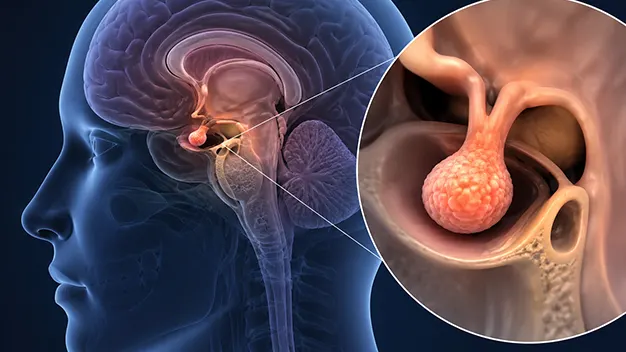
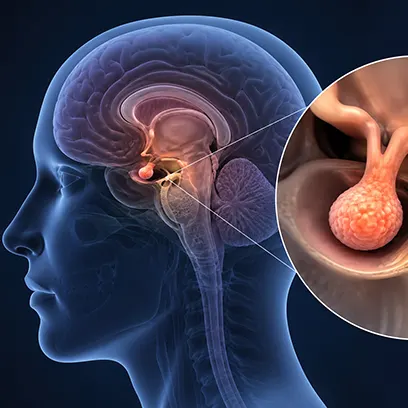
The pituitary gland lies in a bony cavity called the sella turcica, located at the base of the brain beneath the hypothalamus. It is connected to the hypothalamus by the pituitary stalk (infundibulum), through which hormones and nerve signals regulate endocrine function.
Despite being only about the size of a pea, the pituitary gland controls multiple organs, including the thyroid gland, adrenal glands, ovaries, testes, and influences growth, metabolism, reproduction, and lactation.
Is Pituitary Microadenoma A Brain Tumor?
Technically, yes. A pituitary microadenoma is classified as a brain tumor because it is located within the skull. However, it is not a tumor of brain tissue. It develops from hormone-producing cells of the pituitary gland, making it an endocrine tumor rather than a neurological tumor.
Is Pituitary Microadenoma Cancer?
No. More than 99% of pituitary adenomas are benign, meaning they do not invade distant organs or metastasize. Pituitary carcinoma (cancer) is extremely rare, accounting for less than 0.2% of all pituitary tumors. However, even benign tumors can cause health problems if they produce excess hormones or impair normal pituitary function.
How Common is Pituitary Microadenoma?
Pituitary adenomas are among the most common endocrine tumors. Improvements in MRI have led to increased detection, especially of small, asymptomatic microadenomas.
| Population | Estimated Frequency |
| General population (autopsy/imaging studies) | 10-20% may have small pituitary adenomas |
| Clinically diagnosed pituitary adenomas | Approximately 80-100 per 100,000 people |
| Microadenomas among pituitary adenomas | Around 50-60% |
| Most common functioning type | Prolactinoma |
Many people are unaware they have a pituitary microadenoma because it never causes symptoms.
At What Age Does Pituitary Microadenoma Occur?
Pituitary microadenomas can occur at any age but are mostly diagnosed between 20 and 50 years.
- Women: More commonly diagnosed during reproductive years because menstrual disturbances and infertility often lead to earlier evaluation.
- Men: Frequently diagnosed later, as symptoms such as reduced libido or low testosterone may develop gradually.
What Causes Pituitary Microadenoma?
In most cases, the exact cause is unknown. These tumors usually develop due to spontaneous genetic changes within pituitary cells rather than inherited conditions.
Does Every Pituitary Microadenoma Produce Hormones?
No. Pituitary microadenomas are broadly classified into two groups:
| Type | Description |
| Functioning (Hormone-Secreting) | Produces excess hormones such as prolactin, ACTH, GH, or TSH, leading to specific hormonal disorders. |
| Non-Functioning | Does not produce excess hormones and is often discovered incidentally during MRI performed for other reasons. |
What is the Difference Between A Microadenoma and A Macroadenoma?
The difference is based on tumor size, but size also influences the likelihood of pressure-related symptoms.
| Feature | Microadenoma | Macroadenoma |
| Size | Less than 10 mm | 10 mm or larger |
| Hormonal symptoms | Common | Common |
| Vision problems | Rare | More common |
| Compression of nearby structures | Uncommon | More likely |
| Need for surgery | Depending on type | More frequently required |
How Does Pituitary Microadenoma Affect Hormone Levels?
A pituitary microadenoma can affect hormone production in different ways:
- Functioning microadenoma: Produces excess hormones, causing symptoms even when the tumor is very small.
- Non-functioning microadenoma: Does not produce hormones and may not cause symptoms.
- Rarely, the tumor may interfere with normal pituitary function, leading to reduced hormone production (hypopituitarism), though this is more common with larger tumors.
Why Do Different Pituitary Microadenomas Cause Different Symptoms?
Symptoms depend on which pituitary cells are affected, not just the size of the tumor.
| Tumor Type | Hormone Produced | Common Symptoms |
| Prolactinoma | Prolactin | Irregular periods, infertility, milk discharge, reduced libido |
| GH-Secreting Adenoma | Growth hormone | Enlarged hands and feet, coarse facial features, excessive sweating |
| ACTH-Secreting Adenoma | ACTH | Weight gain, moon face, purple stretch marks, diabetes, high blood pressure |
| TSH-Secreting Adenoma | TSH | Palpitations, weight loss, tremors, heat intolerance |
| Non-Functioning Adenoma | None | Usually, no symptoms unless it enlarges |
Types of Pituitary Microadenoma
Broadly, pituitary microadenomas are of two types.
- Functioning (Hormone-Secreting) Microadenomas: Produce excess hormones and cause specific endocrine disorders.
- Non-Functioning Microadenomas: Do not produce biologically active hormones and are often detected incidentally during brain MRI.
| Type | Hormone Produced | Common Condition Caused |
| Prolactinoma | Prolactin (PRL) | Hyperprolactinemia |
| Growth Hormone (GH)-Secreting Microadenoma | Growth Hormone | Acromegaly |
| ACTH-Secreting Microadenoma | ACTH | Cushing Disease |
| TSH-Secreting Microadenoma | TSH | Hyperthyroidism |
| Gonadotroph Adenoma | LH and/or FSH (rarely active) | Usually, non-functioning |
| Non-Functioning Pituitary Microadenoma | No excess hormone | Often asymptomatic |
What is a Prolactinoma?
A prolactinoma is the most common type of pituitary microadenoma, accounting for nearly 40–60% of functioning pituitary adenomas. It secretes excess prolactin, leading to hormonal imbalance.
Common symptoms include:
- Irregular or absent menstrual periods
- Infertility
- Milky nipple discharge (galactorrhea)
- Reduced libido
- Erectile dysfunction in men
- Low testosterone
- Osteoporosis if untreated for a long time
Treatment: Most prolactinomas respond well to dopamine agonists (Cabergoline is the preferred first-line treatment), and surgery is rarely needed.
What is a Growth Hormone (GH)-Secreting Microadenoma?
These tumors produce excess growth hormone (GH), which increases Insulin-like Growth Factor-1 (IGF-1) and causes acromegaly in adults.
Common symptoms include:
- Enlarged hands and feet
- Increase in ring or shoe size
- Coarse facial features
- Excessive sweating
- Joint pain
- Headache
- High blood pressure
- Diabetes or insulin resistance
- Sleep apnea
Early diagnosis is important because untreated acromegaly increases the risk of cardiovascular disease.
What is an ACTH-Secreting Microadenoma?
An ACTH-secreting microadenoma produces excess adrenocorticotropic hormone (ACTH), which stimulates the adrenal glands to produce excessive cortisol. This results in Cushing disease.
Common symptoms include:
- Rapid weight gain around the abdomen
- Moon-shaped face
- Fat accumulation over the upper back (“buffalo hump”)
- Purple stretch marks
- Thin skin and easy bruising
- Muscle weakness
- Diabetes
- High blood pressure
- Mood changes
Most ACTH-secreting tumors are microadenomas, even though they can cause severe hormonal effects.
What is TSH-Secreting Microadenoma?
A TSH-secreting adenoma (TSHoma) is a rare pituitary tumor that produces excess thyroid-stimulating hormone (TSH), leading to hyperthyroidism.
Symptoms may include:
- Palpitations
- Weight loss despite normal appetite
- Heat intolerance
- Excessive sweating
- Tremors
- Anxiety
- Goiter (enlarged thyroid)
These tumors are uncommon, accounting for less than 2% of pituitary adenomas.
What is a Gonadotroph Microadenoma?
Gonadotroph adenomas arise from cells that produce LH (Luteinizing Hormone) and FSH (Follicle-Stimulating Hormone). Most are non-functioning, meaning they do not release enough hormones to cause clinical symptoms. They are often discovered incidentally or when they enlarge.
What is A Non-Functioning Pituitary Microadenoma?
A non-functioning pituitary microadenoma (NFPA) does not produce excess biologically active hormones. Many are found accidentally during MRI scans performed for headaches, dizziness, or unrelated neurological conditions.
Most patients have no symptoms, and many tumors remain stable for years.
Treatment usually involves:
- Regular MRI monitoring
- Periodic hormonal evaluation
- Surgery only if the tumor enlarges or causes complications
Are All Pituitary Microadenomas the Same?
No. Pituitary microadenomas are classified based on whether they produce hormones. This classification is important because it determines the symptoms, treatment, and long-term prognosis.
Which Type of Pituitary Microadenoma is Most Common?
| Rank | Type | Approximate Frequency |
| 1 | Prolactinoma | Most common |
| 2 | Non-functioning Microadenoma | Common |
| 3 | ACTH-Secreting Adenoma | Less common |
| 4 | GH-Secreting Adenoma | Less common |
| 5 | TSH-Secreting Adenoma | Rare |
| 6 | Gonadotroph Adenoma | Rare (usually non-functioning) |
Can One Pituitary Microadenoma Produce More Than One Hormone?
Yes, but it is uncommon. Some pituitary adenomas may produce more than one hormone, such as:
- GH with Prolactin
- TSH with GH
- ACTH with Prolactin (rare)
These are called plurihormonal pituitary adenomas and require specialized endocrine evaluation.
Which Type has the Best Prognosis?
Most pituitary microadenomas have an excellent prognosis when diagnosed early.
| Tumor Type | Prognosis |
| Prolactinoma | Excellent; often controlled with medication |
| Non-functioning Microadenoma | Excellent; many require only observation |
| GH-Secreting Adenoma | Good with timely treatment |
| ACTH-Secreting Adenoma | Good but requires early treatment due to cortisol excess |
| TSH-Secreting Adenoma | Good with specialized care |

Have A Health Issue?
Consult Online
- Dr. Sahil Gupta (B.A.M.S., M.H.A.)
Ayurvedic Allergy Specialist
CEO & Founder of IAFA®
At last, Easier Pituitary Microadenoma Management

Trusted by
More than 90,000 Patients

Convenient
at-Home Treatments

9.2 / 10
Customer Satisfaction Score
What Causes Pituitary Microadenoma?
In most patients, the exact cause of pituitary microadenoma is unknown. These tumors usually develop due to sporadic (random) genetic mutations in pituitary cells that cause them to grow uncontrollably. In the majority of cases, they are not inherited and are not caused by anything the patient did or did not do.
Researchers believe that pituitary microadenomas result from a combination of genetic and molecular changes that affect cell growth, hormone production, and normal cell-cycle regulation.
Why Does Pituitary Microadenoma Develop?
Normally, pituitary cells grow, divide, and die in a controlled manner. In a microadenoma, certain cells continue to multiply abnormally, forming a small benign tumor.
Some tumors also retain the ability to produce excessive amounts of hormones, leading to endocrine disorders such as hyperprolactinemia, acromegaly, or Cushing disease.
Is Pituitary Microadenoma Hereditary?
Usually, no. More than 95% of pituitary adenomas occur sporadically, meaning they are not inherited and there is no family history. However, a small percentage are associated with inherited genetic syndromes, particularly in people diagnosed at a young age or those with multiple endocrine tumors.
Who is More Likely to Develop Pituitary Microadenoma?
Certain factors are associated with a higher likelihood of diagnosis.
Risk Factors
- Age between 20 and 50 years
- Female sex (especially prolactinomas)
- Family history of hereditary endocrine syndromes
- Known MEN1 or AIP mutation
- Previous pituitary disorders (rare)
Can Stress Cause A Pituitary Microadenoma?
No. There is no scientific evidence that emotional stress, anxiety, or depression directly causes pituitary microadenomas. However, stress can increase cortisol levels temporarily and may worsen symptoms such as headaches, fatigue, sleep disturbances, or menstrual irregularities, which can sometimes delay or complicate diagnosis.
Can Head Injury Cause A Pituitary Microadenoma?
No. Current evidence does not support head injury or brain trauma as a cause of pituitary microadenomas. Severe head injuries can affect pituitary hormone function (hypopituitarism), but they do not cause pituitary adenomas.
Can Mobile Phones or Radiation Cause Pituitary Microadenoma?
There is no convincing scientific evidence that routine mobile phone use, Wi-Fi exposure, or everyday electronic devices increase the risk of pituitary microadenomas. Similarly, there is no established link between diagnostic imaging (such as X-rays or CT scans) and pituitary adenoma formation.
Can Lifestyle or Diet Cause Pituitary Microadenoma?
No specific diet or lifestyle habit has been proven to cause pituitary microadenomas. However, maintaining a healthy lifestyle supports overall endocrine health and may help reduce complications associated with hormone-secreting tumors.
Can Pregnancy Cause A Pituitary Microadenoma?
No. Pregnancy does not cause pituitary microadenomas.
However, during pregnancy, the pituitary gland naturally enlarges due to hormonal changes. In women with an existing prolactinoma, the tumor may enlarge slightly, which is why endocrinologists monitor selected patients more closely during pregnancy.
Can Certain Medicines Increase the Risk of Pituitary Microadenoma?
No medications have been proven to cause pituitary microadenomas. However, some drugs can raise prolactin levels without the presence of a pituitary tumor, including:
- Antipsychotic medications
- Certain antidepressants
- Metoclopramide
- Domperidone
- Some blood pressure medications (rarely)
This is why an elevated prolactin level should always be interpreted alongside the patient’s history, medications, and MRI findings.
Clinical insight
Most pituitary microadenomas develop without any identifiable cause. Patients should not blame stress, diet, lifestyle, or everyday activities for developing these tumors. A thorough hormonal evaluation and MRI are far more important than searching for a specific trigger.
What are the Symptoms of a Pituitary Microadenoma?
The symptoms of a pituitary microadenoma depend on whether the tumor produces excess hormones rather than its size. Many microadenomas cause no symptoms and are discovered incidentally during an MRI performed for another reason.
When symptoms occur, they are usually due to hormonal imbalance rather than pressure on the brain.
Can Pituitary Microadenoma Cause No Symptoms?
Yes. Many non-functioning pituitary microadenomas are completely asymptomatic and are found incidentally during MRI scans for headaches, dizziness, or unrelated neurological conditions. These are often called pituitary incidentalomas. Such tumors may remain stable for years and only require periodic monitoring.
What are the Most Common Symptoms of Pituitary Microadenoma?
Common symptoms may include:
- Persistent headache
- Irregular or absent menstrual periods
- Difficulty conceiving (infertility)
- Milky nipple discharge (galactorrhea)
- Reduced sexual desire (low libido)
- Erectile dysfunction in men
- Fatigue
- Unexplained weight changes
- Mood changes
- Excessive sweating
- Enlargement of hands or feet (GH-secreting tumors)
- Features of Cushing disease (ACTH-secreting tumors)
The exact symptoms depend on the hormone involved.
What Symptoms Occur In Women?
Women, especially of reproductive age, often develop symptoms earlier because hormonal disturbances affect the menstrual cycle.
Common symptoms include:
- Irregular periods
- Absent periods (amenorrhea)
- Difficulty becoming pregnant
- Milk discharge from the breasts without pregnancy or breastfeeding
- Reduced libido
- Vaginal dryness
- Bone loss (osteopenia or osteoporosis) if prolactin remains elevated for a long time
What Symptoms Occur In Men?
Symptoms in men may develop gradually and are sometimes overlooked.
Common symptoms include:
- Reduced libido
- Erectile dysfunction
- Infertility
- Low testosterone levels
- Fatigue
- Reduced muscle mass
- Decreased facial or body hair
- Breast enlargement (gynecomastia) in some cases
Because symptoms are often subtle, men may be diagnosed later than women.
Can Pituitary Microadenoma Cause Headaches?
Yes, but not everyone experiences headaches.
Headaches associated with pituitary microadenomas are usually:
- Mild to moderate
- Persistent or Recurrent
- Located behind the eyes or on the forehead
However, headaches are very common in the general population, so a headache alone does not confirm that the microadenoma is the cause.
Can Pituitary Microadenoma Cause Vision Problems?
Usually no. Microadenomas are less than 10 mm, so they rarely compress the optic nerves or optic chiasm. Vision problems are much more common in pituitary macroadenomas (tumors ≥10 mm).
If a patient with a microadenoma develops sudden vision loss, double vision, or severe headache, urgent medical evaluation is required to exclude other conditions such as pituitary apoplexy.
Can Pituitary Microadenoma Cause Weight Gain?
Yes, but not all microadenomas cause weight gain.
Weight gain is more commonly seen in:
- ACTH-secreting adenomas (Cushing disease)
- Some prolactinomas due to hormonal changes and reduced metabolism
In contrast, GH- or TSH-secreting tumors may cause weight loss or changes in body composition.
Can Pituitary Microadenoma Cause Infertility?
Yes. Hormone-secreting microadenomas, especially prolactinomas, can interfere with ovulation in women and reduce testosterone and sperm production in men, making conception difficult.
The good news is that fertility often improves after appropriate treatment.
How is Pituitary Microadenoma Diagnosed?
The diagnosis of a pituitary microadenoma is based on a combination of medical history, physical examination, hormonal blood tests, and MRI of the pituitary gland with contrast. Since many microadenomas are hormonally active, identifying the hormone involved is just as important as detecting the tumor on imaging.
A diagnosis should never be based on MRI findings alone.
When Should Pituitary Microadenoma Be Suspected?
Your doctor may suspect a pituitary microadenoma if you have:
- Irregular or absent menstrual periods
- Infertility
- Milky nipple discharge (galactorrhea)
- Erectile dysfunction or low testosterone
- Enlarged hands or feet
- Features of Cushing disease
- Unexplained hormonal abnormalities
- An incidental pituitary lesion found on MRI
What Tests are Used to Diagnose A Pituitary Microadenoma?
The diagnosis usually involves the following:
| Step | Investigation | Purpose |
| 1 | Medical history & physical examination | Evaluate symptoms and hormonal disorders |
| 2 | Hormonal blood tests | Identify excess or deficient hormones |
| 3 | Pituitary MRI with contrast | Confirm the presence, size, and location of the tumor |
| 4 | Visual field testing (if needed) | Assess vision when tumors are close to the optic chiasm |
| 5 | Dynamic hormone tests (selected patients) | Confirm specific endocrine disorders such as Cushing disease or acromegaly. |
Which Blood Tests are Done?
The choice of blood tests depends on the patient’s symptoms, but a complete pituitary hormonal evaluation may include:
| Blood Test | Why it is Done |
| Serum Prolactin | Detect prolactinoma |
| IGF-1 | Screen for excess growth hormone (acromegaly) |
| ACTH | Evaluate ACTH-secreting tumors |
| Serum Cortisol | Assess cortisol excess or deficiency |
| TSH & Free T4 | Evaluate thyroid function |
| LH & FSH | Assess reproductive hormones |
| Estradiol (Women) | Evaluate ovarian function |
| Testosterone (Men) | Assess testicular function |
| Morning Cortisol | Assess adrenal function when indicated |
Additional specialized tests may be required based on clinical suspicion.
Is Mri The Best Test for Pituitary Microadenoma?
Yes. A contrast-enhanced MRI of the pituitary gland is the gold standard imaging test for detecting pituitary microadenomas.
MRI provides detailed information about:
- Tumor size
- Exact location
- Relationship to surrounding structures
- Compression of nearby tissues
- Changes over time during follow-up
Small microadenomas may appear as areas that enhance differently from the normal pituitary gland after contrast injection.
Can Mri Miss A Pituitary Microadenoma?
Yes. Very small tumors (especially those measuring only 2-3 mm) may not always be visible on the initial MRI. If hormonal tests strongly suggest a pituitary tumor but MRI is normal, your endocrinologist may recommend:
- Repeating MRI after an interval
- High-resolution pituitary MRI
- Additional hormonal testing
- Referral to a specialized pituitary center
A normal MRI does not completely exclude a functioning microadenoma.
What is a Pituitary Incidentaloma?
A pituitary incidentaloma is a pituitary lesion discovered accidentally during an MRI performed for an unrelated reason, such as headaches, dizziness, or trauma.
Many incidentalomas are small, non-functioning microadenomas.
Even if the patient has no symptoms, hormonal evaluation is recommended to determine whether the lesion is producing hormones or affecting normal pituitary function.
Is A Pituitary Biopsy Needed?
No. A biopsy is rarely required for diagnosing a pituitary microadenoma.
What Other Conditions Can Mimic A Pituitary Microadenoma?
Several conditions can produce similar symptoms or hormonal abnormalities.
These include:
- Drug-induced hyperprolactinemia
- Primary hypothyroidism
- Pregnancy
- Polycystic ovary syndrome (PCOS)
- Empty sella syndrome
- Rathke’s cleft cyst
- Craniopharyngioma
- Pituitary hyperplasia
Careful evaluation helps distinguish these conditions from a true pituitary microadenoma.
Which Hormonal Blood Tests are Commonly Recommended?
The tests depend on the patient’s symptoms and suspected tumor type.
| Test | Why it is Done |
| Serum Prolactin (PRL) | Detect prolactinoma |
| IGF-1 | Screen for growth hormone excess (Acromegaly) |
| Morning Serum Cortisol & ACTH | Evaluate cortisol disorders and Cushing disease |
| 24-hour Urinary Free Cortisol / Late-night Salivary Cortisol | Confirm cortisol excess (when indicated) |
| TSH & Free T4 | Assess thyroid function and detect TSH-secreting adenoma |
| LH, FSH & Estradiol (Women) | Evaluate reproductive function |
| LH, FSH & Testosterone (Men) | Assessing gonadal function |
| Electrolytes and other pituitary hormones | Evaluate overall pituitary function when needed |
Not every patient requires all of these tests. The evaluation depends on the individual’s symptoms and clinical findings.
Does A High Prolactin Level Always Mean A Prolactinoma?
No. Elevated prolactin does not always indicate a pituitary tumor.
Other causes include:
- Pregnancy and breastfeeding
- Certain medications (e.g., antipsychotics, metoclopramide)
- Primary hypothyroidism
- Chronic kidney disease
- Severe stress
- Chest wall injury or stimulation
Can Hormone Levels Be Normal Even If A Microadenoma Is Present?
Yes. Non-functioning pituitary microadenomas often have normal hormone levels because they do not secrete excess hormones. In these cases, the tumor is usually discovered incidentally on MRI and managed with periodic follow-up.
Can Hormone Levels Change Over Time?
Yes. Hormone levels may change as the tumor grows, responds to treatment, or remains stable. For this reason, patients may require repeat hormonal evaluation during follow-up, even if the initial results are normal.
Does An Increase in Tumor Size Always Mean the Condition is Worsening?
Not necessarily. A small increase in size does not always require surgery. Treatment decisions are based on:
- Tumor growth over time
- Hormonal activity
- Symptoms
- Vision changes
- Overall pituitary function
Some microadenomas remain stable for many years without intervention.
Does Every Pituitary Microadenoma Need Treatment?
No. Not all pituitary microadenomas require immediate treatment. Management depends on:
- Type of microadenoma
- Hormone secretion
- Symptoms
- Tumor size and growth
- Age and overall health
- Fertility plans
- MRI findings
Many non-functioning microadenomas remain stable for years and only require regular follow-up.
What are the Main Treatment Options?
Treatment is individualized and may include:
| Treatment | When is it used? |
| Observation (Watchful Waiting) | Small, non-functioning, asymptomatic tumors |
| Medications | First-line for most prolactinomas and some hormone-secreting tumors |
| Transsphenoidal Surgery | Hormone-secreting tumors not controlled with medication, growing tumors, or vision-threatening lesions |
| Radiotherapy | Rarely used; for persistent or recurrent tumors after surgery |
When is Observation Recommended?
Doctors may recommend regular monitoring without active treatment if:
- The microadenoma is non-functioning.
- There are no symptoms.
- Hormone levels are normal.
- MRI shows a stable, small lesion.
Follow-up usually includes:
- Periodic Endocrine Evaluation
- Repeating MRI
- Clinical assessment
When is Surgery Required?
Surgery may be recommended when:
- The tumor does not respond to medication.
- Medication causes unacceptable side effects.
- The tumor is producing excess hormones that cannot be controlled medically.
- The tumor enlarges significantly.
- Vision or nearby structures are affected (more common with macroadenomas).
The decision is made jointly by an endocrinologist and an experienced pituitary neurosurgeon.
What is Transsphenoidal Surgery?
Transsphenoidal surgery is the standard operation for most pituitary tumors.
In this procedure, the surgeon reaches the pituitary gland through the nose and sphenoid sinus, avoiding the need to open the skull.
Benefits include:
- No visible external scar
- Faster recovery
- Less postoperative discomfort
- High success rates in experienced centers
Is Radiotherapy Ever Needed?
Yes, but only in selected patients. Radiotherapy may be considered when:
- Residual tumor remains after surgery
- The tumor recurs
- Surgery and medications do not adequately control hormone secretion
- Additional surgery is not feasible
Can Pituitary Microadenoma Be Completely Cured?
Many patients achieve excellent long-term control, and some are effectively cured, depending on the tumor type.
- Prolactinomas often respond extremely well to medication.
- Small ACTH- and GH-secreting microadenomas may be cured with successful surgery.
- Non-functioning microadenomas often remain stable without treatment.
- Long-term follow-up is still important because recurrence can occur in some patients.
Can Pituitary Microadenoma Come Back After Treatment?
Yes. Although many patients achieve excellent control, recurrence is possible, particularly after surgery.
The risk depends on:
- Tumor type
- Completeness of surgical removal
- Hormonal activity
- Long-term follow-up
Regular monitoring helps detect recurrence early.
Clinical Pearl
Treatment is guided by hormone activity, not just tumor size. A small prolactinoma may require medication, while a similarly sized non-functioning microadenoma may only need periodic observation. Individualized treatment provides the best long-term outcomes.
Can A Woman with A Pituitary Microadenoma Get Pregnant?
Yes. Most women with a pituitary microadenoma can have a successful pregnancy, especially when the condition is diagnosed early and treated appropriately. Women with prolactinomas often experience improved fertility after treatment because normal ovulation is restored once prolactin levels return to normal.
Can Pituitary Microadenoma Cause Infertility?
Yes, particularly if the tumor secretes prolactin (prolactinoma).
High prolactin levels can:
- Prevent ovulation
- Cause irregular or absent menstrual periods
- Reduce estrogen levels
- Make conception difficult
In men, elevated prolactin may lower testosterone levels, reduce sperm production, and contribute to infertility.
Fortunately, fertility often improves after appropriate treatment.
Does every woman with a prolactinoma have difficulty conceiving?
No. Some women conceive naturally, while others may require treatment to restore regular ovulation. The likelihood of pregnancy depends on:
- Prolactin level
- Tumor size
- Ovarian function
- Age
- Presence of other fertility factors
Is Pregnancy Safe with Pituitary Microadenoma?
In most cases, yes. Women with a small pituitary microadenoma, particularly a microprolactinoma, usually have uncomplicated pregnancies with appropriate medical supervision. Pregnancy should ideally be planned in consultation with an endocrinologist and obstetrician.
Are MRI Scans Performed During Pregnancy?
Routine MRI is not recommended during pregnancy if the woman remains well.
MRI (without gadolinium contrast in most circumstances) may be considered if there are concerning symptoms such as:
- New severe headache
- Visual disturbances
- Suspected tumor enlargement
What Symptoms During Pregnancy Require Immediate Medical Attention?
Contact your healthcare provider promptly if you develop:
- Sudden or severe headache
- Blurred or double vision
- Loss of peripheral vision
- Persistent vomiting with neurological symptoms
- Symptoms suggestive of pituitary apoplexy (rare)
These symptoms require urgent medical assessment.
Clinical insight
Most women with a macroprolactinoma can achieve normal fertility and have healthy pregnancies with appropriate endocrine care. Pre-pregnancy counseling, individualized medication management, and regular follow-up are key to optimizing maternal and fetal outcomes.
Can A Pituitary Microadenoma Cause Weight Gain in Women?
Yes, but it depends on the type of pituitary microadenoma. Most non-functioning microadenomas do not directly cause weight gain. However, hormone-secreting tumors, particularly those causing Cushing disease or, less commonly, growth hormone excess, can contribute to increased body weight and changes in body fat distribution. Obesity in many women with pituitary microadenoma may also be related to lifestyle factors, menopause, PMOS, or thyroid disorders rather than the tumor itself.
Does Every Obese Woman With A Pituitary Microadenoma Have A Hormonal Problem?
No. Many obese women with pituitary microadenomas have normal pituitary hormone levels. Obesity alone does not indicate that the tumor is functioning. Blood tests are necessary to determine whether the microadenoma is secreting excess hormones.
Can Obesity Increase the Risk of Developing Pituitary Microadenoma?
Current scientific evidence does not show that obesity directly causes pituitary microadenomas. However, obesity is associated with hormonal and metabolic changes that may complicate the evaluation of symptoms and endocrine disorders.
Why Do Many Women With Pituitary Microadenoma Struggle to Lose Weight?
Weight loss may be difficult if the tumor causes hormonal abnormalities such as Cushing disease, hypothyroidism due to pituitary dysfunction, or growth hormone excess. Additionally, fatigue, sleep disturbances, insulin resistance, and reduced physical activity may contribute. If hormone levels are normal, the difficulty in losing weight is usually unrelated to the microadenoma itself.
Can A Prolactinoma Cause Obesity?
A prolactinoma does not directly cause obesity, but elevated prolactin levels may contribute to weight gain in some women by affecting appetite, metabolism, reproductive hormones, and physical activity. Not every woman with a prolactinoma becomes overweight.
Should Every Obese Woman with Irregular Periods Be Tested for A Pituitary Microadenoma?
No. PMOS is a much more common cause of obesity and irregular menstrual cycles. However, pituitary evaluation may be appropriate if there are additional features such as:
- Elevated prolactin levels
- Milky nipple discharge (galactorrhea)
- Persistent headaches
- Visual disturbances
- Infertility without another explanation
Can Pituitary Microadenoma Mimic PMOS?
Yes. A prolactinoma can cause irregular menstrual cycles, infertility, and ovulation problems, which may resemble PMOS. Hormonal blood tests and MRI help distinguish between these conditions.
Is Belly Fat A Sign of Pituitary Microadenoma?
Not usually. Central obesity or abdominal fat is common in the general population. However, rapid development of central obesity, especially when accompanied by a rounded face, purple stretch marks, muscle weakness, and high blood pressure, may suggest Cushing disease, which requires endocrine evaluation.
Does Treating A Pituitary Microadenoma Help with Weight Loss?
It depends on the underlying hormone disorder. Women with Cushing disease or acromegaly often experience metabolic improvement after successful treatment. Women with prolactinomas may also notice modest weight changes after prolactin levels normalize. However, treatment does not guarantee significant weight loss, and healthy lifestyle measures remain important.
Can Losing Weight Shrink A Pituitary Microadenoma?
No. Weight loss improves overall health, insulin sensitivity, and cardiovascular risk but has not been shown to shrink pituitary microadenomas.
Can Pituitary Microadenoma Cause Infertility in Overweight Women?
Yes, particularly when the tumor increases prolactin levels or affects reproductive hormone production. Successful treatment often improves ovulation and fertility.
Should Obese Women With Pituitary Microadenoma Follow A Special Diet?
There is no specific diet that treats the tumor itself. A balanced diet emphasizes whole grains, lean proteins, fruits, vegetables, healthy fats, and appropriate calorie intake, which supports weight management and overall endocrine health. Women with Cushing disease, diabetes, or other metabolic conditions may require individualized nutritional guidance.
Can Obesity and Pituitary Microadenoma Occur Together?
Yes. Obesity and pituitary microadenoma may coexist, but one does not necessarily cause the other. Because obesity is common, many women diagnosed with a pituitary microadenoma are overweight by coincidence. A thorough hormonal evaluation is essential to determine whether the tumor is contributing to weight gain or whether another condition, such as PCOS or lifestyle factors, is responsible.
Ayurvedic View of Pituitary Microadenoma
Pituitary microadenoma is not described as a specific disease in Ayurvedic classics. From an Ayurvedic perspective, the disease appears to involve a gradual disturbance of Dosha equilibrium, impairment of Agni, dysfunction of multiple Strotas, and derangement of Majja, Meda, Rasa, and Shukra/Artava Dhatus, ultimately manifesting as endocrine imbalance and abnormal glandular proliferation.
Proposed Ayurvedic Samprapti
The following conceptual sequence may explain the development of pituitary microadenoma:
Nidana Sevana (Predisposing Factors)
↓
Disturbance of Agni (especially metabolic imbalance in susceptible individuals)
↓
Dosha Prakopa (primarily Kapha with Vata involvement)
↓
Srotodushti
↓
Dhatu Vaishamya
↓
Abnormal cellular proliferation and endocrine dysregulation
↓
Hormonal excess or deficiency
↓
Clinical manifestations
What Factors (Nidana) May Contribute According To Ayurvedic Principles for Pituitary Microadenoma?
Although classical texts do not describe pituitary tumors specifically, several factors can aggravate Dosha imbalance and impair systemic regulation.
Possible Nidana:
Aharaja Nidana (Dietary)
- Excess Guru Ahara
- Ati Snigdha Ahara
- Excess Madhura Rasa
- Heavy processed foods
- Overeating
- Irregular eating habits
These may aggravate Kapha and Meda while weakening Jatharagni.
Viharaja Nidana (Lifestyle)
- Sedentary lifestyle (Sukumarta)
- Daytime sleeping (Diva Swapana)
- Lack of exercise (Avyayama)
- Chronic sleep deprivation (Anidra)
- Excessive mental work
- Poor daily routine
Manasika Nidana
Although stress does not cause pituitary adenoma, Ayurveda recognizes that prolonged emotional disturbances may influence:
- Prana Vata
- Sadhaka Pitta
- Manovaha Strotas
Potential manifestations include:
- Anxiety
- Sleep disturbance
- Menstrual irregularity
- Fatigue
These are likely secondary functional disturbances rather than the primary cause of tumor formation.
Beeja Dushti
Modern medicine recognizes inherited syndromes such as MEN1 and AIP mutations. Ayurveda conceptually explains hereditary susceptibility through:
- Beeja
- Beejabhaga
- Beejabhagavayava
Described in Charaka Samhita.
Although these cannot be equated directly with genes, they provide an Ayurvedic framework for inherited predisposition.
Which Dosha Dominates The Samprapti?
Kapha Dosha:
Kapha Contributes To:-
- Tissue nourishment
- Stability
- Cellular proliferation
- Glandular enlargement
When aggravated
↓
Abnormal tissue growth
↓
Slow-growing benign lesion
↓
Secretory dysfunction
Thus, Kapha may be considered the structural Dosha in pituitary microadenoma.
Vata Dosha:
Vata, particularly Prana Vata, is responsible for:
- Neuroendocrine signaling
- Hormonal regulation
- Brain function
Disturbed Prana Vata may explain
- Headache
- Menstrual disorders
- Infertility
- Emotional symptoms
Vyana Vata may contribute to:
- Hormonal communication
- Endocrine circulation
- Functional regulation
Apana Vata is important in:
- Ovulation
- Menstruation
- Fertility
- Reproductive function
Hence, prolactinomas producing infertility may conceptually involve disturbed Apana Vata.
Pitta Dosha:
- Especially Pachaka Pitta helps with metabolic regulation.
- Sadhaka Pitta plays a role in neuropsychological regulation
- Bhrajaka and Ranjaka Pitta may contribute indirectly through metabolic pathways.
Pitta predominance is more evident in
- ACTH adenoma
- Hypercortisolism
- Hyperthyroidism
Dushya Involvement
Unlike localized swellings, pituitary adenoma affects multiple Dhatus.
Rasa Dhatu is responsible for nourishment. Hormonal imbalance may disturb tissue nutrition.
Meda Dhatu involved especially in:
- Cushing disease
- Obesity
- Insulin resistance
Majja Dhatu
Majja Dhatu is associated with
- Central nervous system
- Neural regulation
- Endocrine coordination
Since pituitary function depends upon neuroendocrine regulation, Majja Dushti may have an important role in pituitary microadenoma.
Asthi Dhatu
Affected secondarily through
- Hyperprolactinemia
- Hypogonadism
- Hypercortisolism, leading to
- Osteopenia
- Osteoporosis
Shukra / Artava Dhatu
Frequently affected in
- Infertility
- Amenorrhea
- Erectile dysfunction
- Reduced libido
Strotodushti
Several Strotas participate simultaneously.
| Strotas | Clinical correlation |
| Rasavaha | Hormonal nourishment |
| Majjavaha | Neuroendocrine regulation |
| Medovaha | Obesity, insulin resistance |
| Artavavaha | Menstrual disorders |
| Shukravaha | Male infertility |
| Manovaha | Anxiety, depression |
Rather than isolated Strotodushti, pituitary disorders represent multisystem Strotas dysfunction.
Agni in Pituitary Disorders
Impaired Agni may contribute to metabolic dysfunction accompanying endocrine disorders but should not be regarded as the primary cause of pituitary tumor formation. Ama, similarly, there is no evidence that Ama directly causes pituitary adenoma. However, secondary Ama formation may occur in patients having:
- Obesity
- Sluggish Metabolism
- Metabolic Syndrome
- Kapha Predominance
Samprapti Ghataka
| Component | Interpretation |
| Dosha | Kapha predominant with Vata involvement; Pitta according to hormonal activity |
| Dushya | Rasa, Majja, Meda, Shukra/Artava, Asthi (secondary) |
| Agni | Variable; Mandagni may accompany metabolic dysfunction in selected patients |
| Ama | Present only when clinically indicated; not universal |
| Srotas | Rasavaha, Majjavaha, Medovaha, Artavavaha, Shukravaha, Manovaha |
| Srotodushti | Sanga, Vimargagamana and functional dysregulation (interpretative) |
| Udbhava Sthana | Systemic Dosha imbalance with neuroendocrine manifestation (conceptual) |
| Adhisthana | Pituitary gland (modern anatomical correlation) |
| Vyakta Sthana | Endocrine and reproductive systems |
| Roga Marga | Madhyama Roga Marga |
Modern–Ayurveda Correlation
| Modern Finding | Ayurvedic Interpretation |
| Benign pituitary proliferation | Kapha-mediated abnormal tissue growth (conceptual) |
| Hormonal dysregulation | Vata–Pitta functional imbalance |
| Hyperprolactinemia | Kapha-Vata predominance affecting Artavavaha/Shukravaha Srotas |
| Acromegaly | Kapha with Mamsa–Meda Dushti |
| Cushing disease | Pitta-Kapha metabolic disturbance |
| Infertility | Apana Vata dysfunction with Shukra/Artava Dushti |
| Osteoporosis | Asthi Kshaya secondary to endocrine imbalance |
Can Ayurveda Treat Pituitary Microadenoma?
Ayurveda may have a supportive role in the comprehensive management of patients with pituitary microadenoma, particularly in improving overall health, metabolic function, psychological well-being, sleep quality, digestive function, and quality of life.
However, there is currently no high-quality clinical evidence to support the claim that Ayurvedic medicine alone can eliminate, dissolve, or cure pituitary microadenoma. Therefore, Ayurveda should be viewed as an integrative system of care, working alongside evidence-based endocrinology rather than replacing it.
Clinical Recommendation: Patients should not discontinue prescribed medications (e.g., cabergoline) or delay surgery when indicated in favor of Ayurvedic treatment alone.
What is the Ayurvedic Goal of Treatment?
Unlike modern medicine, which focuses primarily on tumor and hormone levels, Ayurveda aims to restore physiological balance.
The therapeutic objectives include:
- Maintaining Dosha equilibrium
- Improving Agni
- Correcting Ama (if present)
- Supporting healthy Dhatu metabolism
- Maintaining Srotas patency
- Improving mental well-being (Satva)
- Supporting reproductive health
- Enhancing quality of life
- Preventing secondary metabolic complications
Treatment should always be individualized according to the patient’s Prakriti, Vikriti, age, strength (Bala), digestive capacity, and endocrine status.
Line of Treatment for Pituitary Microadenoma
Chikitsa Siddhanta
1. Nidana Parivarjana (Removal of Causative Factors)
Ayurveda emphasizes that treatment begins with avoiding factors that aggravate Doshas. Practical measures include:
- Regular meal timings
- Avoiding overeating
- Limiting excessive processed and high-sugar foods
- Maintaining healthy sleep habits
- Regular physical activity
- Stress management
- Avoiding unnecessary daytime sleep in Kapha-predominant individuals
Although these measures do not directly treat the tumor, they support metabolic and endocrine health.
2. Agni Deepana and Pachana
Ayurvedic classical texts identify Agni as central to health. When impaired digestion, heaviness, sluggish metabolism, or clinical features of Ama are present, Deepana and Pachana therapies may be considered.
Potential objectives include:
- Improving digestive efficiency
- Supporting metabolic balance
- Reducing symptoms associated with Kapha predominance
These therapies should be selected only after assessing the patient’s Agni and should not be applied universally.
3. Dosha-Specific Management
Kapha Predominance: Where Kapha features dominate (e.g., obesity, lethargy, heaviness), management may emphasize:
- Light (Laghu) diet
- Appropriate physical activity
- Kapha-pacifying dietary measures
- Therapies that support healthy metabolism
Vata Predominance: If symptoms such as anxiety, insomnia, infertility, menstrual irregularities, or neurological complaints are prominent, the focus may shift toward:
- Vata-pacifying lifestyle
- Adequate nourishment
- Sleep regulation
- Stress reduction
Pitta Predominance: In patients with heat intolerance, irritability, excessive sweating, or hypermetabolic features, individualized Pitta-pacifying measures may be considered.
Role of Rasayana Therapy
Rasayana therapy aims to promote healthy tissue function, resilience, and overall vitality. Potential goals include:
- Supporting immune regulation
- Maintaining tissue nourishment
- Improving recovery
- Enhancing general well-being
At present, there is insufficient clinical evidence to conclude that Rasayana therapy reduces pituitary tumor size. Its use should therefore be considered supportive rather than curative.
Satvavajaya Chikitsa
Many patients with pituitary disorders experience:
- Anxiety
- Depression
- Sleep disturbances
- Fear related to diagnosis
- Reduced quality of life
Ayurveda addresses these through Satvavajaya Chikitsa, which emphasizes strengthening mental resilience. Supportive measures may include:
- Meditation
- Mindfulness
- Relaxation techniques
- Positive counseling
- Healthy social support
- Spiritual practices according to individual beliefs
These interventions may complement psychological care but are not substitutes for professional mental health treatment when required.
Panchakarma: What is its Role?
Panchakarma is often promoted for endocrine disorders, but its role in pituitary microadenoma requires careful interpretation. Depending on the patient’s constitution and clinical assessment, Panchakarma may be considered to:
- Restore Dosha balance
- Improve metabolic function
- Enhance overall well-being
- Support symptom management
Important Limitations
There is no clinical evidence demonstrating that Panchakarma:
- Shrinks pituitary microadenomas
- Eliminates pituitary tumors
- Replaces surgery or endocrine medications
Any Panchakarma intervention should be prescribed only after thorough assessment by a qualified Ayurvedic physician and should be integrated with conventional medical care.
Can Ayurveda Replace Surgery or Hormonal Medicines?
No. Patients should not replace:
- Cabergoline or bromocriptine for prolactinoma
- Surgery for indicated ACTH-, GH-, or TSH-secreting adenomas
- Endocrinology follows up with Ayurvedic treatment alone.
An integrative approach offers the greatest potential benefit while maintaining patient safety.
Clinical insight
- Ayurveda should be patient-centered, not MRI-centered.
- The choice of Ayurvedic interventions depends on Prakriti, Vikriti, Dosha predominance, Agni, Dhatu status, and associated endocrine abnormalities.
- Integrative care requires collaboration between an Ayurvedic physician and an endocrinologist.
- Patients should be counseled honestly about the current evidence, avoiding unrealistic expectations of tumor regression from herbal therapy alone.
Can Ayurvedic Herbs Shrink A Pituitary Microadenoma?
At present, there is no high-quality clinical trial demonstrating that any Ayurvedic herb alone can shrink, eliminate, or cure pituitary microadenoma.
However, several medicinal plants used in Ayurveda possess adaptogenic, antioxidant, neuroprotective, anti-inflammatory, immunomodulatory, metabolic, and endocrine-supportive properties. These actions may help with associated symptoms, improve general health, and complement standard endocrine care under qualified medical supervision.
Herbs that Can Be Used in Pituitary Microadenoma
Although no Ayurvedic herb has been clinically proven to cure or shrink pituitary microadenoma, several plant-derived compounds have demonstrated anti-proliferative, pro-apoptotic, anti-angiogenic, antioxidant, or hormone-modulating effects in experimental pituitary adenoma models. These findings are promising but should currently be viewed as preclinical evidence rather than established therapy.
Ayurvedic Herbs and Bioactive Compounds Under Investigation for Pituitary Adenoma
| Herb / Natural Compound | Proposed Mechanism | Evidence | Potential Role |
| Haridra (Curcumin) | Inhibits proliferation, angiogenesis (VEGF/HIF-1α), induces apoptosis, may reduce PRL/GH secretion | Preclinical (pituitary-specific) | Most promising natural compound under investigation |
| Ashwagandha (Withaferin A) | Apoptosis induction, cell-cycle arrest, anti-inflammatory | Experimental | Supportive, anti-tumor activity demonstrated in several cancers, not clinically in pituitary adenoma |
| Daruharidra (Berberine) | AMPK activation, PI3K/Akt inhibition, apoptosis | Experimental | Potential metabolic and anti-proliferative effects |
| Kanchanara | Traditionally indicated for Granthi (glandular swellings); antioxidant activity | Classical and limited experimental | Ayurvedic rationale for glandular disorders |
| Tulsi | Adaptogenic, antioxidant, anti-inflammatory | Experimental and human studies for stress | Symptoms and metabolic support |
| Shallaki (Boswellia) | 5-LOX inhibition, anti-inflammatory | Experimental | May reduce neuroinflammation |
| Amalaki | Antioxidant, cytoprotective | Experimental human data | Reduces oxidative stress |
| Guduchi | Immunomodulatory, antioxidant | Experimental | Supports immune and metabolic health |
- Haridra (Curcuma longa): Studies using rodent and human pituitary adenoma cells have shown inhibition of tumor cell proliferation, induction of apoptosis, suppression of VEGF/HIF-1α-mediated angiogenesis, reduction in prolactin and growth hormone secretion, and enhanced response to bromocriptine.
- Ashwagandha (Withania somnifera): The principal bioactive constituent, Withaferin A, has demonstrated anti-proliferative and pro-apoptotic activity across multiple cancer models. Although direct evidence in pituitary adenoma is limited, Ashwagandha may improve stress, fatigue, sleep quality, and quality of life, making it valuable as supportive therapy during long-term endocrine management.
- Daruharidra (Berberis aristata): Berberine has attracted considerable interest because it targets AMPK, PI3K/Akt, and mitochondrial apoptosis pathways, which are implicated in tumor biology. Current evidence is limited to experimental studies, but its additional metabolic benefits may be relevant for patients with obesity, insulin resistance, or metabolic syndrome accompanying endocrine disorders.
- Kanchanara (Bauhinia variegata): Unlike many Rasayana herbs, Kanchanara is traditionally prescribed for Granthi (nodules), Apachi, and glandular enlargements, making it conceptually relevant in pituitary disorders from an Ayurvedic perspective. However, modern evidence supporting its use in pituitary adenoma is currently insufficient, and its role remains primarily based on classical Ayurvedic principles.
- Tulsi (Ocimum tenuiflorum): Tulsi exhibits adaptogenic, antioxidant, and anti-inflammatory properties and has demonstrated beneficial effects on stress biomarkers and glucose metabolism in clinical studies. While it has no proven anti-pituitary tumor effect, it may help improve resilience and metabolic health in selected patients.
- Shallaki (Boswellia serrata): Boswellic acids inhibit inflammatory pathways, particularly 5-lipoxygenase (5-LOX), and have shown anti-proliferative effects in experimental cancer models. Although pituitary-specific evidence is absent, Shallaki may offer supportive anti-inflammatory benefits in integrative care.
- Amalaki (Phyllanthus emblica): Rich in polyphenols and vitamin C, Amalaki is a classical Rasayana with potent antioxidant activity. It may help counter oxidative stress and support overall metabolic health, but there is no evidence that it influences pituitary tumor growth.
- Guduchi (Tinospora cordifolia): Guduchi has demonstrated immunomodulatory, antioxidant, and anti-inflammatory properties in experimental studies. While not tumor-specific, it may support recovery, metabolic balance, and general well-being in patients undergoing long-term treatment.
IAFA Expert Perspective
Current evidence suggests that curcumin is the most extensively investigated natural compound for pituitary adenomas, whereas Withaferin A, berberine, boswellic acids, and other phytochemicals remain promising experimental candidates. At present, no Ayurvedic herb or phytochemical has sufficient clinical evidence to replace surgery, dopamine agonists, or hormone replacement therapy. Their role is best viewed as adjunctive, aimed at improving metabolic health, reducing oxidative stress, enhancing quality of life, and potentially complementing conventional treatment within an evidence-based integrative approach.
Ayurvedic Dietary Guidance for Patients with Pituitary Microadenoma
Ayurveda recommends food that supports Agni, maintains Dosha balance, and nourishes the Dhatus. General Dietary Recommendations:-
- Freshly prepared meals
- Seasonal fruits and vegetables
- Whole grains
- Adequate protein intake
- Healthy fats in moderation
- Sufficient hydration
- Regular meal timings
- Avoid prolonged fasting or overeating, as both may disturb metabolic balance.
Foods According to Dosha
Kapha Predominance: If the patient has obesity, sluggish metabolism, or features of Kapha aggravation:
Recommendation:
- Barley
- Millets
- Green leafy vegetables
- Bitter vegetables
- Ginger
- Turmeric
- Black pepper (in moderation)
- Lentils
Limit:
- Excess sweets
- Refined flour
- Sugar-sweetened beverages
- Deep-fried foods
- Excess dairy products
Vata Predominance: Patients with anxiety, insomnia, weight loss, or fatigue may benefit from:
- Warm cooked foods
- Soups
- Ghee in moderation
- Milk (if tolerated)
- Dates
- Almonds
- Sesame seeds
Avoid:
- Excess fasting
- Cold foods
- Highly processed snacks
Pitta Predominance: For patients with heat intolerance or hypermetabolic symptoms:
Recommendation:
- Cooling fruits
- Cucumber
- Coconut water
- Amalaki
- Leafy vegetables
Limit:
- Excessively spicy foods
- Alcohol
- Ultra-processed foods
Modern Nutritional Considerations
For Hyperprolactinemia
Focus on:
- Adequate calcium intake
- Vitamin D
- Protein-rich diet
- Weight management if needed
For Cushing Disease
Nutrition should aim to reduce:
- Excess sodium intake
- Refined carbohydrates
- Added sugars
Ensure Adequate:
- Calcium
- Vitamin D
- Lean protein
For Acromegaly
Maintain:
- Healthy weight
- Blood glucose control
- Blood pressure management
Dinacharya (Daily Routine)
Ayurveda emphasizes maintaining a regular daily routine to support overall physiological balance.
Recommended practices include:
- Consistent sleep schedule
- Morning sunlight exposure
- Regular physical activity
- Timely meals
- Adequate hydration
- Stress reduction techniques
- Avoidance of tobacco and excessive alcohol
Can Diet Cure Pituitary Microadenoma?
No. There is no scientific evidence that any specific diet can shrink or eliminate a pituitary microadenoma. However, a balanced diet plays an important role in:
- Maintaining a healthy body weight
- Supporting metabolic health
- Improving cardiovascular health
- Preserving bone health
- Enhancing recovery and quality of life
Dietary recommendations should also be individualized according to the type of hormone excess, associated medical conditions, and the patient’s overall nutritional status.

Yoga and Lifestyle for Patients with Pituitary Microadenoma
Yoga and mind-body practices may provide supportive benefits, particularly for stress reduction, sleep quality, and overall health.
Appropriate practices may include:
- Gentle yoga tailored to the individual’s health status
- Pranayama (e.g., Anulom Vilom, Bhramari)
- Meditation
- Regular sleep schedule
- Moderate physical activity
While these interventions may improve quality of life, there is no evidence that yoga alone reduces pituitary tumor size.
Yoga Practices
| Yoga Practice | Potential Benefits | Recommendation |
| Tadasana (Mountain Pose) | Improves posture and balance | Recommended |
| Vrikshasana (Tree Pose) | Enhances concentration and neuromuscular coordination | Recommended |
| Vajrasana | Supports relaxation and digestion | Recommended |
| Marjariasana–Bitilasana (Cat–Cow Stretch) | Improves spinal flexibility and reduces muscular tension | Recommended |
| Bhujangasana (Cobra Pose) | Opens the chest and improves posture | If comfortable |
| Shashankasana (Child’s Pose) | Promotes relaxation and stress reduction | Recommended |
| Setu Bandhasana (Bridge Pose) | Gentle back strengthening and relaxation | If tolerated |
| Shavasana | Deep relaxation and stress reduction | Highly Recommended |
| Yoga Nidra | Improves sleep quality, reduces anxiety and fatigue | Strongly Recommended |
| Mindfulness Meditation | Reduces psychological stress and improves coping | Strongly Recommended |
Pranayama
- Nadi Shodhana (Alternate Nostril Breathing): Helps reduce stress and promotes autonomic balance.
- Bhramari Pranayama: May decrease anxiety and induce relaxation.
- Chandra Anulom Vilom: Useful for calming the mind in anxious individuals.
- Diaphragmatic (Deep) Breathing: Supports relaxation and may reduce sympathetic overactivity.
Can Yoga and Pranayama Help?
Yoga and Pranayama cannot cure a pituitary microadenoma or replace medical treatment. However, when practiced regularly under proper guidance and alongside your doctor’s recommendations, they may support overall health and improve quality of life.
Potential benefits include:
- Reduced stress: Gentle yoga and breathing techniques can help lower stress levels, which may positively influence overall well-being.
- Less anxiety: Mindfulness, meditation, and controlled breathing may promote relaxation and help manage anxiety.
- Better sleep quality: Regular practice can improve relaxation, making it easier to fall asleep and enjoy more restful sleep.
- Improved flexibility and posture: Yoga helps increase flexibility, strengthen muscles, and reduce stiffness.
- Enhanced overall well-being: Many people report feeling more energetic, emotionally balanced, and physically comfortable with consistent practice.
Practices to Avoid or Perform with Caution
Patients with large pituitary adenomas, visual field defects, severe headaches, uncontrolled hypertension, recent pituitary surgery, or pituitary apoplexy should avoid or seek medical advice before attempting:
- Shirshasana (Headstand)
- Adho Mukha Vrksasana (Handstand)
- Long-duration Sarvangasana (Shoulder Stand)
- Forceful Kapalabhati
- Bhastrika in uncontrolled hypertension or severe headache
- Intense breath retention (Kumbhaka)
Clinical insight: For patients with pituitary microadenoma, the most beneficial yoga program emphasizes gentle stretching, restorative postures, breathing exercises, Yoga Nidra, and mindfulness meditation, while avoiding strenuous inversions or practices that significantly increase intracranial pressure until cleared by the treating endocrinologist or neurosurgeon.



Committed to Holistic Healing through Alternative Medicine Since 2008
When Should You See A Doctor?
Seek medical evaluation if you experience:
- Persistent headaches with hormonal symptoms
- Irregular or absent menstrual periods
- Milky nipple discharge unrelated to pregnancy or breastfeeding
- Infertility
- Erectile dysfunction with low testosterone
- Enlarging hands or feet
- Rapid unexplained weight gain with purple stretch marks
- Persistent fatigue with suspected hormonal imbalance
Seek Urgent Medical Attention If You Develop:
- Sudden severe headache
- Sudden vision loss or double vision
- Confusion or reduced consciousness
- Severe vomiting associated with a known pituitary tumor
These symptoms may indicate pituitary apoplexy, a rare but serious medical emergency.
At IAFA Ayurveda, Dr. Sahil Gupta Provides Personalized Assessments and Ayurvedic Treatment for Pituitary Microadenoma. Book Your Appointment Now!
Frequently Asked Questions (FAQs)
Q1. Is Pituitary Microadenoma Cancer?
Ans. No. Nearly all pituitary microadenomas are benign.
Q2. Can It Become Cancer?
Ans. Cancerous transformation is exceptionally rare.
Q3. Will I Need Surgery?
Ans. Not always. Many patients, especially those with prolactinomas, are treated successfully with medication.
Q4. Can Ayurveda Cure Pituitary Microadenoma?
Ans. Current scientific evidence does not support claims that Ayurveda alone can cure or shrink pituitary microadenomas. Ayurveda may play an important supportive role as part of an integrative treatment plan.
Q5. Can I Live A Normal Life?
Ans. Yes. Most patients lead healthy, productive lives with appropriate treatment and follow-up.
Q6. Can I Become Pregnant?
Ans. Many women with treated macroprolactinomas conceive successfully. Pregnancy planning should involve an endocrinologist and obstetrician.
Q7. Can Men Become Fathers?
Ans. Yes. Fertility often improves after successful treatment of hormone-secreting tumors.
Q8. Is Exercise Safe?
Ans. In most cases, yes. Regular moderate exercise is encouraged unless restricted by your treating physician.
Q9. Can Stress Cause Pituitary Microadenoma?
Ans. There is no convincing evidence that stress directly causes pituitary microadenomas. Stress may, however, worsen symptoms or reduce quality of
Q10. Which Ayurvedic Herbs are Commonly Considered in Pituitary Microadenoma?
Ans. Depending on the patient’s constitution and symptoms, herbs such as Haridra, Ashwagandha, Guduchi, Brahmi, Amalaki, Kanchanara, Tulsi, and Guggulu may be considered. These herbs are selected for supportive benefits rather than direct tumor removal.
Q11. Is Panchakarma (Internal Purification) Recommended for Pituitary Microadenoma?
Ans. Panchakarma is not routinely recommended for every patient. Selected procedures may be advised only after proper evaluation by a qualified Ayurvedic physician, considering the patient’s strength, hormonal status, and ongoing medical treatment.
Q12. Can Ayurveda Be Safely Combined with Conventional Treatment?
Ans. Yes. In many cases, Ayurveda can be integrated with endocrinology care under expert supervision. Patients should always inform both their endocrinologist and Ayurvedic physician about all medications and supplements they are taking.
Q13. Does Diet Play A Role in Pituitary Microadenoma?
Ans. A balanced diet, healthy body weight, regular exercise, adequate sleep, and stress management may improve overall health and reduce metabolic complications. However, no specific Ayurvedic diet has been shown to shrink the tumor.
Q14. Is Yoga Beneficial for Pituitary Microadenoma?
Ans. Gentle yoga, pranayama, meditation, and Yoga Nidra may improve stress, anxiety, sleep quality, and fatigue. However, yoga should be viewed as supportive therapy and not as a treatment for the tumor itself.
Q15. How Does IAFA Approach Pituitary Microadenoma?
Ans. At IAFA, the focus is on an evidence-informed integrative approach. Ayurvedic management is individualized according to Prakriti, Dosha imbalance, Agni, and associated metabolic or psychological concerns, while encouraging continued consultation with endocrinologists, appropriate hormonal evaluation, MRI follow-up, and standard medical treatment whenever indicated.
References
- Agnivesha, Charaka, Dridhabala. In: Charaka Samhita, ed. Vaidya Jadavaji Trikamji Aacharya, editor. Varanasi: Chaukhamba Sanskrit Sansthan; 2009.
- Sushruta. In: Sushruta Samhita, Sutra Sthana, ed. Vaidya Jadavji Trikamji Acharya, editor. Varanasi: Choukhambha Orientalia; 2005.
- Vagbhata. In: Ashtanga Hrudaya, 9th ed. Anna Moreshwar Kunte, Krishnashastri Navarre, Harishastri, editors. Varanasi: Choukhambha Orientalia; 2005.
- Chowdhury NJ, Abu Rumman MS, Zaman MST, Shikder S, Youshra TJ, Khan M, Bano S. Exploring the Symptoms and Treatment of a Pituitary Macroadenoma: A Case Report. Cureus. 2025 Jun 9; 17 (6): e85640. doi: 10. 7759/ cureus. 85640. PMID: 4063- 6620; PMCID: PMC- 12240568.
- Banskota S, Adamson DC. Pituitary Adenomas: From Diagnosis to Therapeutics. Biomedicines. 2021 Apr 30; 9 (5): 494. doi: 10. 3390/ biomedicines- 9050494. PMID: 3394- 6142; PMCID: PMC- 8146984.
- Bhimani AD, Schupper AJ, Arnone GD, Chada D, Chaker AN, Mohammadi N, Hadjipanayis CG, Mehta AI. Size Matters: Rethinking the Sizing Classification of Pituitary Adenomas Based on the Rates of Surgery: A Multi-institutional Retrospective Study of 29,651 Patients. J Neurol Surg B Skull Base. 2020 Sep 10; 83 (1): 66- 75. doi: 10. 1055/s-0040- 1716673. PMID: 3515- 5072; PMCID: PMC- 8824624.
- Grimes EM. Pituitary microadenomas: diagnostic and therapeutic trends. J Natl Med Assoc. 1984 Oct; 76 (10): 997- 1004. PMID: 6389- 888; PMCID: PMC- 2561779.
- Manappallil RG, Veetil PP, Babu H, Khan SR. Pituitary microadenoma with hypopituitarism presenting as hyponatremia. BMJ Case Rep. 2021 Aug 11; 14 (8): e- 244426. doi: 10. 1136/ bcr- 2021- 244426. PMID: 3438- 0688; PMCID: PMC- 8359447.
- Tritos NA, Miller KK. Diagnosis and Management of Pituitary Adenomas: A Review. JAMA. 2023 Apr 25; 329 (16): 1386- 1398. doi: 10. 1001/ jama. 2023. 5444. PMID: 3709- 7352.
- Oki Y. Medical management of functioning pituitary adenoma: an update. Neurol Med Chir (Tokyo). 2014; 54 (12): 958- 65. doi: 10. 2176/ nmc. ra. 2014- 0239. Epub 2014 Nov 29. PMID: 2544- 6388; PMCID: PMC- 4533360.
- Unnikrishnan P, Muraleedharan A, Krishnarajabhatt HS. Ayurvedic Management of Hyperprolactinemia Secondary to Pituitary Microadenoma: A Case Report. Altern Ther Health Med. 2021 Sep; 27 (5): 78- 80. PMID: 3342- 1038.
- Aboregela AM. Approaches based on natural products and miRNAs in pituitary adenomas: unveiling therapeutic intervention. Naunyn Schmiedebergs Arch Pharmacol. 2025 Jan; 398 (1): 69- 88. doi: 10. 1007/ s00210- 024- 03347- 6. Epub 2024 Aug 5. PMID: 3910- 2032.
- Schaaf C, Shan B, Buchfelder M, Losa M, Kreutzer J, Rachinger W, Stalla GK, Schilling T, Arzt E, Perone MJ, Renner U. Curcumin acts as anti-tumorigenic and hormone-suppressive agent in murine and human pituitary tumour cells in vitro and in vivo. Endocr Relat Cancer. 2009 Dec; 16 (4): 1339- 50. doi: 10. 1677/ ERC- 09- 0129. Epub 2009 Sep 2. PMID: 1972- 6538.
- Yan Z, Liang C, Nian F, Peng G, Li Y, Guan J, Pan R, Song G. Curcumin for the treatment of pituitary adenomas: the potential of a single agent for multifaceted therapeutic effects. Front Endocrinol (Lausanne). 2025 Oct 3; 16: 1648521. doi: 10. 3389/ fendo. 2025. 1648521. PMID: 41113703; PMCID: PMC 12531033.
- Shadfar S, Khanal S, Bohara G, Kim G, Sadigh-Eteghad S, Ghavami S, Choi H, Choi DY. Methanolic Extract of Boswellia serrata Gum Protects the Nigral Dopaminergic Neurons from Rotenone-Induced Neurotoxicity. Mol Neurobiol. 2022 Sep; 59 (9): 5874- 5890. doi: 10. 1007/ s12035- 022- 02943- y. Epub 2022 Jul 8. Erratum in: Mol Neurobiol. 2025 Apr; 62 (4): 5352- 5353. doi: 10. 1007/ s12035- 024- 04481- 1. PMID: 35804280; PMCID: PMC- 9395310.
- Nafees S, Ali N, Rashid S, Hasan SK, Sultana S. Chemopreventive Effect of Bauhinia Purpurea Against Chemically Induced Hepatocarcinogenesis via Amelioration of Oxidative Damage, Cell Proliferation and Induction of Apoptosis in Wistar Rats. Toxicol Int. 2013 May; 20 (2): 117- 25. doi: 10. 4103/ 0971- 6580. 117252. PMID: 2408- 2504; PMCID: PMC- 3783677.
- Kim YJ, Sohn E, Lim HS, Kim Y, Kim JH, Jeong SJ. Simultaneous Quantification of Four Marker Compounds in Bauhinia coccinea Extract and Their Potential Inhibitory Effects on Alzheimer’s Disease Biomarkers. Plants (Basel). 2021 Apr 6; 10 (4): 702. doi: 10. 3390/ plants- 10040702. PMID: 3391- 7273; PMCID: PMC- 8067434.
- Nafees S, Ali N, Rashid S, Hasan SK, Sultana S. Chemopreventive Effect of Bauhinia Purpurea Against Chemically Induced Hepatocarcinogenesis via Amelioration of Oxidative Damage, Cell Proliferation and Induction of Apoptosis in Wistar Rats. Toxicol Int. 2013 May; 20 (2): 117- 25. doi: 10. 4103/ 0971- 6580. 117252. PMID: 2408- 2504; PMCID: PMC- 3783677.
- Dulger E, Mut M, Erbas T, Sahiner L, Vardar Yaglı N, Bilgin S. Effects of combined aerobic-strength training and yoga on quality of life and related parameters in women with pituitary adenoma after surgery: a randomized crossover study. Eur J Endocrinol. 2022 May 2; 186 (6): 667-675. doi: 10. 1530/ EJE- 22- 0031. PMID: 3538- 0988.
- R P, Kumar AP, Dhamodhini K S, Venugopal V, Silambanan S, K M, Shah P. Role of yoga in stress management and implications in major depressive disorder. J Ayurveda Integr Med. 2023 Sep- Oct; 14 (5): 100767. doi: 10. 1016/ j. jaim. 2023. 100767. Epub 2023 Sep 21. PMID: 3774- 1161; PMCID: PMC- 10520539.
- Sengupta P. Health Impacts of Yoga and Pranayama: A State-of-the-Art Review. Int J Prev Med. 2012 Jul; 3 (7): 444- 58. PMID: 22891145; PMCID: PMC- 3415184.
- Ross A, Thomas S. The health benefits of yoga and exercise: a review of comparison studies. J Altern Complement Med. 2010 Jan; 16 (1): 3- 12. doi: 10. 1089/ acm. 2009. 0044. PMID: 20105062.
- Kumar S, Mathew SO, Aharwal RP, Tulli HS, Mohan CD, Sethi G, Ahn KS, Webber K, Sandhu SS, Bishayee A. Withaferin A: A Pleiotropic Anticancer Agent from the Indian Medicinal Plant Withania somnifera (L.) Dunal. Pharmaceuticals (Basel). 2023 Jan 22; 16 (2): 160. doi: 10. 3390/ ph- 16020160. PMID: 37259311; PMCID: PMC- 9966696.
- Yavropoulou MP, Tsoli M, Barkas K, Kaltsas G, Grossman A. The natural history and treatment of non-functioning pituitary adenomas (non-functioning PitNETs). Endocr Relat Cancer. 2020 Oct; 27 (10): R375-R- 390. doi: 10. 1530/ ERC- 20- 0136. PMID: 3267- 4070.
- Yan Z, Liang C, Nian F, Peng G, Li Y, Guan J, Pan R, Song G. Curcumin for the treatment of pituitary adenomas: the potential of a single agent for multifaceted therapeutic effects. Front Endocrinol (Lausanne). 2025 Oct 3; 16: 1648521. doi: 10. 3389/ fendo. 2025. 1648521. PMID: 4111- 3703; PMCID: PMC- 12531033.
- Mathur M. Pituitary Microadenoma Treated with Individualized Homeopathic Medicine: A Case Report. Homeopathy. 2020 Nov; 109 (4): 243- 247. doi: 10. 1055/ s- 0040- 1713383. Epub 2020 Aug 30. PMID: 32862414.
- Destek S, Gul VO, Ahioglu S, Serin KR. Pituitary Adenoma and Hyperprolactinemia Accompanied by Idiopathic Granulomatous Mastitis. Case Rep Endocrinol. 2017; 2017: 3974291. doi: 10. 1155/ 2017/ 3974291. Epub 2017 Feb 22. PMID: 2832- 1344; PMCID: PMC- 5340950.
- Martin MC, Schriock ED, Jaffe RB. Prolactin-secreting pituitary adenomas. West J Med. 1983 Nov; 139 (5): 663- 72. PMID: 66590- 490; PMCID: PMC- 1010965.
- Kakar SS, Parte S, Carter K, Joshua IG, Worth C, Rameshwar P, Ratajczak MZ. Withaferin A (WFA) inhibits tumor growth and metastasis by targeting ovarian cancer stem cells. Oncotarget. 2017 Aug 10; 8 (43): 74494- 74505. doi: 10. 18632/ oncotarget. 20170. Erratum in: Oncotarget. 2020 Aug 11; 11 (32): 3103- 3104. doi: 10. 18632/ oncotarget. 27597. PMID: 2908- 8802; PMCID: PMC- 5650357.
- Devabattula G, Panda B, Yadav R, Godugu C. The Potential Pharmacological Effects of Natural Product Withaferin A in Cancer: Opportunities and Challenges for Clinical Translation. Planta Med. 2024 May; 90 (6): 440- 453. doi: 10. 1055/ a- 2289- 9600. Epub 2024 Apr 8. PMID: 3858- 8695.
- Sadeghnia HR, Arjmand F, Ghorbani A. NEUROPROTECTIVE EFFECT OF BOSWELLIA SERRATA AND ITS ACTIVE CONSTITUENT ACETYL 11-KETO-β-BOSWELLIC ACID AGAINST OXYGEN-GLUCOSE-SERUM DEPRIVATION-INDUCED CELL INJURY. Acta Pol Pharm. 2017 May; 74 (3): 911- 920. PMID: 2951- 3961.
Seek Expert Advice
Experiencing symptoms like headaches, hormonal imbalance, irregular periods, infertility, fatigue, or unexplained weight changes?
Seek expert Ayurvedic advice for personalized guidance and supportive care for pituitary microadenoma. Book your consultation now!


Was this Page Helpful?
So, IAFA’s Root-Cause Treatment for Pituitary Microadenoma is Just 3 Steps Away!

01. Connect With Us
Share Your History of Illness or Book Your Appointment Now.

02. Consult With Us
Dr. Gupta A Certified Ayurvedic Practitioner.

03. Root Cause Treatment
Get An Accurate Diagnosis, Medicine, Diet and Lifestyle Guidance.
Real Case Studies – Successfully Treated Patients
Real Case Studies of Successfully Treated Patients from All Around the World by IAFA Ayurveda®
-

32-Year-Old Female Patient Recovered from Chronic Urticaria and Leaky Gut Syndrome – A Case Study
This case study highlights the successful Ayurvedic treatment of chronic urticaria associated…
-
5-Year-Old Shih Apso Dog Recovered from Canine Peripheral Neuropathy – A Case Study
This case study presents a 5-year-old Shih Tzu-Lhasa Apso crossbreed dog (pet)…
-
9 Year Old Female Patient Recovered from Chronic Allergic Bronchitis – A Case Study
This case study presents a 9-year-old female patient who has successfully recovered…
-
12-Year-Old Child Recovered from Solar Urticaria (Chronic Sun-Sensitivity) – A Sun Allergy Case Study
This is a case study of a 12-year-old child who has successfully…




Read More Articles
-

Pituitary Microadenoma
Explore Ayurvedic Treatment for Pituitary Microadenoma with an evidence-based guide covering symptoms,…
-
MASLD (Metabolic Dysfunction-Associated Steatotic Liver Disease)
Learn about Metabolic Dysfunction-Associated Steatotic Liver Disease (MASLD), including its symptoms, causes,…
-
Heavy Metal Toxicity (Part – 2)
Learn how Ayurveda explains heavy metal toxicity through Dushi Visha and Gara…