
Bola (Commiphora myrrha)
Discover the numerous uses, benefits, and medicinal properties of Bola (Commiphora myrrha). Explore its healing potential for inflammation, pain relief, skin care, and more.
On This Page


-
 1683
1683
 1683
1683
 Share
ShareSummarise this article using AI




Bola (Commiphora myrrha) – Oleo-Gum Resin Used in Gynecological Disorders
Bola, also known as Murmakki, is a traditional Unani system of medicine that has potential therapeutic value due to its various beneficial effects on various diseases, particularly gynecological disorders. Botanically, Bola is known as Commiphora myrrha and belongs to the Burseraceae family, which is native to the dry tropics of Africa, India, and Arabia.
Word Commiphora is derived from the Greek words Kommi, meaning gum, and phero, meaning to hear. Myrrha is a yellow fragrant oleo-gum resin, which is a small tree or large herb. In the Unani system of medicine, it is used for various gynecological disorders like dysmenorrhea, menorrhagia, amenorrhea, leucorrhea, vaginitis, vulvitis, etc.
In Ayurvedic texts, Bola is sweet, pungent, and bitter in taste, cures the diseases of Rakta, is cooling, and is useful as a brain tonic and appetizer. It alleviates burning sensation, sweat, diseases of Tridosa, fever, epilepsy, and skin diseases, and cleanses the uterus.
A recent study reveals that Bola consists of various chemical constituents like Myrrhol, Commiferine, and A and B amyrones, etc, due to which it exhibits various activities like anti-inflammatory, analgesic, cytotoxic, anti-dysmenorrhea activities, etc.
Basonym of Bola
बोलयति मज्जति रुधिरम |
Bola (Commiphora myrrh) stops bleeding.
Synonyms of Bola
According to Properties and Actions
गंध रस: – गंधवान रस: अस्य निर्यास: |
Exudate of Bola has a characteristic odor.
रक्त गन्धकं – गन्धवान रक्त वर्णो रस: अस्य निर्यास: |
The exudate of Bola is red in color and has a characteristic odor.
महा गंध: – महा गन्धवान रस: |
Exudate has a strong odor.
Regional Names of Bola
- Bol (Persian)
- Myrrh (English)
- Bol (Hindi)
- Bola (Kannada)
- Meerha (Malayalam)
- Hira Bol (Marathi)
- Gandh Bol (Bengali)
- Vellaippapolam (Tamil)
- Valintrapolam (Telegu)
- Hira Bol (Gujrati)
- Murr (Arabic)
Botanical Name of Bola
Commiphora myrrh Nees.
Commiphora (Phore) means bearer.
Myrrh is an Arabic name.
Family – Burseraceae (Guggulu Kula)
Ayurveda Reference for Bola (Commiphora myrrha Nees. Engl.)

Scientific Classification of Bola
| Kingdom | Plantae |
| Class | Dicotyledonae |
| Sub-Class | Polypetalous |
| Series | Disciflorae |
| Order | Geraniales |
| Family | Burseraceae |
| Genus | Commiphora |
| Species | myrrh |
Classification of Bola – As Per Charaka and Sushruta
Charaka: Not mentioned in Mahakshaya
Sushruta: Eladi Gana, Priyangvadi Gana, Anjanadi Gana. Vachadi Gana
Bola’s Description in Brihtrayi
Ashtanga Hridya: A. H. Chi. 3/ 135
Bola’s Description in Brihtrayi as Sthavira
Ashtanga Hridya: A. H. Chi. 3/ 135
Bola’s Description in Brihtrayi as Jati rasa
Ashtanga Hridya: A. H. Su. 15/ 43
Bola’s Description in Brihtrayi as a Bota Sthavira
There is a difference of opinion among the commentators of Ashtanga Hridya. According to Arun Dutta, the version should be Bota Sthavira, implying two drugs, i.e., Bota and Sthaviramenas Alambusha, Mundi, and Shailya, respectively. While according to Hemadri and Indu, it is either Bola Sthavira, implying one drug Mundi, or implying Shailya.
Ashtanga Hridya: A. H. Chi. 3/ 135
Bola’s Description in Brihtrayi as Rasa
This is a gum-resin obtained from a foreign species, Commiphora myrrha, of the Arabian region and called Bola, Hira Bola, or Gandha Rasa.
Charaka Samhita: C. S. Chi. 28/ 150
Ashtanga Hridya: A. H. Sa. 2/ 50, A. H. Chi. 21/ 77
Historical Background of Bola (Commiphora myrrha)
This tree grows up to 10 ft., bearing red-colored flowers. Bola is not described in the Brihattrayi texts. Bola is introduced through the Rasa Sastra Granthas and Yoga Granthas at a later time. C. myrrha is actually a native African plant, and P.V. Sharmaji thinks that the gum of C. erythraea (Ehrb) Engl. is the Bola of Bhavamisra. The latter one is found in Somalia, which is known as Bissabol Myrrh.
External Morphology of Commiphora myrrha Nees (Engl.)
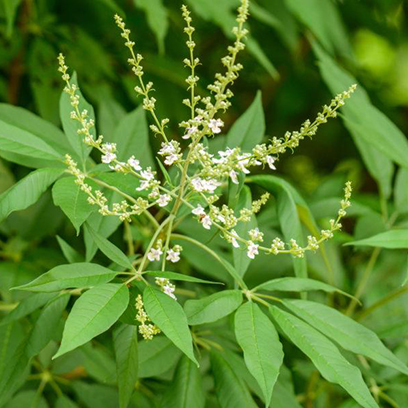
- Habit – Bola is a tree or a shrub.
- Branches – Branches of the Bola are often spiny.
- Leaves – Leaves of the Bola are trifoliate, sometimes with very small lateral leaflets.
- Flowers – Flowers of Bola are small, short-pedicelled.
- Fruit – Fruits of the Bola are drupe, ovoid, or subglobose, brown, and small, 2 to 4 mm long.
The shrub or small-sized tree of Balsemanudendren myrrha resembles Commiphora mukul (Guggulu). The trunk of the plant exudes oleoresin, which is known as Bola. Such exudation is obtained from two or three varieties of trees under this group. This oleoresin contains numerous round crystals that form the consolidation of a resinous substance. It is reddish yellow or alike, fragile, odorous, and bitter in taste.
Flowering and Fruiting Time
Bola plants flowers from October to December. Fruiting of Bola occurs between October and January.
Distribution of Bola (Commiphora myrrha)
It is native to north-eastern America, and it also occurs in Arab Persia, Abyssinia, and Siam. The resinous product of Macca is considered the best, which is called ‘Murmacci.’
The Useful Part of Bola (Commiphora myrrha)
Niryasa (Oleo-gum resin)

Important Phytoconstituent of Bola (Commiphora myrrha)
It contains a volatile oil known as Myrrhol, resin, bitter extract, calcium, phosphate, carbonate, and other substances. Commiferin and alpha and beta amyrones, etc.
Recent Research on Bola (Commiphora myrrh)
- Boffa, Luisa & Binello, Arianna & Boscaro, Valentina & Gallicchio, Margherita & Amisano, Gabriella & Fornasero, Stefania & Cravotto, Giancarlo. (2015). Commiphora myrrha (Nees) Engl. Extracts: Evaluation of antioxidant and antiproliferative activity and their ability to reduce microbial growth on fresh-cut salad. International Journal of Food Science & Technology. 51. n/ a- n/ a.. 10. 1111/ ijfs.13018. To develop natural preservatives displaying also chemopreventive activity, different Commiphora myrrha (Nees) Engl. Extracts were studied. Myrrh essential oils, obtained by steam distillation and microwave-assisted hydrodistillation, and several other extracts, obtained by sequential procedures with petroleum ether (PE), ethanol, ethyl acetate, and butanol, have been screened for their antioxidant (DPPH scavenging assay) and antiproliferative activity (on both non-tumour and colon cancer cell lines) without previous purification. Considering that the colon cancer cell lines were more sensitive to PE and ethanol extracts, the latter of which showed the highest antibacterial/antifungal activity tests using an antimicrobial diffusion test and a growth inhibition test on salads. Results showed that the ethanol extract possessed a higher antibacterial and antifungal activity. Compared to untreated products, fresh-cut salads treated with these two myrrh extracts displayed a significantly lower bacterial growth. Although further investigation is required, these promising results offer hints as to how to improve the shelf life of fresh-cut salad.
- Zhu, N & Kikuzaki, H & Sheng, S & Sang, Shengmin & Rafi, Mohamed & Wang, Minnie & Nakatani, N & DiPaola, R & Rosen, R, & Ho, Chi-Tang. (2001). Furanosesquiterpenoids of Commiphora myrrha. Journal of Natural Products. 64. 1460-2. An investigation on the gum exudates of Commiphora myrrha has led to the isolation of six sesquiterpenoids. Based on spectroscopic data interpretation, they were determined as two new furano- sesquiterpenoids, rel-1S, 2S- epoxy- 4R- furanogermacr-10 (15)- en- 6- one (1) and rel- 2R- methyl- 5S- acetoxy- 4R- furanogermacr-1 (10) Z- en- 6- one (2), and four known furano- sesquiterpenoids, rel- 3R-methoxy- 4S- furanogermacra- 1E, 10 (15)- dien- 6- one (3), rel- 2R-methoxy- 4R- furanogermacr- 1 (10) E- en- 6- one (4), furano- germacra-1 (10) Z, 4Z- dien- 6- one, and curzerenone [6, 7- dihydro- 5- beta-isopropenyl- 3, 6 beta- dimethyl- 6- vinyl- benzofuran- 4 (5H)- one]. This is the first report on the relative stereochemistry of the known compounds 3 and 4. Compound 1 exhibited weak cytotoxic activity against an MCF-7 breast tumor cell line in a clonogenic assay, while the other five compounds were inactive in this assay.
- Al Samarrai, Othman & Naji, Ahmed & Al Samarrai, Rafah. (2017). Studying the Phytochemical, Nutritive values, and Antioxidant ability of Commiphora myrrha. ـ. 17. 10. 32947 /ajps. v17i1. 59. The present study deals with the phytochemical, nutritional, mineral contents, and in vitro antioxidant activity of Commiphora myrrha. Preliminary phytochemical results indicate that the plant contains phenolic compounds, flavonoids, tannins, glycosides, alkaloids, terpenoids, and quinines. Secondary Metabolites have been estimated quantitatively, with the highest concentration of tannins 3677.1 ± 2.15 mg/ 100g, and then for alkaloids 1880 mg/ 100g, sterols 155.215 ±1.00 mg/ 100g, and Flavonoids 47.266 ± 0.013 mg/ 100g, and phenolic compounds 30.647 ± 2.481 mg/ 100g. Nutritional Profiling, minerals, and antioxidant activity were determined. Flavonoids and glycosides isolated exhibited lower reducing power and scavenging ability than ascorbic acid
- Su, Shulan & Wang, Tuanjie & Duan, Jin-Ao & Zhou, Wei & Hua, Yong-Qing & Tang, Yu-Ping & Yu, Li & Qian, Da-Wei. (2010). Anti-inflammatory and analgesic activity of different extracts of Commiphora myrrha. Journal of Pharmacology. 134. 251- 8. 10. 1016/ j. jep. 2010. 12. 003. This present study was carried out to evaluate the anti-inflammatory and analgesic effects of 85% ethanol extract (EE) of Commiphora myrrha and its different fractions partitioned with petroleum ether extract (EPE), ethyl acetate extract (EEA), n-butanol extract (E-Bu), and the water extract (ECY). Moreover, the chemical constituents in EPE were analyzed and identified by UPLC-QTOF/ MS/ MS.The anti-inflammatory activities were investigated by utilizing the paw edema mice induced by formalin. In addition, we determined the levels of PGE (2) in the edematous paw. While the analgesic activity was examined against thermally and chemically induced nociceptive pain in mice, using the acetic acid and hot-plate test methods. The effects of the administration of dantrolene or indomethacin were also studied for reference. The components in EPE were analyzed by ultra-performance liquid chromatography coupled with mass spectrometry. In the anti-inflammatory test, EE inhibited the development of paw swelling induced by formalin significantly. The pharmacological activities of the petroleum ether fraction (EPE) were stronger than the EE extract and other fractions at the dose of 100 mg/ kg, and significantly decreased the levels of inflammatory factor PGE (2) in the edema paw tissue at the fourth hour after formalin injection. It has also been shown that the ethanol extract (EE) significantly reduced acetic acid-induced writhing response in mice at the doses of 200 mg/ kg and 100 mg/ kg. The petroleum ether fraction (EPE) showed significant analgesic activity in the model at the dose of 100 mg/ kg (p< 0.01), and the ethyl acetate fraction (EEA) exhibited less analgesic activity (p< 0.05). All test samples showed no significant analgesic activity on the hot plate pain threshold in mice. The UPLC-MS/ MS chromatogram analysis of EPE stated that EPE contains the ingredients of sesquiterpenes, diterpenes, and diterpenic acids. Moreover, seven main compounds were identified. These data demonstrated that EE and EPE possess analgesic and anti-inflammatory activities and may support the fact that the traditional application of this herb in treating various diseases associated with inflammatory pain.
- Romaiyan, Altaf & Huang, Guo & Jones, Peter & Persaud, Shanta. (2020). Commiphora myrrha stimulates insulin secretion from mouse and human islets of Langerhans. Journal of Ethnopharmacology. 264. 113075. 10. 1016/ j. jep. 2020. 113075. Ethnopharmacological relevance Traditionally, plant-based remedies such as Commiphora myrrha (CM) have been used as an ayurvedic medicine to treat diabetes mellitus in some regions of Arabia and Africa. Previous reports have shown that CM reduced blood glucose levels and increased insulin concentrations in animal models of diabetes in vivo. However, the exact mechanisms by which CM improved glycemic control in these animals are not fully understood. We hypothesized that CM may have a direct insulinotropic activity on β-cells to increase insulin secretion. Aim of the study: The direct effects of CM were investigated using MIN6 β-cells and isolated mouse and human islets in static and perifusion insulin secretion experiments. Isolated mice and human islets were used to investigate the rate and pattern of CM-induced insulin secretion. The effect of CM on insulin secretion was assessed by static and perifusion experiments using MIN-6 cells, a mouse-derived β- cell line, and primary mouse and human islets. The effects of CM on cell viability and membrane integrity of MIN6 cells and mouse islets were assessed using an ATP viability assay and a trypan blue exclusion test. The mRNA expression profiles of preproinsulin and Pdx1, a major β-cell transcription factor, were determined by quantitative RT- PCR following chronic exposure to CM. Results: Exposing MIN6 cells to a CM resin solution (0.5– 10 mg/ ml) caused a concentration-dependent increase in insulin secretion in a static setting. Similarly, incubating mouse islets with CM (0.1– 10 mg/ ml) resulted in stimulation of insulin secretion in a concentration-dependent manner. CM concentrations at ≤ 2 mg/ ml were not associated with a reduction in cell viability nor with a reduction in cell membrane integrity. However, higher concentrations of CM were accompanied by marked uptake of trypan blue dye and cell death. In a perifusion setting, CM (2 mg/ ml) caused rapid and reversible increases in insulin secretion from both mouse and human islets at both sub-stimulatory and stimulatory glucose levels. The stimulatory effect of CM on insulin secretion did not change the total insulin content of β- β-β-cells nor the mRNA expression of preproinsulin and Pdx1. Conclusions: These data indicate that aqueous CM resin solution has a direct stimulatory effect on β-cells without compromising plasma membrane integrity. CM stimulates insulin secretion from MIN6 cells, a mouse- derived β- cell line, and isolated primary mouse and human islets in vitro at both sub-stimulatory and stimulatory glucose concentrations. The mechanism by which CM may induce insulin secretion is most likely due to a stimulation of insulin granule release rather than insulin synthesis.
- Madia, Valentina & De Angelis, Marta & De Vita, Daniela & Messore, Antonella & Leo, Alessandro & Ialongo, Davide & Tudino, Valeria & Saccoliti, Francesco & De Chiara, Giovanna & Garzoli, Stefania & Scipione, Luigi & Palamara, Anna & Di Santo, Roberto & Nencioni, Lucia & Costi, Roberta. (2021). Investigation of Commiphora myrrha (Nees) Engl. Oil and Its Main Components for Antiviral Activity. Pharmaceuticals. 14. 243. 10. 3390/ ph14030243. The resinous exudate produced by Commiphora myrrha (Nees) Engl. is commonly known as true myrrh and has been used since antiquity for several medicinal applications. Hundreds of metabolites have been identified in the volatile component of myrrh so far, mainly sesquiterpenes. Although several efforts have been devoted to identifying these sesquiterpenes, the phytochemical analyses have been performed by gas chromatography/mass spectrometry (GC–MS), where the high temperature employed can promote degradation of the components. In this work, we report the extraction of C. myrrha by supercritical CO2, an extraction method known for the mild extraction conditions that allow avoiding undesired chemical reactions during the process. In addition, the analyses of myrrh oil and of its metabolites were performed by HPLC and GC–MS. Moreover, we evaluated the antiviral activity against the influenza A virus of the myrrh extracts, which was possible to appreciate after the addition of vitamin E acetate (α-tocopheryl acetate) to the extract. Further, the single main bioactive components of the oil of C. myrrha commercially available were tested. Interestingly, we found that both furano-dienone and curzerene affect viral replication by acting on different steps of the virus life cycle.
- Sotoudeh, Reyhaneh & Hadjzadeh, Mousa-Al-Reza & Gholamnezhad, Zahra & Aghaei, Azita. (2019). The anti-diabetic and antioxidant effects of a combination of Commiphora mukul, Commiphora myrrha, and Terminalia chebula in diabetic rats. Avicenna journal of phytomedicine. 9. 454- 464. Objective: Effects of Commiphora mukul and Commiphora myrrha ethanolic extracts and Terminalia chebula hydro-ethanolic extract combination were evaluated in streptozotocin (STZ)-induced diabetic rats. Materials and methods: Male Wistar rats (n= 48) were randomly assigned into: control; diabetic; diabetic+metformin (300 mg/ kg); diabetic+ dose 1 of herbal combination (438 mg/ kg of C. mukul+ 214 mg/ kg of C. myrrha+ 857 mg/ kg of T. chebula), diabetic+ dose 2 (642 mg/ kg of C. mukul+ 214 mg/ kg of C. myrrha+ 642 mg/ kg of T. chebula), and diabetic+ dose 3 (857 mg/ kg of C. mukul+ 438 mg/ kg of C. myrrha+ 1714 mg/ kg t of T. chebula). All treatments were given orally by gavage. Diabetes was induced by STZ (60 mg/ kg, i.p.). At the end of the study (day 28), blood glucose, insulin, and lipid profile, as well as hepatic malondialdehyde (MDA) and thiol content, and superoxide dismutase (SOD) and catalase (CAT) activities were determined. Results: In diabetic rats, plasma glucose, triglycerides (TG), total cholesterol (TC), and LDL-C, as well as hepatic MDA levels, were elevated, but plasma HDL-C and insulin, and hepatic thiol content and SOD and CAT activities were reduced compared to control (p< 0.01, p< 0.001). In diabetic+ dose 3, plasma TC, TG, and LDL-C, and hepatic MDA level decreased (p< 0.001), while plasma HDL-C and insulin, hepatic thiol content, and SOD and CAT activities increased compared to diabetic (p< 0.01, p<0.001). Treatment with doses 1 and 2 improved such abnormalities in diabetic rats except for insulin level (p< 0.05, p< 0.001). The herbal combination effects were comparable to those of metformin. Metformin did not significantly change serum insulin and HDL-C levels, and hepatic SOD activity; however, serum levels of TC, TG, and LDL-C, as well as hepatic MDA levels, thiol content, and CAT activity were improved compared to diabetic (p< 0.05, p< 0.001). Conclusion: These results indicate that this herbal combination acts as an anti-diabetic, antioxidant, and hypolipidemic agent, and it may be suggested as a beneficial remedy for diabetic patients.
- Abdel-Hady, Heba & El-Wakil, Ahmed & Morsi, Eman. (2019). Characterization of ethyl acetate and methanol extracts of Commiphora myrrha and evaluation of in vitro anti-diabetic and anti-obesity activities ARTICLE INFO. Journal of Applied Pharmaceutical Science. 9. 38- 044. 10. 7324/ JAPS. 2019. 90906. Diabetes mellitus is a clinical disease categorized by hyperglycemia. Reduction of gastrointestinal glucose absorption through the inhibition of carbohydrate-digesting enzymes is one of the in vitro anti-diabetic therapeutic approaches. This investigation aimed to estimate the in vitro anti-diabetic and anti-obesity activities of ethyl acetate and methanol extracts of Commiphora myrrha oleo-gum as well as the identification of the bioactive compounds. Commiphora myrrha was extracted with methanol and ethyl acetate. The two extracts were used to evaluate their α-glucosidase, α-amylase, and pancreatic lipase inhibitory activities. Identification of the bioactive compounds of ethyl acetate was analyzed by GC-MS (gas chromatography-mass spectrometry). The results showed that the ethyl acetate extract had a stronger inhibition activity on α-amylase (IC 50 = 54.60 µg/ml) and α-glucosidase (IC 50 = 58.7 µg/ ml) than the methanol extract on α-amylase (IC 50 = 124.01 µg/ ml) and α-glucosidase (IC 50 = 191.2 µg/ml). Also, ethyl acetate extract had a more promising inhibitory effect on pancreatic lipase (IC 50 = 107.8 µg/ml) than methanol extract (IC 50 = 498.1 µg/ ml). GC-MS analysis of the ethyl acetate extract identified 31 compounds. Among them, nobiletin (50.26 %), metaproterenol (orciprenaline) (14.99 %), morantel (8.86 %), and tricetin (3.38 %) were the main compounds. These findings proved that C. myrrha has anti-diabetic and anti-obesity inhibition activity, which may be due to the bioactive compounds with interesting medicinal properties.
- Al-Romaiyan, Altaf & Masocha, Willias & Oyedemi, Sunday & Marafie, Sulaiman & Huang, Guo & Jones, Peter & Persaud, Shanta. (2022). Commiphora myrrha stimulates insulin secretion from β- β-cells through activation of atypical protein kinase C and mitogen-activated protein kinase. Journal of Ethnopharmacology. 302. 115937. 10. 1016/ j. jep. 2022. 115937. Ethnopharmacological relevance: Ayurvedic medicine has been used in the treatment of diabetes mellitus for centuries. In Arabia and some areas of Africa, Commiphora myrrha (CM) has been extensively used as a plant-based remedy. We have previously shown that an aqueous CM resin solution directly stimulates insulin secretion from MIN6 cells, a mouse β-cell line, and isolated mouse and human islets. However, the signaling pathways involved in CM-induced insulin secretion are completely unknown. Insulin secretion is normally triggered by elevations in intracellular Ca²⁺ ([Ca²⁺]i) through voltage-gated Ca²⁺ channels (VGCC) and activation of protein kinases. Protein and lipid kinases such as protein kinase A (PKA), Ca²⁺-calmodulin-dependent protein kinase II (CaMKII), phosphoinositide 3- kinases (PI3Ks), protein kinase C (PKC), and mitogen-activated protein kinase (MAPK), specifically extracellular signal-regulated kinases (ERK 1/2), may be involved in receptor-operated insulin secretion. Therefore, we hypothesized that CM may induce insulin secretion by modulating the activity of VGCC and/or one or more of the above kinases. Aim of the study: To investigate the possible molecular mechanism of action of CM-induced insulin secretion. The effects of aqueous CM resin extract on [Ca²⁺] and protein kinase activation from β-cells were examined. Methods: The effect of aqueous CM resin solution on [Ca²⁺] was assessed using Ca²⁺ microfluorimetry. The involvement of VGCC in CM-induced insulin secretion was investigated using static and perifusion insulin secretion experiments in the presence of either EGTA, a Ca²⁺ chelator, or nifedipine, a blocker of VGCC. The involvement of kinase activation in the stimulatory effect of CM on insulin secretion was examined by using static and perifusion insulin secretion experiments in the presence of known pharmacological inhibitors and/or downregulation of specific kinases. The effects of CM on phosphorylation of PKCζ and ERK- 1/2 were also assessed using the capillary-based protein electrophoresis. Results: Ca²⁺ microfluorimetry measurements showed that exposing MIN6 cells to CM (0.5–2 mg/mL) was not associated with changes in [Ca²⁺]. Similarly, incubating MIN6 cells and mouse islets with EGTA and nifedipine, respectively, did not attenuate the insulin secretion induced by CM. However, incubating mouse and human islets with CM in the presence of staurosporine, a non-selective protein kinase inhibitor, completely blocked the effect of CM on insulin secretion. Exposing mouse islets to CM in the presence of H89, KN62, and LY294002, inhibitors of PKA, CaMKII, and PI3K, respectively, did not reduce CM-induced insulin secretion. However, incubating mouse and human islets with CM in the presence of Ro 31– 8220, a pan-PKC inhibitor, diminished insulin secretion stimulated by CM, whereas inhibiting the action of typical PKC (with Go6976) and PLCβ (with U73122) did not affect CM-stimulated insulin secretion. Similarly, downregulating typical and novel PKC by chronic exposure of mouse islets to phorbol 12-myristate 13-acetate (PMA) was also not associated with a decrease in the stimulatory effect of CM on insulin secretion. Interestingly, CM-induced insulin secretion from mouse islets was inhibited in the presence of the PKC inhibitor ZIP and a MAPK inhibitor, PD 98059. In addition, capillary-based protein electrophoresis indicated that expression of the phosphorylated forms of PKCζ and ERK- 1/2, a MAPK, was significantly increased following exposure of INS-1832/ 13 cells, a rat insulinoma cell line, to CM. Conclusions: Our data indicate that CM directly stimulates insulin secretion through activating known downstream effectors of insulin-stimulus secretion coupling. Indeed, the increase in insulin secretion seen with CM is independent of changes in [Ca²⁺] and does not involve activation of VGCC. Instead, the CM stimulatory effect on insulin secretion is completely dependent on protein kinase activation. Our findings indicate that CM could induce insulin exocytosis by stimulating the phosphorylation and activation of PKC, which in turn phosphorylates and activates ERK 1/2.
- Al-Sabri, A.E. & Moslem, M.A. & Hadi, Sarfaraz & Yassin, M.A., & Ameen, Fuad. (2014). Antifungal activity of Commiphora myrrha L. against some air fungi. Journal of Pure and Applied Microbiology. 8. 3951- 3955. To avoid the harmful effects of chemical fungicides on humans and minimize environmental pollution, alternative, eco-friendly control strategies should be developed. The extract of Commiphora myrrh L. was tested against twenty fungal genera isolated from the indoor air collected from different rooms in King Saud University, Kingdom of Saudi Arabia. The disc diffusion test was modified for use in this study, and the collected data were statistically analyzed. Variable antifungal efficacy of different myrrh extracts was recorded against the investigated fungal genera. The efficacy of the extract increased as the concentration increased. The highest growth inhibition (74.6 %) was against Acremonium strictum, followed by Trichoderma pseudo- koningii (70.6 %). In contrast, the lowest efficacy (12.7 %) was against Ulocladium consortiale. It could be concluded that myrrh extract is promising as a source of substances that are safer and eco-friendly, and could be used as antimicrobial agents against a number of pathogenic fungi.
- Omer, Sawsan & Adam, S.E.I. & Mohammed, Osama. (2011). Antimicrobial Activity of Commiphora myrrha Against Some Bacteria and Candida albicans Isolated from Gazelles at King Khalid Wildlife Research Centre. Research Journal of Medicinal Plant. 5. 65- 71. 10. 3923/ rjmp. 2011. 65. 71. Ethanolic and ether extracts of Commiphora myrrha were evaluated for their antimicrobial activity against two Gram-negative organisms (Escherichia coli and Pseudomonas aeruginosa), two Gram-positive organisms (Bacillus subtilis and Staphylococcus albus), and fungi represented by Candida albicans isolated from gazelles held at King Khalid Wildlife Research Centre, Thumamah. The method used in the evaluation of the antimicrobial activity was the two-layer agar diffusion method. The ethanolic extract of C. myrrha exhibited antimicrobial activity against the Gram-negative organisms investigated, together with S. albus. On the other hand, the ether extract showed antimicrobial activity against Gram-positive organisms investigated and against Candida albicans, with the antifungal activity being greater. The minimum inhibitory concentration of the ethanolic extract against P. aeruginosa and E. coli was found to be 20 and 40 mg mL-1, respectively. The minimum inhibitory concentration of the ether extract against both S. albus and C. albicans was found to be 10 and 40 mg mL-1 for B. subtilis, respectively.
- Tahir, El & Ahmedh, & Shiekh, El & Rakaz, Maha & Abosalif, Khalid & Abdelsalam, K & Ab, Satti. (2015). An in vitro antimicrobial potential of various extracts of Commiphora myrrha. 4. 15- 19. Objectives: This study aimed to evaluate the antimicrobial activity of various extracts of the medicinal plant Commiphora myrrha. Methods: The agar well diffusion technique was followed to perform the antimicrobial activity of the candidate extracts against Gram-positive bacteria (Bacillus subtilis, Staphylococcus aureus), Gram-negative bacteria (Escherichia coli, Klebsiella pneumoniae, Proteus vulgaris, Pseudomonas aeruginosa), and two fungal species (Candida albicans, Apergillus Niger). Results: Methanolic and aqueous extracts of the resin of Commiphora myrrha at a concentration of 100 mg/ ml were found to be more active against Gram-negative bacteria (Proteus vulgaris; Klebsiella pneumoniae; Escherichia coli and Pseudomonas aeruginosa) and Gram-positive bacteria (Bacillus subtilis), and also showed high antifungal activity against (Candida albicans and Aspergillus niger). While the chloroform extract of the resin showed moderate activity towards Gram-positive and Gram-negative bacteria, as well as against Candida albicans, the same extract revealed high antifungal activity against Aspergillus Niger. Conclusion: Methanolic, chloroform, and aqueous extracts of Commiphora myrrha resin revealed that the selected entire plant had a significant potential effect capable of inhibiting the growth of both bacterial and fungal standard species.
- Shalaby, Mostafa & Hammouda, Ashraf. (2014). Analgesic, Anti-inflammatory, and Antihyperlipidemic Activities of Commiphora molmol Extract (Myrrh). Journal of Intercultural Ethnopharmacology. 3. 1. 10. 5455/ jice. 2014- 0130015014. Aim: The aim was to evaluate the analgesic, anti-inflammatory, and anti-hyperlipidemic activities of Commiphora molmol extract (CME) and its effects on body weight and blood lipids. Materials and methods: The analgesic effect was assessed using thermal (hot plate test) and chemical (writhing test) stimuli to induce central and peripheral pain in mice. The anti-inflammatory activity was determined using formalin-induced paw edema in rats. For the anti-hyperlipidemic effect, 25 rats were randomly divided into five groups (n = 5). Group 1 was fed on a basal diet (normal control), while the other four groups were fed on a high-fat diet for 6 weeks to induce obesity and hyperlipidemia. Thereafter, Group 2 was kept obese hyper- lipidemic, and Groups 3, 4, and 5 were orally given CME in doses of 125, 250, and 500 mg/ kg for 6 weeks, respectively. The body weight gains of rats were calculated, and blood samples were collected for analysis of blood lipids. Results: CME produced a dose-dependent analgesic effect using both the hot plate and writhing tests in mice. The hot plate method appeared to be more sensitive than the writhing test. CME exhibited an anti-inflammatory activity as it decreased the volume of paw edema induced by formalin in rats. The extract decreased body weight gain; normalized the high levels of blood lipids, and decreased the atherogenic index of low-density lipoprotein/ high-density lipoprotein in obese hyperlipidemic rats. Conclusion: The results denote that C. molmol extract (myrrh) has significant analgesic, anti-inflammatory, and anti-hyperlipidemic effects and reduces body weight gain and improves blood lipid profile. These results affirm the traditional use of C. molmol for the treatment of pain, inflammation, and hyperlipidemia.
- Mohaddese, Mahboubi & Mohammadtaghizadeh Kashani, Leila. (2015). The anti-dermatophyte activity of Commiphora molmol. Pharmaceutical Biology. 54. 1- 6. 10. 3109/ 13880209. 2015. 1072831. Commiphora molmol Engl (Burseraceae) or myrrh has been traditionally used for the treatment of skin fungal infections. Objective: This study evaluates the antifungal activity of myrrh ethanol extract and essential oil against skin dermatophytes. Materials and methods: The antifungal evaluations were performed by the food poisoning technique (250 ppm) and micro-broth dilution assay (800- 6.25 µg/ mL) against Trichophyton rubrum, T. mentagrophytes, Microsporum canis, M. gypseum, and T. verrucosum. The chemical composition of myrrh oil and ethanol extract was analyzed by GC and GC- MS. Results: Furanoeudesma 1, 3- diene and mentho- furan were the main components of myrrh oil, while 2- tert- butyl- 1,4-naphthoquinone, benzene- methanol, 3- methoxy- α- phenyl, and curzerene were the main components of myrrh ethanol extract. The inhibitory effect of myrrh oil and ethanol extract against dermatophytes was 43.1- 61.6 % and 12.5-27.5 %, respectively. The MIC and MFC values of myrrh oil were 25- 100 and 25- 200 µg/ mL, while these amounts for ethanol extract were 25- 400 and 25- 400 µg/ mL, respectively. Therefore, myrrh oil had higher antifungal activity than that of the ethanol extract. Both extracts showed good anti-elastase activity. Conclusion: The results of our investigation confirmed the traditional uses of C. molmol as a poultice for the treatment of cutaneous fungal infections.
- Alqahtani, Ali & Herqash, Rashed & Noman, Omar & Rehman, Md & Shahat, Abdelaaty & Alajmi, Mohamed & Nasr, Fahd. (2021). Impact of Different Extraction Methods on Furanosesquiterpenoids Content and Antibacterial Activity of Commiphora myrrha Resin. Journal of Analytical Methods in Chemistry. 2021. 1- 10. 10. 1155/ 2021/ 5525173. The oleo-gum-resin of Commiphora myrrha is one of the most well-known natural antimicrobial agents, mainly due to its furano-sesquiterpenes. A validated method based on sample extraction by matrix solid-phase dispersion (MSPD) followed by high-performance column chromatography (HPLC) determination is applied to analyze two furano-sesquiterpenoids, namely, 2-methoxy-furanodiene (CM- 1) and 2- acetoxy- furanodiene (CM- 2), existing in C. myrrha. The trial parameters that controlled the extraction perspective were studied and optimized. These include the nature of the dispersant, the mass ratio of the sample to the dispersant, and the volume of the elution solvent. A comparative antimicrobial study that used the Minimum Inhibitory Concentration Assay (MIC) method between MSPD, ultrasonic, and Soxhlet of myrrh extracts was also conducted. The optimal MSPD parameters used were (i) 15 mL of methanol applied as elution solvent; (ii) silica gel/sample mass at a 2:1 ratio; and (iii) a dispersing sorbent selected as silica gel. Technique retrievals were regulated from 96.87 % to 100.54 %, with relative standard deviations (RSDs) from 1.24% to 4.45 %. Commiphora myrrha-MSPD (CM-MSPD) extract showed the highest antibacterial activity against gram-positive and gram-negative bacteria (156.25 μg/ mL and 312.5 μg/ mL, respectively) and antifungal activity (156.25 μg/ mL). Yields acquired through the MSPD technique were larger than yields from other extraction techniques (sonication and traditional reflux extraction methods), with less consumption of time, sample, and solvent. The mode of antibacterial action of CM-1 and CM-2 was elucidated by performing molecular docking with bacterial DNA gyrase. Both compounds interacted with key residues of DNA gyrase.
- Alasady, Doaa & Mhadei, Kwather & Naser, Maryam. (2021). Evaluation of Antimicrobial Activity of Commiphora myrrh against Standard Bacterial Strains and Clinical Isolates with Chemical Analysis Profiling. Journal of Pharmaceutical Research International. 10. 9734/ JPRI/ 2021/ v33i47- A33066. Aims: The objective of the present study was to investigate the chemical analysis of the biological activities of Commiphora myrrh. The chemical analysis of myrrh was conducted in several ways. Study Design: Wet digestion was used to estimate the concentrations of a number of chemical elements in it, which are of great importance to humans and are also attributed to many of its medicinal uses. Place and Duration of Study: Clinical isolates from wound infections obtained from the laboratory of Marjan Hospital, Hilla city, Iraq, during the period. 2020, which includes (four E. coli, 4 S. aureus, and 4 Pseudomonas aeruginosa). All clinical isolates were classified by the laboratory of Marjan Hospital, Hilla city, Iraq. Methodology: In order to know the nature of the groups present in it, in addition to the quality of the organic materials, FTIR analysis and GC analysis were used on the ethanolic extract, where some of the organic materials within their compositions were identified. Results: The antimicrobial potential of ethanolic extracts of myrrh was studied against many standard strains of gram-positive and gram-negative bacteria and (12) clinical isolates from patients with wound infections obtained from the bacteriology section of the clinical microbiology laboratory of Marjan Hospital, Hill city/Iraq, during the period Feb. 2020 to Nov. 2020. The clinical isolates include (4) isolates of Staphylococcus aureus, (4) isolates of E.coli, and (4) isolates of Pseudomonas aeruginosa, and it was confirmed using the usual methods of diagnosis. The broth dilution method was used for the determination of the MICs (minimal inhibitory concentration) of myrrh extract against pathogens under study. Six concentrations (80, 60, 30, 12, 6, 3 mg/ mL) of myrrh extracts were tested. Conclusion: The result revealed that the highest activity was against S. Aureus at a concentration of 80, 60, and 30 mg/ mL, which showed complete inhibition of the growth (100 %). While the gram-negative bacteria E. coli and P. auroginosa, the concentration (80 – 60 mg/ mL) showed 100% inhibition, in contrast, the concentration (12, 6, 3 mg/mL) showed no activity of myrrh extract against all pathogens under study. The result indicates that myrrh is an antibacterial agent that can be used in the future by making appropriate doses.
- Orabi, Sahar & Al-Sabbagh, Eman & Khalifa, Hanem & Abd, Mostafa & Mohamed, Mostafa & El-hamouly, Moustafa & Gad-Allah, Shaban & Abdel Daim, Mohamed & Abd Eldaim, Mabrouk. (2020). Commiphora myrrha Resin Alcoholic Extract Ameliorates High Fat Diet-Induced Obesity via Regulation of UCP1 and Adiponectin Proteins Expression in Rats. Nutrients. 12. 803. 10. 3390/ nu- 12030803. This study was performed to evaluate the anti-obesity potential of Commiphora myrrha resin ethanolic extract (CME) with respect to the expression of leptin, adiponectin, and uncoupling protein 1 (UCP1) in rats. Control rats fed a basal diet. The second group fed a basal diet and administered CME (500 mg/kg bw) orally for 14 weeks. The third group fed a high-fat diet (HFD) for 14 weeks. The fourth group fed HFD and administered CME as the second group. The fifth group fed HFD for 8 weeks, then fed a basal diet and administered CME as the third group for another 6 weeks. Phytochemical analysis of CME identified the presence of germacrene B, 1 4 1,4-benzoquinone, benzofuran, hexadecanoic acid, 9,12-octadecanoic acid methyl ester, reynosin, 11,14-eicosadienoic acid, isochiapin B, bisabolene epoxide, elemene, and 1 1-heptatriacotanol. A high-fat diet significantly increased food intake, body weight, hyperglycemia, serum levels of total cholesterol, triacylglycerol, low-density lipoprotein, and ketone bodies, AST and AST activities, concentration of malondialdehyde, and histopathological changes in hepatic tissues. However, it significantly reduced serum levels of high-density lipoprotein, leptin, and adiponectin, activity of hepatic glutathione reductase (GR), and brown adipose tissue UCP1 protein expression. In contrast, CME ameliorated HFD-induced body weight, hyperglycemia, dyslipidemia, ketonemia, hepatic tissue lipid peroxidation, restored hepatic tissue architecture, and enhanced protein expression of leptin, adiponectin, and UCP1 and activity of hepatic GR. This study indicated that CME ameliorated HFD-induced hyperglycemia and dyslipidemia through normalization of HFD-reduced leptin, adiponectin, and UCP1 protein production and antioxidant activity.
- Su, Shulan & Wang, Tuanjie & Chen, Ting & Duan, Jin-Ao & Yu, Li & Tang, Yuping. (2011). Cytotoxicity activity of extracts and compounds from Commiphora myrrha resin against human gynecologic cancer cells. Journal of Medicinal Plants Research. 5. The purpose of this report is to explore the cytotoxicity effects of extracts and compounds from Commiphora myrrha resin on human gynecologic cancer cells. The results showed that AE (85 % EtOH extract) and petroleum ether extract (PE) from C. myrrha significantly inhibited cell proliferation of A2780, SK-OV-3, and Shikawa with a dose-dependent relation in vitro. The inhibitory effects of AE and PE on A2708 cells were strongest, and the IC 50s were 15.8 and 26.91 µg/ ml, respectively. The IC 50s of AE and PE on Shikawa cell lines were 20.73 and 26.63 µg/ ml, respectively. Furthermore, nine compounds were isolated and identified from bioactivity-guided separation fraction, and their cytotoxicity activity was determined on A2780, SK-OV-3, SiHa cells, and Shikawa cells. Compounds 1- 4, 6, and 7 are isolated from this genus for the first time. The Compounds 6 and 7 exhibited obvious cytotoxicity effects on A2780, SK-OV-3, and Shikawa cancer cells with a dose-dependent relationship. The anti-proliferative activity of compound 6 on A2780 cells was most obvious with an IC 50 of 46.89 µM. The compound 7 with IC 50 26.93 µM inhibited the cell growth of SK-OV-3 cells. The determined compounds have never shown antiproliferative activities on SiHa cells. These findings suggested that extracts and compounds from myrrh could be useful for preventing and treating human gynecologic cancer disease.
- Ahmad, Ajaz & Raish, Mohammad & Ganaie, Majid & Ahamad, Syed Rizwan & Kazi, Mohsin & Al-Jenoobi, Fahad & Al-Mohizea, Abdullah & Alkharfy, Khalid. (2015). Hepatoprotective effect of Commiphora myrrha against D-GalN/ LPS-induced hepatic injury in a rat model through attenuation of pro-inflammatory cytokines and related genes. Pharmaceutical biology. 53. 1- 9. 10. 3109/ 13880209. 2015. 1005754. Commiphora myrrha (Burseraceae), a shrub resembling a small tree, has been used for several centuries for the treatment of various diseases. This study investigates the hepatoprotective activity of C. myrrha ethanol extract against d-galactosamine/lipopolysaccharide (d-GalN/ LPS)-induced acute hepatic injury in an animal model. Rats were pretreated with ethanolic extract of C. myrrha (250 and 500 mg/ kg; p.o.) for 7 days before the induction of an acute phase response by d-GalN/ LPS. Animals were sacrificed 24 h after d-GalN/ LPS (800 mg/ kg and 50 µg/ kg i.p.) administration for the biochemical and histological analyses. The administration of d-GalN/ LPS increased plasma amino-transferases (174.47 ± 4.5761 and 260.96 ± 1.9839 µkat/l) and total bilirubin levels (1.012 ± 0.0288 mg/dl), which were attenuated by C. myrrha treatment. Hepatic lipid peroxidation activity and nitric oxide content also increased, while the antioxidant activity measured by GSH (0.76 nmol/g protein), SOD (81.91 U/mg protein), and CAT (15.78 U/mg protein) was reduced. Commiphora myrrha provided significant restoration of GSH (0.815 nmol/gm protein), SOD (140.57 U/ mg protein), and CAT (27.02 U/ mg protein) levels. Furthermore, the acute phase response elicited by d-GalN/ LPS administration enhanced mRNA expressions of TNF-α, IL-6, IL-10, iNOS-2, and HO-1, which were ameliorated by C. myrrha treatment. These findings indicate that C. myrrha considerably reduces the oxidative stress of d-GalN/ LPS-induced hepatic injury via multiple pathways, including downregulation of inflammatory mediators and cytokines. Such a property might be sufficient to combat cellular damage caused by various conditions that resemble fulminant hepatitis and could be of potential clinical application
- Faris, Faris & Alzahrani, Abdullah & Ayash, Taghreed & Tamur, Shadi & AL- Mourgi, Majed. (2024). The Multifaceted Roles of Myrrha in the Treatment of Breast Cancer: Potential Therapeutic Targets and Promises. Integrative Cancer Therapies. 23. 10. 1. 177/ 1534735- 4241309659. Breast cancer is a critical threat to human health, and effective targeted agents showing lower systemic toxicity are still lacking. Therefore, exploring new potent therapeutic candidates with a broader safety margin is warranted. Alternative medicine, which has historically been used in traditional Chinese medicine, has played an increasingly prominent role in this area of research. This study introduces Commiphora myrrha (or myrrh) as a potential therapeutic candidate for treating breast cancer patients. Myrrh bioactive extracts have been used traditionally for decades to treat numerous medical disorders, including cancers, specifically breast cancer. Nonetheless, myrrh’s precise, rudimentary mechanisms of action in regulating genes involved in breast cancer evolution and progression remain elusive. Herein, we use a network pharmacology platform to identify the potential genes targeted by myrrh-active molecules in breast cancer. Method- The identified targets’ expression profiles were determined at the mRNA and protein levels using The Breast Cancer Gene-Expression Miner v5.0 (bcGen-ExMiner v5.0) and The Human Protein Atlas datasets, respectively. A gene signature composed of the specifically designated genes was constructed, and its association with different breast cancer molecular subtypes was investigated through the Gene Expression-Based Outcome for Breast Cancer (GOBO) online tool. The protein mapping relationship between potential myrrh targets and their partner proteins during breast cancer development was screened and constructed through the STRING and Shiny GO databases. In addition, the Kaplan-Meier plots (KM-plot) prognostic tool was applied to assess the survival rate associated with the expression of the current gene signature in different human cancers, including breast cancer. Results- Combining the results of network pharmacology with other bioinformatics databases suggests that myrrh’s active components exert anti-cancer effects by regulating genes involved in breast cancer pathogenesis, particularly PTGS2, EGFR, ESR2, MMP2, and JUN. An individual evaluation of the expression profiles of these genes at both mRNA and protein levels reveals that a high expression profile of each gene is associated with breast cancer advancement. Moreover, the GOBO analysis shows an elevated expression profile of the PTGS2/ ESR2/ EGFR/ JUN/MMP2 genes’ signature in the most aggressive breast cancer subtype (Basal) in breast tumor samples and breast cancer cell lines. Furthermore, the STRING protein interaction network and the KEGG analyses indicate that myrrh exerts therapeutic effects on breast cancer by regulating several biological processes such as cell proliferation, cell migration, apoptosis, and various signaling pathways, including TNF, PI3K-Akt, NF-κB, and MAPK. Consistently, breast cancer patients with high expression of this gene’s signature display poor survival outcomes. The present study is the first attempt to explore the biological involvement of myrrh-targeted genes during breast cancer development. Therefore, suppressing the effects of the intended genes’ signature using myrrh extracts would provide encouraging results in blocking breast cancer tumorigenesis. Thus, our findings provide conclusive evidence and deepen the current understanding of the molecular role of myrrh in the treatment of breast cancer, further supporting its clinical application.
- Madia, Valentina & De Angelis, Marta & De Vita, Daniela & Messore, Antonella & Leo, Alessandro & Ialongo, Davide & Tudino, Valeria & Saccoliti, Francesco & De Chiara, Giovanna & Garzoli, Stefania & Scipione, Luigi & Palamara, Anna & Di Santo, Roberto & Nencioni, Lucia & Costi, Roberta. (2021). Investigation of Commiphora myrrha (Nees) Engl. Oil and Its Main Components for Antiviral Activity. Pharmaceuticals. 14. 243. 10. 3390/ ph- 14030243. The resinous exudate produced by Commiphora myrrha (Nees) Engl. is commonly known as true myrrh and has been used since antiquity for several medicinal applications. Hundreds of metabolites have been identified in the volatile component of myrrh so far, mainly sesquiterpenes. Although several efforts have been devoted to identifying these sesquiterpenes, the phytochemical analyses have been performed by gas chromatography/ mass spectrometry (GC–MS), where the high temperature employed can promote degradation of the components. In this work, we report the extraction of C. myrrha by supercritical CO2, an extraction method known for the mild extraction conditions that allow avoiding undesired chemical reactions during the process. In addition, the analyses of myrrh oil and of its metabolites were performed by HPLC and GC–MS. Moreover, we evaluated the antiviral activity against influenza A virus of the myrrh extracts, which was possible to appreciate after the addition of vitamin E acetate (α- α-tocopheryl acetate) to the extract. Further, the single main bioactive components of the oil of C. myrrha commercially available were tested. Interestingly, we found that both furanodienone and curzerene affect viral replication by acting on different steps of the virus life cycle.
- Unterholzner, A. & Lipowicz, Bartosz, & Heilmann, J. (2022). Phytochemical study of Commiphora myrrha (NEES) ENGL. Reveals various sesquiterpene scaffolds. Planta Medica. 88. 10. 1055/ s- 0042-1759- 128.
- Helal, Eman. (2005). Effect of Commiphora myrrha extract on some physiological parameters and histological changes in diabetic albino rats. The Egyptian journal of hospital medicine. 20. 148- 162. The present study aimed to clarify the antidiabetic activity of Commiphora myrrha (CM) aqueous extract on thirty adult male albino rats, which were divided into two groups; the first served as a control group, the second was injected with alloxan (120 mg/ Kg body weight) and divided into two subgroups the first served as diabetic group, the second treated with (CM) water extract (0.05 mg/ 100 gm bwt). After 30 days of treatment, half of each group was sacrificed, and the other half was left for another 15 days without any additional treatment (recovery period). Our results revealed a highly significant decrease (p< 0.01) in blood glucose level and a highly significant increase in body weight of the diabetic rats with different histological changes in cells of the islets of Langerhans. These histological and physiological changes were ameliorated in rats treated with CM. Water extract of CM has a definite hypoglycemic, hyperinsulinemic effect; on the other hand, a significant increase in body weight, cell number, and liver glycogen contents was achieved. The results of the present study clarify the role of CM as an active antidiabetic plant and suggest a relationship between drenching CM extract and insulin production. Other investigations need to be carried out to detect the effects of different doses and time intervals of CM in diabetic animals
- Goda, Amira & Ayad, Eman & Amin, Menna & Abdou, Mahmoud & Shi, Jianrong & Xu, Jianhong & Liu, Xin & Zhou, You & Xiao, Liwen & Ramzy, Sherif. (2024). Evaluation of the Antimicrobial and Anticancer Properties of Myrrh Resin Extract and Its Application in Cacao Beverages. 10. 21203/ rs. 3. rs- 421- 8698/ v1. Due to the potential health risks of synthetic food preservatives, there has been a noticeable increase in interest in finding natural food preservatives during the past few decades. The goal of this study was to investigate the use of a natural extract of Commiphora Myrrh as an antimicrobial agent. The antioxidant properties of Myrrh resin extract (MRE) were analyzed using HPLC and GC-MS. The results showed that MRE contained potent antioxidant compounds, including 19 compounds, with the dominant compound being kaempferol, which had the highest value of 1896 µg/g. Quercetin was found to be the second most abundant compound, with a value of 520 µg/g. The efficacy of MRE as an antimicrobial agent against both Gram-positive and Gram-negative bacteria was tested, and its application in Cacao beverage was also studied. The results demonstrated that MRE was highly effective against all the tested bacteria, both in vitro and in the total bacterial count of the produced cacao beverage. Additionally, the fungi in the cacao beverage were completely inhibited at all tested concentrations of MRE. The total soluble solids (TSS), pH value, and acidity of the produced untreated and treated cacao beverage with MRE and sodium benzoate were measured, and all values mentioned were almost the same, with no differences noted. The sensory evaluation of the Cacao beverage showed that the MRE had a minor impact on taste, odor, color, and texture of the produced cacao beverage in comparison with the control sample, which was very acceptable for judgments and recorded 95, 88, and 94 for the control and treated samples, respectively. Furthermore, the anti-cancer properties of MRE were evaluated, revealing significant cytotoxic effects against colon cancer (HCT) and liver cancer (HEPG2) cell lines. The IC50 values for HCT and HEPG2 cells were 55.69 µg/ ml and 70.78 µg/ ml, respectively, indicating the potential of MRE as an anti-cancer agent.
- Su, Shulan & Wang, Tuanjie & Duan, Jin-Ao & Zhou, Wei & Hua, Yong-Qing & Tang, Yu-Ping & Yu, Li & Qian, Da-Wei. (2010). Anti-inflammatory and analgesic activity of different extracts of Commiphora myrrha. Journal of Ethnopharmacology. 134. 251- 8. 10. 1016/j.jep. 2010. 12. 003. This present study was carried out to evaluate the anti-inflammatory and analgesic effects of 85% ethanol extract (EE) of Commiphora myrrha and its different fractions partitioned with petroleum ether extract (EPE), ethyl acetate extract (EEA), n-butanol extract (EBu), and the water extract (ECY). Moreover, the chemical constituents in EPE were analyzed and identified by UPLC- QTOF/ MS/ MS.
- Azzam, Sadeq & Abdullah, Qais & Al-Mamary, Ebrahim & Naji, Khalid. (2025). Comprehensive Review of Yemeni Commiphora myrrha: Phytochemicals, Extraction Methods, Therapeutic Properties, and Medicinal Applications. 3.11031.10.596jast. v3i4.1787. Myrrh, derived from Commiphora myrrha (C. myrrha), has been valued since biblical times for its use in incense, perfumes, and traditional medicines. Scientific investigations of its chemical composition began more than a century ago. This review compiles recent findings on the historical significance, geographical distribution, traditional medicinal uses, phytochemical constituents, biological activities, pharmaceutical effects, toxicity, and extraction techniques of C. myrrha. Particular focus is given to the components of the volatile oil, resin, and gum. Information was sourced from digital databases (PubMed, Google Scholar, Web of Science) and ethnopharmacological literature published between 2000 and December 2024. Traditionally, C. myrrha has been used to treat ulcers, pain, digestive and bone disorders, wounds, arthritis, and circulatory problems, particularly in Ayurvedic and Chinese medicines. Pharmacological studies have confirmed its antioxidant, anti-inflammatory, cytotoxic, antimicrobial, hepatoprotective, antiviral, and antiulcer properties, with emerging interest in its potential role in the treatment of Coronavirus Disease 2019. In addition, it is widely used in cosmetics and aromatherapy. Analytical studies have identified essential oils, terpenoids, and steroids, with the resin being particularly rich in bioactive compounds. Future research on the stem, bark, and leaves may uncover additional therapeutic agents.
- The anti-inflammatory activities were investigated by utilizing the paw edema in mice induced by formalin. In addition, we determined the levels of PGE (2) in the edematous paw. While the analgesic activity was examined against thermal and chemically induced nociceptive pain in mice, using the acetic acid and hot-plate test methods. The effects of the administration of dantrolene or indomethacin were also studied for reference. The components in EPE were analyzed by ultra-performance liquid chromatography coupled with mass spectrometry.
- In the anti-inflammatory test, EE inhibited the development of paw swelling induced by formalin significantly. The pharmacological activities of the petroleum ether fraction (EPE) were stronger than the EE extract and other fractions at the dose of 100mg/kg, and significantly decreased the levels of inflammatory factor PGE (2) in the edema paw tissue at the fourth hour after formalin injection. It has also been shown that the ethanol extract (EE) significantly reduced acetic acid-induced writhing response in mice at doses of 200 mg/ kg and 100 mg/ kg. The petroleum ether fraction (EPE) showed significant analgesic activity in the model at the dose of 100 mg/ kg (p< 0.01), and the ethyl acetate fraction (EEA) exhibited less analgesic activity (p< 0.05). All test samples showed no significant analgesic activity on the hot plate pain threshold in mice. The UPLC-MS/ MS chromatogram analysis of EPE stated that EPE contains the ingredients of sesquiterpenes, diterpenes, and diterpenic acids. Moreover, seven main compounds were identified.
- Shameem, Ismath. (2018). Phytochemical & therapeutic potentials of Murr makki (Commiphora myrrha): A review. Indian Journal of Applied Research. 8. 102- 04. Commiphora myrrha is an important medicinal plant used in the traditional system of medicine since biblical times, first described in Chinese medical literature in 600 AD. It belongs to the family Burseraceae. Murr is an oleo gum resin obtained from the bark of this plant. Unani physicians mentioned its use in gynecological diseases like amenorrhea, menorrhagia, leucorrhea, pelvic inflammatory disease, cervical stenosis; as an abortifacient and galactagogue; in treatment of wounds and ulcers, and also in various gastrointestinal, urinary tract and respiratory disorders due to its properties like detergent, desiccant, carminative, anti-inflammatory, astringent, analgesic, anti-septic, diuretic, emmenagogue, expectorant, etc. Pharmacological studies proved that it has anti-tumor, immunomodulatory, antioxidant, anti-inflammatory, analgesic, cytotoxic, antibacterial, hepatoprotective, antimicrobial, and anti-ulcer activities due to the presence of volatile oil, tannins, phenols, steroids, terpenoids, carbohydrates, resins, etc. The present review focuses on traditional uses of Murr as mentioned in Unani literature in a scientific manner. These data demonstrated that the EE and EPE possess analgesic and anti-inflammatory activities and may support the fact that the traditional application of this herb in treating various diseases associated with inflammatory pain.
- Su, S., Duan, J., Chen, T., Huang, X., Shang, E., Yu, L., Wei, K., Zhu, Guo, J., Guo, S., Liu, P., Qian, D., & Tang, Y. (2015). Frankincense and myrrh suppress inflammation via regulation of metabolic profiling and the MAPK signaling pathway. Scientific Reports, 5, 13668. https:// doi. org/ 10. 1038/ srep- 13668
- El Ashry, El Sayed & Rashed, N & Salama, Osama & Saleh, Amal. (2003). Components, therapeutic value, and uses of myrrh. Die Pharmazie. 58. 163-8. Occurrence, constituents, and medicinal use of myrrh, obtained from the stem of different Commiphora species, are reviewed. The constituents of the volatile oil, the resin, and the gum are outlined in detail. Myrrh has considerable antimicrobial activity and is medicinally used in a variety of diseases.
- Hussein BA, Karimi I, Yousofvand N. Computational insight to putative anti-acetylcholinesterase activity of Commiphora myrrha (Nees), Engler, Burseraceae: a lesson of archaeopharmacology from Mesopotamian Medicine I. In Silico Pharmacol. 2019 May 20; 7 (1): 3. doi: 10. 1007/ s40203- 019- 0052- 1. PMID: 3111- 4748; PMCID: PMC- 6527- 629.
- Germano, Antonio & Occhipinti, Andrea & Barbero, Francesca & Maffei, Massimo. (2017). A Pilot Study on Bioactive Constituents and Analgesic Effects of MyrLiq, a Commiphora myrrha Extract with a High Furanodiene Content. BioMed Research International. 2017. 10. 1155/ 2017/ 3804356. The analgesic properties of myrrh (Commiphora myrrha) have been known since ancient times and depend on the presence of bioactive sesquiterpenes with furanodiene skeletons. MyrLiq is a C. myrrha extract with a standardized content of curzerene, furanoeudesma-1,3-diene, and lindestrene (12.31±0.05 g kg⁻¹, 18.84±0.02 g kg⁻¹, and 6.23±0.01 g kg⁻¹, resp.) and a high total furanodiene content (40.86±0.78 g kg⁻¹). A balanced sample of 95 female and 89 male volunteers (with ages ranging from 18 to older than 60 years) exhibiting different pain pathologies, including headache, fever-dependent pain, joint pain, muscle aches, lower back pain, and menstrual cramps, was divided into two groups. The experimental group received 1 capsule/day containing either 200 mg or 400 mg of MyrLiq (corresponding to 8 mg and 16 mg of bioactive furanodienes, resp.) for 20 days, and the placebo group was given the same number of capsules with no MyrLiq. A score was recorded for all volunteers based on their previous experience with prescribed analgesics. For the male volunteers, pain alleviation was obtained with 400 mg of MyrLiq/ day for almost all pathologies, whereas, for female volunteers, alleviation of lower back pain and fever-dependent pain was observed with only 200 mg of MyrLiq/ day. These results indicate that MyrLiq has significant analgesic properties.
- Dolara, Piero & Luceri, Cristina & Ghelardini, Carla & Monserrat, Claudia & Aiolli, Silvia & Luceri, Francesca & Lodovici, Maura & Menichetti, Stefano & Romanelli, Maria. (1996). Analgesic effects of myrrh. Nature. 379. 29. 10.1038/ 379- 029- a0.
Rasa Panchaka of Bola
| Rasa (Taste) | Tikta (Bitter), Katu (Pungent), Madhura (Sweet), Kashaya (Astringent) |
| Guna (Virtue) | Ruksha (Dry), Laghu (Light) |
| Virya (potency) | Sheet (Cold potency) |
| Vipaka (post-digestion) | Katu (pungent) |
Some Authors Mentioned Different Rasa Panchaka of Bola
| Rasa (Taste) | Tikta (bitter), Katu (pungent), Kashaya (astringent) |
| Guna (Virtue) | Ruksha (dry) |
| Virya (potency) | Ushana (hot potency) |
| Vipaka (post-digestion) | Katu (pungent) |
Dosha Karma of Bola
Tridosha Shamaka
Vata Shamaka due to Madhura Rasa.
Kapha Shamaka because of its Katu Vipaka and Katu, Tikta Rasa.
Pitta Shamaka due to Sheeta Virya and Kashaya, Madhura, and Tikta Rasa.
Karma (Actions) of Bola
Medhya, Deepana, Rakta Dosha Hara, Pachana, Jwara Ghna, Apasmara Hara, Kustaghna, Garbhashya Shodhaka, Bhagna Sandhanaka, Arshoghna, Vrishya, Daha Hara, Chedana, Shlesham Hara, Puti Hara, Rakta Shodhaka, Shvetakana, Varadhana, Mutrala, Aartava Janana, Dipana, Pachana, Anulomana, Krimighna, Shotha Hara, Stambhana, Vedna Sthapana, Kotha Prashmana, Vata Shamaka, Vrana Ropaka, Garbhasya Visuddhikara, Greha Vaddha Hara, Sandhaniya, Kustha Hara, Tvachya.
Prayogarha Vyadhi (Therapeutic Indication) of Bola (Commiphora myrrha)
Rakta Vikara, Bhagna, Agnimandya, Apsmara, Ajirna, Daha, Kustha, Jwara, Garbhashya Vikara, Arsha, etc.
Bahya: Vrana, Mukha Danta Roga, Vata Rakta, Gridhasi, Netra Abhishyanda, Sandhi Vata, Vata Rakta.
Abhyantra: Kasa, Swasa, Kustha, Charma Roga, Pandu, Vata Rakta, Netra Abhishyanda, Vivandha, Anaha, Krimi Roga, Vata- Shleshmika Vikara, Greha Bhuta Vaddha, Apsmara, Garbhashya Shodhaka.
Aamyik Paryog (Therapeutic Uses) of Bola (Commiphora myrrha)
Mukha Paka (Stomatitis) – Application of Bola and Tankana is very useful in Mukha Paka.
Vata Rakta (Gout) – Gum resin of Bola should be applied over the parts affected, and Vata Rakta will give a beneficial effect.
Benefits of Bola
- The gum resin is useful in dysentery, chlorosis, amenorrhea, and uterine affections. It is a blood purifier, anthelmintic, stomachic, wound healer, aphrodisiac, anti-dermatosis, diaphoretic, antipyretic, analgesic, diuretic, and emmenagogue. The gum resin is effective in respiratory troubles.
- The gum-resin is useful in various diseases such as blood impurities, cough, asthma, catarrhal affection, anemia, dysmenorrhea, worms’ affections, nervine complaints, gout, sciatica, rheumatic, arthritis, epilepsy, piles, ulcers, diseases of the vocal cavity, ears, and eyes.
- It is used in dyspepsia, abdominal troubles, and flatulence. In the condition of conjunctivitis, the gum is applied after mixing with the mother’s latex.
- Externally, gum resin is applied over body parts affected with gout, joint pain, rheumatism, and sciatica complaints. It is applied to wounds and ulcers.
- The gargle of warm water mixed with resin is used for mouth and dental complaints.
- Useful in rheumatoid arthritis, gout, sciatica, and in oral diseases for gargling. Bolam rubbed in human milk is used as eyedrops in conjunctivitis and purulent discharges.
- It is used in Vata disorders, anemia, gout, blood disorders, cough, asthma, dysuria, amenorrhea, and dysmenorrhea.
Matra (Therapeutic Administration and Dosage) of Bola (Commiphora myrrha)
10-20 grains
Niryasa (Exudate) – 5-10 ratti (625 mg to 1.25 grams)

Have A Health Issue?
Consult Online
- Dr. Sahil Gupta (B.A.M.S., M.H.A.)
Ayurvedic Allergy Specialist
CEO & Founder of IAFA®
Classical Reference of Bola
Bhava Prakasha Nighantu Dhatvadi Varga- 159- 160
Synonyms
बोलगन्धरसप्राणपिण्डगोपरसाः समाः |
Bhava Prakasha Nighantu Dhatvadi Varga- 159- 160
Properties and actions
बोलं रक्तहरं शीतं मेध्यं दीपनपाचनम् |
मधुरं कटु तिक्तं च दाहस्वेदत्रिदोषजित् |
ज्वरापस्मारकुष्ठघ्नं गर्भाशयविशुद्धिकृत् ||
Dhanwantri Nighantu Chandandi Varga- 62
Properties and actions
बोलं गन्धरसं पिण्डं निर्लोहं बर्बरं रसम् |
गोपकं नालिकं पौरं रसं गन्धरसं विदुः ||
बोलं तिक्तं हिमं रक्तमुद्रिक्तं हन्ति योगतः |
कफपित्तामयान् हन्ति प्रदरादिरुजापहम् ||
Kaiydeva Nighantu Dhatvadi Varga- 84- 86
Properties and actions
बोलं जातीरसं पौरं निर्लोहं बर्बरं रसम् ||
रसगन्धं च गन्धारसं गोमतं नालिकं बलम् |
पिण्डं स्तोकं कालकूटं स्तोमकं वासगन्धकम् ||
बोलस्तिक्तः कटुः स्वादुः पाचनो दीपनो हिमः |
मेध्यो वृष्यस्त्रिदोषघ्नी गर्भाशयविशोधनः ||
हन्त्यपस्मारकुष्ठार्शःभग्नस्वेदग्रहज्वरान् |
Raja Nighantu Pipplyadi Varga- 114- 116
Properties and actions
बोलं रक्तापहं मुण्डं सुरसं पिण्डकं विषम् |
निर्लोहं बर्बरं पिण्डं सौरभं रक्तगन्धकम् ||
रसगन्धं महागन्धं विश्वञ्च शुभगन्धकम् |
विश्वगन्धं गन्धरसं व्रणारिः स्मृतिसञ्ज्ञकम् ||
बोलन्तु कटुतिक्तोष्णं कषायं रक्तदोषनुत् |
कफपित्तामयान्हन्ति प्रदरादिरुजापहम् ||
Nighnatu Sangreha
बोलं रक्तहरं शीत मेध्यं दीपनपाचनम् |
मधुर कटु तिक्तं च ग्रह स्वेद त्रिदोषनुत् ||
ज्वरापस्मार कुष्ठ्घ्नं गर्भाशय विशुद्धि कृत् |
श्रीवास: सरलो बोल: कुन्दरु: ग्रन्थि पर्णकम् ||
तुरुष्क॑ सिल्हकं स्पृक्का गुच्छं नखद्धयं मुरा |
सर्वे अमी पावना: प्रोक्ता रक्षोघ्ना: ज्वारा नाशना: |
स्वादु तिक्तरसायुष्या: स्वेद दौर्गन्ध्य नाशना: |
लघूष्णा: कटुका: पाके कफवातनिबर्हणा: |
बोलो विशेषतस्तत्र रक्तहन्ता प्रकीर्तित: ||
Ashtanga sangreha Chikitsa Sthana. 3/ 135
दशमूलं बलां मूर्वां हरिद्रे पिप्पलीद्वयम्|
पाठाश्वगन्धापामार्गस्वगुप्तातिविषामृताः||
बालबिल्वं त्रिवृद्दन्तीमूलं पत्रं च चित्रकात्|
पयस्यां कुटजं हिंस्त्रां पुष्पं सारं च बीजकात्||
बोटस्थविरभल्लातविकङ्कतशतावरीः|
पूतीकरञ्जशम्याकचन्द्रलेख़ासहाचरम्||
सौभाञ्जनकनिम्बत्वगिक्षुरं च पलांशकम्|
पथ्यासहस्रं सशतं यवानां चाढकद्वयम्||
पचेदष्टगुणे तोये यवस्वेदेऽवतारयेत्|
पूते क्षिपेत्सपथ्ये च तत्र जीर्णगुडात्तुलाम्||
तैलाज्यधात्रीरसतः प्रस्थं प्रस्थं ततः पुनः|
अधिश्रयेन्मृदावग्नौ दर्वीलेपेऽवतार्य च||
शीते प्रस्थद्वयं क्षौद्रात्पिप्पलीकुडवं क्षिपेत्|
चूर्णीकृतं त्रिजाताच्च त्रिपलं निख़नेत्ततः||
धान्ये पुराणकुम्भस्थं मासं ख़ादेच्च पूर्ववत्|
रसायनं वसिष्ठोक्तमेतत्पूर्वगुणाधिकम्||
स्वस्थानां निष्परीहारं सर्वर्तुषु च शस्यते|
Ashtnag Hridya Chikitsa Sthana. 21/ 74- 81
बलाशतं छिन्नरुहापादं रास्नाष्टभागिकम्||
जलाढकशते पक्त्वा शतभागस्थिते रसे|
दधिमस्त्विक्षुनिर्यासशुक्तैस्तैलाढकं समैः||
पचेत्साजयोर्धांशं कल्कैरेभिः पलोन्मितैः|
शठीसरलदार्वेलामञिष्ठागुरुचन्दनैः||
पद्मकातिबलामुस्ताशूर्पपर्णीहरेणुभिः|
यष्ट्याह्वसुरसव्याघ्रनख़र्षभकजीवकैः||
पलाशरसकस्तूरीनलिकाजातिकोशकैः|
स्पृक्काकुङ्कुमशैलेयजातीकटुफलाम्बुभिः||
त्वक्कुन्दरुककर्पूरतरुष्कश्रीनिवासकैः|
लवङ्गनख़कङ्कोलकुष्ठमांसीप्रियङ्गुभिः||
स्थौणेयतगरध्यामवचामदनकप्लवैः|
सनागकेसरैः सिद्धे दद्याच्चात्रावतारिते||
पत्रकल्कं ततः पूतं विधिना तत्प्रयोजितम्|
कासं श्वासं ज्वरं छर्दिं मूर्च्छां गुल्मक्षतक्षयान्||
प्लीहशोषावपस्मारमलक्ष्मीं च प्रणाशयेत्|
बलातैलमिदं श्रेष्ठं वातव्याधिविनाशनम्||
Ashtanag Hridya Sutra Sthana 2/ 50
बलामूलकषायस्य भागाः षट् पयसस्तथा|
यवकोलकुलत्थानां दशमूलस्य चैकतः||
निष्क्वाथभागो भागश्च तैलस्य तु चतुर्दशः|
द्विमेदादारुमञ्जिष्ठाकाकोलीद्वयचन्दनैः||
सारिवाकुष्ठतगरजीवकर्षभसन्धवैः|
कालानुसार्याशैलेयवचागुरुपुनर्नवैः||
अश्वगन्धावरीक्षीरशुक्लायष्टीवरारसैः|
शताह्वाशूर्पपर्ण्येलात्वक्पत्रैः श्लक्ष्णकल्कितैः||
पक्वं मृद्वग्निना तैलं सर्ववातविकारजित्|
सूतिकाबालमर्मास्थिहतक्षीणेषु पूजितम्||
ज्वरगुल्मग्रहोन्मादमूत्राघातान्त्रवृद्धिजित्|
धन्वन्तरेरभिमतं योनिरोगक्षयापहम्||
Specific Formulation of Bola (Commiphora myrrha)
- Bola Baddha Rasa for Rakta Pitta, Rakta Arshas
- Bola Parpati for Pradara and Rakta Pitta


Contraindications and Side Effects of Bola
Avoid adulterated bola, as some sellers sell the resin of some other tree in the name of the Bola.
- Avoid the use of Bola during pregnancy and lactation.
- Bola, if taken in large dosages, may result in heart rate changes and kidney irritation.
- It is safe to use when used externally or to use it after being diluted for a bath.
- Bola may result in some side effects, such as diarrhea.
Suggestive Reading Regarding Bola (Commiphora myrrha)
- Tahir, El & Ahmedh, & Shiekh, El & Rakaz, Maha & Abosalif, Khalid & Abdelsalam, K & Ab, Satti. (2015). An in vitro antimicrobial potential of various extracts of Commiphora myrrha. 4. 15- 19.
- Al Amri FS. Myrrh sitz bath for wound healing after hemorrhoidectomy: A retrospective study of adverse effects and treatment outcomes. Health Sci Rep. 2024 Jun 12; 7 (6): e2192. Doi: 10. 1002/ hsr2. 2192. PMID: 3886- 85- 38; PMCID: PMC- 1116- 8280.
- Abdel-Hady, Heba & El-Wakil, Ahmed & Morsi, Eman. (2019). Characterization of ethyl acetate and methanol extracts of Commiphora myrrha and evaluation of in vitro anti-diabetic and anti-obesity activities ARTICLE INFO. Journal of Applied Pharmaceutical Science. 9. 38- 044. 10. 7324/ JAPS. 2019. 90- 906.
- Ahmad, Ajaz & Raish, Mohammad & Ganaie, Majid & Ahamad, Syed Rizwan & Kazi, Mohsin & Al-Jenoobi, Fahad & Al-Mohizea, Abdullah & Alkharfy, Khalid. (2015). Hepatoprotective effect of Commiphora myrrha against D-GalN/LPS-induced hepatic injury in a rat model through attenuation of pro-inflammatory cytokines and related genes. Pharmaceutical biology. 53. 1- 9. 10. 3109/ 1388- 0209. 2015. 1005754.
- Lebda MA, Mostafa RE, Taha NM, Abd El-Maksoud EM, Tohamy HG, Al Jaouni SK, El-Far AH, Elfeky MS. Commiphora myrrh Supplementation Protects and Cures Ethanol-Induced Oxidative Alterations of Gastric Ulceration in Rats. Antioxidants (Basel). 2021 Nov 19; 10 (11): 1836. doi: 10. 3390/ antiox- 101- 11836. PMID: 34829707; PMCID: PMC- 8614- 819.
- Ojha, Shreesh & Bhatia, Jagriti & Arora, Sachin & Golechha, Mahaveer & Kumari, Santosh & Arya, Dharamvir. (2011). Cardioprotective effects of Commiphora mukul against isoprenaline-induced cardiotoxicity: A biochemical and histopathological evaluation. Journal of Environmental Biology / Academy of Environmental Biology, India. 32. 731- 8.
- Baral S, Cho DH, Pariyar R, Yoon CS, Chang BY, Kim DS, Cho HK, Kim SY, Oh H, Kim YC, Kim J, Seo J. The Ameliorating Effect of Myrrh on Scopolamine-Induced Memory Impairments in Mice. Evid Based Complement Alternat Med. 2015; 2015: 925432. Doi: 10. 1155/ 2015/ 925432. Epub 2015 Nov 9. PMID: 2663- 5888; PMCID: PMC- 4655272.
- Alasady, Doaa & Mhadei, Kwather & Naser, Maryam. (2021). Evaluation of Antimicrobial Activity of Commiphora myrrh against Standard Bacterial Strains and Clinical Isolates with Chemical Analysis Profiling. Journal of Pharmaceutical Research International. 10. 9734/ JPRI/ 2021/ v33i47A- 33066.
- Al-Romaiyan, Altaf & Masocha, Willias & Oyedemi, Sunday & Marafie, Sulaiman & Huang, Guo & Jones, Peter & Persaud, Shanta. (2022). Commiphora myrrha stimulates insulin secretion from β-cells through activation of atypical protein kinase C and mitogen-activated protein kinase. Journal of Ethnopharmacology. 302. 115- 937. 10. 1016/ j. jep. 2022. 115937.
- Boffa, Luisa & Binello, Arianna & Boscaro, Valentina & Gallicchio, Margherita & Amisano, Gabriella & Fornasero, Stefania & Cravotto, Giancarlo. (2015). Commiphora myrrha (Nees) Engl. Extracts: Evaluation of antioxidant and antiproliferative activity and their ability to reduce microbial growth on fresh-cut salad. International Journal of Food Science & Technology. 51. n/ a- n/ a. 10. 1111/ ijfs. 13018.
- Su, Shulan & Wang, Tuanjie & Chen, Ting & Duan, Jin-Ao & Yu, Li & Tang, Yuping. (2011). Cytotoxicity activity of extracts and compounds from Commiphora myrrha resin against human gynecologic cancer cells. Journal of Medicinal Plants Research. 5.
- Mansouri, Rasha & Ahmad, Aftab & Roushdy, Dr. Mohamed & Alshaibi, Huda & Ragab, Mahmoud. (2023). Pharmacological Studies on the Antidiabetic, Antioxidant, and Antimicrobial Efficacies of Commiphora myrrha Resin in Streptozotocin-Induced Diabetes in Rats: A Preclinical Study. Journal of Diabetes Research. 2023. 1- 12. 10. 1155/ 2023/ 5478267.
- Al-Romaiyan, Altaf & Huang, Guo & Jones, Peter & Persaud, Shanta. (2020). Commiphora myrrha stimulates insulin secretion from mice and human islets of Langerhans. Journal of Ethnopharmacology. 264. 113075. 10. 1016/ j. jep. 2020. 113075.
- Orabi, Sahar & Al-Sabbagh, Eman & Khalifa, Hanem & Abd, Mostafa & Mohamed, Mostafa & El-hamouly, Moustafa & Gad-Allah, Shaban & Abdel Daim, Mohamed & Abd Eldaim, Mabrouk. (2020). Commiphora myrrha Resin Alcoholic Extract Ameliorates High Fat Diet-Induced Obesity via Regulation of UCP1 and Adiponectin Proteins Expression in Rats. Nutrients. 12. 803. 10. 3390/ nu- 12030- 803.
- Su, Shulan & Wang, Tuanjie & Duan, Jin-Ao & Zhou, Wei & Hua, Yong-Qing & Tang, Yu-Ping & Yu, Li & Qian, Da-Wei. (2010). Anti-inflammatory and analgesic activity of different extracts of Commiphora myrrha. Journal of Ethnopharmacology. 134. 251- 8. 10. 1016/ j. jep. 2010. 12. 003.
- Al-Sabri, A.E. & Moslem, M.A. & Hadi, Sarfaraz & Yassin, M.A., & Ameen, Fuad. (2014). Antifungal activity of Commiphora myrrha L. against some air fungi. Journal of Pure and Applied Microbiology. 8. 3951-3955.
- Amin Mohamed, Amal & Ali, Sami & El-Baz, Farouk & Hegazy, Ahmad & Kord, Mimona. (2014). Chemical composition of essential oil and in vitro antioxidant and antimicrobial activities of crude extracts of Commiphora myrrha resin. Industrial Crops and Products. 57. 10– 16. 10. 1016/ j. indcrop. 2014. 03. 017.
- Sotoudeh, Reyhaneh & Hadjzadeh, Mousa-Al-Reza & Gholamnezhad, Zahra & Aghaei, Azita. (2019). The anti-diabetic and antioxidant effects of a combination of Commiphora mukul, Commiphora myrrha, and Terminalia chebula in diabetic rats. Avicenna journal of phytomedicine. 9. 454- 464.
- Madia, Valentina & De Angelis, Marta & De Vita, Daniela & Messore, Antonella & Leo, Alessandro & Ialongo, Davide & Tudino, Valeria & Saccoliti, Francesco & De Chiara, Giovanna & Garzoli, Stefania & Scipione, Luigi & Palamara, Anna & Di Santo, Roberto & Nencioni, Lucia & Costi, Roberta. (2021). Investigation of Commiphora myrrha (Nees) Engl. Oil and Its Main Components for Antiviral Activity. Pharmaceuticals. 14. 243. 10. 3390/ ph1403- 0243.
- Alqahtani, Ali & Herqash, Rashed & Noman, Omar & Rehman, Md & Shahat, Abdelaaty & Alajmi, Mohamed & Nasr, Fahd. (2021). Impact of Different Extraction Methods on Furanosesquiterpenoids Content and Antibacterial Activity of Commiphora myrrha Resin. Journal of Analytical Methods in Chemistry. 2021. 1- 10. 10. 1155/ 2021/ 5525173.
- Mohaddese, Mahboubi & Mohammadtaghizadeh Kashani, Leila. (2015). The anti-dermatophyte activity of Commiphora molmol. Pharmaceutical Biology. 54. 1- 6. 10. 3109/ 13880209. 2015. 1072831.
- Shaik, Janbee & K, Vishakha & D, Ramyasree. (2015). Evaluation of antibacterial activity of Commiphora myrrha against antibiotic-resistant clinical pathogens. Indian Journal of Pharmaceutical and Biological Research. 3. 10. 30750/ ijpbr. 3. 3. 2.
- sabbagh, Eman & Gadallah, Shaaban & Abd Eldaim, Mabrouk. (2020). Ameliorative Effect of Commiphora Myrrha Against Oxidative Stress Induced by High-Fat Diet in Rats. Journal of Current Veterinary Research. 2. 8- 15. 10. 21608/ jcvr. 2020. 90217.
- Al Samarrai, Othman & Naji, Ahmed & Al-Samarrai, Rafah. (2017). Studying the Phytochemical, Nutritive values, and Antioxidant ability of Commiphora myrrha. 175888. ajps. v17i1. 59.
- Zhu, N & Kikuzaki, H & Sheng, S & Sang, Shengmin & Rafi, Mohamed & Wang, Minnie & Nakatani, N & DiPaola, R & Rosen, R, & Ho, Chi-Tang. (2001). Furanosesquiterpenoids of Commiphora myrrha. Journal of Natural Products. 64. 1460- 2.
- Omer, Sawsan & Adam, S.E.I. & Mohammed, Osama. (2011). Antimicrobial Activity of Commiphora myrrha Against Some Bacteria and Candida albicans Isolated from Gazelles at King Khalid Wildlife Research Centre. Research Journal of Medicinal Plant. 5. 65- 71. 10. 3923/ rjmp. 2011. 65. 71.
- Sabri, Ahmed & Moslem, Mohamed & Yassin, Mohamed. (2014). Antifungal activity of Commiphora myrrha L. against some air fungi.. Journal of Pure and Applied Microbiology. 8.
- Shalaby, Mostafa & Hammouda, Ashraf. (2014). Analgesic, Anti-inflammatory, and Antihyperlipidemic Activities of Commiphora molmol Extract (Myrrh). Journal of Intercultural Ethnopharmacology. 3. 1. 10. 5455/ jice. 201401- 30015014.
- Alsharidah A, Alehaideb Z, Alghamdi SS, Suliman RS, Althenayyan S, Almourfi F, Hazazi B, Almogren A, Tuwaijri AA, Boudjelal M, Alkhuriji A, Matou-Nasri S. Commiphora myrrha resin extract-modulated cytochrome P-450 2C9 enzyme expression in cultured Hep G2 cells is associated with resin extract-derived metabolites binding to Pregnane X receptor. BMC Complement Med Ther. 2025 Jul 9; 25 (1): 247. Doi: 10. 1186/ s129- 06- 025- 049- 98- 5. PMID: 4063- 4953; PMCID: PMC- 1224- 3139.
- Mashlawi AM, Bosly H, Alshammari AN, Alanazi NAH, Akeel MA, Alhejely A, Alshammari FA, Jeraiby MA, Alkenani NA, Salama SA. Larvicidal Effects and Phytochemical Analysis of Myrrh, Commiphora myrrh Chloroform, Methanol, and Acetone Extracts Against Dengue Vector Aedes aegypti L. (Diptera: Culicidae). Int J Mol Sci. 2025 Aug 20; 26 (16): 80- 50. doi: 10. 3390/ ijms- 26168050. PMID: 4086- 9371; PMCID: PMC- 1238- 7090.
- Khalil RM, Ghanem NB, Khairy H. Elucidation and valorization of the potent activity of Commiphora myrrha gum resin extract: antimicrobial and fibroblast wound healing activities. Sci Rep. 2025 Aug 29; 15 (1): 31839. doi: 10. 1038/ s41598- 025- 17079- x. PMID: 4088- 3489; PMCID: PMC- 12397419.
- Shams A, Alzahrani AA, Ayash TA, Tamur S, Al-Mourgi M. The Multifaceted Roles of Myrrha in the Treatment of Breast Cancer: Potential Therapeutic Targets and Promises. Integr Cancer Ther. 2024 Jan-Dec; 23: 1534735- 42413- 09659. doi: 10. 1177/ 1534735- 42413- 09659. Erratum in: Integr Cancer Ther. 2025 Jan- Dec; 24: 1534735- 425132- 1239. doi: 10. 1177/ 153- 4735- 4251321- 239. PMID: 39- 70- 7884; PMCID: PMC- 11663268.
- El-Saber Batiha, G., Wasef, L., Teibo, J. O., Shaheen, H. M., Zakariya, A. M., Akinfe, O. A., Ayandeyi Teibo, T. K., Al-Garbee, A. I., Alexiou, A., & Papadakis, M. (2022). Commiphora myrrh: A phytochemical and pharmacological update. Naunyn-Schmiedeberg’s Archives of Pharmacology, 396 (3), 405. https:// doi. org/ 10. 1007/ s00210- 022-02- 325- 0
- Ho JSS, Ping TL, Paudel KR, El Sherkawi T, De Rubis G, Yeung S, Hansbro PM, Oliver BGG, Chellappan DK, Sin KP, Dua K. Exploring Bioactive Phytomedicines for Advancing Pulmonary Infection Management: Insights and Future Prospects. Phytother Res. 2024 Dec; 38 (12): 5840- 5872. doi: 10. 1002/ ptr. 8334. Epub 2024 Oct 9. PMID: 3938- 5504; PMCID: PMC- 1163- 4825.
References
- Agnivesha, Charaka, Dridhabala. In: Charaka Samhita, ed. Vaidya Jadavaji Trikamji Aacharya, editor. Varanasi: Chaukhamba Sanskrit Sansthan; 2009.
- Sushruta. In: Sushruta Samhita, Sutra Sthana, ed. Vaidya Jadavji Trikamji Acharya, editor. Varanasi: Choukhambha Orientalia; 2005.
- Vagbhata. In: Ashtanga Hrudaya, 9th ed. Anna Moreshwar Kunte, Krishnashastri Navarre, Harishastri, editors. Varanasi: Choukhambha Orientalia; 2005.
- Bhavamishra. In: Bhava Prakasha Nighantu Dhatvadi Varga Varga 11th ed. Part 2. Brahma Shankara Mishra, editor. Varanasi: Choukhambha Bharati Academy; 2009.
- Bhavprakasha, commentary by Bulusu Sitaram, forwarded by K.C.Chunekar
- Sharma PV, Kaideva Nighantu. Aushadhi Varga. Chaukhamba Orientalia, Varanasi; 2006.
- Dhanwantri Nighantu, Chandanadi Varga, Chaukhamba Krishnadas Academy; Varanasi.
- Tripathi I., Raja Nighantu, Pipplyadi Varga, Karveeradi Varga Chaukhamba Krishnadas Academy; Varanasi, 2010
- Dr. Gyanendra Pandey, Dravyaguna Vigyana, reprint 2012, Chawkhamba Krishnadas Academy.
- K. Niteshwar Dravyaguna Vigyan, reprint 2017.
- Dr. J.L.N. Sastry and Dr. B.S. Sastry, Dravyaguna Vigyana, Chaukhambha Orientalia, Varanasi.
- Nighantu Sangreha
- Chakrapanidatta, Chakradatta with the Vaidaya Prabha Hindi commentary by Indra Deva Tripathi, Chaukambha Sanskrita Sansthan, Varanasi, 2nd Edition, 1994.
Ayurveda is an Indian system of medicine that is popular since ancient times. Dr. Gupta’s IAFA® has been conducting research studies to find out different phytoconstituents of herbs and their action in the body. Such knowledge acquired by our experts is used in the preparation of medicines and providing the treatment facilities safely and effectively. IAFA® is the provider of safe and effective treatment for a wide range of diseases, mainly allergic diseases all based on Ayurveda.


Was this Page Helpful?
Read More Articles
-

Nirgundi (Vitex negundo)
Discover the health benefits, uses, and medicinal properties of Nirgundi (Vitex negundo).…
-

Nimba (Azadirachta indica)
Nimba (Azadirachta indica), known as Neem or Indian Lilac, offers powerful medicinal…
-
Know the uses, benefits, and medicinal properties of Punarnava (Boerhavia Diffusa). It…