Lymphoma and Myeloma: Types, Symptoms, Causes & Ayurvedic Treatment Guide
Lymphoma and myeloma are blood cancers that affect the lymphatic and immune systems. Explore their symptoms, causes, types, and the role of ayurvedic treatment in supporting recovery and quality of life.
On This Page


-
 221
221
 221
221
 Share
ShareSummarise this article using AI




Overview
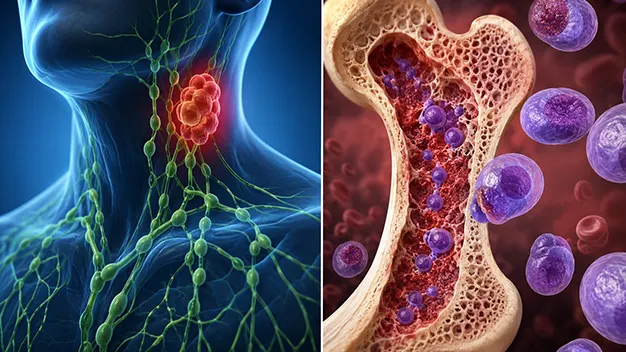
Lymphoma and myeloma are serious blood cancers that affect the immune and lymphatic systems. Lymphoma develops in lymph nodes and white blood cells, while myeloma begins in plasma cells that produce antibodies. Early symptoms such as fatigue, fever, swollen lymph nodes, bone pain, and unexplained weight loss should not be ignored. Understanding causes, types, and symptoms helps in early diagnosis and better treatment outcomes.
What is Lymphoma?
The network of vessels, organs, and tissues that helps to fight body infection is known as the lymphatic system and the cancer that occurs in this lymphatic system is known as lymphoma. Lymphoma is not a common cancer. In the US, the American Cancer Society estimates 89, 000 people are diagnosed with this cancer.
Causes of Lymphoma
Mutation in the white blood cells of the lymphatic system results in lymphoma. The conditions given below are the main risk factors of the lymphoma are as follows:
- HIV
- Mononucleosis (Epstein-Barr)
- Kaposi sarcoma
- Auto-immune diseases
- Weakened immune system.

Dr. Sahil Gupta utilizes carefully formulated Ayurvedic herbal combinations, selected based on classical principles and clinical experience, to support patients in the management of Lymphoma and Myeloma.
This approach aims to improve overall quality of life, support metabolic balance, and complement Ayurvedic medical care where appropriate.
– Dr. Sahil Gupta (B.A.M.S., M.H.A.)
Renowned Ayurvedic Practitioner
CEO & Founder of IAFA®
Symptoms of the Lymphoma
- Persistent fatigue
- Fever
- Night sweat
- Dyspnea (shortness of breath)
- Unexplained weight loss
- Itching
- Cough
- Shortness of breath
- Painless swelling on the lymph nodes
Types of the Lymphoma
- Hodgkin lymphoma
- Non-Hodgkin lymphoma
1. Hodgkin Lymphoma
Hodgkin lymphoma is also known as Hodgkin’s disease. In Hodgkin lymphoma, the white blood cells of the lymphatic system grow out of control which results in swollen lymph nodes that grow throughout the body.
Types of Hodgkin Diseases:
- Cutaneous B-cell lymphoma
- Chronic lymphocytic leukemia
- Cutaneous T-cell lymphoma
- Lymphoma
Symptoms of the Hodgkin’s Disease:
- Night sweat
- Fever
- Unexplained weight loss
- After drinking alcohol pain in the lymph nodes
- Painless swelling in lymph nodes
- Fatigue
2. Non-Hodgkin Lymphoma
Non-Hodgkin lymphoma also occurs in the lymphatic system.
Types of Non-Hodgkin Diseases:
- Cutaneous B-cell lymphoma
- Wald Enstrom macroglobulinemia
- Chronic lymphocytic leukemia
- Cutaneous T-cell lymphoma
- Follicular lymphoma
Symptoms of the Non-Hodgkin disease:
- Abdominal pain
- Abdominal swelling
- Fever
- Chest pain
- Cough
- Trouble breathing
- Unexplained weight loss
- Also Read:- Ayurvedic Treatment for Cancer



Committed to Holistic Healing through Alternative Medicine Since 2008
At Last, Easier Lymphoma and Myeloma Management

Trusted by
More than 90,000 Patients

Convenient
at-Home Treatments

9.2 / 10
Customer Satisfaction Score
What is Myeloma?
Immunoglobulins that fight infections are the antibodies that are made by the plasma cells. The cancer of these plasma cells is known as myeloma. In this type of cancer abnormal antibodies are formed which are known as M- antibodies. These antibodies result in multiple myeloma which is rare blood cancer.
Cause of Myeloma
- Genetic mutation
- Obesity
- Exposure to radiation
- Exposure to chemicals in pesticide
- Exposure to Agent Orange
- Heart disorders
- Type- 2 diabetes
- Rheumatoid arthritis
Symptoms of the Multiple Myeloma
- Bone pain is the first symptom that is seen in multiple myeloma.
- Fatigue
- Feeling confused
- Nausea
- Vomiting
- Unexplained weight loss
- Weakness in arms and legs
- Numbness in arms and legs
- Feeling thirsty
- Signs of hypercalcemia
- Loss of appetite
- Feeling thirsty
Seek Expert Advice
Lymphoma and myeloma can affect immunity, blood cells, and overall health. Recognizing symptoms like swollen lymph nodes, bone pain, fatigue, and weight loss is important for timely medical care. Early diagnosis, awareness of risk factors, and proper treatment can improve quality of life and increase survival chances in these blood cancers.
Take the first step toward better health. Consult Dr. Sahil Gupta and his expert team today and experience the power of Ayurvedic healing in your fight against Lymphoma and Myeloma. Book your appointment now!
Frequently Asked Questions
Q1. What is the Difference Between Lymphoma and Myeloma?
Ans. Lymphoma is cancer of the lymphatic system and white blood cells, while myeloma is cancer of plasma cells in the bone marrow that produce antibodies.
Q2. What are the Early Symptoms of Lymphoma?
Ans. Common early symptoms include painless swollen lymph nodes, fatigue, fever, night sweats, unexplained weight loss, cough, and shortness of breath.
Q3. What is the First Symptom of Multiple Myeloma?
Ans. Bone pain, especially in the back or ribs, is often the first noticeable symptom of multiple myeloma.
Q4. What Causes Lymphoma and Myeloma?
Ans. Both cancers are linked to genetic mutations. Risk factors include weakened immunity, infections like HIV or Epstein-Barr virus, obesity, radiation exposure, and certain chemicals.
Q5. How Can Ayurveda Help Manage Lymphoma and Myeloma?
Ans. Ayurveda may support immunity, reduce fatigue, improve digestion, and enhance quality of life during lymphoma and myeloma treatment when used with medical care.


Was this Page Helpful?
IAFA’s Root-Cause Management for Lymphoma and Myeloma is Just 3 Steps Away!

01. Connect With Us
Share Your History of Illness or Book Your Appointment.

02. Consult With Us
Dr. Gupta A Certified Ayurvedic Practitioner.

03. Root Cause Management
Get An Accurate Diagnosis, Medicine, Diet & Lifestyle Guidance.
Real Case Studies – Successfully Treated Patients
Real Case Studies of Successfully Treated Patients from All Around the World by IAFA Ayurveda®
-

32-Year-Old Female Patient Recovered from Chronic Urticaria and Leaky Gut Syndrome – A Case Study
This case study highlights the successful Ayurvedic treatment of chronic urticaria associated…
-
5-Year-Old Shih Apso Dog Recovered from Canine Peripheral Neuropathy – A Case Study
This case study presents a 5-year-old Shih Tzu-Lhasa Apso crossbreed dog (pet)…
-
9 Year Old Female Patient Recovered from Chronic Allergic Bronchitis – A Case Study
This case study presents a 9-year-old female patient who has successfully recovered…
-
12-Year-Old Child Recovered from Solar Urticaria (Chronic Sun-Sensitivity) – A Sun Allergy Case Study
This is a case study of a 12-year-old child who has successfully…




Read More Articles
-

Spinal Cord and Brain Cancer
Learn about spinal cord and brain cancer, including common tumor types, symptoms,…
-
-