

 1968
 Share




Abstract
Allergic Rhinitis is considered a major nasal condition impacting a large number of people around the world and it is now becoming a global health problem. This disease is also known for its recurrence and chronicity. Allergic Rhinitis is an immune response of the nasal mucosa to the airborne allergens which involves symptoms like – nasal congestion, itching, sneezing etc.
Modern medical treatments can help calm the symptoms of allergic rhinitis, although symptom control and long-term management may vary among individuals. Ayurveda offers a holistic approach to patient care, focusing on individual assessment and symptom management. In Ayurveda, Pratishyaya is described among the Nasagata Rogas (diseases affecting the nasal passages) and is discussed in detail by several classical Ayurvedic scholars (Acharyas).
This article describes the case of a patient with chronic allergic rhinitis who received Ayurvedic treatment at IAFA. The treatment approach included internal and external Ayurvedic therapies based on the assessment of the patient’s condition. Clinical improvement was reported within 10–15 days of treatment. The patient’s symptoms and clinical response were monitored during the treatment period. These observations are limited to this individual case and do not establish the efficacy of the treatment for allergic rhinitis in the general population.
Keywords: Allergic Rhinitis, Vataj Pratishyaya, Nasya Karma.
Introduction
The hypersensitive reaction caused by the immune system of the body due to interaction with a particular substance or material or situation is known as Allergy. The harmless substance that causes allergy is called Allergen. The vast experience of IAFA proves that Food Allergy, Skin Allergyand Nasal Allergyare the most recorded allergic cases.
Ayurvedic Concept
Allergic Rhinitis is classified as Vata – Kaphaj Pratishyay in Ayurveda. The above shloka mentioned in Ayurveda explains the signs and symptoms of Vata Kapha pratishyay, as:
- Sneezing
- Headache
- Nasal congestion
- Nasal Discharge
- Itching in the nose
- Fatigue
- Fever
- Loss of taste
Case Report
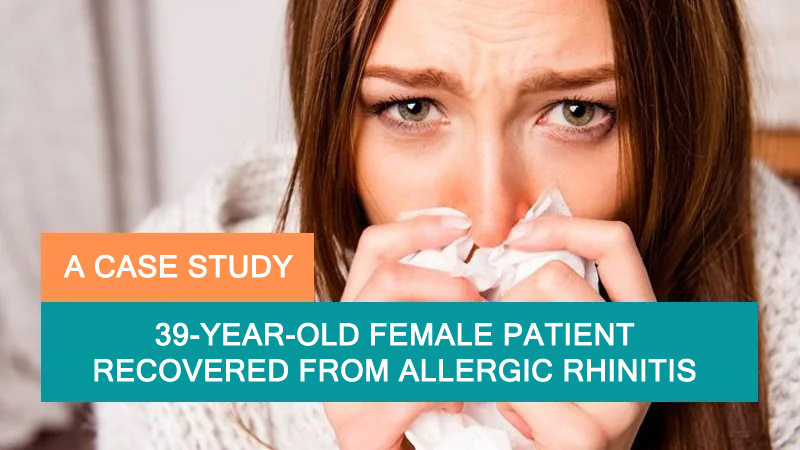
A 39-year-old female suffering from allergic rhinitis sought an online consultation with IAFA, complaining of continuous sneezing, a runny nose, nasal irritation and congestion, watery and irritated eyes, an itchy palate, a sore throat, a mild headache, and postnasal drip for the past three consecutive years.
The symptoms usually present seasonally during spring to fall, usually worsen from June-July. During wake- up time in the morning, there is continuous sneezing for 1-2 hours which is suggestive of temperature change intolerances. As per patient’s clinical history, she is also having symptoms related to acute sinusitis and allergic asthma with shortness of breath occasionally.
Treatment Plan
1. External Procedure:
A. Pratimarsha Nasya Karma: with
- Nasa Yoga Ghrutam
- IAFA Nasal All Clear X Drops
2. Internal Medication:
B. IAFA Respiratory Detox Tablets
C. IAFA Respiro Detox Formula
D. IAFA Res Chai – 7
E. Shwas Kuthar Ras
F. Laxmi Vilas Ras
How to Use / Dosage?
- Nasa Yoga Grutham: 4-6 drops to be instilled in bilateral nostrils twice in a day in early morning and at bedtime and 4-6 drops in umbilical region twice in a day in early morning and at bed time.
- IAFA Nasal Clear X Drops: 2-4 drops to be instilled in bilateral nostrils twice in a day in morning 1 hour after Nasa Yoga Grutham and early evening too before Nasa Yoga Grutham.
- IAFA Respiratory Detox Tablets: 2 tablets (750 mg) to be taken twice a day 15 minutes before meals.
- IAFA Respiro Detox Formula: 2.5 gram (1/2 teaspoon) to be taken twice a day with honey or lukewarm water.
- IAFA Res Chai – 7: ½ (2.5 g approx.) for 1 cup of tea to be taken twice a day.
- Shwas Kuthar Ras: 2 tablets twice a day 15 minutes after meals with honey in lukewarm water.
- Laxmi Vilas Ras: 1 tablet twice a day 15 minutes after meals with honey or lukewarm water.
Diet Plan
As the allergic progression started due to inhalation of allergens and other environmental factors in the present case due to which symptoms like nasal irritation with continuous sneezing was recurrent. Due to diminished Agni (digestive fire), Ama visha (difficult to digest products) generated within the body. So, IAFA recommended the food that is alkaline in nature having properties like stimulating the digestive fire, pH balancing and enzymatic action balancing.
Do’s (Pathya):
- Light and easily digestible food
- Frequent intake of small amounts of lukewarm water
- Fresh curd in the mid noon only with black pepper
- Take herbs like fennel, cumin and curry leaves regularly.
- Fresh fruits like pomegranate and apples regularly.
Don’ts (Apathya):
- Dairy products such as cream, cheese and soft cheeses.
- Spicy and deep – fried food.
- Packaged food
- Fermented food
- Vegetables like eggplant, lady finger, mushroom
- Fruits like avocado and banana
- All nuts and peanuts except walnuts and almonds.
Conclusion
Though, Allergic Rhinitis is not a life- threatening disease but it significantly impairs a patient’s quality of life and productivity. The modern treatment of allergic rhinitis is not free from side effects despite the availability of newer and newer medications. At IAFA, the internal and external solutions for allergic rhinitis along with changes in diet provided comfort in the condition of the patient.

External treatment therapy like Nasya has been used in Ayurveda since ancient times for the diseases of head and neck. The Ayurvedic medicines of allergic sneezing follow a holistic approach. Thus, this case study can open a new direction in Ayurveda inspired novel targeted drug delivery systems. If anyone suffering the same can opt for Ayurveda and consult with our health experts.