
Ayurvedic Treatment for Tinea Versicolor
Discover Ayurvedic treatment for Tinea Versicolor, a common fungal skin condition causing white or brown patches. Learn symptoms, causes, prevention, and expert guidance from Dr. Sahil Gupta.
On This Page


-
 6661
6661
 6661
6661
 Share
ShareSummarise this article using AI




Introduction
Are you noticing lighter or darker patches on your skin that refuse to go away? If they itch, flake, or become more obvious after sweating or being in the sun, and if they keep spreading across areas like the chest, back, shoulders, or neck, then you may have a condition known as Tinea versicolor.
If every cream you try only helps for a short time before the problem returns, then you’re likely dealing with Tinea Versicolor. Don’t worry – you’re in the right place. Dr. Sahil Gupta at IAFA Ayurveda provides focused Ayurvedic care that addresses the root cause and helps manage this skin condition effectively and without any side effects.
Tinea versicolor can be correlated in Ayurveda as a Kushta predominantly correlated with Sidhma Kushta, while also mentioning the alternative view of Rikshajihva or Rushyajihva for completeness. Below, you will get complete information on Tinea versicolor from both the Ayurveda and modern perspectives.
Quick Summary
| Question | Answer |
| What causes Tinea Versicolor? | Malassezia yeast overgrowth |
| Is it contagious? | No |
| Does it itch? | Mildly |
| Can it recur? | Yes |
| Is it dangerous? | No |
| Can Ayurveda help? | May help manage recurrence and skin health |
What is Tinea Versicolor?
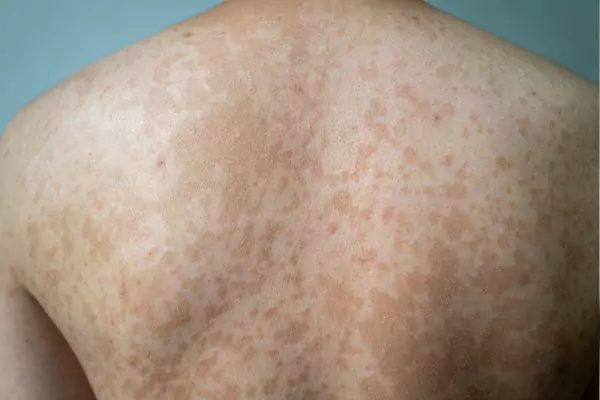
Tinea versicolor, also known as pityriasis versicolor, is a superficial fungal infection caused by Malassezia species, commonly seen on the trunk, neck, and proximal upper limbs, especially in hot and humid climates. Clinically, it presents as hypo ‑ or hyper‑pigmented, fine scaly macules that may combine to form larger patches, with mild or no itching in many patients.
In Ayurveda, most research scholars correlate it with Sidhma Kushta under the spectrum of Maha Kustha Roga, though some texts and research scholars also correlate it with the term Rikshajihva Kushta.
Tinea Versicolor Causes and Pathogenesis (Ayurveda Nidana and Samprapti)
सर्वं त्रिदोषजं कुष्ठं दोषाणां तु बलाबलम् |
यथास्वैर्लक्षणैर्बुद्ध्वा कुष्ठानां क्रियते क्रिया ||
दोषस्य यस्य पश्येत् कुष्ठेषु विशेषलिङ्गमद्रिक्तम् |
तस्यैव शमं कुर्यात्ततः परं चानुबन्धस्य ||
(Charaka Samhita, Chikitsa Sthana, 7/ 31-32)
Classically, Kustha arises from combined vitiation of all three doshas along with involvement of twak, rakta, mamsa and ambu (lasika), making it a Tridoshaja Vyadhi with variable dosha predominance.
वातेऽधिकतरे कुष्ठं कापालं मण्डलं कफे |
पित्ते त्वौदुम्बरं विद्यात् काकणं तु त्रिदोषजम् ||
वातपित्ते श्लेष्मपित्ते वातश्लेष्मणि चाधिके |
ऋष्यजिह्वं पुण्डरीकं सिध्मकुष्ठं च जायते ||
चर्माख्यमेककुष्ठं च किटिमं सविपादिकम् |
कुष्ठं चालसकं ज्ञेयं प्रायो वातकफाधिकम् ||
पामा शतारुर्विस्फोटं दद्रुश्चर्मदलं तथा |
पित्तश्लेष्माधिकं प्रायः कफप्राया विचर्चिका ||
(Charaka Samhita, Chikitsa Sthana, 7/ 27-30)
For Sidhma Maha Kustha, Vata-Kapha predominance with associated Pitta vitiation is generally described, explaining the roughness, scaling, mild itching, and color changes seen in tinea versicolor.
विरोधीन्यन्नपानानि द्रवस्निग्धगुरूणि च |
भजतामागतां छर्दिं वेगांश्चान्यान्प्रतिघ्नताम् ||
व्यायाममतिसन्तापमतिभुक्त्वोपसेविनाम् |
शीतोष्णलङ्घनाहारान् क्रमं मुक्त्वा निषेविणाम् ||
घर्मश्रमभयार्तानां द्रुतं शीताम्बुसेविनाम् |
अजीर्णाध्यशिनां चैव पञ्चकर्मापचारिणाम् ||
वान्नदधिमत्स्यातिलवणाम्लनिषेविणाम् |
माषमूलकपिष्टान्नतिलक्षीरगुडाशिनाम् ||
व्यवायं चाप्यजीर्णेऽन्ने निद्रां च भजतां दिवा |
विप्रान् गुरून् धर्षयतां पापं कर्म च कुर्वताम् ||
(Charaka Samhita, Chikitsa Sthana, 7/ 4-8)
- Causative factors or Nidana of all Kustha Roga, like tinea versicolor, include Viruddha Annapana, excessive intake of Drava, Snigdha, and Guru Dravyas, restraining natural urges like vomiting, etc.
- Exercising or coming into contact with excessive heat after eating an excessive quantity of food.
- Indulging in habits such as taking Sheeta Guna food, etc., followed by Ushna Guna or fasting, followed by heavy meals.
- Having cold water immediately after exposure to scorching sun, exertion, and fear, eating uncooked or raw foods, or having meals although previously taken meals have not been digested.
- Indulging in food and other habits that have been restricted during the phase of Panchakarma.
- Consuming new grains, curds, fish, excessively salty, and sour food items.
- Black grams, radish, food prepared from flour paste, sesame, milk, and jaggery products.
- Indulging in sexual activity even if the food is not well digested (sexual intercourse immediately after taking food), sleeping during daytime, insulting peers like Brahmin or Guru, and other respected persons, and doing sinful acts are the causative and risk factors of Kushtha.
Tinea Versicolor Causes and Pathogenesis (Modern Perspective)
Causes (Etiological Factors)
- Overgrowth of Malassezia yeast on skin
- A hot and humid climate, which results in summer or monsoon flare-ups
- Excessive sweating
- Nutritional deficiencies and stress affect skin defense
- Oily skin or increased sebum production (adolescents, young adults)
- Wearing tight, non-breathable synthetic clothing
- Poor hygiene or prolonged moisture on the skin
- Hormonal changes, like in puberty, pregnancy, etc.
- Immunosuppression or chronic illness
- Use of oily creams, coconut oils, and body lotions
Pathogenesis
Tinea versicolor develops when Malassezia yeast within the normal skin flora converts to its pathogenic hyphal form under favorable conditions such as heat, humidity, and excess sebum. The fungus colonizes the stratum corneum, utilizes lipids, and releases dicarboxylic acids like azelaic acid that inhibit tyrosinase, leading to reduced melanin formation and hypopigmented patches. Mild inflammatory response in some individuals may instead cause retained melanin and hyperpigmented lesions. Fungal metabolites disrupt keratinocyte turnover, producing fine scaling. The superficial location and altered host immune response enable chronicity and recurrence.
Symptoms of Tinea Versicolor and its Correlation with Sidhma Kushta
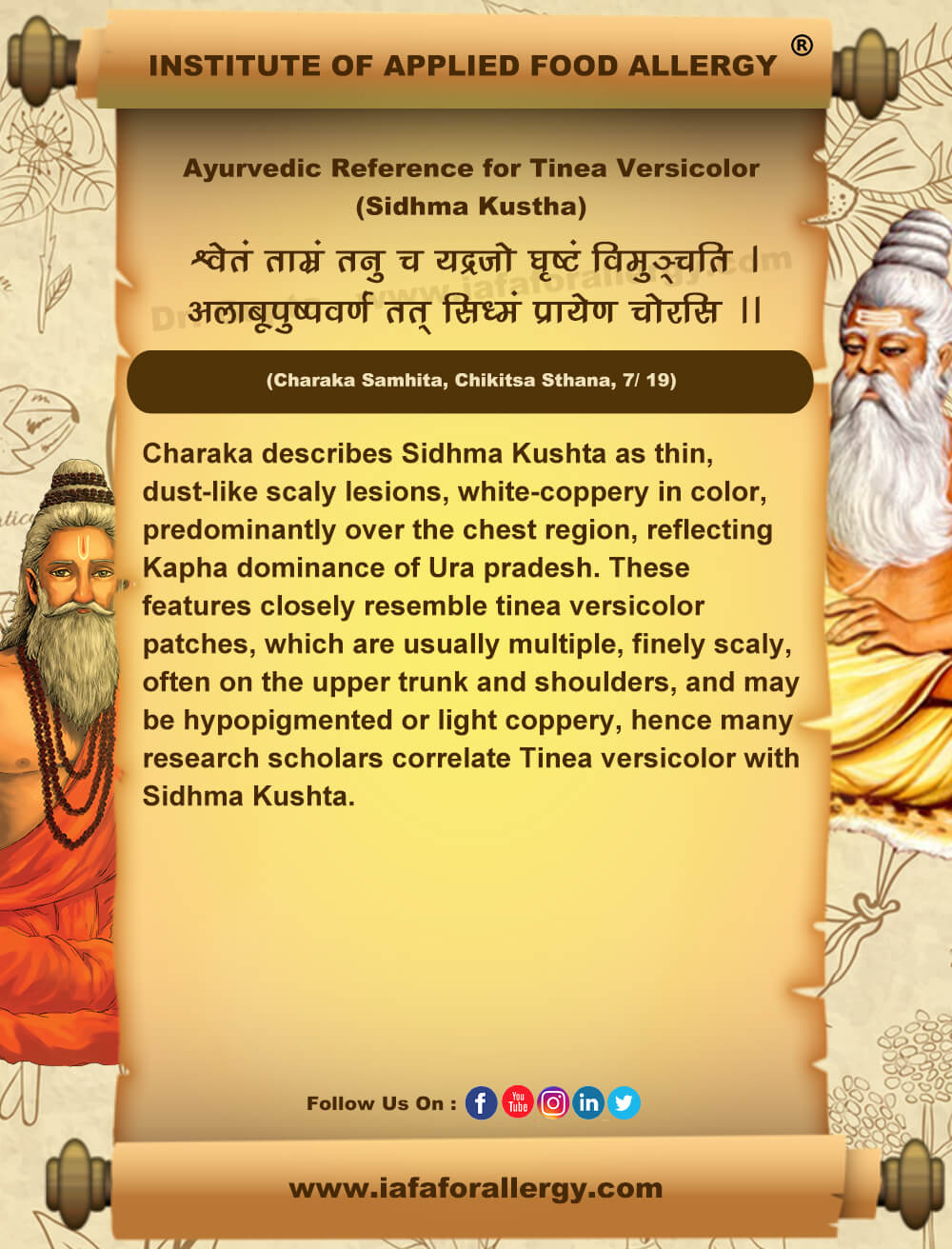
श्वेतं ताम्रं तनु च यद्रजो घृष्टं विमुञ्चति |
अलाबूपुष्पवर्णं तत् सिध्मं प्रायेण चोरसि ||
(Charaka Samhita, Chikitsa Sthana, 7/ 19)
Charaka describes Sidhma Kushta as thin, dust‑like scaly lesions, white-coppery in color, predominantly over the chest region, reflecting Kapha dominance of Ura pradesh. These features closely resemble tinea versicolor patches, which are usually multiple, finely scaly, often on the upper trunk and shoulders, and may be hypopigmented or light coppery, hence many research scholars correlate Tinea versicolor with Sidhma Kushta.
Symptoms of Tinea versicolor and its Correlation with Rikshajihva or Rushyajihva
कर्कशं रक्तपर्यन्तमन्तः श्यावं सवेदनम् |
यदृष्यजिह्वासंस्थानमृष्यजिह्वं तदुच्यते ||
(Charaka Samhita, Chikitsa Sthana, 7/ 17)
Some Ayurvedic authors correlate tinea versicolor with Rikshajihva or Rushyajihva Kushta based on the classical description and resemblance to the tongue of a deer or antelope. This description represents the roughness, raised borders, color variation between centre and margin, and presence of papules, which may mimic annular or ring‑like lesions seen in certain fungal dermatoses.
In practice, however, the fine branny scaling and typical trunk distribution align more consistently with Sidhma Kustha; therefore, the tinea versicolor is primarily correlated with Sidhma Kustha, with some authors considering similarity to Rikshajihva Kushta.
Thus, the line of management focuses both on local Shamana of Dosha and Krimi, and systemic correction of Agni and Dosha imbalance to prevent recurrence.
Symptoms of Tinea Versicolor (Modern Perspective)
- Chronic course with frequent recurrences, especially in the summer
- Light (hypopigmented) or dark (hyperpigmented) patches on the skin
- Fine, dry, powdery scaling over lesions
- Mild to moderate itching, especially with heat or sweating
- Patches may appear pink, brown, white, or tan, which is a versicolor nature
- Sharply demarcated spots that may merge into larger patches
- More visible color contrast after sun exposure
- Common sites: chest, upper back, neck, shoulders, upper arms
- Usually symmetrical distribution
- No pain or systemic symptoms
Comparative Table of Tinea Versicolor with Sidhma Kustha and Rishyajivha
| Clinical Feature | Tinea Versicolor (Modern) | Sidhma Kustha | Match Score with Sidhma Kustha | Rishyajihva Kustha | Match Score with Rishyajihva |
| Skin color | Hypo or hyper-pigmented | Hypopigmented or dull | +++++ | Reddish-brown | ++ |
| Scaling | Very fine, powdery | Very fine | +++++ | Rougher | ++ |
| Itching | Mild | Minimal or none | ++++ | Moderate | +++ |
| Inflammation | Minimal | Minimal | +++++ | Moderate redness | +++ |
| Location | Chest, back, or shoulders | Ura Region dominant | +++++ | Trunk too, but more spread | +++ |
| Borders | Well-defined | Softer edges | ++++ | Raised, tongue-like | +++ |
| Surface feel | Dry | Soft, smooth | +++ | Rough | ++++ |
| Depth | Very superficial | Superficial | +++++ | Slight deeper | +++ |
| Chronicity | Recurrent | Chronic | +++++ | Chronic, progressive | +++ |
| Pain | Absent | Absent | +++++ | Rare tenderness | ++ |
The hallmark features of Tinea Versicolor, i.e., hypopigmented patches with fine scaling, minimal inflammation, superficial involvement, and chest or back predominance, achieve maximum correlation with Sidhma Kustha. Only cases showing rougher plaques and visible erythema exhibit partial overlap with Rishyajihva Kustha.
Ayurvedic Reference for Tinea Versicolor (Sidhma Kustha)

Dr. Sahil Gupta’s Clinical Experience
In our clinical practice, recurrent Tinea Versicolor is commonly seen in individuals with excessive sweating, oily skin, gym activity, and humid climate exposure. Many patients have already used multiple antifungal creams before seeking Ayurvedic management.
– Dr. Sahil Gupta (B.A.M.S., M.H.A.)
Ayurvedic Allergy Specialist
CEO & Founder of IAFA®
At last, Easier Tinea Versicolor Management

Trusted by
More than 90,000 Patients

Convenient
at-Home Treatments

9.2 / 10
Customer Satisfaction Score
Ayurvedic Treatment for Tinea Versicolor
Ayurvedic Treatment for Tinea Versicolor is based on the principles of Kustha Chikitsa, which emphasize Shodhana therapies such as Vamana, Virechana, and Raktamokshana according to Dosha predominance, followed by long-term Shamana and Rasayana therapy.
In Sidhma-type presentations of Tinea Versicolor, several studies have reported the usefulness of Virechana Karma as a primary therapeutic approach, along with external Lepa application. Pathya Ahara and Vihara, including light and easily digestible food, avoidance of Snigdha, Guru, Abhishyandi, junk, and excessively oily foods, maintenance of personal hygiene, and prevention of excessive sweating, are considered important for reducing the risk of relapse.
| Ayurvedic Chikitsa | Examples | Modern Correlation | Probable Pharmacological Mechanism |
| Dosha – Dushya Pratyanika Chikitsa | Kaishore Guggulu, Arogyavardhini Vati | Targets chronic inflammatory or metabolic dysfunction | Anti-inflammatory, hepatoprotective, keratinocyte regulation |
| Trikatu Churna | Improves gut and metabolic function | Enhances bioavailability, reduces endotoxemia, and immunomodulation | |
| Guduchi, Manjishta, Khadir | Treats immune dysregulation | Antioxidant, antifungal, detoxifying, and blood purification | |
| Shodhana – Vamana Kar,a | Madanaphala Yoga, Kutaj | Clears Kapha load | Reduces Malassezia proliferation in the environment (oily/ moist skin) |
| Shodhana – Virechana | Trivrit Lehya, Aragvadhadi Kwath | Removes Pitta-Rakta pathology | Anti-inflammatory, improves epidermal regeneration |
| Raktamokshana | Siravyadha, Jalauka | Local inflammation control | Reduces cytokines, improves microcirculation |
| Abhyantara Shamana | Panchtikta Kwath, Khadirarishta, Sarivadyasava | Oral antifungal and immune support | Suppresses fungal growth, corrects dysbiosis |
| Bahya Shamana- Lepa | Nimba, Haridra, Karanj Lepa | Topical antifungal action | Curcumin and azadirachtin inhibit Malassezia and reduce inflammation |
| Bahya Shamana-Taila | Karanjadi Taila, Nimbadi Taila | Barrier restoration | Lipid balance correction, antimicrobial activity |
| Parisheka/ Snana | Triphala-Khadir Kashaya | Cleanse and reduce irritation | Mild astringent that reduces scaling and fungal colonization |
| Rasayana | Guduchi, Amalaki, Yashtimadhu | Immunomodulation | Enhance T-cell regulation, antioxidant defense |
| Nidana Parivarjana | Avoid curd, fermented items | Remove triggers of fungal growth | Reduces skin surface acidity and sebum imbalance |



Committed to Holistic Healing through Alternative Medicine Since 2008
Pathya and Apathya
लघूनि चान्नानि हितानि विद्यात् कुष्ठेषु शाकनि च तिक्तकानि |
भल्लातकैः सत्रिफलैः सनिम्बैर्युक्तानि चान्नानि घृतानि चैव ||
पुराणधान्यान्यथ जाङ्गलानि मांसानि मुद्गाश्च पटोलयुक्ताः |
शस्ता, न गुर्वम्लपयोदधीनि नानूपमत्स्या न गुडस्तिलाश्च ||
(Charaka Samhita, Chikitsa Sthana, 7/ 19)
Easily digestible and wholesome food, green leafy vegetables, bitter in taste, food and ghee prepared by fortifying with bhallataka, triphala, and nimba, one-year-old cereals, meat of animals inhabiting arid areas, and preparations of mudga and patola. Avoid heavy-to-digest, sour food, milk, curd, meat of animals residing in marshy areas, fish, jaggery, and sesame. These are common Pathya and Apathya of all skin disorders mentioned in Ayurvedic classical literature.
Pathya (Dos)
Aahara (Diet)
- Old shali rice, barley, wheat in moderation
- Green gram (Mudga), horse gram (Kulatha)
- Bitter vegetables like Neem Patra, Patola, Karela, and Methi should be taken.
- Light and warm meals like Yavagu, Mudga Yusha, etc. should be taken.
- Fruits like Amla, Jamun, and Pomegranate should be included in the diet
- Sip warm water frequently
- Buttermilk, i.e., thin, churned, spiced, should be taken
Vihara (Lifestyle)
- Daily Snana with Khadir or Triphala decoction
- Proper drying of skin, especially folds (avoid dampness)
- Loose cotton clothing
- Regular exercise to improve metabolism and sweating (followed by hygiene)
- Adequate sleep schedule
- Stress control by meditation, pranayama
- Avoid sharing towels and clothes
- Frequent washing after sweating
- Keep hair and trunk areas clean (Malassezia hotspots)
- Use herbal dusting powders if excessive sweating
Apathya (Donts)
Aahara (Diet)
- Curd, especially at night
- Intake of milk with fish or milk with salty foods
- Fermented foods like idli, dosa, and vinegar-based pickles
- Oily, deep-fried, junk, bakery items
- Excessive sweets, chocolate, and jaggery
- Cold water, ice cream, cold drinks
- Excessive sour items like tamarind and citrus in large quantities
- Heavy-to-digest foods like red meat
- Intake of alcohol
Vihara (Lifestyle)
- Day sleeping
- Use of tight synthetic clothing, as it traps sweat and fungus
- Staying long with sweat on the skin
- Swimming in contaminated pools
- Excessive sun exposure causes pigment contrast
- Self-scrubbing harshly leads to micro abrasions and more infection
- Neglecting hygiene after gym/sports
- Chronic stress weakens the immune response
- Using oily cosmetics or creams on affected areas
Yoga, Lifestyle, and Prognosis
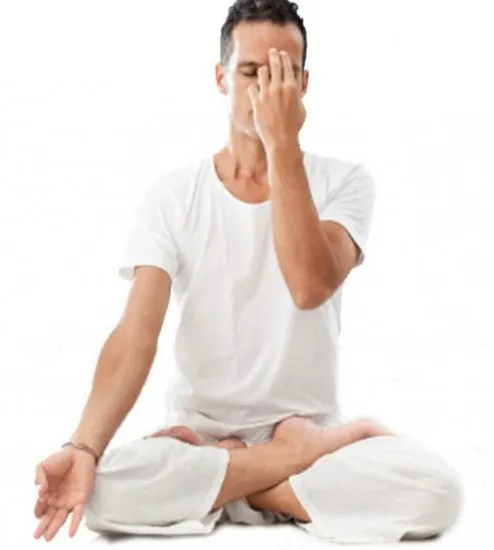
Simple yoga practices such as Surya namaskar, Vajrasana, Padmasana, Paschimottana Asana, and regular pranayama like Anulom-Vilom, mild Kapalabhati, are suitable for supporting Agni, metabolism, and stress management, indirectly helping skin health. Avoiding tight, non‑breathable clothing, changing out of sweaty garments quickly, and avoiding frequent use of comedogenic, very oily cosmetics reduce the risk of recurrence. Prognosis is generally good, but pigment normalisation may take weeks to months even after successful fungal control, which should be clearly explained to the patient.
When Should You Consult a Doctor for Tinea Versicolor?
You should seek medical advice if:
- The patches continue to spread.
- Symptoms recur every few months.
- Over-the-counter treatments are not helping.
- The diagnosis is uncertain.
- Pigmentation is not improving after treatment.
Dr. Sahil Gupta provides consultation for the diagnosis and management of Tinea Versicolor, including recurrent and chronic cases. Book Your Consultation Now!!!
Frequently Asked Questions
Q1. What exactly is Tinea Versicolor?
Ans. It’s a fungal skin infection caused by Malassezia, a yeast normally living on skin. When it overgrows, it produces patches that are lighter or darker than the surrounding skin.
Q2. Is it Contagious?
Ans. No. It doesn’t spread from one person to another, and it only worsens when your own skin environment favors fungal overgrowth.
Q3. Why Do I Get White or Brown Patches?
Ans. The fungus suppresses melanocytes in some areas of the body and inflames others, which leads to hypo- or hyperpigmentation.
Q4. Will My Color Return to Normal After Treatment?
Ans. Yes, but pigment takes longer to normalize, i.e., weeks to months, even after the fungus is gone. So, treatment stops the disease, and time restores color.
Q5. Does Sweat or Heat Make it Worse?
Ans. Absolutely Yes. Sweat, humid climate, and oily skin are the perfect breeding ground for Malassezia.
Q6. Is it Dangerous or Linked to a Serious Disease?
Ans. No, but it signals imbalance, i.e., poor skin microbiome, Kapha–Pitta dominance, Sebum and moisture dysregulation. Ignoring leads to recurrence and spread, not systemic danger.
Q7. What is the Best Lifestyle to Stop Recurrence?
Ans. Keep your body clean and dry, especially after sweating. Wear cotton. Avoid curd, oily food, cold drinks, too much sugar, etc. Use an antifungal herbal wash weekly during humid seasons.
Q8. What is the Ayurvedic Correlation of Tinea Versicolor?
Ans. The closest entity is Sidhma Kustha, which is a Kapha-Vata dominant skin disorder with Pitta involvement.
Q9. What is the Goal of Ayurvedic Treatment?
Ans. Not just symptom relief but reversing root imbalance.
Q10. Why is Vamana Recommended in Sidhma Kustha?
Ans. Kapha is primary. Removing Kapha at the root helps reduce relapses drastically.
Q11. How Long Does Ayurvedic Treatment Take?
Ans. Fungal control takes approximately. 2–4 weeks, color normalization takes approximately. 6–12 weeks, and the recurrence prevention protocol takes 3–6 months.
Q12. Is Ayurveda Effective for Recurrent Cases?
Ans. Yes, because Ayurveda modifies the environment that fungi need to survive.
Q13. What Foods Worsen Sidhma Kustha?
Ans. Curd, fermented foods, excessive sugar, oily or junk food, etc.
Q14. Can Tinea Versicolor Spread?
Ans. Tinea Versicolor is not considered highly contagious. It is caused by an overgrowth of a naturally occurring yeast called Malassezia that normally lives on the skin. The condition develops when this yeast grows excessively due to factors such as hot weather, sweating, oily skin, hormonal changes, or a weakened immune system. It does not usually spread through casual skin contact.
Q15. Is Tinea Versicolor Caused by Poor Hygiene?
Ans. No, Tinea Versicolor is not caused by poor hygiene. Even people who maintain excellent personal hygiene can develop this condition. The main cause is an overgrowth of Malassezia yeast on the skin, often triggered by heat, humidity, excessive sweating, or oily skin rather than lack of cleanliness.
Q16. Can Tinea Versicolor Go Away on its Own?
Ans. In some cases, mild Tinea Versicolor may improve without treatment, especially during cooler weather. However, the infection often persists or recurs if left untreated. Antifungal treatments can help eliminate the yeast and reduce the risk of recurrence. Skin color changes may take weeks or months to return to normal even after successful treatment.
Q17. Which Soap is Best for Tinea Versicolor?
Ans. There is no specific soap that can cure Tinea Versicolor. However, antifungal cleansers containing ingredients such as ketoconazole, selenium sulfide, or zinc pyrithione may help control yeast overgrowth when recommended by a healthcare professional. Gentle, non-comedogenic soaps are generally preferred to avoid skin irritation.
Q18. Does Coconut Oil Worsen Tinea Versicolor?
Ans. Coconut oil has natural antimicrobial properties, but its effect on Tinea Versicolor is not well established. In some individuals, applying oils may increase skin oiliness and create conditions that favor yeast growth. If symptoms worsen after using coconut oil, it is advisable to discontinue use and seek medical advice.
Q19. What Foods Should be Avoided?
Ans. There is no strong scientific evidence that specific foods directly cause or worsen Tinea Versicolor. A balanced diet that supports overall immune health is recommended. Reducing excessive intake of sugary and highly processed foods may be beneficial for general skin health, but dietary changes alone cannot cure the condition.
Q20. Can Children Get Tinea Versicolor?
Ans. Yes, children and adolescents can develop Tinea Versicolor, although it is more common among teenagers and young adults. The condition may appear as lighter or darker patches on the skin, especially on the chest, back, neck, or shoulders. Early diagnosis and treatment can help prevent the infection from spreading over larger areas of the skin.
Q21. Is Tinea Versicolor Permanent?
Ans. No, Tinea Versicolor is not in permanent skin condition. The fungal overgrowth can usually be controlled with appropriate treatment. However, recurrence is common, particularly in hot and humid climates. Preventive skin care and periodic antifungal treatment may be recommended for people who experience frequent relapses.
Seek Expert Advice
Tinea Versicolor is often manageable, but recurrence can be frustrating. Early diagnosis and appropriate treatment may help reduce symptoms, control fungal overgrowth, and minimize future flare-ups.
Consult Dr. Sahil Gupta for a personalized Ayurvedic assessment and treatment plan for Tinea Versicolor.
References
- Tripathi Brahmanand and Pandey G.S., Charaka Samhita of Agnivesa with Charaka Chandrika Hindi Commentary, 6th Ed., Varanasi: Chaukhamba Surbharati Prakashan, (Vol- 1), 1999.
- Tripathi Brahmanand and Pandey G.S., Charaka Samhita of Agnivesa with Charaka Chandrika Hindi Commentary, 6th Ed., Varanasi: Chaukhamba Surbharati Prakashan. (Vol- II), 1999.
- Shastri K. Ambikadatta, Sushruta Samhita of Maharsi Sushrut edited with Ayurveda Tattva Sandipika Hindi Commentary, 13th Ed., Varanasi: Chaukhamba Sanskrit Bhawan, (Vol-1), 2000.
- Shastri K. Ambikadatta, Sushruta Samhita of Maharsi Sushrut edited with Ayurveda Tattva Sandipika Hindi Commentary, 13th Ed., Varanasi: Chaukhamba Sanskrit Bhawan, (Vol-II), 2000.
- Vagbhatta Astanga Hridaya, Nidana sthana, edited by Y. Upadhaya, Chaukambha Prakashan, Varanasi, 2012.
- Textbook of pathology by Harsh Mohan: seventh edition.
- Brahmanant Tripati, Madhava Nidana Chukambha Surabharati Prakashan, Edition, 2012.
- Shri Shashtri. S, Madava Nidanam of Madavakara with Madhukosha Sanskrit Commentary, Chaukhamba Sanskrit Sansthan, Varanasi, 2003
- Dr. P. S. Byadgi, Dr. A. K. Pandey. A textbook of Kaya Chikitsa, reprint 2017, Chaukambha publication, Vol. II.
- Dr. Nisha Kumari, A textbook for Roga Nidana and Vikruthi Vigyana, First edition 2017, Chaukambha Orientalia, Vol. II.
- Dr. P. S. Byadgi, Ayurvediya Vikriti Vijana, and Roga Vijanana, reprint 2016, Chaukambha publication, Vol. II.
- Sandhya A Kamath, S. N. S., Milland Y Nadkar, Edition 11, Vol. II, Published by the association of physicians of India.
- Leung AK, Barankin B, Lam JM, Leong KF, Hon KL. Tinea versicolor: an updated review. Drugs Context. 2022 Nov 14; 11: 2022- 9- 2. doi: 10. 7573/ dic. 2022- 9-2. PMID: 36452877; PMCID: PMC9677953.
- Labednz, N., & Pietkiewicz, P. (2023). Pityriasis Versicolor- A Narrative Review on Diagnosis and Management. Life, 13 (10), 2097. https:// doi. org/ 10. 3390/ life- 13102097
- Dhurve, Sanjay & Patil, Pallavi. (2022). A REVIEW ON “A CLINICAL STUDY OF GANDHAKADI LEPA IN SIDHMA WITH SPECIAL REFERENCE TO TINEA VERSICOLOR (PITYRIASIS VERSICOLOR).
- Bamford, J. T., Ray, S., Bigby, M., & Arkoncel, M. (2018). Interventions for the treatment of pityriasis versicolor. The Cochrane Database of Systematic Reviews, 2018(6), CD011208. https:// doi. org/ 10. 1002/ 14651858. CD011208. pub2
- Borelli D, Jacobs PH, Nall L. Tinea versicolor: epidemiologic, clinical, and therapeutic aspects. J Am Acad Dermatol. 1991 Aug; 25 (2 Pt 1): 300- 5. doi: 10. 1016/ 0190- 9622 (91) 70198- b. PMID: 1918469.
- Shinde, Dattatraya & Patil, Vishakha. (2022). A Detailed Review on Sidhma Kushtha with Special Reference to Tinea Versicolor. (Pityriasis Versicolor). 10. 2455- 6211.
- K, Geethu & Madhu, P. (2025). Ayurvedic Management of Sidhma Kushta: An Evidence-Based Case Report. International Journal of Ayurveda and Pharma Research. 43- 49. 10. 47070/ ijapr. v13i3. 3624.


Was this Page Helpful?
So, IAFA’s Ayurvedic Management of Tinea Versicolor is Just 3 Steps Away!

01. Connect With Us
Share Your History of Illness or Book Your Appointment Now.

02. Consult With Us
Dr. Gupta A Certified Ayurvedic Allergy Specialist.

03. Root Cause Treatment
Get An Accurate Diagnosis, Medicine, Diet and Lifestyle Guidance.
Real Case Studies – Successfully Treated Patients
Real Case Studies of Successfully Treated Patients from All Around the World by IAFA Ayurveda®
-

32-Year-Old Female Patient Recovered from Chronic Urticaria and Leaky Gut Syndrome – A Case Study
This case study highlights the successful Ayurvedic treatment of chronic urticaria associated…
-
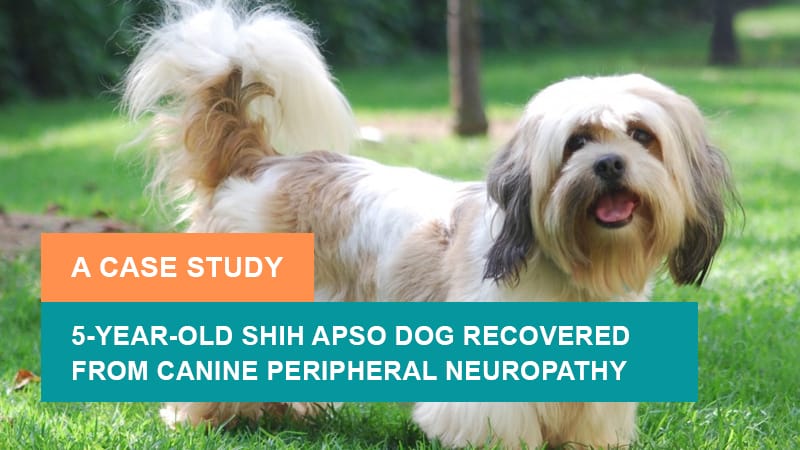
5-Year-Old Shih Apso Dog Recovered from Canine Peripheral Neuropathy – A Case Study
This case study presents a 5-year-old Shih Tzu-Lhasa Apso crossbreed dog (pet)…
-
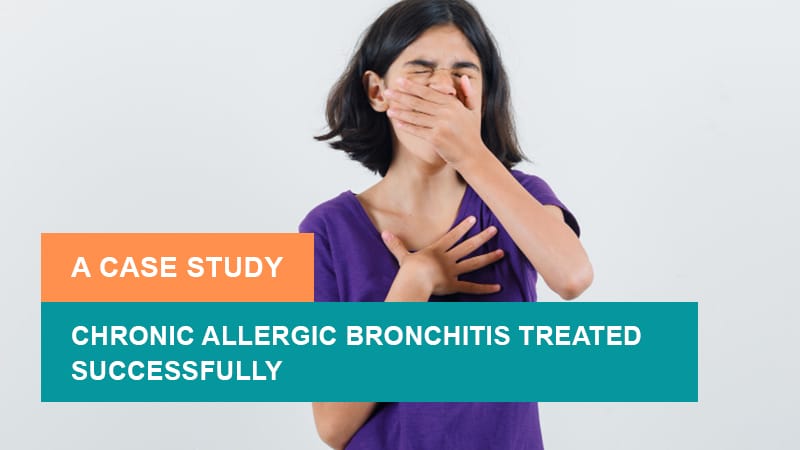
9 Year Old Female Patient Recovered from Chronic Allergic Bronchitis – A Case Study
This case study presents a 9-year-old female patient who has successfully recovered…
-
12-Year-Old Child Recovered from Solar Urticaria (Chronic Sun-Sensitivity) – A Sun Allergy Case Study
This is a case study of a 12-year-old child who has successfully…

Read More Articles
-

Oral Lichen Planus
Oral Lichen Planus is a chronic inflammatory oral condition causing white streaks,…
-
Jock Itch (Tinea Cruris)
Discover safe and effective Ayurvedic treatment for Jock Itch (Tinea Cruris). Relieve…
-
Polymorphous Light Eruption (PMLE)
Discover Ayurvedic treatment for Polymorphous Light Eruption (PMLE). Learn about its causes,…