
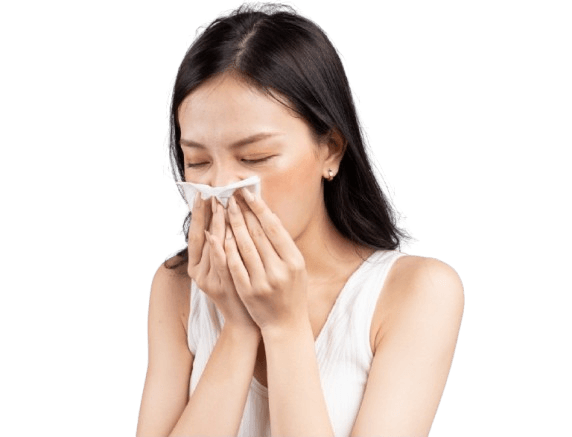
Ayurvedic Treatment for High Immunoglobulin-E (IgE) Levels
Discover Ayurvedic treatment for high Immunoglobulin-E (IgE) levels. Learn about the causes, symptoms, and herbs to help balance IgE levels and boost immune health.
On This Page


-
 7883
7883
 Share
ShareSummarise this article using AI




Do you often suffer from:
- Unexplained skin rashes or itching?
- Recurrent sneezing or nasal congestion?
- Breathing issues like asthma or wheezing?
- Allergic reactions like sneezing, itching, or congestion to dust, pollen, mites, weather changes, or certain foods?
If yes, high Immunoglobulin E (IgE) levels could be the underlying cause.
IgE (Immunoglobulin E) is an antibody produced by the immune system in response to allergens. When IgE levels become abnormally high, the body becomes hypersensitive leading to inflammation, chronic allergies, and long-term respiratory or skin conditions.
Ayurveda offers various ways to balance the immune system and treat high IgE naturally through herbs, detoxification therapy (Panchakarma therapy), and dietary and lifestyle modifications.
Dr. Sahil Gupta (B.A.M.S., M.H.A) has helped thousands of patients worldwide recover from skin and allergy conditions using Ayurveda. With over 15 years of clinical experience, he has designed ayurvedic treatments that target the root cause of hives & provide the permanent solution.
Let’s first understand the Immunoglobulins & its role in our body.
What are Immunoglobulins?
Immunoglobulins are specialized proteins produced by B-lymphocytes (a type of white blood cell). These antibodies are released in response to foreign invaders like:
- Bacteria
- Viruses
- Allergens (such as pollen, dust, or food)
- Toxins and other pathogens
Immunoglobulins’ primary role is to identify, neutralize, and eliminate harmful invaders, and helping the body to maintain immune defense and overall health.
Types of Immunoglobulins
The immune system produces five main types of immunoglobulins, each with a different role
1. IgG
The most abundant antibody in the blood. It provides long-term immunity after infections or vaccinations and helps the body recognize pathogens in future exposures.
2. IgM
The first antibody produced during an infection. It plays a vital role in the body’s initial immune response.
3. IgA
Found in mucosal secretions such as saliva, breast milk, and tears. It protects the respiratory and gastrointestinal tracts.
4. IgE
Involved in allergic reactions and protection against parasitic infections. It triggers the release of chemicals like histamine when allergens enter the body.
5. IgD
The least understood antibody. It supports the activation of B-cells, which are essential for producing other types of antibodies.
What is Immunoglobulin-E (IgE) and Its Role in the Body?
Immunoglobulin-E (IgE) antibody present in very small amounts in the blood but but it plays a powerful role in the immune response, particularly in allergies and parasite defense.
When an allergen like dust, pollen, or certain foods enters the body:
- IgE binds to mast cells and basophils (types of immune cells)
- This triggers the release of inflammatory chemicals, such as histamines
- As a result, the body experiences symptoms like:
- Sneezing
- Itching or rashes
- Swelling
- Breathing difficulty (as in asthma)
In addition to allergic responses, IgE plays a key role in expelling parasites like intestinal worms.
Symptoms of High IgE Levels
High Immunoglobulin E (IgE) levels often lead to hypersensitive immune responses that affect various systems in the body especially the respiratory tract, skin, digestive system, and sensory organs.
Let’s understand the High IgE levels symptoms from both modern medicine and Ayurvedic perspectives.
Common Symptoms of High IgE (Modern Medical View)
1. Respiratory Symptoms
- Frequent sneezing
- Nasal congestion or blocked nose
- Shortness of breath
- Chronic cough and throat irritation
- Postnasal drip
- Sinus infections
- Difficulty breathing
2. Skin Symptoms
- Dry, itchy, inflamed skin
- Urticaria (hives)
- Angioedema (deep swelling, often on face or limbs)
3. Digestive Symptoms
- Bloating
- Nausea
- Diarrhea
- Eosinophilic esophagitis (allergy-driven inflammation of the esophagus)
4. Eye and Ear Symptoms
- Allergic conjunctivitis (red, itchy, watery eyes)
- Ear infections
- Sensation of ear fullness or blockage
5. Severe Allergic Reactions
- Sudden drop in blood pressure
- Swelling of the throat and face
- Life-threatening emergency
Symptoms of High IgE Based on Ayurveda
1. Respiratory Tract Disturbances (Pranavaha Srotodushti)
Due to Kapha-Vata aggravation:
- Shwas – Difficulty in breathing (Asthma)
- Jeerna Kasa – Chronic cough, with or without mucus
- Nasa Anaha – Nasal blockage
- Apinasa – Watery nasal discharge
- Pratishaya – Repeated sneezing
2. Blood and Skin-Related Symptoms (Rakta Dushti / Twak Vikara)
- Kandu – Intense itching
- Shotha – Swelling and inflammation
- Pidika – Red rashes or small eruptions
- Raga – Skin redness
- Toda – Burning or pricking sensation
3. Gastrointestinal Symptoms (Annavaha Srotodushti)
- Ajirna – Indigestion and bloating
- Udar Shool – Abdominal cramps or pain
- Atisara – Diarrhea
- Chardi – Nausea and vomiting
4. Eye Disorders (Drishti Vikara)
- Netra Kandu – Itchy eyes
- Rakta Netrata – Redness in the eyes
- Excessive tearing
5. Ear Disorders (Karnagata Vikara)
- Baadhirya – Temporary hearing loss
- Karna Purnata – Sensation of fullness or blockage in ears
- Karna Strava – Discharge from the ears
6. Severe Hypersensitivity Reactions (Tridosha Imbalance)
- Gaatra Shotha – Sudden swelling of face, lips, or throat
- Hridya Spandana – Irregular or rapid heartbeat
- Moha / Murccha – Dizziness or fainting
Ayurveda reduces these symptoms by balancing Doshas and improving gut health.
Causes of High IgE Level
Modern Aspect of High Immunoglobulin-E Levels
The main causes of high IgE levels in the body include:-
1. Allergic Conditions
Includes both environmental and food-related allergies:
- Asthma, allergic rhinitis, atopic dermatitis (eczema)
- Chronic skin inflammation from allergens
- Food allergies (dairy, nuts, seafood, eggs)
- Environmental triggers: dust mites, pollen, mold, pet dander, air pollution
2. Infections & Parasites
- Chronic bacterial, viral, or fungal infections
- Parasitic infestations (roundworms, hookworms, tapeworms)
3. Immune System Disorders
- Autoimmune diseases causing immune dysregulation
- Chronic inflammatory diseases (Kimura disease, Churg-Strauss syndrome)
- Primary immunodeficiencies: Hyper IgE Syndrome (HIES), Wiskott-Aldrich, Netherton, Omenn syndrome
4. Drug & Lifestyle Factors
- Adverse drug reactions (antibiotics, NSAIDs)
- Chronic stress and unhealthy diet
5. Genetic Predisposition
- Family history of allergies or immunity related conditions
Causes of High IgE Level – As Per Ayurveda
1. Tridoshic Imbalance (Kapha, Pitta, Vata)
- Kapha leads to excess mucus and congestion.
- Pitta causes inflammation and hypersensitivity.
- Vata results in irregular immune responses, especially under stress.
2. Weak Digestion and Toxin Accumulation (Agni Mandya and Ama)
- Poor digestive fire impairs nutrient absorption (Rasa Dhatu Dushti) and leads to toxin buildup (Ama), weakening immunity and triggering allergic reactions.
3. Respiratory Channel and Tissue Impairment (Srotas Dushti and Dhatu Kshaya)
- Blocked respiratory channels (Pranavaha Srotas) lead to asthma, rhinitis, and high IgE levels.
- Poor nourishment causes tissue depletion (Dhatu Kshaya) and reduces disease resistance (Vyadhi Kshamatva).
4. Incompatible Diet and Vitiated Blood (Viruddha Ahara and Rakta Dushti)
- Regular intake of contradictory foods and impure blood can destabilize the immune response and elevate IgE levels.
5. Environmental and Emotional Triggers
- Exposure to dust, pollen, pollution, and chemicals aggravates Kapha and Vata.
- Mental stress further vitiates Vata, leading to immune hypersensitivity.
At IAFA®, we focus on the root-cause healing treatments not just symptom-focused. We aim to correct Agni (digestive fire), clear toxins (Ama), and balance Kapha–Pitta–Vata to sustainably lower IgE sensitivity.
At IAFA®, Dr Sahil has successfully treated many cases of high IgE levels by focusing on detoxification (Shodhana), immunity-boosting Rasayana therapy, and customized herbal formulations.
Ayurvedic Treatment for High IgE Levels
If you are wondering how to reduce high IgE level naturally, the Ayurvedic system offers different treatments to restore internal balance and reduce allergic tendencies without side effects.
1. Ayurvedic Medicine (Herbs) for High IgE Levels (Immunoglobulin-E)
Ayurvedic herbs help regulate immune function, clear inflammation, pacify aggravated doshas, and strengthen resistance.
These herbs (medicines) helps to reduce the high level of IgE levels.
- Haridra (Curcuma longa) – Anti-inflammatory and anti-allergic
- Daru Haridra (Berberis aristata) – Rich in berberine, helpful to reduce IgE production
- Ashwagandha (Withania somnifera) – Adaptogen, reduces stress-induced immune suppression
- Yashtimadhu (Glycyrrhiza glabra) – Soothes mucous membranes and reduces inflammation
- Guduchi (Tinospora cordifolia) – Powerful immunomodulator
- Manjistha (Rubia cordifolia) – Detoxifies blood; helpful in skin allergies
- Shirisha (Albizia lebbeck) – Traditionally used for asthma and allergy relief
- Neem (Azadirachta indica) – Antibacterial, blood purifier, reduces hypersensitivity
A clinical study showed that berberine from Daru Haridra inhibited IgE production by 80% at a dose of 0.62 μg/mL. (Refernce – Yang et al., 2014 – Annals of Allergy, Asthma & Immunology).
2. Diet and Lifestyle Guidance for High IgE Levels
According to Ayurveda, “when diet is right, medicine is of no need”, because a healthy gut (Agni) is considered as the basis of a healthy individual.
By paying close attention to your daily diet and lifestyle, you can manage existing health issues and also prevent future imbalances.
Below are some dietary and lifestyle guidelines recommended for those with high IgE levels:
What to Include (Pathya) at a High IgE Level
- Eat plenty of cooked vegetables like bottle gourd, drumstick, bitter gourd, carrot, ash gourd
- Light food that is easy to digest (Laghu Aahara)
- Old grains & cereals (purana dhanya) like aged rice, moong dal, and wheat
- Clarified butter (ghee) to lubricate tissues and pacify inflammation
- Anti-inflammatory diet: omega-3 foods (flax seeds, walnuts), probiotics (yogurt, buttermilk), vitamin D sources (mushrooms, sunlight exposure), and antioxidant-rich fruits (citrus, berries)
- Include gluten free options like millet, quinoa, and buckwheat in diet
- Stay hydrated by drinking warm water, herbal teas, fresh juice
- Regular exercise, yoga, and meditation
- Use protective face masks in polluted areas
What to Avoid (Apathya) at Hight IgE Levels
- Avoid heavy and cold foods like ice creams, fried items, red meat
- Avoid incompatible combinations (e.g., milk + citrus)
- Fermented or processed foods
- Smoking, alcohol, and chemical-based cosmetics/fragrances
- Avoid exposure to known allergens
- Mental stress, anger (Krodha), grief (Shoka)
- Avoid Kapha-aggravating foods: dairy, cold drinks, excess sugar
Removing toxins from the body is the most important step in managing hypersensitivity and restoring immune stability.
3. Detoxification Therapy (Shodhana Therapy) for High IgE Levels
1. Emetic Therapy (Vamana)
Under emetic therapy, therapeutic vomiting is performed to eliminate excess Kapha dosha, especially in Kapha-Pitta dominant individuals.
This treatment is effective in conditions associated with elevated IgE such as:
- Asthma
- Hay fever
- Chronic sinusitis
Emetic therapy helps to clear toxins and mucus from the body and also decreases the hypersensitivity response.
2. Purgation Therapy (Virechana)
Therapeutic purgation is done with the help of various herbs to cleanse the blood, liver, and intestine.
It not only removes deep-seated Pitta and toxins but also supports:
- Immune regulation
- Inflammation control
- Detoxification of the digestive tract
This therapy is especially helpful in managing inflammatory and autoimmune conditions linked with high IgE level.
3. Nasal Therapy (Nasya)
Medicated oil or powder is administered through the nostril.
Nasal therapy balances Kapha Dosha and helps in reducing inflammation, and nasal congestion, clears toxins, and helps in improving immunity.
4. Bloodletting Therapy (Rakta Mokshana)
This therapy involves the removal of impure blood using techniques like:
- Leech therapy (Jalaukavacharana)
- Venesection (Prachana)
Rakta Mokshana helps in;
- Eliminate inflammatory toxins from the bloodstream
- Purify blood
- Provide quick relief in conditions with flare-ups and high IgE responses
4. Rejuvenation for Immunity Enhancement (Rasayana Therapy)
Once toxins are cleared, the next step is to rebuild Ojas and enhance resistance to allergens through Rasayana (rejuvenation) therapy.
- Chyawanprash – Amla rich classic formulation for long-term immunity
- Ashwagandha Avaleha, Shatavari Ghrita, Swarna Prashana – Strengthen tissues and calm hypersensitivity
- Brahma Rasayana – Supports mental calm and immune regulation
- Dietary Rasayana– include cow’s ghee, Tulsi tea, seasonal fruits, and green vegetables
5. Yoga Asanas & Meditation for High IgE Levels
Yogic practices are essential to regulate prana, reduce stress, and support detox and immunity.
Yog Asanas:
- Bhujangasana (Cobra pose)
- Dhanurasana (Bow pose)
- Matsyasana (Fish pose)
- Shavasana (Corpse pose)
Pranayama (Breathwork)
- Sheetali – Cooling breath
- Bhastrika – Bellows breath
- Anulom-Vilom – Alternate nostril breathing
- Bhramari – Humming bee breath (calms anxiety)
Meditation
- So-Ham meditation
- Om chanting
These practices calm the nervous system, improve oxygenation, and promote emotional resilience.

6. Gem Therapy for High IgE Levels (As per Vedic Astrology)
Few stones are recommended to wear in High IgE Levels as per Vedic Astrology.
These stones can be worn after proper consultation with an astrologer as per your birth date, Zodiac sign, to get only benefits.
Commonly recommended gems:
- Emerald (Panna) – Pacifies Pitta and supports clarity
- Red Coral (Moonga) – Strengthens vitality
- Pearl (Moti) – Calms the mind and emotions
- Yellow Sapphire (Pukhraj) – Enhances Jupiter energy and immune resistance

Have A Health Issue?
Consult Online
- Dr. Sahil Gupta (B.A.M.S., M.H.A.)
Ayurvedic Allergy Specialist
CEO & Founder of IAFA®
Normal IgE Level in the Body
| Age Group | Normal IgE Level (IU/mL) |
| Less than 1 year | 0-15 IU/ mL |
| 1-5 year | 0-60 IU/ mL |
| 6-9 years | 0-90 IU/ mL |
| 10-15 years | 0-200 IU/ mL |
| Above 15 years | 0-100 IU/ mL |
What is High IgE Level in the Body?
- Mildly elevated: 100-300 IU/ mL
- Moderately elevated: 300-1000 IU/ mL
- Severely elevated: More than 1000 IU/ mL
High IgE Levels – As Per Ayurveda
As per Ayurveda, high IgE levels can be linked to aggravation (Parkopa) of Vata and Kapha doshas along with the accumulation of toxins (Ama) in the body.
When the digestive fire (Agni) is weak (Manda Agni), it leads to incomplete digestion (Apachan), resulting in the formation of Ama (toxins).
These toxins disturb the body’s immune system, triggering hypersensitive responses and an increase in IgE levels.
Impurities in the blood (Rakta Dushti) further impact the immune system, contributing to allergic reactions and increasing IgE levels.
How Common is a High Immunoglobulin-E (IgE) Level?
High IgE levels are commonly seen in individuals with various allergies like food allergies, asthma, eczema, hay fever, etc.
Individuals having primary immunodeficiency disorders like HIES, CVID, Wiskott-Aldrich syndrome, etc., and individuals suffering from helminthic infections like Ascaris, hookworms, and certain cancers like leukemia, and lymphomas are mostly affected by high IgE levels.
As per recent research, approximately 35% of the adult population in developed countries have elevated IgE levels specific to common environmental allergens, and approximately 30-35% of them suffer from various allergic conditions.
Recent studies also conclude that excluding insect stings and drug allergies, a very high IgE level in the body was more common across all tested allergic disorders, with asthma showing the highest rate of approximately 64.49%.
In the US, approximately 42.5 % exhibit atopy, defined by high levels of IgE in the body. A recent study on Hyper-IgE Syndrome (HIES) in India found that 73% of subjects had serum IgE levels of more than 2,000 IU/ mL.
Diagnosis of High IgE Levels – As Per Ayurveda
For diagnosing high IgE levels, an Ayurvedic physician conducts a detailed examination and observation of the individual by five-fold examination (Panch Viddha Pariksha) and ten-fold examination (Dasha Viddha Pariksha).
Pulse diagnosis (Nadi Pariksha), skin examination (Twak Pariksha), is done to understand the underlying cause.
Along with this detailed analysis of the causative factors, pre-symptoms, progression also conducted.
Various questions are asked from the patient related to their dietary habits, mental health, and lifestyle.
Along with all this laboratory investigation is conducted like Serum IgE test, RAST test, skin prick test, etc. In suspected cases of HIES genetic testing is also done.
Dr. Sahil Gupta from IAFA Ayurveda helps uncover the root cause and provide the best Ayurvedic treatment for High Immunoglobulin-E (IgE) Levels and restore your health naturally.
Have A Health Issue?
Consult Online
- Dr. Sahil Gupta (B.A.M.S., M.H.A.)
Ayurvedic Allergy Specialist
CEO & Founder of IAFA®
At last, Easier High Immunoglobulin-E (IgE) Levels Management

Trusted by
More than 90,000 Patients

Convenient
at-Home Treatments

9.2 / 10
Customer Satisfaction Score
What is Job’s Syndrome or HIES (Hyper-IgE Syndrome)?
The rare primary immunodeficiency disorder in which the IgE level is extremely elevated i.e. more than 2000 IU/ mL and the individual with this syndrome suffers from recurrent skin and lung infection along with skeletal and dental abnormalities. Facial features of individuals with Job’s syndrome are deep-set eyes, broad nose, prominent forehead, etc.
In Ayurveda, HIES does not have direct correlation but it can be correlated with Ojovyapat or Ojakshaya and based on pathophysiology and symptoms it can be correlated to Asthi Dhatu Vikara (bone & skeleton abnormalities), Kapha and Pitta Dushti, etc.
Types of HIES (Hyper-IgE Syndrome)
- AD-HIES: It is autosomal dominant HIES caused by STAT3 gene mutation which results in defective Th17 cell differentiation.
- AR-HIES: It is autosomal recessive HIES caused by TYK2 or DOCK8 mutation and is often associated with neurological issues, viral infections, vasculitis, etc.
Power of Resistance (Vyadhi Kshmatva) and High Immunoglobulin-E (IgE) level
As per Ayurveda the body’s ability to resist and fight against various diseases is known as its power of resistance (Vyadhi Kshmatva).
Ayurveda emphasizes strengthening the power of resistance (Vyadhi Kshamatva) to prevent excessive IgE production in the body.
It is classified into three types:-
- Innate Immunity (Sahaja): Since birth natural resistance is known as innate immunity (Sahaj).
- Time-Acquired Immunity (Kalaj): The immunity that is developed in the body with age, seasons, and environmental adaptation is known as time-acquired immunity.
- Immunity (Yukti Krita): the immunity that is acquired by the body through proper diet, lifestyle (Aahra- Vihara), and rejuvenation therapy (Rasayana).
Relation Between the Power of Resistance (Vyadhi Kshmatva) and High Immunoglobulin-E (IgE) Level
A balanced power of resistance (Vyadhi Kshamatva) in the body ensures a strong immune system, which prevents unnecessary hypersensitivity reactions.
When immunity i.e. Vyadhi Kshmatva is imbalanced, then it can lead to an high IgE level in the body which leads to allergic responses and hyper-reactivity.



Committed to Holistic Healing through Alternative Medicine Since 2008
Frequently Asked Questions
Q1. How to Reduce IgE Levels through Ayurveda?
Ans. Ayurveda helps in balancing elevated IgE levels by detoxifying the body with Panchakarma therapy like emetic, purgative, bloodletting therapy, etc., by using immune-modulating herbs like Haridra, Daruharidra, Shirish, and following a personalized diet.
Q2. How to Reduce Elevated IgE Levels naturally?
Ans. Adopting an anti-inflammatory, hypoallergenic diet, practicing Yoga and pranayama, taking herbs like Neem, and Ashwagandha, and including rejuvenators in the diet help to reduce elevated IgE levels naturally.
Q3. Can Neem Reduce IgE levels?
Ans. Yes, Azadirachta indica i.e. Neem has blood-purifying, immunomodulatory, and anti-allergic properties that help lower IgE levels in the body.
Q4. Can Turmeric Reduce IgE Levels?
Ans. Yes, Turmeric, i.e. Haridra contains a natural anti-inflammatory compound i.e. curcumin that stabilizes the immune response in the body and reduces IgE-related hypersensitivity.
Q5. Is a High IgE Level Dangerous?
Ans. Elevated IgE levels indicate an overactive immune response in the body, which leads to chronic allergies, autoimmune conditions, etc, in the body. Long-term elevation of IgE may contribute to severe inflammatory disorders which are dangerous for the body.
Q6. Can Stress Increase IgE Levels?
Ans. Yes, chronic stress weakens vital immunity i.e. Oja in the body, increases inflammation, and disrupts immune function, which leads to elevated IgE levels. Regular Yoga and meditation help reduce stress in the body.
Q7. What Foods Should be Avoided for High IgE Levels?
Ans. Avoid processed foods, heavy food, cold, refined sugar, cold beverages, gluten, and allergenic foods in case of high IgE levels in the body.
Q8. Which Foods Help Lower IgE Levels?
Ans. Indian gooseberry (Amla), turmeric (Haridra), ginger (Adraka), holy basil (tulsi), pomegranate (Dadima), green leafy vegetables, flaxseeds (omega-3 rich foods), and cow’s ghee help reduce inflammation and balance immunity.
Q9. Does Vitamin-D Deficiency Affect IgE Levels?
Ans. Low vitamin D levels in the body are linked to increased IgE levels and such individuals are at higher risk of having diseases like allergies and asthma. Sun exposure and vitamin D-rich foods help to overcome Vitamin D deficiency.
References
- Kostova P, Papochieva V, Miteva D, Georgieva B, Mileva S, Shahid M, Lukanov T, Petrova G. Elevated IgE Levels-An Allergy or an Underlying Inborn Error of Immunity in Children with Recurrent Infections? Antibodies (Basel). 2023 Nov 3; 12 (4): 70. Doi: 10. 3390/ antib- 12040070. PMID: 3798- 7248; PMCID: PMC- 10660463.
- Freeman AF, Holland SM. The hyper-IgE syndromes. Immunol Allergy Clin North Am. 2008 May 28 (2): 277- 91, viii. doi: 10. 1016/ j. is. 2008. 01. 005. PMID: 184- 24333; PMCID: PMC- 2683262.
- Nemet S, Elbirt D, Cohen R, Mahlab-Guri K, Bezalel-Rosenberg S, Asher I, Talmon A, Rubin L, Ribak Y, Sergienko R, Nussinovitch U, Tal Y, Shamriz O. Clinical significance of very high IgE levels (≥1000 IU/mL): Population-based study of 118,211 adults. J Allergy Clin Immunol Glob. 2025 Jan 9; 4 (2): 100403. Doi: 10. 1016/ j. jacig. 2025. 100403. PMID: 39931077; PMCID: PMC- 11808720.
- Unal D, Gelincik A, Elitok A, Demir S, Olgac M, Coskun R, Kocaaga M, Colakoglu B, Buyukozturk S. Impact of high serum Immunoglobulin E levels on the risk of atherosclerosis in humans. Asia Pac Allergy. 2017 Apr; 7 (2): 74- 81. doi: 10. 5415/ apallergy. 2017. 7. 2. 74. Epub 2017 Apr 7. PMID: 28487838; PMCID: PMC- 5410414.
- Yasharpour, Michelle. (2014). Is It Hyper IgE Syndrome or Something Else? MOJ Immunology. 1. 10. 15406/ moji. 2014. 01. 00010.
- You, Cun & Ran, Guo & Wu, Xiao & Wang, Yu & Tian, Hua & Fan, Jiabao & Yao, Zezhong & Wang, Fei. (2019). High immunoglobulin E level is associated with increased readmission in children with bronchopneumonia. Therapeutic Advances in Respiratory Disease. 13. 175346- 66198- 7983. 10. 1177/ 1753466- 619879832.
- Opritescu S, Nitescu GV, Cîrnațu D, Trifunschi S, Munteanu M, Golumbeanu M, Boghitoiu D, Daraban AM, Ilie EI, Moroșan E. Elevated Immunoglobulin E Serum Levels: Possible Underlying Factors That Can Cause an Inborn Error of Immunity in the Pediatric Population with Recurrent Infections. Antibodies (Basel). 2024 Jun 17; 13 (2): 47. doi: 10. 3390/ antib- 13020047. PMID: 3892- 0971; PMCID: PMC- 11201012.
Seek Expert Advice
If you are struggling with high IgE levels and experiencing frequent allergies, skin problems, respiratory issues, eye problems, etc. It’s time to seek expert advice.
At IAFA, Dr. Sahil Gupta provides personalized, root-cause-based treatment to help balance your immune system naturally. A combination of detoxification therapies, herbs, dietary modifications, and lifestyle corrections, strengthen vital immunity (Oja).
Don’t Let Allergies Control Your Life, Contact IAFA Ayurveda and Experience the Power of Ayurveda! For Personalized Treatment of High IgE Levels, Book Your Appointment Now!


Was this Page Helpful?
So, IAFA’s Root-Cause Treatment for High Immunoglobulin-E (IgE) Levels is Just 3 Steps Away!

01. Connect With Us
Share your history of illness or Book your appointment

02. Consult With Us
Dr. Gupta a certified Ayurvedic Allergist Consultant

03. Root Cause Treatment
Get an accurate diagnosis, medicines, diet & lifestyle change
Real Case Studies – Successfully Treated Patients
Real Case Studies of Successfully Treated Patients from All Around the World by IAFA Ayurveda®
-

32-Year-Old Female Patient Recovered from Chronic Urticaria and Leaky Gut Syndrome – A Case Study
This case study highlights the successful Ayurvedic treatment of chronic urticaria associated…
-

5-Year-Old Shih Apso Dog Recovered from Canine Peripheral Neuropathy – A Case Study
This case study presents a 5-year-old Shih Tzu-Lhasa Apso crossbreed dog (pet)…
-

9 Year Old Female Patient Recovered from Chronic Allergic Bronchitis – A Case Study
This case study presents a 9-year-old female patient who has successfully recovered…
-
12-Year-Old Child Recovered from Solar Urticaria (Chronic Sun-Sensitivity) – A Sun Allergy Case Study
This is a case study of a 12-year-old child who has successfully…
Read More Articles
-
Polymorphous Light Eruption (PMLE)
Discover Ayurvedic treatment for Polymorphous Light Eruption (PMLE). Learn about its causes,…
-

Mast Cell Diseases
Discover Ayurvedic treatment for Mast Cell Diseases, including types, causes, symptoms, and…
-

High Immunoglobulin-E (IgE) Levels
Discover Ayurvedic treatment for high Immunoglobulin-E (IgE) levels. Learn about the causes,…