

Punarnava (Boerhavia Diffusa)
Know the uses, benefits, and medicinal properties of Punarnava (Boerhavia Diffusa). It is also known as Spreading Hogweed, and is renowned for enhancing kidney health, reducing inflammation, and boosting immunity.
On This Page


-
 2160
2160
 Share
ShareSummarise this article using AI




Punarnava botanically known as Boerhavia diffusa has been popular in Ayurvedic medicine since ancient times. Punarnava is a herb that brings youth back and revives the body. With its light (Laghu) and dry (Ruksha) properties with hot potency possesses Shoth-Hara (anti-inflammatory) properties and alleviates all three Dosha, especially Kapha.
As per recent research, Boerhavia diffusa exhibits anti-inflammatory, hypolipidemic, anti-diabetic properties, etc. With its hypolipidemic effect, it reduces the overall oxidative effect and ameliorates the altered parameters in plasma-like total cholesterol, triglycerides, LDL-C, HDL-C, etc.
A recent study revealed that Punarnava has various active principles like Root- alkaloid punarnavine, C- methyl flavone, retinoid analogs-boeravinone A to F, Punaranavoside, fatty acids, hentriacontanes, B-sitosterols. Liriodendrine, hypoxanthine 9- L arabinose- furan-aside, etc due to which it exhibits anti-inflammatory, diuretic, antioxidant, hepato-protective, immunostimulant properties, etc.
वर्षतो पुनर्नवा भवति, शरीरञ्च पुनर्नवं करोतीति |
Punarnava regenerates in the rainy season and it regenerates the body as well if it is used.
According to Habitat
वर्षाभु–वर्षायां वर्षतो पुनर्भवतीति |
Punarnava is a perennial plant that gets regenerated during the rainy season.
प्रावृषायणी –प्रावृट काले पुनर भवति इति |
Punarnava plant regenerates during the rainy season.
वर्षकेतु– वर्ष वर्षतु केतयति सूचयतीति |
Punarnava regenerates in Varsa Ritu (rainy season).
According to Morphology
श्वेतमूल: – श्वेत॑ मूलमस्य |
The root is white in color.
विशाखा: विसृता: शाखा अस्य |
The Punarnava plant spread on the ground.
रक्तकाण्डा– रक्त॑ काण्डमस्या: |
The stem is reddish in color.
मण्डलपत्रिका– मण्डल वृत्ताकारं पत्रमस्या: |
The leaf of Punarnava is red in shape.
रक्तपुष्पिका– रक्त पुष्पमस्या: ।
The flowers of Punarnava are red in color.
According to Properties and Actions
शोथघ्नी– शोथं हंतिति |
Punarnava reduces oedema.
शिवाटिका – शिवाय कल्याण अति प्रसरतीति |
- Spreading Hogweed (English)
- Beshakapore, Pathara, Shvet-Sabuni, Lal-Tahumi, Santhi (Hindi)
- Komme Gida, Macecchugoni (Kannada)
- Tamilama, Pasalikkera (Malayalam)
- Khapra (Marathi)
- Biskhpara, Itsit (Punjabi)
- Gadahani (Bengali)
- Sluarenuj (Tamil)
- Anthatinudie (Telegu)
Boerhavia diffusa Linn.
Boerhavia is the name of the discoverer.
Diffusa means “which spreads on the ground”.
Family – Nyctaginaceae (Punarnava Kula)
| Kingdom | Plantae |
| Class | Dicotyledonae |
| Sub-Class | Monochlamydae |
| Series | Curveembryeae |
| Family | Nyctaginaceae |
| Genus | Boerhavia |
| Species | diffusa |
Charaka: Kasa Hara Mahakshaya, Sedopaga Mahakshaya, Vyasthapana Mahakshaya, Anuvasno Mahakshaya.
Sushruta: Vidarigandhadi Gana
Charaka Samhita: C. S. Su. 27/ 94, C. S. Vi. 8/ 150, C. S. Chi. 3/ 189, C. S. Chi. 4/ 38
Sushruta Samhita: S. S. U. 39/ 150
Ashtanga Hridya: A. H. Su. 7/ 76
It is a variety of Punarnava. Some authors believe that it may be Shephalika.
Sushruta Samhita: S. S. U. 23/ 4
Ashtanga Hridya: A. H. Chi. 3/ 58, A. H. Chi. 17/ 40
Sushruta Samhita: S. S. Ka. 7/ 24, 52
Varsabhu, as the name indicates, should be a rainy season annual while the Boerhavia species is usually called Punarnava perennial. As regards the red and white kinds of Punarnava and Varsabhu, it is not clear whether the color of the flower or any other part of the plant is the basis for this differentiation.
Bhavamisra names the white (Shweta) variety of Punarnava Shweta Mula (having white roots) and the red variety Rakta Puspa (having red flowers). Moreover, the species with red and white flowers exist in both genera, Boerhaavia and Trianthema.
It is, therefore, probable that the two kinds of Varsabhu are two Trianthema species and should not be confused with any kind of Punarnava. One may, however, be used in place of the other due to partial similarity in properties.
| Charaka | Shusruta | Vagbhata (Ashtang Hridya) |
| C. S. Chi. 8/ 169 | S. S. Su. 46/ 221, 239 | A. H. Su. 6/ 97 |
| C. S. Chi. 12/ 24 | S. S. Chi. 5/ 7 | A. H. Chi. 1/ 115 |
| C. S. Chi. 29/ 60 | S. S. Chi. 7/ 26 | A. H. Chi. 3/ 61, 84 |
| C. S. Si. 9/ 13 | S. S. Chi. 12/ 5 | A. H. Chi. 4/ 29, 37 |
| S. S. Chi. 19/ 28 | A. H. Chi. 5/ 24 | |
| S. S. Chi. 20/ 12 | A. H. Chi. 8/ 11 | |
| S. S. Chi. 22/ 39 | A. H. Chi. 15/ 49 | |
| S. S. Chi. 23/ 15 | A. H. Chi. 17/ 25 | |
| S. S. Chi. 37/ 16, 19 | A. H. U. 2/ 49 | |
| S. S. Chi. 38/ 42, 66, 70 | ||
| S. S. Ka. 7/ 25 | ||
| S. S. U. 21/ 6 | ||
| S. S. U. 24/ 32 | ||
| S. S. U. 39/ 200 | ||
| S. S. U. 42/ 46 | ||
| S. S. U. 47/ 46 | ||
| S. S. U. 51/ 24 | ||
| S. S. U. 55/ 46 |
All three names appear to refer to the same plant Punarnava or maybe to its variety Varshabhu.
| Charaka | Shusruta | Vagbhata (Ashtang Hridya) |
| C. S. Su. 4/ 22, 26, 36 | S. S. U. 39/ 200 | A. H. Su. 15/ 9 |
| C. S. Vi. 8/ 143, 144, 146 | S. S. U. 42/ 46 | A. H. Chi. 1/ 115 |
| C. S. Chi. 3/ 266 | S. S. U. 59/ 24 | A. H. Chi. 3/ 61 |
| C. S. Chi. 18/ 125 | A. H. Chi. 11/ 7 | |
| C. S. Chi. 26/ 45, 69 | ||
| C. S. Chi. 29/ 75 | ||
| C. S. Ka. 4/ 15 | ||
| C. S. Si. 3/ 63 | ||
| C. S. Si. 10/ 31 | ||
Two kinds of Punarnava have been mentioned and used. They are called Shveta (white) and Rakta (red). As regards the Rakta variety, any of the red-flowered species of Boerhaavia i.e., B. diffusa Linn., B. repens Linn., and B. repanda Willd. May be used and in practice the first of these is being used. But there is a difference of opinion about the Shveta (white) variety.
White-flowered species i.e., B. verticillata or any of the Trianthema species i.e. T. decandra Lino., T. pentandra Linn. or T. portulacastrum Lino. are generally believed to be Shveta-Punarnava. Out of the synonyms, Varsabhu appears to refer to Trianthema species which are rainy season annuals, but as regards other names no specification can be made. Based on the descriptive words Shvetamulae (having white root) and Dirgha Patra (larger leaves) given by Bhavamishra for Shveta-Punarnava, B. repens may be accepted for it.
| Charaka | Shusruta | Vagbhata (Ashtang Hridya) |
| C. S. Su. 2/ 11 | S. S. Su. 38/ 4 | A. H. Su. 6/ 167 |
| C. S. Su. 4/ 22, 26, 36, 50 | S. S. Su. 39/ 7 | A. H. Sa. 2/ 49 |
| C. S. Vi. 8/ 143, 144, 146 | S. S. Su. 42/ 18 | A. H. Chi. 3/ 58, 94, 121 |
| C. S. Chi. 1. 1/ 42, 57, 63 | S. S. Su. 46/ 254, 255 | A. H. Chi. 5/ 68, 78 |
| C. S. Chi. 1. 2/ 4, 12 | S. S. Chi. 5/ 10 | A. H. Chi. 6/ 27, 39 |
| C. S. Chi. 1. 4/ 5 | S. S. Chi. 6/ 13 | A. H. Chi. 8/ 12 |
| C. S. Chi. 2. 1/ 26 | S. S. Chi. 7/ 11 | A. H. Chi. 11/ 2, 23, 33 |
| C. S. Chi. 3/ 266 | S. S. Chi. 12/ 5 | A. H. Chi. 12/ 19 |
| C. S. Chi. 7/ 125 | S. S. Chi. 14/ 10 | A. H. Chi. 13/ 41 |
| C. S. Chi. 8/ 79, 175 | S. S. Chi. 15/ 32 | A. H. Chi. 14/ 13 |
| C. S. Chi. 11/ 26, 36, 56, 66 | S. S. Chi. 18/ 45 | A. H. Chi. 15/ 49 |
| C. S. Chi. 12/ 22, 23, 34, 72 | S. S. Chi. 25/ 32 | A. H. Chi. 16/ 36 |
| C. S. Chi. 13/ 107 | S. S. Chi. 38/ 105 | A. H. Chi. 17/ 2 |
| C. S. Chi. 16/ 93, 119 | S. S. Ka. 1/ 61 | A. H. Chi. 19/ 87 |
| C. S. Chi. 18/ 127, 177 | S. S. Ka. 2/ 46 | A. H. Ka. 1/ 39 |
| C. S. Chi. 23/ 53 | S. S. Ka. 5/ 85 | A. H. Ka. 4/ 7, 37, 54 |
| C. S. Chi. 26/ 23, 24, 46, 63, 70, 82, 170 | S. S. Ka. 7/ 24, 52 | A. H. U. 2/ 76 |
| C. S. Chi. 29/ 61, 64, 73, 103 | S. S. U. 26/ 40 | A. H. U. 22/ 66 |
| C. S. Chi. 30/ 53 | S. S. U. 31/ 3 | A. H. U. 24/ 54 |
| C. S. Ka. 4/ 16 | S. S. U, 41/ 43, 46 | A. H. U. 34/ 28 |
| C. S. Si. 3/ 37, 63 | A. H. U. 35/ 22 | |
| C. S. Si. 4/ 3 | A. H. U. 36/ 91 | |
| C. S. Si. 9/ 13 | A. H. U. 38/ 27, 37 | |
| C. S. Si. 10/ 22, 31 | A. H. U. 39/ 34, 154 | |
| C. S. Si. 11/ 31 | A. H. U. 40/ 14 | |
| C. S. Si. 12/ 27, 31 |
Punarnava is considered to be dry during summer and recurs during autumn according to Sounaka. Punarnava is an important herb with excellent therapeutic utility in Sotha. Though modern research now and then reports it as a diuretic, it is not emphasized for Mutrala purposes in the major Ayurvedic texts.
It is also appreciated as a Rasayana drug in the literature. Except in the context of the Vayasthapana group, Charaka quoted two types of Punarnava (Kasahara, Anuvasanopaga, and Svedopaga groups). In the Sakavarga he described Punarnava with the synonym Kathilla. Sushruta included both Varshabhu and Punarnava in the Shaka Varga.
पुनर्नवा चरक के स्वेदोपग, अनुवासनोपग, कासहर तथा वयः स्थापन महाकषायों में तथा मधुर स्कन्ध एवं उष्ण वीर्य द्रव्यों में पठित है | यह विशेष ध्यान देने योग्य है कि पुनर्नवा सर्वत्र वृश्चीर के साथ आया है | केवल वय स्थापन महा कषाय और रसायन प्रकरण को छोड़ कर चरक ने पुनर्नवे (चि. ११/ ३६, १२/ ३४) से सम्भवत: इन्ही दोनों का ग्रहण किया है | सुश्रुत में में यह विदारिगन्धादि गण, वाट संशमन तथा तिक्त वर्ग में है | पुनर्नवा द्वय भी वर्णित है (च. क . २/ ४३), इस से चरक ने वृश्चीर तथा पुनर्नवा का ग्रहण किया जा सकता है |
सुश्रुत में वृश्चीर के स्थान पर वर्षाभू के साथ पुनर्नवा पठित है (च. चि. २९/ ६१) | इस से ये संकेत मिलता है कि वर्षाभू वृश्चीर का पर्याय है । सुभुत ने वर्षाभू को कटु शाको में वर्णित किया है | सम्भवतः इसके कटुत्व के कारण ही वृश्चीव को वे स्थापन में नहीं रखा | एक स्थल पर वृश्चीव और वर्षाभू एकत्र पठित है (सु. उ. ३९/ २०२, ४२/ ४६) | वहां वृश्चीव से पुनर्नवा का ग्रहण किया गया है | वाग्भट ने भी विदारिगंध आदि गण में सुश्रुत उक्त पुनर्नवा के स्थान पर वृश्चीव का उल्लेख किया है | इस से भी पुनर्नवा और वृश्चीर भिन्न है | वृश्चीव पुनर्नवा का तथ्य वृश्चीर वर्षाभू का पर्याय है | सुश्रुत ने अनेक स्थलों पर श्वेत पुनर्नवा का उल्लेख किया है (च. क. ७/ २४, ५२), वह वृश्चीर ही है |
वाग्भट ने वर्षभौ से सम्भवत: इन दोनों प्रकार को ग्रहण किया है | वर्षाभू उसने पुनर्नवा का सामान्य पर्याय मान लिया जिसका अनुसरण परवर्ती लेखकों ने किया | टीकाकारों ने भी वृश्चीर को श्वेत पुनर्नवा तथा पुनर्नवा से रक्त पुनर्नवा का ग्रहण किया | वृश्चीर वर्षाभू Trianthema portulacastrum Linn. तथा पुनर्नवा (वृश्चीव) Boerhavia diffusa Linn है | कठिलक तिक्त स्कन्धों तथा तिक्त शाको में पठित है और शीत वीर्य एवं रक्त पित्त हर कहा गया है जब कि पुनर्नवा उष्ण वीर्य तथा वात हर है | चरक ने उसका पाठ भी मधुर सकन्ध में किया है | इस से प्रतीत होता है कि कठिलक पुनर्नवा से भिन्न कोई द्रव्य है | यद्यपि चक्रपाणि और डल्हण ने उस से पुनर्नवा का ही ग्रहण किया है |
वृश्चीर Trianthema portulacastrum Linn. है | इसे लोक भाषा में बिस पखरा कहते है | बरसात में ये सर्वत्र देखा जाता है | इसका वर्षायु, प्रसरी, मांसल एवं चिकना क्षुप होता है |ये भारत में सर्वत्र पाया जाता है |
External Morphology of Boerhavia diffusa
- Habit – Punarnava is an annual herb.
- Stem – The stem of the Punarnava is an ascending glabrous stem, prostrate with distinct swollen nodes, the stem is diffusely branched.
- Leaves – Leaves of Punarnava are unequal, exstipulate, opposite, simple, ovate with rounded or cordate base, the margin is entire, the apex is obtuse, the dorsal surface is green and the lower surface is silvery white.
- Inflorescence – The inflorescence of the Punarnava is in which flowers are crowded in heads at the end of long slender stalks forming terminal panicles.
- Flowers – The flowers of Punarnava are bracteate, small, minute, red in color, perianth lobes are 5, pink in color, gamophyllous, stamens are 2 to 3 in number, slightly exerted, Gynoecium is Monocarpellary, Ovary is unilocular, superior with the single basal ovule.
- Fruit – The fruit of Punarnava is a clavate and 5-ribbed achene.
Flowering and Fruiting Time of Boerhavia diffusa Linn.
After the herbs come up in the rains and further well, they begin to flower and later bear fruits during the cold season (from rains to autumn or winter)
Distribution of Boerhavia diffusa Linn.
The plant occurs throughout as a common weed almost in all parts of the country, generally on flat land and along roadsides, also near water courses. It ascends to 1,500 meters in the Himalayan region. The plant is found in Andhra Pradesh, Bihar, Gujarat, Jammu & Kashmir, Karnataka, Kerala, Assam, Tamil Nadu, Uttara Pradesh and Madhya Pradesh, and other regions in the country.
The Useful Part of Boerhavia diffusa Linn.
Mula, Panchanga (Roots or whole plant)
Roots will be 30 cm or more long, 0.5 to 1.5 cm thick, stout, tapering, somewhat knotty and twisted. Roots are often crowned with stem bases. The outer surface is brown and finely striated longitudinally. Peeled off the surface will be creamish. A transversely cut portion of the root shows a thin bark, followed by a yellowish-white cortical region and a central woody portion. On breaking the root becomes fibrous, the odor is characteristic, and the taste is slightly bitter.
There are two kinds of Punarnava in classical texts of materia medica (Nighantu) viz. Rakta and Shveta (red and white variety) are botanically identified as Boerhavia diffusa Linn. and Trianthema species respectively. Another plant Boerhavia repanda Willd. It is also referred to in the context of Punarnava.
All Punarnava Traya mentioned in texts (Nighantu) comprising three kinds of Punarnava also indicate Nila Punarnava (blue variety) as included and referred, particularly by Narahari (Raja Nighantu, Prabhadra, 116). Classically it is observed that two or three kinds of Punarnava are in texts (Nighantus), generally, two varieties are white (shveta) and red, and rarely third one is a blue (Nila) variety.
Botanically another species of Boerhaavia i. e. Boerhaavia repanda Willd. syn. B. repens L. is also referred to as a botanical source of Punarnava. Presently the Punarnava Traya, a trio group of Punarnava, includes Punarnava Rakta (Boerhaavia diffusa Linn.), Punarnava Sveta-Vrischiva (Boerhaavia verticillata Poir), and Visakharpara (Trianthema portulacastrum Linn.) which have been deal separately.

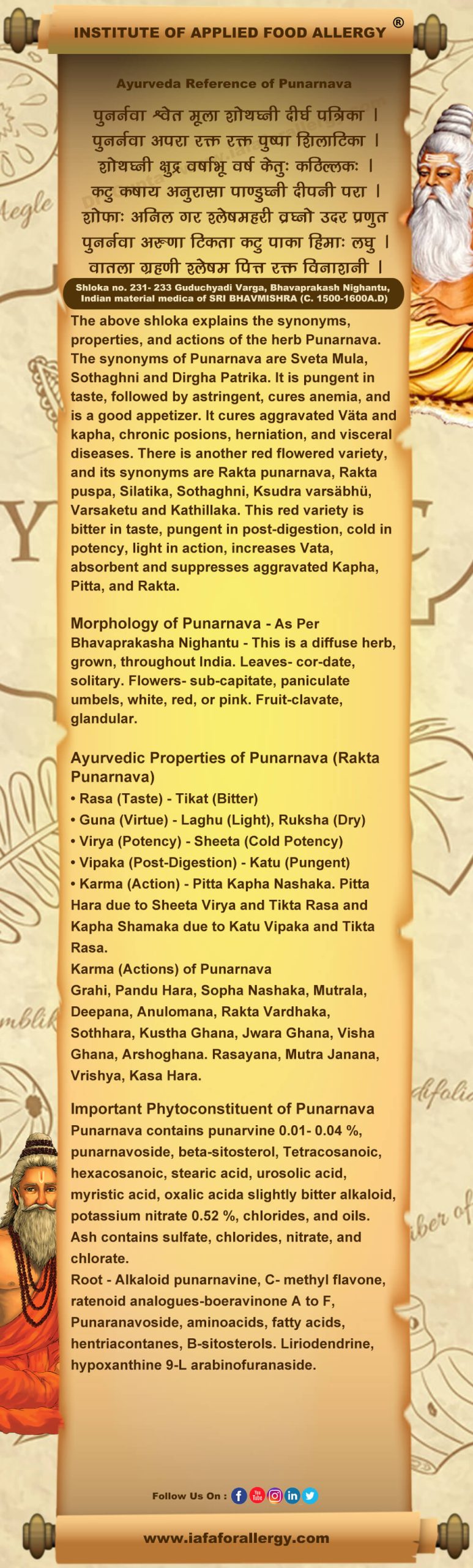
Punarnava contains punarvine 0.01- 0.04 %, punarnavoside, beta-sitosterol, Tetracosanoic, hexacosanoic, stearic acid, urosolic acid, myristic acid, oxalic acida slightly bitter alkaloid, potassium nitrate 0.52 %, chlorides, and oils. Ash contains sulfate, chlorides, nitrate, and chlorate.
Recent Research on Boerhavia diffusa
- Patel, Monali & Verma, R. & S, Shrivastav. (2014). Antioxidant activity of Boerhavia Diffusa extract. International Journal of Pharmacognosy and Phytochemical Research. 6. 598- 605. In vitro antioxidant activity of hydro-alcoholic extract of Boerhavia diffusa (Nyctaginaceae) was evaluated by studying superoxide radical scavenging activity, hydroxyl radical scavenging activity, nitrous oxide radical scavenging activity, 1, 1- diphenyl- 2-picrylhydrazyl (DPPH) radical scavenging activity, reducing ability and Fe +2 chelating ability using standard procedure. Identification and quantification of the boerhavinone B, one of the active constituents of the Boerhavia diffusa plant extract, was carried out by HPLC analysis. The result of the present study indicates that the Boerhavia diffusa extract shows a high amount of phenolics, flavonoids, tannins, and ascorbic acid contents. Hydro-alcoholic extract of Boerhavia diffusa effectively scavenged free radicals at all different concentrations and showed potent antioxidant potency and effects were in a dose-dependent manner. Boerhavia diffusa extract possesses potent antioxidative properties.
- Beegum, Juna & Beevy, Suhara & Sugunan, V. S. (2016). Natural antioxidant activity of Boerhavia diffusa L. 8. 8- 13. Objective: To evaluate the anti-oxidant properties of Boerhavia diffusa ethanolic, chloroform, and petroleum ether extracts. Methods: In vitro antioxidant potential as well as total phenolic and flavanoid content of B. diffusa have been investigated by different assays including scavenging activity and reducing power assays. Results: All three extracts of B.diffusa showed significant antioxidant activities compared to the standard antioxidants in a dose-dependent manner. IC50 values indicated that the ethanolic extract of the plant has more scavenging activities and reduces power than others. Ethanolic extract was found to have the highest total phenolic and flavonoid contents with the values 73.2±5.01 expressed in mg gallic acid/gm dry extract and 56.51±4.11 expressed in mg rutin/gm dry extract respectively. Conclusion: The data obtained in the present study suggests that the B.diffusa extracts have potent antioxidant activity against free radicals, prevent damage to major biomolecules, and afford significant protection against oxidative damage.
- Sirou, Mama & Ibrahima, Amidou & Attakpa, Eugène & Gbessohele, Béhanzin & Amoussa, Abdou Madjid & Lagnika, Latifou & Guinnin, Felix & Rodrigue, Akotegnon & Hounnankpon, Yedomonhan & Sezan, Alphonse & Baba-Moussa, Farid & Baba-Moussa, Lamine. (2018). Antioxidant and Free Radical Scavenging Activity of Various Extracts of Boerhavia diffusa Linn. (Nyctaginaceae). The Pharmaceutical and Chemical Journal. The main objective of this work is to make the phytochemical screening to evaluate the phenolic composition and anti-radical activity of various extracts of Boerhaavia diffusa Linn. that will explain his therapeutic effects. It will characterize the chemical groups, to identify the best solvent extraction of total polyphenols, flavonoids, and condensed tannins by testing and modifying the extraction solvents and evaluating in vitro antioxidant activity of n-hexane, dichloromethane, ethyl acetate, methanol, and ethanol extracts from Boerhaavia diffusa trapping method according to the free radical DPPH. Boerhavia diffusa Linn. is a plant of the Beninese pharmacopeia used in traditional medicine in Benin. In this work n-hexane, dichloromethane, ethyl acetate, methanol, and ethanol extracts were prepared from the stem leaves of Boerhavia diffusa Linn. The quantitative estimation of total phenols, tannins, and flavonoids by the colorimetric method showed that the extracts are rich in these compounds. Evaluation of antioxidant power was performed using the method of DPPH free radical trapping. Keywords Boerhavia diffusa Linn; Free radical scavenging activity; DPPH; total phenols; flavonoids; tannins Introduction Boerhavia diffusa Linn. (Nyctaginaceae) has been widely studied for its chemical constituents and therapeutic activities. The roots are the source of a novel class of isoflavonoids known as rotenoids, flavonoids, flavonoid glycosides, xanthones, purine nucleosides, lignans, ecdysteroids, and steroids. Various animal studies and trials have confirmed the presence of activities, for example, immunomodulation, hepatoprotection, anti-fibrinolysis, anticancer activity, anti-diabetic activity, anti-inflammation, and diuresis. In this paper, traditional uses, are chemical constituents.
- Gopal, T.K. & Gugnani, Harish & Chamundeeswari, Duraipandian & Reddy, C. (2010). In-vitro antioxidant activity of roots of Boerhaavia diffusa Linn. Research Journal of Pharmaceutical, Biological and Chemical Sciences. 1. 782-788. The present study was undertaken to evaluate the antioxidant activity of Chloroform, Ethanol, and Ethyl acetate fraction of B. diffusa L roots which might have improved its reported hepatoprotective action. Preliminary phytochemical testing showed the presence of high amounts of tannins and phenolics in the various extracts of B. diffusa L. Herbal drugs containing free radical scavengers like phenolics, tannins, and flavonoids are known for their therapeutic activity hence the present study was undertaken to evaluate antioxidant activity of different extracts of B. diffusa L roots which might have improved its reported pharmacological actions. Invitro nitric oxide scavenging activity, the percentage inhibition was 71.35 %, 33.74 %, and 23.85 % in ethanol, chloroform, and ethyl acetate extracts at 250 mcg/ ml when compared with Curcumin at 62 mcg/ ml showed only 84.7 % inhibition respectively. The ethanol extract and ethyl acetate showed a biphasic response whereas the chloroform extract showed a dose-dependent increase. In DPPH radical scavenging activity, the ethanol extract showed 81.94 % inhibition and the chloroform extract showed 42.58 % inhibition at 1000 mcg/ ml compared with 88.02 % inhibition by Quercetin. The above results suggest that roots of B. diffusa L were found to reveal antioxidant potential which supports the use of this plant in traditional medicine.
- Ramya, Dakoju & Devarakonda, Ramadevi. (2017). ANTIBACTERIAL AND ANTIOXIDANT ACTIVITY OF WHOLE PLANT OF BOERHAAVIA DIFFUSA LINN. 3877- 3880. Objective: This research aimed to analyze the antioxidant, antimicrobial activity and of the phytochemicals extracted from Boerhaavia diffusa Linn. Whole plant.Methods: The anti-oxidant activity of the Methanol extract of Boerhaavia diffusa was done by using the DPPH method. The antimicrobial activity was performed by using the cup plate agar diffusion method. Results: Methanol extract of Boerhaavia diffusa whole plant was shown to have declined in antioxidant activity with the increase in concentration. There was a considerable amount of zone of inhibition observed in antimicrobial activity when the assay was performed against E. coli. However, no such zone of inhibition was observed against Bacillus subtilis. The present study was undertaken to evaluate the antioxidant activity of concentrations dependent on DPPH radical by methanolic extract of B. diffusa whole plant and ascorbic acid for in vitro studies. The result revealed the zone of inhibition of Anti-bacterial activity of methanol crude extract of B. diffusa whole plant against tested bacterial species (gram +ve and gram –ve). The methanol extract was obtained by this study. Conclusion: The present study validates the effective use of B. diffusa against microbial growth and also has antioxidant activity.
- Vasundhara, C. C. S. & Devi, S. (2015). Free radical scavenging activity of leaves of Boerhavia diffusa. International Journal of Pharma and Bio Sciences. 6. P77- P84. The oxidative degenerative disorders are caused due to free radical accumulation in the body and there is a need for new antioxidants from plant sources to protect ourselves from the radicals. The present study was aimed at evaluating the free radical scavenging activity generated by the different extracts (petroleum ether, chloroform, ethanol, and aqueous) of leaves of Boerhavia diffusa. In vitro, methods like DPPH, ABTS, nitric oxide, hydroxyl, hydrogen peroxide, and superoxide radical scavenging activity were adopted for the study. The scavenging effect of the plant extracts and the standard ascorbic acid showed a dose-dependent increase with the increase in concentration in percent inhibition (20 – 100 μg/ ml). The ethanolic extract of the leaves was found to possess a better scavenging activity at 100 μg/ ml concentration towards DPPH (60.8± 0.21 %), ABTS (71± 0.31 %), nitric oxide (80.4± 0.1 %), hydroxyl (76.4± 0.21 %), hydrogen peroxide (74.5± 0.17 %) and superoxide (79.6± 0.26 %) radicals. Hence the result of the present study confirms the antioxidant potential of the leaves of Boerhavia diffusa.
- Premakumari, C. & Kanagavalli, U. & Sadiq, A. & Hemalatha, S. & Kalaimagal, (2019). Antioxidant and immune-modulatory assay of Boerhavia diffusa Linn. International Journal of Research in Pharmaceutical Sciences. 10. 223- 226. 10. 26452/ ijrps. v10i1. 1809. Botanical and herbal preparations for medicinal usage contain various types of bioactive compounds; the focus of the study is on the analytical methodologies, which include the extraction, isolation, and characterization of alkaloid fractions from Boerhavia diffusa Linn. The analysis of bioactive compounds present in the Boerhavia diffusa Linn involving the procedure includes column chromatography, TLC, Immunoassay by PMN & Antioxidant assay by DPPH & FRAP method. Dietary supplementation with antioxidant properties may greatly help in the healthy metabolism of our body. A natural alkaloid that is isolated from a herbal plant B.diffusa Linn has antioxidant & Immunomodulatory effects & also B.diffusa Linn has anti-inflammatory, anti-arthritic, anti-bacterial, anti-ageing & diuretic activities as well.
- Muthulingam, M & Karri, Krishna. (2018). In vitro anticancer activity of methanolic leaf extract of Boerhaavia diffusa Linn. against MCF-7 cell line. Drug Invention Today. Introduction: Breast cancer is the leading cause of cancer-related deaths among females, medicinal plants are potential sources for the treatment of cancer. Breast cancer cells have increasingly shown resistance to chemotherapeutic drugs. Plant-derived secondary metabolites are proven to be an important source of anticancer drugs. Boerhaavia diffusa is an important medicinal plant used by many people to cure both infectious and non-infectious diseases. Objective: The present study aimed to evaluate the cytotoxic effect (anticancer activity) and observation of cell morphology changes of breast cancer (MCF- 7) cell lines when treated with the methanolic leaf extract of B. diffusa. Materials and Methods: The cytotoxic effect of the methanolic leave extract of B. diffusa against MCF- 7 cell lines was evaluated by 3- (4, 5- dimethylthiazol- 2- yl)- 2, 5- diphenyltetrazolium bromide (MTT), a yellow tetrazolium (MTT) assay and observable changes of cell morphology of MCF- 7 on exposure to the extract using phase-contrast microscope. Results: The results demonstrated that the methanolic leave extract of B. diffusa with different concentrations (2550, 100, and 200 μg/ mL) had shown a dose-dependent significant cytotoxic activity of 13.9 %, 27.96 %, 43.65 %, and 52.86, respectively, with half maximal inhibitory concentration of 69.18 μg/ ml and 47.14 % of cell viability was observed at 200 μg/ ml concentration of methanolic leave extract of B. diffusa. Conclusion: From this study, it can be concluded that the methanolic leave extract of B. diffusa showed significant anticancer activity against MCF- 7 cell lines and the methanolic leave extract of B. diffusa could be used for the treatment of breast cancer.
- Sreekumar, Sreeja & Sreeharshan, Sreeja. (2009). An in vitro study on antiproliferative and antiestrogenic effects of Boerhaavia diffusa L. extracts. Journal of Ethnopharmacology. 126. 221- 5. 10. 1016/ j. jep. 2009. 08. 041. Boerhaavia diffusa L. (Nyctinaceae) is a plant of the tropical region used in Indian traditional medicine for the treatment of human ailments including abdominal tumors, jaundice, dyspepsia, menstrual disorders, etc. This plant also has anti-lymphoproliferative, antimetastatic, and immunomodulatory effects. This study aimed to assess the antiproliferative and antiestrogenic properties of methanol extract of Boerhaavia diffusa (BME) in MCF- 7 breast cancer cell lines. The effective concentration range of BME on cell viability was analyzed using an MTT assay. Hydroxylapatite assay (HAP) was carried out to confirm the competitive binding of BME to the estrogen receptor (ER). The effect of BME on the expression of a selected estrogen-responsive gene pS2 was analyzed by RT- PCR. The ability of BME to alter the cell cycle phases and distributions was studied using FACS analysis. Treatment with varying concentrations of BME (20- 320 microg/ mL) resulted in moderate to very strong growth inhibition in MCF-7 cell lines. BME competed with [(3) H]-estradiol for binding to ER with an IC (50) value of 320 +/ – 25 microg/ mL. RT-PCR analysis revealed that BME reduced the mRNA expression of pS2 indicating the antiestrogenic action of BME. BME treatment for 48 h resulted in a remarkable increase in the number of MCF- 7 cells in the G0-G1 fraction from 69.1 % to 75.8 %, with a reciprocal decrease of cells in all other phases indicating cell cycle arrest at the G0- G1 phase. The results demonstrate that Boerhaavia diffusa possesses antiproliferative and antiestrogenic properties and suggest that it may have therapeutic potential in estrogen-dependent breast cancers.
- Ibrahime, Sinan & Akpulat, Ugur & Aldahish, Afaf & Celik Altunoglu, Yasemin & Baloglu, Mehmet & Zheleva-Dimitrova, Dimitrina & Gevrenova, Reneta & Lobine, Devina & Mahomoodally, Fawzi & Etienne, Ouattara & Zengin, Gokhan & Mahmud, Shafi & Capasso, Raffaele. (2021). LC-MS/ HRMS Analysis, Anti-Cancer, Anti-Enzymatic and Antioxidant Effects of Boerhavia diffusa Extracts: A Potential Raw Material for Functional Applications Anti-Cancer, Anti-Enzymatic and Antioxidant Effects of Boerhavia diffusa Extracts: A Potential Raw Material for Functional Applications. Antioxidants. 2021. 21. 10. 3390/ antiox- 10122003. Boerhavia diffusa is a great tropical plant and is widely used for various traditional purposes. In the present study, we examined the influence of solvents (dichloromethane, ethyl acetate, methanol, and infusion (water)) on the chemical composition and biological capabilities of B. diffusa. A UHPLC-HRMS method was used to determine the chemical characterization. The biological ability was examined for antioxidant, enzyme inhibitory, and anti-cancer effects. To evaluate antioxidant effects, different chemical methods (ABTS, DPPH, CUPRAC, FRAP, metal chelating, and phosphor-molybdenum) were applied. About enzyme inhibitory properties, cholinesterases, amylase, glucosidase, and tyrosinase were used. The MDA-MB-231 breast cancer cell line was chosen to determine anticancer activity. Based on the UHPLC-HRMS analysis, 37 specialized metabolites were dereplicated and identified in the studied extracts. Results revealed the presence of 15 hydroxybenzoic, hydroxycinnamic, and acyl quinic acids, and their glycosides, one rotenoid, seven flavonoids, 12 fatty acids, and two other glycosides. Among the tested extracts, the methanol extract showed a stronger antioxidant ability compared with other extracts. The methanol extract also showed the best inhibitory effects on tyrosinase and glucosidase. In the anti-cancer evaluation, the methanol extract showed stronger anticancer effects compared with water extract. In summary, our observations can contribute to the establishment of B. diffusa as a potential candidate for functional applications in the preparation.
- Umamaheswari, A & Nuni, A & Shreevidya, R. (2010). Evaluation of the anti-bacterial activity of Boerhaavia diffusa L. leaves. International Journal of Green Pharmacy. 4. 10. 4103/ 0973- 8258. 63879. The present study aimed to evaluate the qualitative analysis of phytochemicals and antimicrobial activity of various solvent extracts of Boerhaavia diffusa L. (Family: Nyctaginaceae) leaves. The antimicrobial activity of different solvent extracts of B. diffusa L. leaves was tested against the Gram-positive and Gram-negative bacterial strains by observing the zone of inhibition. The Gram-positive bacteria used in the test were Staphylococcus aureus, Bacillus subtilis, Streptococcus faecalis and Micrococcus luteus, and the Gram-negative bacteria were Escherichia coli, Pseudomonas aeruginosa, Salmonella typhii, Klebsiella pneumoniae, Proteus vulgaris, Serratia marcescens, Shigella flexneri and Vibrio cholerae. It was observed that ethanol, methanol, chloroform, ethyl acetate, and aqueous extracts showed activity against Gram-positive and Gram-negative bacteria. The ethanol extract of B. diffusa L. leaves showed more activity against Gram-positive (e.g. S. aureus, zone of diameter 11 mm) and Gram-negative bacteria (e.g. E. coli, zone of diameter 9 mm) when compared to other solvent extracts except for V. cholerae. The results confirmed the presence of antibacterial activity of B. diffusa L. leaf extract against various human pathogenic bacteria.
- B, Rema Shree & Remashree, AB. (2014). ANTIBACTERIAL EFFECT OF BOERHAVIA DIFFUSA AND PUNARNAVASAVAM ON URINARY TRACT INFECTION (UTI) CAUSING PATHOGENS. World Journal of Pharmaceutical Research. 3. the present study aimed to determine the antibacterial activity of Boerhavia diffusa leaves and an ayurvedic product Punarnavasavam on five Urinary Tract Infection pathogens. Klebsiella species, Pseudomonas species, Enterococcus species, Escherichia coli, and Proteus species were isolated from urine samples using standard microbiological procedures. The antimicrobial activity of Punarnavasavam which contains Boerhavia diffusa and different extracts of Boerhavia diffusa leaves was investigated on these pathogens using the Disc diffusion method, Well diffusion method, and Minimum inhibitory concentration. HPTLC quantification of the Boerhavia diffusa water and ethanolic extracts was also carried out. The ethanolic extract of Boerhavia diffusa and the Polyherbal formulation Punarnavasavam were highly effective against all the bacterial species isolated. Results indicated that Punarnavasavam and ethanolic extract of Boerhavia diffusa leaves contain compounds with therapeutic activity. Antibacterial activity was observed higher in Punarnavasavam compared to Boerhavia diffusa leaves.
- Chinnappan, Baskaran & Sivamani, P. & Bai, V. (2012). Evaluation of phytochemical and antimicrobial activities of Boerhavia diffusa. Journal of Pharmacy Research. 4. 434- 436. reported to use of different parts of the plant for food and Medicine. The present study aimed to evaluate the phytochemicals and antimicrobial activity of various solvent extracts of Boerhavia diffusa L. (Family: Nyctaginaceae). The antimicrobial activity of different solvent extracts of B. diffusa L. was tested against the Gram-positive and Gram-negative bacterial strains and fungus by observing the zone of inhibition. The Gram-positive bacteria used in the test were Staphylococcus aureus, Bacillus cereus, and Micrococcus luteus, and the Gram-negative bacteria were Escherichia coli, Pseudomonas aeruginosa, and Klebsiella pneumoniae. Fungus such as Aspergillus flavus, Aspergillus niger, and C. albicans were used. It was observed that ethanol, methanol, chloroform, hexane, and acetone extract showed activity against Gram-positive and Gram-negative bacteria and fungi. The ethanol extract of B. diffusa L. roots showed more activity against Gram-positive (e.g. S. aureus, 11 mm) and Gram-negative bacteria (e.g. E. coli, 9 mm) when compared to other solvent extracts. The results confirmed the presence of antimicrobial activity of B. diffusa L. roots extract against various human pathogenic bacteria and fungi.
- Joseph, Belgin & Chacko, Meenu & Rebello, Sharrel & Babu, Ramesh. (2016). Antibacterial Activity of ZnO Nanoparticles Using Boerhavia diffusa Against MRSA. International Journal of Toxicological and Pharmacological Research. 8. 40- 44. Plant-mediated synthesis of nanoparticles is one of the cost-effective and environmentally friendly methods for improving the antimicrobial activity of plant extracts. In the present study, biosynthesis of ZnO nanoparticles (ZnONps) has been demonstrated using an aqueous extract of Boerhavia diffusa leaves and the antimicrobial activity of synthesized nanoparticles was assessed in contrast to Methicillin-resistant Staphylococcus aureus (MRSA). UV-visible spectroscopy and scanning electron microscopy (SEM) studies showed the formation of nanoparticles with an average size of 140 nm. The antibacterial and anti-biofilm properties were also evaluated with the green synthesized ZnONPs and found highly effective. The molecular identification by ribulose-bisphosphate carboxylase (rbcL) PCR authenticated the taxonomic status of Boerhavia diffusa. This study proved that the ZnONPs could inhibit the activity of biofilms formed by MRSA strains and could be used as a potential antibacterial agent for cleaning and disinfection of MRSA in hospitals and other health care centers. In this regard, there is also an urgent need for further investigation of its use in cleaning and disinfection of equipment used in food industries and contagious materials.
- Raj, Adarsha & Sikdar, Bratati & Roy, Alokesh & Mukhopadhyay, Asish & Roy, Sudipta. (2021). Antioxidant and Antibacterial Activities of Phytochemicals in Methanolic Extracts of Five Underutilized Leafy Vegetables. Research Journal of Biotechnology. 16. 1- 10. 10. 25303/ 168rjbt0121. Leafy vegetables are important for their nutritive and medicinal value. However, many of them are less explored and underutilized. The present study evaluates the antioxidant and antibacterial activities present in five underutilized leafy vegetables such as Alternanthera philoxeroides, Boerhavia diffusa, Enydra(=Enhydra) fluctuans, Glinus oppositifolius and Suaeda maritima. Methanolic extracts from leafy edible parts of these plants possessed diverse phytochemicals. Of these plants, the polyphenol contents like total phenolic (TPC), total flavonoid (TFC), and total tannin (TTC) were the highest in E. fluctuans with significant variations concerning other plants. Also, the antioxidant activities of E. fluctuans were greater comparing other plants; the parameters were the total antioxidant activity (TAA), ferric-reducing power assay, and ability to scavenge DPPH, ABTS, and superoxide radicals. The effect of varying extract- quantities revealed the highest antibacterial activity of the E. fluctuans extracts with substantial inhibition zones against six bacterial strains. Accordingly, the E. fluctuans extracts showed the lowest MIC (2.75± 0.35 mg ml-1) and MBC (3.50± 0.71 mg ml-1), albeit with significant variations with ampicillin. The study highlights that these plants are the untapped repertoires of natural antioxidants and antimicrobials for dietary and therapeutic uses.
- MS, Mahesh & DU, Santhosha & R, Manasa & S, Vishwanath & R, Shekhara Naik. (2021). Hepatoprotective activity of Boerhaavia diffusa L. IP Journal of Nutrition, Metabolism and Health Science. 3. 109- 113. 10. 18231/ j. ijnmhs. 2020. 022. is also known as Punarnava in Ayurveda, which is widely spread during warmer climates throughout India and other countries. 6 species are available in India of which B. diffusa is one among them. In Ayurveda, this plant is used for so many diseases like liver, kidney, and heart, diseases. Also, it cures different types of cancers caused by different mechanisms. It is also used as an anti-microbial, and it also deals with other properties. All these properties are due to different essential phytochemical components. Here in this review, we have discussed, hepatoprotective activity property of developing protection against injuries, toxicity, and another mode which put the liver into dangerous condition/ toxicity.
- Venkatalakshmi, P. & Vallabi, E.D. & Netaji, S. (2011). Hepatoprotective activity of boerhavia diffusa against paracetamol-induced toxicity in rats. Journal of Chemical and Pharmaceutical Research. 3. 229- 232. The present study was designed to evaluate the hepato-protective activity of Boerhavia diffusa against paracetamol-induced hepatotoxic rats. Administration of paracetamol (3 g/ kg. b. wt.,) produced significant changes in the hepatocytes which were reflected in the altered parameters such as ALT, AST, GSH, Protein, and Serum creatinine levels. Treatment with B.diffusa root extract (1 g/ kg. b. wt.,) produced remarkable changes and brought back the altered parameters to near normal, proving its hepato-protective activity.
- Ramachandra, Y L & Shilali, K. & Ahmed, M. & Hegde, Sudeep & Kavitha, B.T. & Gurumurthy, H. & Rai, Padmalatha. (2011). Hepatoprotective properties of boerhaavia diffusa and Aerva lanata against carbon tetra chloride induced hepatic damage in rats. Pharmacologyonline. 3. 435- 441. The petroleum ether extract, methanolic extracts, and isolated compounds of B. diffusa and A. lanata were subjected to pharmacological screening on mice models. All the extracts obtained showed hepatoprotective activity in albino rats where the hepatotoxicity was induced by administering CCl4. Animals treated with doses of 100, 200, and 300 mg/ kg, of plant extracts, showed significant protection of liver histologically and serum tests after the last doses of CCl4. Thus the current study reveals that plant extracts from the plants B. diffusa and A. lanata have significant hepatoprotective properties.
- Desai, S.K. & Desai, S.M. & Navdeep, S. & Arya, P. & Pooja, T. (2011). The antistress activity of Boerhaavia diffusa root extract and a polyherbal formulation containing Boerhaavia diffusa using cold restraint stress model. International Journal of Pharmacy and Pharmaceutical Sciences. 3. 130-132. Hydroethanolic extract (80 %) of Boerhaavia diffusa (HEBD) and a polyherbal formulation (Punarnava Mandur) PHF- 09 containing Boerhaavia diffusa were compared for their antistress activity using a Cold restraint stress model. Punarnava mandur contains Boerhaavia diffusa, mandur bhasm, varun, bharangi. Stress was induced by subjecting animals to Cold restraint. Due to Cold restraint stress, there was an imbalance in the levels of biochemical parameters like glucose, triglycerides, cholesterol, SGOT, and SGPT which were near normalized following the administration of HEBD and PHF-09. HEBD and PHF-09 were found to have comparable antistress activity.
- Venkatesh, Porika & Dinakar, A. & Senthilkumar, N. (2012). Hepatoprotective activity of alcoholic extracts of Boerhaavia diffusa and Anisochlilus Carnosus against carbon tetrachloride-induced hepatotoxicity in rats. Asian Journal of Pharmaceutical and Clinical Research. 5. 232-234. An alcoholic extract of stem and leaves of Boerhaavia Diffusa (AEBD) and leaves of Anisochilus Carnosus (AEAC) was studied for hepatoprotective activity against Carbon Tetrachloride (CCl4) induced hepatotoxicity in rats. Hepatotoxicity was introduced in Albino rats of either sex by intraperitoneal injection of CCl4 (in olive oil). Alcoholic extracts of AEBD and AEAC were administered to the experimental rats at the dose levels 150mg and 300mg/kg body weight, 200mg and 400mg/kg body weight of AEBD and AEAC respectively. The hepatoprotective effects of the extracts were evaluated by the assay of liver function biochemical parameters like Serum Glutamate Oxaloacetate Transaminase (SGOT), Serum Glutamate Pyruvate Transaminase (SGPT), Serum Alkaline Phosphatase (SALP), Total and Direct Serum Bilirubin. It was concluded that the alcoholic extracts of AEBD and AEAC possess hepatoprotective activity against CCl4-induced hepatotoxicity in rats.
- Shrman, Kshemankar & Sahni, Y. P. (2011). The anti-stress activity of boerhaavia diffusa in rats. Indian Veterinary Journal. 88. 32-34. The anti-stress activity of the Indigenous medicinal plant Boerhaavia diffusa (Punarvnava) was evaluated against anoxia tolerance test and swimming-induced stress in albino rats. Fluphenazine, a standard anti-stress drug was used to compare the activity of B. diffusa. The results revealed that the alcoholic extract of B. diffusa exhibited significant antistress activity in both models of stress. However aqueous extract showed significant anti-stress activity in the swimming-induced stress model only.
- Jalan, R. & Lakshminarayanan, Arivarasu & Shanmugam, Rajeshkumar & Thangavelu, Lakshmi. (2021). Anti-Inflammatory Activity of Boerhavia diffusa Zinc Oxide Nanoparticle. Journal of Pharmaceutical Research International. 343- 353. 10. 9734/ jpri/ 2021/ v33i61B35607. Introduction: Boerhaavia diffusa is a species of flowering plant in the four o’clock family which is commonly known as punarnava, red spiderling, spreading hogweed, or tarvine. It is taken in herbal medicine for pain relief and other uses. Zinc oxide is used to treat or prevent minor skin irritations such as burns, cuts, and diaper rash. Some products may be used as sunscreen. Materials and Methods: Bovine serum albumin was used for the assay. 2ml of bovine albumin was mixed with 400 microliters of hyaluronic acid-mediated zinc nanoparticles in different concentrations. Diclofenac sodium in different concentrations was used as standard and then incubated for 55 c for 20 min and then the result was analyzed spectrometrically. Results: According to the results, at 10 μl, 20 μl,30 μl, 40 μl and 50 μl concentration the percentage of inhibition is 25 %, 50 %, 75 %, 85 %, and 90 % when compared to standard concentration and its percentage of inhibition is 95 %. As the concentration increases, the percentage of inhibition also increases. Conclusion: From the above study, it is evident that zinc sulfate nanoparticles synthesized by Boerhevia diffusa-based showed a potent anti-inflammatory effect.
- Sani, Saifuddin & Singh, Vijender & Gupta, Vijeta. (2020). CLINICAL EVALUATION OF BOERHAAVIA DIFFUSA L EXTRACT OBTAINED FROM DIFFERENT GEOGRAPHICAL SOURCES. EUROPEAN JOURNAL OF PHARMACEUTICAL AND MEDICAL RESEARCH. 7. 844. Boerhaavia diffusa is a flowering plant that belongs to the family Nyctaginaceae. It exhibits an immense ethnopharmacological history and it is a reservoir of phytochemical stochastic therapeutic qualities. It is one of the oldest Asian medicines listed in Ayurveda as a possible cure for various diseases. The whole plant or its element (aerial components and roots) has many medicinal properties and is used for specific conditions by common and ethnic people, it is rich in glycosides, steroids, and flavonoids and also contains various polyphenolic compounds. Boerhaavia diffusa has been studied with great interest in the field of phytochemistry and pharmacology because of its promising medicinal values, with various pre-clinical trials confirming the presence of activities like anti-inflammatory, immunostimulant, antioxidant, hepatoprotective, hypoglycemic, antifungal, anti-proliferative, antiestrogenic, analgesic, antibacterial, and other ethnopharmacological uses. Allopathic medicine is almost at the height of established research and advanced technology. Therefore, with the help of advanced research methodology, there is an urgent need to validate the principles and drugs used in the alternative medicine system, including herbal drugs. In summary, this review article provides updated information regarding the plant morphology, chemical compositions responsible for therapeutic values, traditional uses, and its reported pharmacological properties, and ethnopharmacological applications with a potential scope of development on Boerhaavia diffusa.
- Shameela, S. & Shamshad, Shaik & Priyadarsini, Indira & Paul, M. & Devi, K. (2015). The hypolipidemic and anti-inflammatory activity of Boerhaavia diffusa in isoproterenol-induced myocardial infarcted rats. International Journal of Pharma and Bio Sciences. 6. P1-P10. Cardiovascular disease (CVD) or diseases of the circulatory system can be described as all diseases relating to the heart and blood vessels. The World Health Organization (WHO) estimates there will be about 20 million CVD deaths in 2015, accounting for 30 percent of all deaths worldwide. The present study was designed to evaluate the cardioprotective role of whole plant extract of Boerhaavia diffusa on isoproterenol-induced myocardial infarction in Wistar albino rats. The rats were divided into four groups of six animals each. Group I served as a normal control, Group II rats were administered isoproterenol (85 mg/ kg, i.p) at the end of the experimental period on the 45th and 46th days. Group III received an ethanolic extract of Boerhaavia diffusa 150mg/kg b.w for 45 days. Group IV rats were pretreated with Boerhaavia diffusa 150mg/kg b.w for 45 days and received an intraperitoneal injection of isoproterenol (85 mg/ kg, b.w) at the end of the experimental period for 2 consecutive days. After the experimental period, blood was collected and serum was separated and used for the estimation of cholesterol, triglycerides, phospholipids, and lipoproteins and the assay of lipid peroxidation and protein oxidation. The heart homogenate was used for the assay lipid profile, lipid peroxidation, and protein oxidation. Isoproterenol-induced rats showed a significant increase in the levels of triglycerides, total cholesterol, and free fatty acids in both serum and heart homogenate. A rise in the levels of LDL and VLDL with a significant decrease in the level of HDL was also observed in the serum and heart tissues of isoproterenol-treated rats. However, the phospholipid content was found to be significantly increased in serum and decreased in heart tissue. The values of the atherogenic index and C/P ratio were significantly increased in the ISPH-treated group. The oral administration of ethanolic extract of Boerhaavia diffusa 150/ kg b.w) to isoproterenol-induced rats daily for 45 days proved the protective role of Boerhaavia diffusa. The levels of the biochemical parameters in the plant-treated groups were nearly the same as that of the normal control.
- Pareta, Surendra & Patra, Kartik & Mazumder, Papiya & Sasmal, Dinakar. (2011). Aqueous extract of Boerhaavia diffusa root ameliorates ethylene glycol-induced hyperoxaluric oxidative stress and renal injury in rat kidneys. Pharmaceutical biology. 49. 1224- 33. 10. 3109/ 13880209. 2011. 581671. Boerhaavia diffusa Linn. (Nyctaginaceae) is widely used in traditional Indian medicines against renal afflictions including calcium oxalate (CaOx) urolithiasis and is known for antioxidant activity. The present study was designed to investigate the ameliorating effect of aqueous extract of B. diffusa roots (BDE) in hyperoxaluric oxidative stress and renal cell injury. In vitro, the antioxidant activity of BDE was estimated in terms of total phenolic content and 1, 1- diphenyl- 2- picryl hydrazyl free radical scavenging activity. Wistar albino rats were given 0.75 % v/v ethylene glycol in drinking water to induce chronic hyperoxaluria and simultaneously BDE was given to nephrolithiasic treated rats at the dose of 100 and 200 mg/ kg b.w. Orally for 28 days. Urinary volume, oxalate, serum creatinine, blood urea nitrogen (BUN), malondialdehyde (MDA), and antioxidant enzyme (SOD, CAT, GST, GPx) were evaluated.
- BDE extract was found to possess a high total phenolic content and exhibited significant free radical scavenging activity. Oxalate excretion significantly increased in hyperoxaluric animals as compared to control which was protected in BDE-treated animals. BDE treatment significantly reduced the level of MDA and improved the activity of antioxidant enzymes followed by a reduction in BUN and serum creatinine. In addition, BDE reduced the number of CaOx monohydrate crystals in the urine. Histological analysis depicted that BDE treatment inhibited the deposition of CaOx crystal and renal cell damage. The present study reveals that the antioxidant activity of BDE significantly protects against hyperoxaluric oxidative stress and renal cell injury in urolithiasis.
- Murti, Krishna & Lambole, Vijay & Panchal, Mayank & Kumar, Upendra. (2011). Antidiabetic and antihyperlipidemic activity of roots of Boerhaavia Diffusa on streptozotocin-induced diabetic rats. Pharmacologyonline. 1. 15- 21. The present study aimed to evaluate the anti-diabetic -activity potential of Boerhaavia Diffusa roots against streptozotocin (STZ) induced experimental rats. Ethanolic extract of roots of Boerhaavia Diffusa was administered to streptozotocin-induced rats. Glibenclamide was used as a standard drug. Blood glucose levels were determined after oral administration of a dose of Boerhaavia Diffusa (400 mg/ kg b. wt) in diabetic groups. Blood glucose levels were determined on 0, 7th, 14th, and 21st days after oral administration of ethanolic extracts of Boerhaavia Diffusa (400 mg/ kg). An ethanolic extract of Boerhaavia Diffusa was found to reduce blood sugar in streptozotocin-induced diabetic rats. Reduction in blood sugar could be seen from the 7th day after continuous administration of the extract. The effect of extracts of Boerhaavia Diffusa on serum lipid profiles like Total cholesterol, triglycerides, low density, very low density, and high-density lipoprotein was also measured in the diabetic and nondiabetic rats. There was a significant reduction in Total cholesterol, LDL cholesterol, and VLDL cholesterol and an improvement in HDL cholesterol in diabetic rats. These results indicated that Boerhaavia Diffusa possesses a hypoglycemic and antihyperlipidemic effect.
- Kanagavalli, U. & Bhuvaneshwari, B. & Sadiq, A. (2015). Anti-diabetic activity of boerhaavia diffusa against alloxan-induced diabetic rats. International Journal of Pharma and Bio Sciences. 6. B1215- B1219. The main objective of the present study was Antidiabetic activity of aqueous extract of leaves of Boerhaavia diffusa in alloxan-induced diabetic rats was assessed. After the treatment, blood samples were collected and the serum was subjected to estimate different biochemical parameters viz. blood glucose, insulin, cholesterol, urea, glycosylated hemoglobin, triglycerides, and protein levels. There was a steep decrease in protein and insulin, and elevated levels of blood glucose, urea, glycosylated hemoglobin, cholesterol, and triglycerides are seen. It becomes normal after exposure to aqueous leaf extract of Boerhaavia diffusa. It may be concluded that Boerhaavia diffusa might be used in the treatment of diabetics.
- Pareta, Surendra & Patra, Kartik & Mazumder, Papiya & Sasmal, Dinakar. (2010). Boerhaavia diffusa Linn aqueous extract as a curative agent in ethylene glycol-induced urolithiasis. Pharmacologyonline. 3. C. G.)- 495009, India Summary Boerhaavia diffusa Linn. is a widely used plant in India, as a traditional medicine for the treatment of renal disorders including urolithiasis as mentioned in Ayurveda, Charaka Samhita, and Sushrita Samhita. The present study aims to evaluate the antiurolithiatic activity of Boerhaavia diffusa Linn. root aqueous extract (BDAE) and rationalize its use in treating renal stones. Male Wister Albino rats (180- 200 g body weight) were orally administered with 0.75 % v/v ethylene glycol (EG) and 1 % ammonium chloride for 3 days in drinking water and then 0.75 % EG only until they reached three weeks to induce the deposition of calcium (CaOx) crystal deposition in rat kidney. The lithogenic treatment caused weight loss, hyperoxaluria, and impairment of renal function. However, treatment with BDAE (100 or 200 mg/ kg) did not cause excessive hyperoxaluria and consequently reduced the crystal depositions in a dose-dependent manner in rat kidneys after one week of urolithiasis induction. Boerhaavia diffusa Linn. causes diuresis and hastens the process of dissolving the preformed crystals and helps in the mechanical expulsion of the stone, improves renal function by increasing the removal of waste product and decreases the oxalate excretion probably by interfering with metabolism. Results of this study indicate Boerhaavia diffusa Linn. possesses antiurolithiatic activity, that is possibly mediated through diuretic and hypo-oxaluric effects.
- Pari, L & Marudamuthu, Amarnath. (2004). Antidiabetic Effect of Boerhavia diffusa: Effect on Serum and Tissue Lipids in Experimental Diabetes. Journal of medicinal food. 7. 472- 6. 10. 1089/ jmf. 2004. 7. 472. The present study was designed to investigate the antihyperlipidemic activity of an aqueous extract of Boerhavia diffusa leaves in alloxan diabetic rats. Hyperlipidemia is an associated complication of diabetes mellitus. Many herbs and spices are known to be antihyperglycemic. Oral administration of B. diffusa leaf extract (BLEt) at 200 mg/ kg of body weight for 4 weeks resulted in a significant reduction in serum and tissue cholesterol, free fatty acids, phospholipids, and triglycerides. Moreover, BLEt supplementation was found to be more effective than glibenclamide in the treatment of diabetic rats.
- Shrman, Kshemankar & Sahni, Y. P. (2012). Analgesic effect of boerhaavia diffusa. Indian Veterinary Journal. 89. 27- 29. The analgesic activity of the indigenous medicinal plant Boerhaavia diffusa (Punamava) was studied. The analgesic activity for both aqueous and alcoholic extracts was screened by the heat-induced analgesia method in albino rats. Pentazocine, a standard analgesic drug was used to compare the analgesic activity of B. diffusa extracts. The results revealed that the aqueous and alcoholic extracts of B. diffusa in a dose of 400 mg/ kg bw given i/p exhibited significant analgesic activity.
- Pareta, Surendra & Patra, Kartik & Mazumder, P. & Sasmal, Dinakar. (2011). Prophylactic Role of Boerhaavia diffusa in Ethylene Glycol Induced Calcium Oxalate Urolithiasis. African Journal of Urology. 17. 28- 36. 10. 1007/ s12301- 011- 0007- 1. Introduction Boerhaavia diffusa Linn. (Family: Nyctaginaceae) is a widely used plant in India and Brazil as a traditional medicine for the treatment of urolithiasis and other urinary disorders. Objectives This study aimed to evaluate the antiurolithic activity of Boerhaavia diffusa root aqueous extract (BDE) as prophylaxis for renal stones. Methods In vitro calcium oxalate (CaOx) crystallization inhibitory effect of BDE was determined by measuring the change in turbidity at 620nm on the addition of sodium oxalate in the synthetic urine. In a rat model of urolithiasis, induced by adding 0.75 % ethylene glycol (EG) in drinking water, and effect of simultaneous treatment of BDE (100– 200 mg/ kg) was observed for 28 days. Results BDE inhibited CaOx nucleation, aggregation, and crystal formation in the synthetic urine in vitro in addition to NaOx. The lithogenic treatment caused polyuria, weight loss, hyperoxaluria, and impairment of renal function which was prevented by BDE. Hyperoxaluria and CaOx crystal deposition in the renal tubules caused by EG intake were prevented by BDE treatment. Conclusion This study indicates that the antiurolithic activity of Boerhaavia diffusa extract possibly mediated through inhibition of CaOx crystallization, diuresis, and hypo-oxaluria may justify its prophylactic use in urolithiasis.
Recent Research on Trianthema portulacastrum Linn.
- Das, Uttam & Saha, Tanmay & Ghosh, Rita & Das, S. K. (2020). Trianthema portulacastrum L.: Traditional medicine in healthcare and biology. Indian Journal of Biochemistry and Biophysics. 57. 127- 145. Medicinal plants are the major folk and traditional medicine for the prevention of diseases worldwide. Trianthema portulacastrum L. (family: Aizoaceae), is a small perennial weed, found in America, Africa, India, and other regions of the world, and is extensively used not only as medicine but also as a vegetable for its various health benefits. Phytochemical analysis of T. portulacastrum reveals the presence of alkaloids, phytosterols, terpenoids, saponins, flavonoids, and phenolic compounds. In vitro and in vivo studies have demonstrated its pharmacological and biological activities. Different parts of T. portulacastrum L. are conventionally used as analgesic, antipyretic, lipid-lowering, and microbicide agents; and protect the liver and kidney from carcinogen, inflammation, and oxidant chemicals.
- Sukalingam, Kumeshini & Ganesan, Kumar & Ponnusamy, Kumar. (2015). Pharmacological properties of Trianthema portulacastrum L and its therapeutic potential as Complementary Medicine. International Journal of Biological and Chemical Sciences. 4. 269.
- Yada, Divya. (2021). CHLOROFORM EXTRICATE OF TRIANTHEMA PORTULACASTRUM, WHOLE PLANT: AN ANTI-HYPERLIPIDEMIC IN ATHEROGENIC DIET INDUCED HYPERLIPIDEMIC RATS. Journal of Medical pharmaceutical and allied sciences. 10. 3094- 3096. 10. 22270/ jmpas. V10I4. 1067. Hyperlipidemia is considered to be among the considerable risk factor that contributes to the severity as well as the incidence of cardiovascular diseases. The Anti-hyperlipidemic effect of Chloroform extrication of the entire plant Trianthema portulacastrum has been studied in atherogenic diet-induced hyperlipidemic rats. Group- I acted as controls (untreated), Group- II acted as atherogenic diet-induced controls, standard Hypolipidemic drug (Simvastatin 4 mg/ kg) was used for treating Group- III. The Chloroform Extricate of Trianthema portulacastrum was administered orally at 100 mg/ kg and 200 mg/ kg doses for Group IV and V respectively. Serum lipid levels were evaluated after oral administration of the standard drug and Chloroform extricate of Trianthema portulacastrum (100 mg/ kg as well as 200 mg/ kg) respectively at the experimental study’s end. With 200 mg/ kg of Trianthema portulacastrum Chloroform Extricate treatment, a significant reduction in serum lipid parameters like VLDL, LDL, triglycerides, total cholesterol levels, and increased HDL levels was seen in hyperlipidemic rats as compared to control statistically. From these results, it is evident that Chloroform extract of Trianthema portulacastrum entire plant treats hyperlipidemia and improves the liver lipid profile.
- Dhandapani, Kavitha & Parvatham, R. & Padma, P. R. (2014). Assessment of Trianthema portulacastrum for its antimicrobial potential and investigation of their phytochemicals using HPTLC, GC- MS, and IR. International Journal of Pharmacy and Pharmaceutical Sciences. 6. 675- 686. Objective: To evaluate the leaves of Trianthema portulacastrum for their antibacterial activity, antifungal activity and also to identify the nature of the phytochemicals in the selected plant. Materials and Methods: The leaves of the selected plant were extracted in varying solvents of different polarities and tested against the clinical isolates of bacteria and fungi. Qualitative tests, GC- MS, HPTLC, and IR analysis were performed to identify the nature of the phytoconstituents. Results: The methanolic extract was found to be more effective against the bacterial and fungal strains than the aqueous and chloroform extracts and also the antimicrobial activity resided predominantly in flavonoid fractions. The leaves had a broad spectrum of active compounds. The spectral studies were suggestive of the presence of flavonoids, leptorumol, and C- methylflavone. Conclusion: The leaves of Trianthema portulacastrum are an excellent source of various lead molecules that can be developed into an antimicrobial drug.
- Mehta, R.S. & Shekar, Dr.Bonagiri & Geetha, M. & Saluja, Ajay Kumar. (2003). Preliminary Evaluation of Hepatoprotective Activity of Trianthema portulacastrum Linn. Journal of Natural Remedies. 3. 180- 184. 10. 18311/ jnr/ 2003/ 160. Objective: To study the hepatoprotective effect of aerial parts of Trianthema portulacastrum. Materials and methods: The hepatoprotective activity of T. portulacastrum was evaluated using paracetamol and rifampicin as liver toxicants in rats. The potency of alcoholic and aqueous extracts of aerial parts was compared with that of silymarin at a dose of 100 mg/ kg, P.O. The SGOT, SGPT, and bilirubin levels of blood were measured spectrophotometrically. Results: Alcoholic extract of aerial parts caused a significant fall in the enzyme levels in serum in rats. Conclusion: T. portulacastrum has shown significant activity in rats intoxicated with paracetamol and rifampicin and can be recommended for further studies.
- Prakash, Anand & Dr. Pracheta & Sharma, Vinay. (2019). Bioactivity and Pharmacological Potential of Trianthema portulacastrum L. (Angiosperms: Aizoaceae): An Overview. Plant Science Today. 6. 10. 14719/ pst. 2019. 6. sp1. 678. Trianthema portulacastrum L. (Biskhapra/ Horse purslane) is widely found in tropical and sub-tropical countries of the world. This weed automatically spreads in cultivated fields. From ancient times it has been used for curative purposes. The plant has a wide range of applicability and is henceforth used as an Ayurvedic herb. The decoction of this herb is utilized as a vermifuge, an antidote prepared that helps in treating alcohol poisoning and leaves a cure for the wound. In the era of phytomedicines lot of work has been done related to its morphology, ethno-pharmacology, medicinal uses, phytochemistry, and pharmacological properties. Various pharmacological properties like antimicrobial properties, analgesic, anti-inflammatory, anti-diabetic, anti-hyperglycemic, and hepato-protective activity make this plant very renowned amongst researchers as they utilized it somewhat like a panacea. Different parts of plants are utilized for therapeutic purposes and extracts are prepared in different solvents used in the treatment of various disorders. In this review, an attempt has been made to provide all-inclusive information about this plant its bioactive compounds, and their pharmacological importance.
- Shivhare, Manoj & Singour, P.K. & Chaurasiya, P.K. & Pawar, Rajesh. (2012). Trianthema portulacastrum Linn. (Bishkhapra). Pharmacognosy reviews. 6. 132- 40. 10. 4103/ 0973- 7847. 99947.
- Das, Uttam & Saha, Tanmay & Das, S. K. (2018). Trianthema portulacastrum l. Extract protects against gamma radiation-induced human red blood cell membrane damage in vitro. Indian Journal of Biochemistry and Biophysics. 55. 321- 327. Radiation-induced oxidation of membrane lipids and proteins appears to be responsible for damaging the red cell membranes. The membrane integrity of circulating red blood cells (RBCs) is compromised by the deleterious action of γ-radiation in humans. Trianthema portulacastrum L. is an inexpensive, non-toxic herb commonly used in ayurvedic medicine due to its significant pharmacological activities. Methanolic extract of different parts of T. portulacastrum L. contain carbohydrates, polyphenols, flavonoids, alkaloids, and terpenoids; whereas saponin is present only in root extract, while cardiac glycosides are absent in root extract. Here, we explored the radio-protective role of leaf, stem, root, and whole plant extracts of T. portulacastrum L. against the γ-radiation-induced membrane damage of human red blood cells (RBCs). The RBCs on γ-irradiation (4 Gy) exposure showed elevated TBARS levels while inhibited ATPase activities in the membrane ghosts. Treatment of RBCs with different extracts of T. portulacastrum L. at different doses (50 µg/ mL, 100 µg/ mL, 200 µg/ mL) 1h before the exposure of γ-radiation significantly mitigated these changes in the RBC membranes due to presence of antioxidants in the extracts.
- Wari, Umesh. (2015). ANALGESIC ACTIVITY OF ETHANOLIC EXTRACT OF THE PLANT TRIANTHEMA PORTULACASTRUM IN EXPERIMENTAL MODELS. Journal of Evolution of Medical and Dental Sciences. 4. 5867- 5871. 10. 14260/ jemds/ 2015/ 858. Trianthema portulacastrum has many medicinal values and has been used in Ayurveda for a long time for these properties. So, the current study was undertaken to evaluate the analgesic effects of this plant. Wistar albino rats were treated with whole plant ethanolic extract of Trianthema portulacastrum 100 mg/ kg orally with 2% gum acacia, as suspending agent and indomethacin 20 mg/ kg as standard. The effects were observed in experimental models of analgesic activity viz, acetic acid-induced writhing and formalin-induced paw licking test. The study demonstrated that Trianthema portulacastrum reduced the number of writhings in the acetic acid-induced writhing test and the duration of paw licking in the formalin-induced paw licking test significantly. Trianthema portulacastrum has significant analgesic activity.
- Kendra, Suresh & Wari, Umesh. (2015). Screening of the anti-inflammatory activity of Trianthema portulacastrum in acute models of inflammation. Journal of Evolution of Medical and Dental Sciences. 4. 5185- 5189. 10. 14260/ jemds/ 2015/ 757.
- Randhawa, M.A. & Khan, M.A.J. & Khan, N.H. & ASIF, M. (2009). Influence of Trianthema portulacastrum infestation and plant spacing on the yield and quality of maize Grain. International Journal of Agriculture and Biology. 11. 225- 227. Studies into the influence of Trianthema portulacastrum and maize plant spacing on maize grain yield and quality parameters were carried out under field conditions at Faisalabad. Interactive treatments comprised maize plant spacings i.e., S1 (60 x1 5 cm), S2 (60 x 25 cm), S3 (60 x 35 cm) and Trianthema density i.e., D0 (Control), D1 (5 plants m-2), D2 (10 plants m-2), D3 (15 plant m-2), D4 (20 plant m-2). The results showed that amongst all the interactive treatments, S1D0 (S1 i.e., maize plant at 60 x 15 cm spacing and D0 i.e., 5 plants of Trianthema per square meter) produced the maximum grain yield (3.68 t ha-1), whereas the highest grain starch (70.21 %), protein (3.68 %) and oil contents (8.11 %) was produced in the S3D0. S3D0 also produced excellent results in the form of 1000 grain weight (272.15 g) and weight per cob (58.0 g). Results showed that maize sown at narrow spacing yields better due to more population, but the grain quality improves at wider maize plant spacing with better use of growth resources.
- Balamurugan, G. & Mohan, C.M. & Muthusamy, Prakash. (2009). Protective Effect of Trianthema portulacastrum Linn Leaves on Gentamicin Induced Nephrotoxicity in Rats. Journal of Natural Remedies. 9. 165- 169. 10. 18311/ jnr/ 2009/ 236. Objective: To evaluate the nephroprotective effect of ethanolic extract of Trianthema portulacastrum leaves in gentamicin-induced renal damage in rats. Materials and methods: The nephroprotective activity of ethanolic extract of T. portulacastrum leaves was evaluated against gentamicin-induced renal damage in rats. Various biochemical parameters were assessed, and a histopathological section of the kidney was taken. The protective effect was further studied by analyzing the potential of the extract to scavenge the free radicals. Results: i. p administration of ethanolic extract of T. portulacastrum restored the levels of the biochemical factors determined significantly and exhibited a significant potential to scavenge free radicals concerning control. Conclusion: The ethanolic extract of T. portulacastrum exhibited significant (P< 0.001) nephron protective activity.
- Das, Uttam & Saha, Tanmay & Babu, Anindita & Ray, Dilip & Ghosh, Rita & Subir, & Das, Kumar. (2023). Evaluation of radioprotective properties of Trianthema portulacastrum L. stem extract in vivo. Indian Journal of Experimental Biology. 61. 10. 56042/ ijeb. v61i07. 2216. The common Giant Pigweed or Black Pigweed Trianthema portulacastrum L. is a well-known hepatoprotactant against chemical-induced toxicity. In this study, we evaluated the radioprotective activity of T. portulacastrum stem extract in Swiss albino mice through survival assay and confirmed by histopathology of the liver and jejunum. We observed that at higher concentrations (200 mg/ kg body wt.) of extract, the survival of mice was 20 % higher. The mechanism of protection was evaluated by endogenous colony-forming assay, bone marrow cell count, membrane integrity, and antioxidant enzymes of the liver. Histopathology of the liver and jejunum revealed that irradiated animals have suffered loss of normal architecture of the liver in the form of hepatic sinusoid dilation and neutrophil infiltration, and distorted structure of villi in the jejunum of mice was observed. Pre-treatment of mice with extracts of Trianthema portulacastrum (50, 100, and 200 mg/ kg body wt.) attenuated the effects of radiation in a dose-dependent manner. Further, the increased spleen colony numbers and augmented number of bone marrow cells in extract pre-treated mice, in comparison with untreated irradiated mice suggest the protective activity of T. portulacastrum. The treated group of mice also showed increased activities of antioxidant enzymes measured in tissue homogenates of the liver as compared to the untreated irradiated controls. Our present study demonstrated the dose-dependent radioprotective property of T. portulacastrum against membrane damage.
- Karim, Shafat & Ashraf, Nadeem & Kalam, Mohd & Jahan, Nasreen & Jafri, Mustahsan & Ahmad, G. (2011). Effects of Biskhapra (Trianthema portulacastrum Linn.) leaves extract in adriamycin-induced nephrotic syndrome. International Journal of Green Pharmacy. 5. 329- 335. 10. 4103/ 0973- 8258. 94357. Trianthema portulacastrum popularly known as Biskhapra, is a well-documented drug, used for various kidney ailments, although no scientific evidence is available. The animals were divided into 7 groups of 10 animals each, i.e. plain, negative A, and B, and two pre- and post-treated groups. Plain control was treated with distilled water only and adriamycin (7.5 mg/ kg) was administered to other groups. Negative A and B groups were left untreated for 10 and 30 days, respectively, while pre- and post-treated groups were administered test drugs in a dose of 450 and 900 mg/ kg before and after the administration of adriamycin, respectively, for 20 days. Adriamycin produces proteinuria, increases the serum cholesterol, creatinine, and blood urea nitrogen (BUN), and decreases the serum albumin and protein. Therefore, these parameters were taken into account along with histopathological changes in the kidney. The test drug reduced the serum cholesterol, creatinine, and BUN, and increased the serum albumin and protein levels. Histopathological examination revealed remarkable changes in negative control groups, which were corrected in all the test groups. The test drug has preventive as well as curative effects in adriamycin-induced nephrotic syndrome and aligns with the reports of Unani literature regarding its use in renal disorders.
- Karim, Shafat & Kalam, Mohd & Jafri, Mustahsan & Ashraf, Nadeem & Jahan, Nasreen & Ahmad, G. (2018). Effects of Biskhapra (Trianthema portulacastrum Linn.) leaves extract in adriamycin-induced nephrotic syndrome. Trianthema portulacastrum popularly known as Biskhapra, is a well-documented drug, used for various kidney ailments, although no scientific evidence is available. The animals were divided into 7 groups of 10 animals each, i.e. plain, negative A, and B, and two pre- and post-treated groups. Plain control was treated with distilled water only and adriamycin (7.5 mg/ kg) was administered to other groups. Negative A and B groups were left untreated for 10 and 30 days, respectively, while pre- and post-treated groups were administered test drugs in a dose of 450 and 900 mg/ kg before and after the administration of Adriamycin, respectively, for 20 days. Adriamycin produces proteinuria, increases the serum cholesterol, creatinine, and blood urea nitrogen (BUN), and decreases the serum albumin and protein. Therefore, these parameters were taken into account along with histopathological changes in the kidney. The test drug reduced the serum cholesterol, creatinine, and BUN, and increased the serum albumin and protein levels. Histopathological examination revealed remarkable changes in negative control groups, which were corrected in all the test groups. The test drug has preventive as well as curative effects in adriamycin-induced nephrotic syndrome and aligns with the reports of Unani literature regarding its use in renal disorders.
- Shivhare, Manoj & Singour, P.K. & Chaurasiya, P.K. & Pawar, Rajesh. (2012). Trianthema portulacastrum Linn. (Bishkhapra). Pharmacognosy reviews. 132- 40. 10. 4103/ 0973- 7847. 99947. World Health Organization (WHO) has recommended that traditional health and folk medicine systems are proven to be more effective in health problems worldwide. Trianthema portulacastrum Linn. is an herb used in Ayurvedic medicine. The principal constituent of T. portulacastrum Linn. is ecdysterone and the other constituents are panthenol, 3- acetylaleuritolic acid, 5, 2′- dihydroxy- 7- methoxy- 6, 8- dimethyl flavone, leptorumol, 3, 4- dimethoxy cinnamic acid, 5- hydroxy- 2-methoxy benzaldehyde, p- methoxy benzoic acid, and beta cyanin. Different parts of Trianthema portulacastrum Linn. are traditionally used as analgesic, stomachic, laxative, treatment of blood disease, anemia, inflammation, and night blindness. Laboratory investigations on extracts of the plant have demonstrated significant pharmacological activities, such as antioxidant, diuretic, analgesic, hepatoprotective, and anti-carcinogenic. This article compiles all updated information related to T. portulacastrum Linn. Scientifically proved activities are co-related with traditional concepts. Scientific evidence exists concerning their major and minor constituents. The novelty and applicability of T. portulacastrum are hidden. Such things should be overcome through modern scientific concepts.
- Shridhar, Dr & Sunilchandra, U & Manjunatha, S & Tikare, Vinay & Bagalkote, Prashanth & B R, Mohan & D., Dr. Niranjan & Vinuta, M. H. (2022). Studies on Pharmacological and Toxicological Aspects of Trianthema Portulacastrum in Rats. The study was taken up to evaluate the pharmacological and toxicological properties of aerial parts of the plant T. portulacastrum. Proteins, alkaloids, saponins, flavonoids, phenolic compounds, tannins, phytosterols, and triterpenoids were all identified through phytochemical studies. Carrageenan-induced paw edema was used in the study to assess the plant extract’s in vivo anti-inflammatory properties. The extract exhibits considerable anti-inflammatory action at doses of 400 and 600 mg/ kg. Acetic acid-induced writhing was used as a peripheral pain model for testing in vivo analgesic effectiveness, and the extract at dosages of 400 and 600 mg/ kg demonstrated notable analgesic activity. According to OECD guidelines 423 and 407, respectively, acute oral and repeated dosage 28-day oral toxicity tests of methanol extract were conducted in Wistar albino rats. Doses of 500, 1000, and 1500 mg/ kg were given daily for 28 days to rats with subacute oral toxicity and compared to control rats. No mortality or toxicity indications were seen in either of the toxicity studies. More than 5000 mg/ kg was discovered to be the MTD value. These results are consistent with the observed histopathological features in the groups treated with extract. Hematological and biochemical parameters did not exhibit any appreciable changes. The aerial parts of the plant showed significant anti-inflammatory and analgesic properties that can be utilized to explore the therapeutic efficacy.
- Mandal, Animesh & Bishayee, Anupam. (2015). Trianthema portulacastrum Linn. Displays Anti-Inflammatory Responses during Chemically Induced Rat Mammary Tumorigenesis through Simultaneous and Differential Regulation of NF- κB and Nrf2 Signaling Pathways. International Journal of Molecular Sciences. 16. 2426- 2445. 10. 3390/ ijms-16022426. Trianthema portulacastrum, a medicinal and dietary plant, has gained substantial importance due to its various pharmacological properties, including anti-inflammatory and anticarcinogenic activities. We have recently reported that a characterized T. portulacastrum extract (TPE) affords considerable chemoprevention of 7, 12-dimethylbenzanthracene (DMBA)- induced rat mammary tumorigenesis though the underlying mechanisms are not completely understood. The objective of this study was to investigate anti-inflammatory mechanisms of TPE during DMBA mammary carcinogenesis in rats by monitoring cyclooxygenase-2 (COX- 2), heat shock protein 90 (HSP90), nuclear factor- kappa B (NF- κB) and nuclear factor erythroid 2- related factor 2 (Nrf2). Mammary tumors were harvested from our previous study in which TPE (50- 200 mg/ kg) was found to inhibit mammary tumorigenesis in a dose-response manner. The expressions of intratumor COX- 2, HSP90, NF- κB, inhibitory kappa B- alpha (IκBα), and Nrf2 were determined by immunohistochemistry. TPE downregulated the expression of COX- 2 and HSP90 blocked the degradation of IκBα, hampered the translocation of NF- κB from the cytosol to the nucleus, and upregulated the expression and nuclear translocation of Nrf2 during DMBA mammary carcinogenesis. These results in conjunction with our previous findings suggest that TPE prevents DMBA-induced breast neoplasia by anti-inflammatory mechanisms mediated through simultaneous and differential modulation of two interconnected molecular circuits, namely NF- κB and Nrf2 signaling pathways.
- Das, Uttam & Saha, Tanmay & Subir, & Das, Kumar. (2018). Trianthema portulacastrum L. extract protects against gamma radiation-induced human red blood cell membrane damage in vitro. 321- 327. Radiation-induced oxidation of membrane lipids and proteins appears to be responsible for damaging the red cell membranes. The membrane integrity of circulating red blood cells (RBCs) is compromised by the deleterious action of γ-radiation in humans. Trianthema portulacastrum L. is an inexpensive, non-toxic herb commonly used in ayurvedic medicine due to its significant pharmacological activities. Methanolic extract of different parts of T. portulacastrum L. contain carbohydrates, polyphenols, flavonoids, alkaloids, and terpenoids; whereas saponin is present only in root extract, while cardiac glycosides are absent in root extract. Here, we explored the radio-protective role of leaf, stem, root, and whole plant extracts of T. portulacastrum L. against the γ-radiation-induced membrane damage of human red blood cells (RBCs). The RBCs on γ-irradiation (4 Gy) exposure showed elevated TBARS levels while inhibited ATPase activities in the membrane ghosts. Treatment of RBCs with different extracts of T. portulacastrum L. at different doses (50 µg/ mL, 100 µg/ mL, 200 µg/ mL) 1h before the exposure of γ-radiation significantly mitigated these changes in the RBC membranes due to presence of antioxidants in the extracts.
- Poddar, Susmita & Kar, Abhigyan & Ghosh, Pranabesh & Chatterjee, Sirshendu. (2021). Evaluation of phytochemical constituents and antioxidant properties of Trianthema portulacastrum Linn. Journal of Medicinal Plants Studies. 9. 1- 6. 10. 22271/ plants. 2021. v9. i6a. 134. Trianthema portulacastrum Linn. (Biskhapra) is an annual herb belonging to the family Aizoacae, which is used to treat many oxidative stress-related diseases. The current study was done to characterize the organoleptic and proximate characteristics to estimate the phytochemical components and to investigate the antioxidant activity of aqueous extracts of leaves of the plant. The results showed that total phenolic, flavonoids, and tannin content are 112.96± 0.93 mg Gallic Acid Equivalent/g Dry Weight, 164.84± 0.91 mg Quercetin Equivalent/ g Dry Weight, and 11.79± 0.37 mg Tannic Acid Equivalent/g Dry Weight, respectively. Total protein and amino acids contents are 193.56± 2.68 mg BSA Equivalent/ g Dry Weight and 128.79± 3.19 mg Tyrosine Equivalent/g Dry Weight, respectively. Total polysaccharide, lipid, and ascorbic acid content are 117.85± 6.20 mg Dextrose Equivalent/ g Dry Weight, 9.10 %, and 21.13 mg Ascorbic Acid Equivalent/ g Fresh Weight, respectively. Inhibition percentages of antioxidant assays such as DPPH, ABTS, and H2O2 are 80.68± 0.83 %, 77.27± 0.93 %, and 72.83± 0.86 %, respectively. From the results may be concluded that the leaves of the plant possess biologically active secondary metabolites that can be highly applicable for the healing purposes of oxidative stress-related diseases.
- K., Paulpriya & Lincy, Packia & Mohan, Veerabahu. (2013). Total Phenolic, flavonoid contents and in vitro antioxidant activity of leaf of Sesuvium portulacastrum. L (Aizoaceae). Journal of Advanced Pharmacy Education & Research. 3. 67- 75. The antioxidant activity of the leaf of Sesuvium portulacastrum was studied for its free radical scavenging property on different in vitro models eg DPPH, hydroxyl, superoxide, ABTS radical cation scavenging, and reducing power by using different solvents. Total phenolic and flavonoid contents were estimated. The methanol extract showed promising free radical scavenging activity in dose dose-dependent manner. This antioxidant potency may be related to the presence of antioxidant phenolic and flavonoid compounds present in the extract. These results indicate that S. portulacastrum leaf is effective against free radical-mediated disease.
- Yaqoob, Sadaf & Sultana, Bushra & Mushtaq, Muhammad. (2014). In vitro Antioxidant Activities of Trianthema portulacastrum L. Hydrolysates. Preventive nutrition and food science. 19. 27- 33. 10. 3746/ pnf. 2014. 19. 1. 027. Hydrolysates of Trianthema portulacastrum in acidified methanol were evaluated for their total phenolic (TP) constituents and respective antioxidant activities using in vitro assays (i.e., 2, 2- diphenyl- 1- picrylhydrazyl (DPPH) radical scavenging activity, percent inhibition of linoleic acid peroxidation, and ferric reducing power). The observed results indicate that root, shoot, and leaf fractions of T. portulacastrum contain 50.75~ 98.09 mg gallic acid equivalents/ g dry weight of TP. In addition, these fractions have substantial reducing potentials (0.10~ 0.59), abilities to inhibit peroxidation (43.26~ 89.98 %), and DPPH radical scavenging capabilities (6.98~ 311.61 μg/ mL IC50). The experimental data not only reveal T. portulacastrum as a potential source of valuable antioxidants but also indicate that acidified methanol may be an ideal choice for the enhanced recovery of phenolic compounds with retained biological potential for the food and pharmaceutical industry.
- Das, Uttam & Saha, Tanmay & Sharma, Reshma & Maurya, Dharmendra & Ray, Partho & Das, Subir. (2022). Antioxidant and Anti-inflammatory Activities Mediate the Radioprotective Effect of Trianthema portulacastrum L. Extracts. The Natural Products Journal. 10. 2174/ 2210- 3155-1266- 62206-27154721. Ionizing radiation (IR) generates reactive oxygen species (ROS), which leads to oxidative stress that often leads to inflammatory responses in organisms. Trianthema portulacastrum L., a plant commonly growing in India, is rich in antioxidant phytochemicals. This is responsible for scavenging free radicals and may provide radioprotective and anti-inflammatory effects in response to ionizing radiation. The effect of T. portulacastrum extracts was studied in hepatic cells, which are susceptible to radiation-induced damage, and in macrophages, which are the primary inflammatory cells of the body. T. portulacastrum stem extracts showed efficient free radical scavenging activity in hepatocytes and decreased radiation-induced lipid peroxidation in cell and mitochondrial membranes. Treatment of irradiated cells with T. portulacastrum stem extracts enhanced cell viability at lower concentrations and reduced cell viability at higher concentrations. Treatment with a low concentration of T. portulacastrum stem extract also reduced cellular ROS generation and increased the concentration of cellular antioxidant, glutathione. T. portulacastrum extracts also showed remarkable anti-inflammatory properties in macrophages activated by the inflammatory agonist bacterial lipopolysaccharide (LPS). The extract reduced nitric oxide (NO) production and suppressed the expression of inflammatory genes. Together, these observations demonstrated a potential radioprotective role of T. portulacastrum extract mediated by both its antioxidant activity on hepatic epithelial cells and its anti-inflammatory activity on immune cells.
- Anchuri, shyam sunder & Reddy, A. & Gangarapu, Kiran & Thirumurugu, S. (2010). Antihyperlipidemic and Antioxidant Activity of Methanolic Extract of Trianthema portulacastrum in Rats Fed a High-Fat Diet. Journal of Herbs, Spices & Medicinal Plants. 16. 193- 202. 10. 1080/ 10496475. 2010. 511074. The methanolic extract of Trianthema portulacastrum (Aizoaceae) was evaluated for antihyperlipidemic and antioxidant activity in high-fat-diet-induced hyperlipidemic rats. It was found that the extract caused a significant reduction in lipid levels in hyperlipidemic rats and was comparable with the standard anti-hyperlipidemic drug atorvastatin. It was also found that the plant extract increased the liver antioxidant enzyme (catalase, superoxide dismutase, glutathione) levels while reducing the lipid peroxide (malondialdehyde) levels.
- R.N.R, Anreddy & Porika, Mahendar & N.R, Yellu & Devarakonda, Krishna. (2010). Hypoglycemic and Hypolipidemic Activities of Trianthema portulacastrum Linn. Plant in Normal and Alloxan Induced Diabetic Rats. International Journal of Pharmacology. 6. 10. 3923/ ijp. 2010. 129. 133. The present study was designed to evaluate the hypoglycemic and hypolipidemic activity of methanol extract of Trianthema portulacastrum Linn. whole plant in normal and alloxan-induced diabetic rats. Alloxan was used to induce diabetes in rats and the blood glucose and lipid levels were estimated using commercial kits available in the market. The methanol extract of T. portulacastrum was administered for 7 days to normal and alloxan-induced diabetes rats at a dose of 100, 200, and 300 mg kg-1. The extract produced a significant reduction (p< 0.001) in blood glucose at doses of 100, 200, and 300 mg kg-1 in normal and diabetic rats. It also produced beneficial effects on the lipid profile in normal as well as alloxan-induced diabetic rats at the end of the treatment period (7th day). The methanol extract of Trianthema portulacastrum produced a dose-dependent hypoglycemic, antihyperglycemic, and hypolipidemic activity in rats and was comparable with standard oral hypoglycemic agent, glibenclamide.
- Ara, Anum & Akram, Abida & Ajmal, Maryam & Akhund, Shaista & Nayyar, Brian Gagosh. (2015). Pharmacological, nutritional, and allelopathic attributes of noxious weed, Trianthema portulacastrum L. (Horse purslane).
- Bashir, Samra & Abbas, Saima & Khan, Aslam. (2018). Pharmacological studies on prokinetic and laxative effects of trianthema portulacastrum Linn. International Journal of Complementary & Alternative Medicine. 11. 10. 15406/ ijcam. 2018. 11. 00428.
- Nawaz, Hafiz & Malik, Abdul & Ali, Muhammad. (2001). Trianthenol: An antifungal tetraterpenoid from Trianthema portulacastrum (Aizoaceae). Phytochemistry. 56. 99- 102. 10. 1016/ S0031- 9422 – (00)00270- 3. An antifungal tetraterpenoid named trianthenol 1 has been isolated from the chloroform extract of Trianthema portulacastrum. Its structure was established as 15-hydroxymethyl- 2, 6, 10, 18, 22, 26, 30- heptamethyl- 14- methylene- 17-hentriacontene based on spectroscopic data including high-resolution mass and two- dimensional NMR techniques. A benzaldehyde derivative 2, a pentacyclic triterpenoid 3, and benzoic acid derivatives 4– 5 are also reported for the first time from Trianthema portulacastrum.
- Lakshmi, K. & Prabhakaran, V. & Mallikarjuna, G. & Gowthami, A. (2014). The antilithiatic activity of Trianthema portulacastrum l. and Gymnema sylvestre R. Br against ethylene glycol induced urolithiasis. International Journal of Pharmaceutical Sciences Review and Research. 25. 16- 22. Urolithiasis is the third most common disorder, which results from the combined influence of dietary, geographical, biochemical &genetic risk factors. Hyperoxaluria was induced by administration of Ethylene glycol (EG) 0.75 % and Ammonium chloride (AC) 1 % in drinking water for 28 days. EG feeding results in hyperoxaluria-induced oxidative stress as well as increased excretion of calcium, oxalate, and phosphate in serum levels. The present study was focused on the evaluation of ethanolic extract of leaves of Trianthema portulacastrum Linn. (EETP) and Gymnema sylvestre R. Br (EEGS) on experimentally induced urolithiasis. Cystone, a polyherbal formulation is used as a reference standard. Parameters like urinary volume, urine analysis (calcium, oxalate, phosphate, magnesium, and phosphate), serum analysis (calcium, creatinine, uric acid, BUN), and antioxidant studies (SOD, CAT, MDA) were performed to access the activity. Treatment with ethanolic extract of Trianthema portulacastrum and Gymnema sylvestre at both doses (200 mg/ kg and 400 mg/ kg b. wt) showed significant restoration of urinary and serum parameters on EG&AC induction. The extracts at both doses (200 mg/ kg and 400 mg/ kg b. wt) showed a significant increase in antioxidant enzyme activity &decrease in MDA levels. From all the protective findings of both extracts, EEGS showed more potent anti-urolithiasis activity when compared to EETP.
| Rasa (Taste) | Tikta (Bitter) |
| Guna (Virtue) | Laghu (Light), Ruksha (Dry) |
| Virya (Potency) | Sheeta (Cold Potency) |
| Vipaka (Post-Digestion) | Katu (Pungent) |
Pitta Kapha Nashaka. Pitta Hara due to Sheeta Virya and Tikta Rasa and Kapha Shamaka due to Katu Vipaka and Tikta Rasa.
Grahi, Pandu Hara, Sopha Nashaka, Mutrala, Deepana, Anulomana, Rakta Vardhaka, Sothhara, Kustha Ghana, Jwara Ghana, Visha Ghana, Arshoghana. Rasayana, Mutra Janana, Vrishya, Kasa Hara.
Mutra Kriccha, Kasa, Shwasa, Dourbalya, Sotha, Mutraghata, Jwara, Mushika Visha, Vrischika Visha, Alarka Visha, Kridya Roga, Sarvanga Sotha, Yakrit Pliha Vikara, Rakta Pradara, Kamla, Pandu.
Paandu (Anaemia)
Punarnava Mandur (Charaka Samhita Chikitsa Sthana 16. 93- 96)
Punarnav Ashtaka (Vrinda Madhava. 38. 3)
Shotha (Oedema)
- Paste of Punarnava, Sunthi, and Mustaka should be taken in a dose of 10 gm. with milk 640 ml. (Charaka Samhita Chikitsa Sthana 12/ 23)
- Punarnavadyarista. (Charaka Samhita Chikitsa Sthana 12/ 23)
- The vegetable of punarnava is particularly efficacious in edema. (Sushruta Samhita Sutra Sthana. 46/ 255)
- Decoction or paste of the root of punarnava mixed with Sunthi should be taken followed by intake of milk for a month. (Sushruta Samhita Chikitsa Sthana. 23/ 12)
- Ghrita cooked with decoction and paste of punarnava alleviates edema. (Chakra Dutta. 39/ 32)
- Guggulu taken with a decoction of punarnava, devadaru, and sunthi or simply urine or decoction of dasamula alleviates edema. (Vrinda Madhava. 39/ 8)
- Punarnava, Guduchi, and guggulu are pounded in equal quantity to alleviate edema, gulma, udara, and disorders of kapha. (Harita Samhita. 3. 25. 14)
Antah Vidriddhi (Internal abscess): Decoction of punarnava and varuna alleviates internal abscess. (Sharangdhara Samhita. 2. 2. 128)
Ashmari (Calculus)
- Milk cooked with Haritkyadi (Triphala) or punarnava should be taken. (Sushruta Samhita Chikitsa Sthana. 7/ 26)
- Punarnavadya taila. (Bhava Parkasha Chikitsa. 37. 95- 99)
Netra Roga (Eye diseases)
- Punarnava removes itching, discharge, corneal opacity, defects of vision, and night- blindness when taken with milk, honey, ghee, oil, and sour gruel respectively. (Bhava Parkasha Chikitsa. 63/ 210, Sharangdhara Samhita. 3. 13. 100- 101, Gada Nigreha. 3. 3. 483)
- Pounded roots of white Girikarnika and Punarnava mixed with barley powder and dissolved in water are filled in the eye. It removes corneal opacity. (Raja Amrittanda. 3. 13)
Garbhini Shotha (Oedema during pregnancy)
- Decoction of punarnava (root), devadaru, and murva mixed with honey should be taken. (Kashyapa Samhita. Page. 96)
- As Rasayana (Rejuvenator): One who takes a paste of fresh punarnava 20 gm. with milk for a fortnight, two months, six months, or a year is rejuvenated. (Ashtanga Hridya Uttara Tantra. 39/ 155)
Hemoptysis: Red Sali rice cooked with Punarava powder, sugar, juice of drakes, milk, and ghee should be taken by one suffering from hemoptysis. (Charaka Samhita Chikitsa Sthana. 11/ 26)
Jwara (Fever): Milk boiled with vrischiva, bilva, and punarnava along with water reduced to milk only alleviates all types of fever. (Sushruta Samhita Uttara Tantra. 39/ 202)
For inducing sleep (Anidra): Decoction of punarnava induces sleep. (Harita Samhita. 3. 15. 5)
Amavata (Rheumatoid arthritis): Paste of sati and Sunthi taken with a decoction of punarnava for a week alleviates Amavata. (Bhava Parkasha Chikitsa. 26/ 42)
Gulma: The root of punarnava cooked with rice along with kalasaka, salt, and sunthi and mixed with ghee removes the pain of gulma immediately. (Vaidya Manorma. 8. 19)
Kashta Prasava (Difficult labor): The root of punarnava lubricated with oil is introduced into the vagina. It expels the fetus. (Gada Nigreha. 6. 4. 38)
Yoni Shula (Vaginal pain): Pain in Vagina is relieved by putting the juice of punarnava into the vagina. (Gada Nigreha. 6. 6. 15)
- The drug Punarnava is anti-biliary, antipyretic, cardio-tonic, diuretic, expectorant, laxative, sudorific, and stomachic. It is used in anemia, calculus, cough, colic, hemorrhage, heart diseases, insomnia, internal inflammation, jaundice, leprosy, and edema.
- The drug is used in traditional medicine as an antidote against datura poisoning or Dhatura visa (toxic effects of Datura metal Linn.), spider, and snake bite poisons. The studies with petroleum ether extract and their fractions have revealed diuretic action.
External uses: Punarnava is used for local application in the form of poultice or fomentation in edema. The juice of its leaves is used in the eyes for topical application.
Digestive system: Punarnava is given internally in Agnimandya, toxicity, ascites, and constipation. A dose of 3 g is used to induce vomiting.
Circulatory system: Punarnava is useful in heart disease, anemia, and edema. Leaves vegetables (Shaka) are consumed to reduce edema.
Respiratory system: Punarnava is useful in cough, asthma, and Urahkshat.
Reproductive system: Punarnava is useful in menorrhagia, (root decoction of red variety is used). The seeds of Punarnava are aphrodisiacs.
Eye diseases: Punarnava gives excellent results in cataracts, chronic conjunctivitis, and blepharitis, (roots rubbed in honey are locally applied).
Urinary system: Punarnava acts as a diuretic in dysuria.
Skin: Punarnava is useful in reducing swelling and foul smells in skin disorders.
Temperature: Punarnava acts as an antipyretic, especially in Chaturthika Jwara (quaternary fever).
Satmikaran: As a rasayan therapy in general debility. Punarnava acts as an antidote to snake poison and rat bites (used internally). used for massage before the fever rises. It is used as a preventive medicine in enteric fever, diphtheria, etc.
Swarasa (Juice): 10-20 ml
Kwatha (Decoction): 40-80 ml

Have A Health Issue?
Consult Online
- Dr. Sahil Gupta (B.A.M.S., M.H.A.)
Ayurvedic Allergy Specialist
CEO & Founder of IAFA®
Bhava Prakasha Nighantu Guduchyadi Varga- 232
पुनर्नवा अपरा रक्त रक्त पुष्पा शिलाटिका |
शोथघ्नी क्षुद्र वर्षाभू वर्ष केतु: कठिल्लक: |
Bhava Prakasha Nighantu Guduchyadi Varga- 233
पुनर्नवा अरुणा टिकता कटु पाका हिमा: लघु |
वातला ग्रहणी श्लेषम पित्त रक्त विनाशनी |
Bhava Prakasha Nighantu Guduchyadi Varga- 231
पुनर्नवा श्वेत मूला शोथघ्नी दीर्घ पत्रिका |
Bhava Prakasha Nighantu Guduchyadi Varga- 231
कटु कषाय अनुरासा पाण्डुघ्नी दीपनी परा|
शोफा: अनिल गर श्लेषमहरी व्रघ्नो उदर प्रणुत |
Dhanwantri Nighantu Shatpushpadi Varga- 304- 305
पुनर्नवा विशाखश्च कठिल्लश्च शिवाटिका |
वृश्चीरः क्षुद्रवर्षाभूर्दीर्घपत्रः कठिल्लकः ||
पुनर्नवा भवेदुष्णा तिक्ता रूक्षा कफापहा |
सशोफपाण्डुहृद्रोगकासोरःक्षतशूलनुत् ||
Dhanwantri Nighantu Shatpushpadi Varga- 306- 307
Properties and actions of Varshabhu
पुनर्नवोऽपरः क्रूरः सद्योमण्डलपत्रकः |
श्वेतमूलो वर्षकेतुर्महावर्षाभूरुच्यते ||
रक्ता पुनर्नवा तिक्ता सारिणी शोफनाशिनी |
रक्तप्रदरदोषघ्नी पाण्डुपित्तप्रमर्दनी ||
Kaiydeva Nighantu, Aushadhi Varga, 753- 754
पुनर्नवा पुनर्भूः स्यात् सदामण्डलपत्रकः |
श्वेतमूलश्च वृश्चीवो वर्षाभूः दद्रपत्रकः ||
शोफघ्नी जटिला सद्योविशाखो दीर्घपत्रकः |
वर्षाभूर्मधुरा तिक्ता कषाया कटुका सरा ||
क्षारोष्णा दीपनी रूक्षा शोफानिलकफापहा |
हृद्या रुच्या जयेदर्शोव्रणपाण्डुगरोदरम् ||
Kaiydeva Nighantu, Aushadhi Varga, 755- 756
Kathillaka
अपरां क्षुद्रवर्षाभू रक्तपुष्पः शिवाटिका |
कठिल्लको वर्षकेतुः क्रूरको रक्तवृन्तकः ||
कठिल्लकं हिमं तिक्तं विपाके कटुकं लघु |
सङ्ग्राहि वातलं पित्तकफशोणितनाशनम् ||
Raja Nighnatu Parpatadi varga, 115- 116
पुनर्नवा विशाखश्च कठिल्लः शशिवाटिका |
पृथ्वी च सितवर्षाभूर्दीर्घपत्रः कठिल्लकः ||
श्वेता पुनर्नवा सोष्णा तिक्ता कफविषापहा |
कासहृद्रोगशूलास्रपाण्डुशोफानिलार्तिनुत् ||
Raja Nighnatu Parpatadi varga, 117- 120
पुनर्नवाऽन्या रक्ताख्या क्रूरा मण्डलपत्रिका |
रक्तकाण्डा वर्षकेतुर्लोहिता रक्तपत्रिका ||
वैशाखी रक्तवर्षाभूः शोफघ्नी रक्तपुष्पिका |
विकस्वरा विषघ्नी च प्रावृषेण्या च सारिणी ||
वर्षाभवः शोणपत्रो शोणः सम्मीलितद्रुमः |
पुनर्नवो नवो नव्यः स्याच्च विंशतिसञ्ज्ञया ||
रक्ता पुनर्नवा तिक्ता सारिणी शोफनाशिनी |
रक्तप्रदरदोषघ्नी पाण्डुपित्तप्रमर्दिनी ||
Raja Nighnatu Parpatadi varga, 121- 122
नीला पुनर्नवा नीला श्यामा नीलपुनर्नवा |
कृष्णाख्या नीलवर्षाभूर्नीलदिस्वाभिधान्विता ||
नीला पुनर्नवा तिक्ता कटूष्णा च रसायनी |
हृद्रोगपाण्डुश्वयथुश्वासवातकफापहा ||
Priya Nighnatu, Shatpushpadi varga, 153
पुनर्नवा तु शोथ हन्नी हनन्ति पाण्डु कामला |
हृद आम्यान समूत्र कृच्छ जाठरान गदान द्रुतम ||
Chakra Dutta, 39/ 19
शोथ रोग पुनर्नवा आद्रक कल्क:
वर्षाभू शृङ्गबेरभयाम कलको वा सर्वशोथजित् |
Chakra Dutta, Shotha Chikitsa, 39/ 30
शोथ रोग स्वल्प पुनर्नवा आद्यं घृतम
पुनर्नवाघ क्वाथ कल्क शिद्धम शोथहरं घृतम |
Yoga Ratnakara
तस्य अर्ध पलं नवस्य पिष्टम पिबेद्यं पयसार्धमासम् |
तत त्रि गुणं समां वा जीर्णो अपि भूय: स पुनर्नव: स्यात् ||
Sushruta Samhita, Sutra Sthana, 46
स्वादु तिकतानि वातप्रशमनानि च |
तेषु पौनर्नवं शाक॑ विशेषाच्छोधनाशनम् ||
Chakra Dutta, Vrana Sotha Chikitsa, 44- 9
व्रण शोथ पुनर्नवादिलेप:
Charaka Samhita Chikitsa Sthana, 12/ 73
शोथरोगे पुनर्नवादिलेप:
Charaka Samhita Chikitsa Sthana, 16/ 93- 96
पाण्डुचिकित्साधिकारे पुनर्नवामण्डूरम्
Charaka Samhita Chikitsa Sthana, 12/ 34- 38
श्वयथुरोगे पुनर्नवाद्यरिष्ट:
Charaka Samhita Chikitsa Sthana, 11/ 26
पुनर्नवादिचूर्ण
Charaka Samhita Chikitsa Sthana, 26/ 46
वातजमूत्रकृच्छे पुनर्नवादि घृतम् ( मिश्रकस्नेह: )
Chakra Dutta, 39/ 41- 43
शोथचिकित्सायां पुनर्नवाद्यवलेह:
Charaka Samhita Chikitsa Sthana, 26/ 82
वातजहद्रोगे पुनर्नवादितैलम्
पुनर्नवां दारु स पंच मूलं रास्नां यवान् बिल्वकुलत्थकोलम् |
पक्त्वा जले तेन विपाच्य तैलम अभ्यंग पाने अनिल हृद दघ्नं |
Charaka Samhita Chikitsa Sthana, 26/ 63
शर्करा अश्मरयां पुनर्ववादिपेययोग:
पुनर्नवायोरजनी श्वदंष्ट्रा फल्गुप्रवालाश्च सदर्भपुष्प: |
क्षीराम्बुमधेक्षुरसै: सुपिष्टं पेय॑ भवेदश्मरिशर्करासु ||
Charaka Samhita Siddhi Sthana, 3/ 65- 68
त्रि दोषज द्वन्दाज आम्यानां पुनर्नवादिनिरूहबस्तियोग
(सर्वदोषनाशक बस्ति)
Chakra Dutta, 39- 7
शोथे पुनर्नवादिकल्क:
Charaka Samhita Chikitsa Sthana, 12/ 23
वातज शोथ पुनर्नवादि सिद्ध क्षीर योग:
Bhava Parkasha, Ashmari Roga Adhikara, 37/ 95- 99
मूत्ररोगे पुनर्नवा आद्य तैलम्
Bhava Parkasha Netra Roga Adhikara, 63/ 209- 210
नेत्ररोगे पुनर्नवाया विविधप्रयोगा:
दुग्धेन कण्डू क्षौद्रेण नेत्रसादञ्च सर्पिषा |
पुष्प तैलेन तिमिरं कांजीकें निशा अन्धताम ||
पुनर्नवा हरत्याशु भास्करस्तिमिरं यथा ||
Ashtanga Hridya, Uttara Tantra, 39, Bhava Parkasha Rasayana Adhikara, 73/ 9
पुनर्नवा रसायनम्
पुनर्नवास्यार्द्धपलं नवस्य पिष्टं पिबेद्य: पयसा अर्ध मासं |
मासत्रय॑ तत्त्रिगुणं सम वा जीर्णो अपि भूय: स पुनर्नव: स्यात् ||
Chakra Dutta, 39/ 23
शोथचिकित्सायां पुनर्नवादिसिद्धरसयूषादय:
Chakra Dutta, 39/ 29
शोथरोगे पुनर्नवाद्यघृतम्
Chakra Dutta, Sotha Chikitsa, 39/ 10
शोथ चिकित्सायां पुनर्नवा आदि सिद्ध रस यश आद्य
Sushruta Samhita, Chikitsa Sthana, 7/ 26
अश्मर्याम्
हरीतक्यादिसिद्धं वा वर्षाभूसिद्धमेव वा |
Vrinda Madhava, 38- 3
पाण्डु रोग
पुनर्नवानिम्ब पटोल शुण्ठी तिक्तामृतादार्थ्यभयाकषाय: |
सर्वांग शोफ उदर कास शूल श्वासंवित्म पाण्डु गद्म निहन्ति ||
Charaka Samhita, Chikitsa Sthana, 21/ 26
रक्त ष्ठीवन
चूर्णम पौनर्वं रक्त शालि तंदुल शर्करां|
रक्त ष्टिवि पिबेत सिद्धम द्राक्षा रस पयो घृते: |
Gada Nigreha, 6- 4- 38
मूढ़ गर्भ
मूलं पुनरन्वायस्तु स तैल मिष्टकृतं गुह्ये |
गर्भं प्रवेपमानं सहसा स्त्रीणां बहि: कुरुते |
Kashyapa Samhita, Page 96
गर्भिणी शोथ
वर्षाभू मूल निष्कवाथ योजयेद देव दारुणाम |
तत पिबेत मधु संयुक्तं सुना स्त्री मूर्वा सह ||
Bhava parkasha Chikitsa Sthana, 45- 14
श्लीपद
वर्षाभूत्रिफलाचूर्ण पिप्पल्या सह योजितम् |
सक्षौद्रं शलीपदे लिह्याच्चिरोत्थं श्लीपदं जयेद ||
Raja Mrittanda, 3- 13
नेत्ररोगे
श्वेता द्रिकर्ण्या: सपुनर्नवाया: मूलै: प्रविष्टैयवचूर्णयुक्तै: ||
विलोचनं पूरितमम्बुयुक्तैविमुच्यते पुष्पकृत्तो उपसर्गात |
Sushruta Samhita Uttara Tantra, 39/ 202
ज्वरे
वृश्वीवबिल्ववर्षाभू: पयक्षोदकमेव च |
पचेत् क्षीरावशिष्टं तु तद्धि सर्वज्वरापहम् ||
Sharangdhara Samhita, 2- 2- 128
अन्तर्विद्रधौ
पुनर्नवावरुणयो: क्वाथो अंतरविंद्रधीज्येत् |
तथा शिग्रुभव: क्वाथों हिंगु सैन्धवसंयुतत: ||
Harita Samhita. 3- 15- 5
निद्राजननार्थम्
….पुनर्नवा क्वाथो निद्राकरो नृणाम् |
- Punarnava Aasava for Sotha and Udara Roga
- Punarnvadya Arishta for Pandu and Hrid Roga
- Punarnava Churna for Gridhrasi and Amavata
- Punarnavaadi Kwatha for Vidridhi
- Punarnvadya Arishta for Pandu and Hrid Roga
- Punarnavadi Mandura for Shotha and Pandu
- Punarnvadi Taila for Pandu and Shotha
- Punarnva Guggulu for Pandu and Sotha
- Narayana Taila
- Amritprasha Ghrita
- Sukumar Kashaya

- Punarnava is a diuretic drug and may interfere with diuretic and hypertensive drugs. So, use I under medical supervision.
- For external applications, it is best to use Punarnava with coconut oil or water, especially if you have hypersensitive skin.
- Avoid the use of Punarnava during pregnancy and lactation.
Suggestive Reading Regarding Boerhavia diffusa
- Patel, Monali & Verma, R. & S, Shrivastav. (2014). Antioxidant activity of Boerhavia Diffusa extract. International Journal of Pharmacognosy and Phytochemical Research. 6. 598- 605.
- Murti, Krishna & Lambole, Vijay & Panchal, Mayank & Kumar, Upendra. (2011). Antidiabetic and antihyperlipidemic activity of roots of Boerhaavia Diffusa on streptozotocin-induced diabetic rats. Pharmacologyonline. 1. 15- 21.
- Sani, Saifuddin & Singh, Vijender & Gupta, Vijeta. (2020). CLINICAL EVALUATION OF BOERHAAVIA DIFFUSA L EXTRACT OBTAINED FROM DIFFERENT GEOGRAPHICAL SOURCES. EUROPEAN JOURNAL OF PHARMACEUTICAL AND MEDICAL RESEARCH. 7. 844.
- MS, Mahesh & DU, Santhosha & R, Manasa & S, Vishwanath & R, Shekhara Naik. (2021). Hepatoprotective activity of Boerhaavia diffusa L. IP Journal of Nutrition, Metabolism and Health Science. 3. 109- 113. 10. 18231/ j. ijnmhs. 2020. 022.
- Pareta, Surendra & Patra, Kartik & Mazumder, Papiya & Sasmal, Dinakar. (2010). Boerhaavia diffusa Linn aqueous extract as a curative agent in ethylene glycol-induced urolithiasis. Pharmacologyonline.
- Shameela, S. & Shamshad, Shaik & Priyadarsini, Indira & Paul, M. & Devi, K. (2015). Hypolipidemic and anti-inflammatory activity of Boerhaavia diffusa in isoproterenol-induced myocardial infarcted rats. International Journal of Pharma and Bio Sciences. 6. P1- P10.
- Shrman, Kshemankar & Sahni, Y. P. (2012). Analgesic effect of boerhaavia diffusa. Indian Veterinary Journal. 89. 27- 29.
- Sani, Saifuddin & Singh, Vijender & Gupta, Vijeta. (2020). CLINICAL EVALUATION OF BOERHAAVIA DIFFUSA L EXTRACT OBTAINED FROM DIFFERENT GEOGRAPHICAL SOURCES. EUROPEAN JOURNAL OF PHARMACEUTICAL AND MEDICAL RESEARCH. 7. 844.
- Jalan, R. & Lakshminarayanan, Arivarasu & Shanmugam, Rajeshkumar & Thangavelu, Lakshmi. (2021). Anti-Inflammatory Activity of Boerhavia diffusa Zinc Oxide Nanoparticle. Journal of Pharmaceutical Research International. 343- 353. 10. 9734/ jpri/ 2021/ v33i- 61B35607.
- Jayavelu, A. & Natarajan, A. & Sundaresan, S. & devi, K.Sri & Kumar, S.B.. (2013). Hepatoprotective activity of Boerhavia diffusa Linn. (Nyctaginaceae) against ibuprofen-induced hepatotoxicity in Wistar albino rats. Int J Pharm Res Rev. 2. 1- 8.
- Kanagavalli, U. & Bhuvaneshwari, B. & Sadiq, A. (2015). Anti-diabetic activity of boerhaavia diffusa against alloxan-induced diabetic rats. International Journal of Pharma and Bio Sciences. 6. B1215- B1219.
- Venkatesh, Porika & Dinakar, A. & Senthilkumar, N. (2012). Hepatoprotective activity of alcoholic extracts of Boerhaavia diffusa and Anisochlilus Carnosus against carbon tetrachloride-induced hepatotoxicity in rats. Asian Journal of Pharmaceutical and Clinical Research. 5. 232- 234.
- Pandiarajan, Jeyaraj. (2017). ANTIMICROBIAL, ANTIOXIDANT, AND ANTICANCER ACTIVITY OF SILVER NANOPARTICLES SYNTHESIZED FROM BOERHAAVIA DIFFUSA LINN.
- Pareta, Surendra & Patra, Kartik & Mazumder, P. & Sasmal, Dinakar. (2011). Prophylactic Role of Boerhaavia diffusa in Ethylene Glycol Induced Calcium Oxalate Urolithiasis. African Journal of Urology. 17. 28- 36. 10. 1007/ s12301- 011- 0007- 1.
- Beegum, Juna & Beevy, Suhara & Sugunan, V. S. (2016). Natural antioxidant activity of Boerhavia diffusa L. 8. 8- 13.
- Kunwar, Bhavika & Jain, Vartika & Verma, Surendra. (2021). In vitro, clot lysis activity of Boerhavia diffusa L. leaves. 3. 1- 7.
- Pari, L & Marudamuthu, Amarnath. (2004). Antidiabetic Effect of Boerhavia diffusa: Effect on Serum and Tissue Lipids in Experimental Diabetes. Journal of medicinal food. 7. 472- 6. 10. 1089/ jmf. 2004. 7. 472.
- Shrman, Kshemankar & Sahni, Y. P. (2011). Anti-stress activity of boerhaavia diffusa in rats. Indian Veterinary Journal. 88. 32- 34.
- Raj, Adarsha & Sikdar, Bratati & Roy, Alokesh & Mukhopadhyay, Asish & Roy, Sudipta. (2021). Antioxidant and Antibacterial Activities of Phytochemicals in Methanolic Extracts of Five Underutilized Leafy Vegetables. Research Journal of Biotechnology. 16. 1- 10. 10. 25303/ 168-rjbt- 0121.
- Gopal, T.K. & Gugnani, Harish & Chamundeeswari, Duraipandian & Reddy, C. (2010). In-vitro antioxidant activity of roots of Boerhaavia diffusa Linn. Research Journal of Pharmaceutical, Biological and Chemical Sciences. 1. 782- 788.
- Muthulingam, M & Karri, Krishna. (2018). In vitro anticancer activity of methanolic leaf extract of Boerhaavia diffusa Linn. against MCF- 7 cell line. Drug Invention Today.
- Sreekumar, Sreeja & Sreeharshan, Sreeja. (2009). An in vitro study on antiproliferative and antiestrogenic effects of Boerhaavia diffusa L. extracts. Journal of Ethnopharmacology. 126. 221- 5. 10. 1016/ j. jep. 2009. 08.041.
- Ramya, Dakoju & Devarakonda, Ramadevi. (2017). ANTIBACTERIAL AND ANTIOXIDANT ACTIVITY OF WHOLE PLANT OF BOERHAAVIA DIFFUSA LINN. 3877- 3880.
- Olaleye, Tolulope & Akinmoladun, Afolabi & Ogunboye, Adebayo & Akindahunsi, Afolabi. (2010). Antioxidant activity and hepatoprotective property of leaf extracts of Boerhavia diffusa Linn against acetaminophen-induced liver damage in rats. Food and chemical toxicology: an international journal published for the British Industrial Biological Research Association. 48. 2200- 5. 10. 1016/ j. ft. 2010. 05. 047.
- Joseph, Belgin & Chacko, Meenu & Rebello, Sharrel & Babu, Ramesh. (2016). Antibacterial Activity of ZnO Nanoparticles Using Boerhavia diffusa Against MRSA. International Journal of Toxicological and Pharmacological Research. 8. 40- 44.
- Desai, S. K. & Desai, S. M. & Navdeep, S. & Arya, P. & Pooja, T. (2011). The antistress activity of Boerhaavia diffusa root extract and a polyherbal formulation containing Boerhaavia diffusa using cold restraint stress model. International Journal of Pharmacy and Pharmaceutical Sciences. 3. 130- 132.
- Umamaheswari, A & Nuni, A & Shreevidya, R. (2010). Evaluation of the antibacterial activity of Boerhaavia diffusa L. leaves. International Journal of Green Pharmacy. 4. 10. 4103/ 0973- 8258. 63879.
- Vasundhara, C.C.S. & Devi, S. (2015). Free radical scavenging activity of leaves of Boerhavia diffusa. International Journal of Pharma and Bio Sciences. 6. P77- P84.
- B, Rema Shree & Remashree, AB. (2014). ANTIBACTERIAL EFFECT OF BOERHAVIA DIFFUSA AND PUNARNAVASAVAM ON URINARY TRACT INFECTION (UTI) CAUSING PATHOGENS. World Journal of Pharmaceutical Research.
- Venkatalakshmi, P. & Vallabi, E.D. & Netaji, S. (2011). Hepatoprotective activity of boerhavia diffusa against paracetamol-induced toxicity in rats. Journal of Chemical and Pharmaceutical Research. 3. 229- 232.
- Ibrahime, Sinan & Akpulat, Ugur & Aldahish, Afaf & Celik Altunoglu, Yasemin & Baloglu, Mehmet & Zheleva- Dimitrova, Dimitrina & Gevrenova, Reneta & Lobine, Devina & Mahomoodally, Fawzi & Etienne, Ouattara & Zengin, Gokhan & Mahmud, Shafi & Capasso, Raffaele. (2021). LC-MS/HRMS Analysis, Anti-Cancer, Anti-Enzymatic and Antioxidant Effects of Boerhavia diffusa Extracts: A Potential Raw Material for Functional Applications Anti-Cancer, Anti-Enzymatic and Antioxidant Effects of Boerhavia diffusa Extracts: A Potential Raw Material for Functional Applications. Antioxidants. 2021. 21. 10. 3390/ antiox- 10122003.
- Sirou, Mama & Ibrahima, Amidou & Attakpa, Eugène & Gbèssohélè, Béhanzin & Amoussa, Abdou Madjid & Lagnika, Latifou & Guinnin, Félix & Rodrigue, Akotgnon & Hounnankpon, Yédomonhan & Sezan, Alphonse & Baba-Moussa, Farid & Baba-Moussa, Lamine. (2018). Antioxidant and Free Radical Scavenging Activity of Various Extracts of Boerhavia diffusa Linn. (Nictaginaceae). The Pharmaceutical and Chemical Journal.
- Premakumari, C. & Kanagavalli, U. & Sadiq, A. & Hemalatha, S. & Kalaimagal. (2019). Antioxidant and immunomodulatory assay of Boerhavia diffusa linn. International Journal of Research in Pharmaceutical Sciences. 10. 223- 226. 10. 26452/ ijrps. v10i1. 1809.
- Muthulingam, M & Karri, Krishna. (2019). Total antioxidant capacity and iron chelating activities of methanolic leaf extract of Boerhavia diffusa (Linn.).
- Ramachandra, Y L & Shilali, K. & Ahmed, M. & Hegde, Sudeep & Kavitha, B.T. & Gurumurthy, H. & Rai, Padmalatha. (2011). Hepatoprotective properties of boerhaavia diffusa and Aerva lanata against carbon tetra chloride induced hepatic damage in rats. Pharmacology online. 3. 435- 441.
- Chinnappan, Baskaran & Sivamani, P. & Bai, V. (2012). Evaluation of phytochemical and antimicrobial activities of Boerhavia diffusa. Journal of Pharmacy Research. 4. 434- 436.
- Beedimani, Ravindra & Jeevangi, Santoshkumar. (2015). Evaluation of the hepatoprotective activity of Boerhaavia diffusa against carbon tetrachloride-induced liver toxicity in albino rats. International Journal of Basic & Clinical Pharmacology. 4. 153. 10. 5455/ 2319- 2003. Ijbcp- 20150230.
- Ratha, V & Associate, Phd. (2011). Evaluation of phytochemical and antimicrobial activities of Boerhavia diffusa. 44. 434- 436.
- Akinnibosun, F.I & Akinnibosun, Henry & Ogedegbe, D. (2010). Investigation on the antibacterial activity of the aqueous and ethanolic extracts of the leaves of Boerhavia diffusa L. Science World Journal. 4. 10. 4314/SJW. v4i2. 51839.
Suggestive Reading Regarding Trianthema portulacastrum
- Shivhare MK, Singour PK, Chaurasiya PK, Pawar RS. Trianthema portulacastrum Linn. (Bishkhapra). Pharmacogn Rev. 2012 Jul; 6 (12): 132- 40. Doi: 10. 4103/ 0973-7847. 99947. PMID: 23055639; PMCID: PMC- 3459455.
- Mandal A, Bishayee A. Trianthema portulacastrum Linn. displays anti-inflammatory responses during chemically induced rat mammary tumorigenesis through simultaneous and differential regulation of NF- κB and Nrf2 signaling pathways. Int J Mol Sci. 2015 Jan 22; 16 (2): 2426- 2445. Doi: 10. 3390/ ijms. 16022426. PMID: 25622256; PMCID: PMC- 4346844.
- Shivhare MK, Singour PK, Chaurasiya PK, Pawar RS. Trianthema portulacastrum Linn. (Bishkhapra). Pharmacogn Rev. 2012 Jul; 6 (12): 132- 40. Doi: 10. 4103/ 0973-7847. 99947. PMID: 23055639; PMCID: PMC- 3459455.
- Mubeen K, Shehzad M, Sarwar N, Rehman HU, Yasir TA, Wasaya A, Ahmad M, Hussain M, Abbas MB, Yonas MW, Farooq S, Alahmadi TA. The impact of horse purslane (Trianthema portulacastrum L.) infestation on soybean [Glycine max (L.) Merrill] productivity in northern irrigated plains of Pakistan. PLoS One. 2021 Sep 2016 (9): e0257083. Doi: 10. 1371/ journal. Pone. 0257083. Retraction in: PLoS One. 2022 Nov 16; 17 (11): e0277580. Doi: 10. 1371/ journal. Pone. 0277580. PMID: 34543305; PMCID: PMC- 8452073.
- Das U, Saha T, Das SK. Antioxidant Properties of Trianthema Portulacastrum and Protection Against Ionizing Radiation-Induced Liver Damage Ex vivo. Indian J Clin Biochem. 2022 Apr; 37 (2): 192- 198. doi: 10. 1007/ s12291- 021- 00964- 3. Epub 2021 Mar 8. PMID: 35463107; PMCID: PMC- 8993979.
- Yaqoob S, Sultana B, Mushtaq M. In vitro Antioxidant Activities of Trianthema portulacastrum L. Hydrolysates. Prev Nutr Food Sci. 2014 Jan; 19 (1): 27- 33. doi: 10. 3746/ pnf. 2014. 19. 1. 027. PMID: 24772406; PMCID: PMC- 3999805.
- Yadav E, Yadav P, Verma A. In silico Study of Trianthema portulacastrum Embedded Iron Oxide Nanoparticles on Glycogen Synthase Kinase-3β: A Possible Contributor to its Enhanced in vivo Wound Healing Potential. Front Pharmacol. 2021 May 17; 12: 664075. doi: 10. 3389/ fphar. 2021. 664075. PMID: 34079461; PMCID: PMC- 8165444.
- Kumar G, Banu GS, Pappa PV, Sundararajan M, Pandian MR. Hepatoprotective activity of Trianthema portulacastrum L. against paracetamol and thioacetamide intoxication in albino rats. J Ethnopharmacol. 2004 May; 92 (1): 37- 40. Doi: 10. 1016/ j. jep. 2003. 12. 009. PMID: 1509- 9844.
- Sukalingam, Kumeshini & Ganesan, Kumar & Xu, Baojun. (2017). Trianthema portulacastrum L. (giant pigweed): phytochemistry and pharmacological properties. Phytochemistry Reviews. 16. 10. 1007/ s11101- 017- 9493- 5.
- Poddar, Susmita & Ghosh, Pranabesh & Sarkar, Tanusree & Sarkar, Ahana & Choudhury, Suradipa & Chatterjee, Sirshendu. (2020). Phytochemical, Ethnobotanical, and Phytopharmacological Discussions about Trianthema portulacastrum Linn. A Brief Review. Journal of Pharmaceutical Sciences and Research. 12. 899- 903.
- Wu H, Gao T, Cao Y, Diao J, Chang F, Qi J, Wang C. Protective and therapeutic effects of Trianthema portulacastrum against atherosclerosis in male albino rats via G- protein-coupled receptor 124. AMB Express. 2019 Oct 31; 9 (1): 178. doi: 10. 1186/ s13568- 019- 0901- 7. PMID: 31673813; PMCID: PMC- 6823334.
- Bhattacharya S, Chatterjee M. Protective role of Trianthema portulacastrum against diethylnitrosamine-induced experimental hepatocarcinogenesis. Cancer Lett. 1998 Jul 3; 129 (1): 7- 13. doi: 10. 1016/ s0304- 3835 (98)- 00085- 8. PMID: 9714329.
- Sukalingam, Kumeshini & Ganesan, Kumar & Ponnusamy, Kumar. (2015). Pharmacological properties of Trianthema portulacastrum L and its therapeutic potential as Complementary Medicine. 4. 2015.
- Ratna Kumar, P.Kaiding. (2018). A Comprehensive Review on Ethnobotany and Phytochemistry of a Herbal Weed.
- Sharmila Banu G, Kumar G, Murugesan AG. Effect of ethanolic leaf extract of Trianthema portulacastrum L. On aflatoxin-induced hepatic damage in rats. Indian J Clin Biochem. 2009 Oct; 24 (4): 414- 8. doi: 10. 1007/ s12291- 009- 0074- 2. Epub 2009 Dec 30. PMID: 23105870; PMCID: PMC- 3453065.
- Al-Asmari AK, Al-Elaiwi AM, Athar MT, Tariq M, Al Eid A, Al- Asmary SM. A review of hepatoprotective plants used in Saudi traditional medicine. Evid Based Complement Alternat Med. 2014; 2014: 890842. doi: 10. 1155/ 2014/ 890842. Epub 2014 Dec 18. PMID: 25587347; PMCID: PMC- 4281445.
- Ranasinghe S, Armson A, Lymbery AJ, Zahedi A, Ash A. Medicinal plants as a source of antiparasitics: an overview of experimental studies. Pathog Glob Health. 2023 Sep; 117 (6): 535- 553. doi: 10. 1080/ 20477724. 2023. 2179454. Epub 2023 Feb 20. PMID: 36805662; PMCID: PMC- 10392325.
- Muthu C, Ayyanar M, Raja N, Ignacimuthu S. Medicinal plants used by traditional healers in Kancheepuram district of Tamil Nadu, India. J Ethnobiol Ethnomed. 2006 Oct 7; 2: 43. doi: 10. 1186/ 1746- 4269- 2- 43. PMID: 17026769; PMCID: PMC- 1615867.
- Yamaki J, Nagulapalli Venkata KC, Mandal A, Bhattacharyya P, Bishayee A. Health-promoting and disease-preventive potential of Trianthema portulacastrum Linn. (Gadabani) -An Indian medicinal and dietary plant. J Integr Med. 2016 Mar- 14 (2): 84- 99. Doi: 10. 1016/ S2095- 4964 (16) 60247- 9. PMID: 26988430.
- Jimoh MA, Jimoh MO, Bello M, Raimi IO, Okunlola GO, Mkhwanazi N, Laubscher CP. In vitro anti-HIV, cytotoxicity, and nutritional analysis of Trianthema portulacastrum L. (Aizoaceae). BMC Complement Med Ther. 2024 Jan 12; 24 (1): 35. Doi: 10. 1186/ s12906- 023- 04300- 5. PMID: 38216975; PMCID: PMC- 10785464.
References
- Agnivesha, Charaka, Dridhabala. In: Charaka Samhita, ed. Vaidya Jadavaji Trikamji Aacharya., editor. Varanasi: Chaukhamba Sanskrit Sansthan; 2009.
- Sushruta. In: Sushruta Samhita, Sutra Sthana, ed. Vaidya Jadavji Trikamji Acharya., editor. Varanasi: Choukhambha Orientalia; 2005.
- Vagbhata. In: Ashtanga Hrudaya, 9th ed. Anna Moreshwar Kunte, Krishnashastri Navarre, Harishastri, editors. Varanasi: Choukhambha Orientalia; 2005.
- Bhavamishra. In: Bhava Prakasha Nighantu Guduchyadi Varga 11th ed. part 2. Brahma Shankara Mishra., editor. Varanasi: Choukhambha Bharati Academy; 2009.
- Bhavprakasha, commentary by Bulusu Sitaram, forwarded by K.C.Chunekar
- Sharma PV, Kaideva Nighantu. Aushadhi Varga. Chaukhamba Orientalia, Varanasi; 2006.
- Dhanwantri Nighantu, Guduchyadi Varga, Chaukhamba Krishnadas Academy; Varanasi.
- Tripathi I., Raja Nighantu, Parpatadi Varga, Chaukhamba Krishnadas Academy; Varanasi; 2010
- Priya Nighantu by P. V. Sharma, Shatpushpadi Varga, Chaukhamba Krishnadas Academy; Varanasi.
- Dr. Gyanendra Pandey, Dravyaguna Vigyana, reprint 2012, Chawkhamba Krishnadas Academy.
- K. Niteshwar Dravyaguna Vigyan, reprint 2017.
- Dr. J.L.N. Sastry and Dr. B.S. Sastry, Dravyaguna Vigyana, Chaukhambha Orientalia, Varanasi.
- Rasa Taringini. 24. 172- 173
- Chakrapanidatta, Chakradatta with the vaidaya Prabha hindi commentary by indra deva tripathi, chaukambha sanskrita sansthan, varanasi 2nd Edition, 1994.
Ayurveda is an Indian system of medicine that is popular since ancient times. Dr. Gupta’s IAFA® has been conducting research studies to find out different phytoconstituents of herbs and their action in the body. Such knowledge acquired by our experts is used in the preparation of medicines and providing the treatment facilities safely and effectively. IAFA® is the provider of safe and effective treatment for a wide range of diseases, mainly allergic diseases all based on Ayurveda.


Was this Page Helpful?
Read More Articles
-
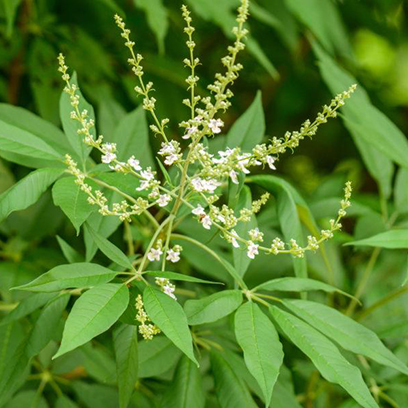
Nirgundi (Vitex negundo)
Discover the health benefits, uses, and medicinal properties of Nirgundi (Vitex negundo).…
-
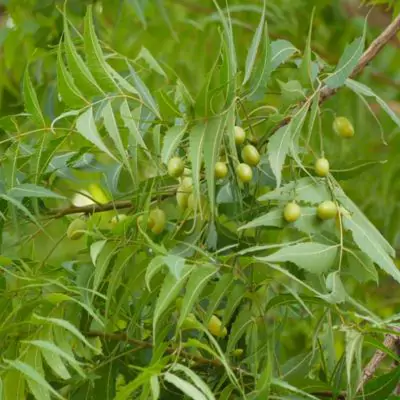
Nimba (Azadirachta indica)
Nimba (Azadirachta indica), known as Neem or Indian Lilac, offers powerful medicinal…
-
Know the uses, benefits, and medicinal properties of Punarnava (Boerhavia Diffusa). It…