
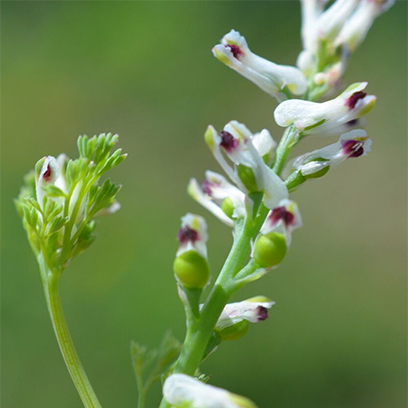
Parpata (Fumaria Parviflora)
Parpata (Fumaria Parviflora), or Fineleaf Fumitory, offers powerful health benefits. Known for its detoxifying, anti-inflammatory, and liver-supporting properties, it aids digestion, skin health, and more.
On This Page


-
 1004
1004
 Share
ShareSummarise this article using AI




Parpata (Fumaria Parviflora) – A Treatment for Blood Disorders and Fever
Fumitory or Parpata botanically known as Fumaria indica is a common weed, an annual herb that is found all over India and Pakistan. In Ayurvedic classical texts i.e., in Charaka Samhita and Sushruta Samhita Parpata is specifically mentioned for blood disorders, urinary diseases, cough, chronic skin diseases, fever, etc.
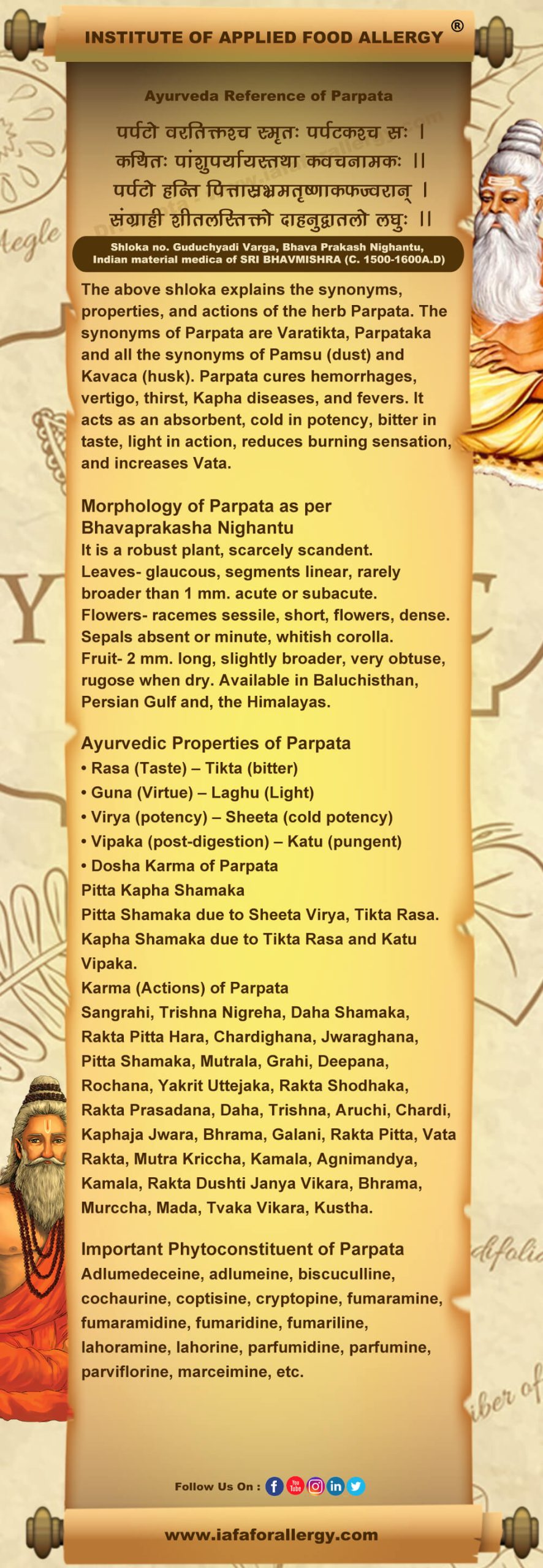
Parpata cures hemorrhages, vertigo, thirst, Kapha diseases, and fevers. It acts as an absorbent, cold in potency, bitter in taste, and light in action, reduces burning sensation, and increases Vata.
In recent studies it was revealed that Parpata has various active ingredients like optisine, cryptopine, fumaramine, fumaramidine, fumaridine, fumariline, lahoramine, lahorine, parfumidine, parfumine, parviflorine, marceimine, etc due to which it exhibits various pharmacological properties like hepato-protective, muscle relaxant activity, anti-inflammatory, spasmolytic activities, etc.
Basonym of Parpata
पर्पति गच्छति शीतल त्वादि गुणां इति |
Parpata reduces temperature.
Synonyms of Parpata
According to Habitat
वन तिक्तक – Parpata plant also found wild.
क्षेत्र पर्पट – Parpata grows in field.
According to Morphology
सूक्षम पत्र- Parpata has small leaves.
According to Properties and Actions
प्रगंध – Parts of Parpata have got strong odour.
पित्तारी – Parpata is a very good drug in case of diseases originated by Pitta Dosha.
Regional Names of Parpata
- Shahtar (Persian)
- Fine leaved fumitory (English)
- Pitapapara, Dhamgajra (Hindi)
- Kallu Sabbasige (Kannada)
- Parpalakpulhi (Malayalam)
- Pitpapra (Marathi)
- Sahtaraj (Arabic)
- Vanshulpha (Bengali)
- Tura, Thusa (Tamil)
- Shahterah (Kashmir)
- Parpatakamu, Chata- rashi (Telegu)
- Pitpapara (Gujrati)
Botanical Name of Parpata
- Fumaria indica Linn.
- Fumaria parviflora Linn. (This plant is not found in India and wrongly taken as Parpata by various authors)
- Fumaria officinalis also not available in India but taken as Parpata.
Fumaria-Phumos-smoke, unpleasant odor
In Parviflora, Parvi means small, and flora means flowers.
Family – Mimosaceae (Babbula Kula)
Ayurveda Reference for Parpata (Fumaria indica / Fumaria parviflora)
Scientific Classification of Parpata
| Kingdom | Plantae |
| Class | Dicotyledonae |
| Sub-Class | Polypetalous |
| Series | Thalamiflorae |
| Order | Parietales |
| Family | Fumariaceae |
| Genus | Fumaria |
| Species | parviflora |
Classification of Parpata – As Per Charaka and Sushruta
Charaka: Trishna Nigrahana Mahakshaya
Sushruta: Not mentioned in Gana.
Parpata’s Description in Brihtrayi
Widely different plants are used under this name in different parts of the country. It has been described in the Nighantus as Krisha Sakha (slender stemmed) a character found in almost all the plants used as such. Some of these are: -Fumaria species such as F. indica Pugsley, F. parvilora Lam, and F. offcinalis Linn., Oldenlanda bifora Linn. and some of its other species; Mollugo cerviana Seri, Polycarpea corymbosa Lam., Glossocardia bosvallia DC., Justicia procumbens Linn., and a few others. It appears difficult to identify the Parpata of the ancients. The Fumaria species also known as Sahatara and used by the Hakims have been generally accepted for Parpata at present.
| Charaka | Shusruta | Vagbhata (Ashtang Hridya) |
| C. S. Su. 4/ 29 | S. S. Su. 46, 262, 270 | A. H. Su. 6/ 76 |
| C. S. Su. 27/ 95 | S. S. Chi. 9/ 7, 8, 9 | A. H. Sa. 2/ 8 |
| C. S. Chi. 3/ 145, 197, 198, 225, 343 | S. S. Chi. 37/ 31 | A. H. Chi. 1/ 15, 45, 53, 62, 75 |
| C. S. Chi. 4/ 31, 75 | S. S. U. 39/ 109, 150, 191, 194, 195, 220, 222, 243, 246, 253 | A. H. Chi. 9/ 8 |
| C. S. Chi. 7/ 140, 144, 153 | S. S. U. 40/ 36 | A. H. Chi. 10/ 34, 56 |
| C. S. Chi. 8/ 106 | A. H. Chi. 18/ 6 | |
| C. S. Chi. 15/ 139, 182 | A. H. Chi. 19/ 3, 8 | |
| C. S. Chi. 16/ 48 | A. H. U. 13/ 7 | |
| C. S. Chi. 18/ 112 | A. H. U. 26/ 26 | |
| C. S. Chi. 19/ 25, 53 | A. H. U. 40/ 48 | |
| C. S. Chi. 21/ 57 | ||
| C. S. Chi. 24/ 166 |
Parpata’s Description in Brihtrayi as Renu
Sushruta Samhita: S. S. Chi. 37/ 17, 40, S. S. Chi. 38/ 50, 56
Parpata’s Description in Brihtrayi as Vantiktaka
Chakadutta has identified it as Pathya Sundara which too, is not known. It may however be the same as Grishma Sundara which has been identified with species of Mollugo and Glinus which are considered to be Parpata by the South Indian vaidyas.
Charaka Samhita: C. S. Su. 27/ 93
Ashtanga Hridya: A. H. Su. 6/ 77
Historical Background of Parpata
It is a perennial herb bearing small white flowers. This is mainly distributed in Baluchisthan and Persian Gulf. It is found in the Himalayan region in India. Charaka mentioned it under Trishna Nigrehana Mahakshaya. It is extensively used in the mangement of febrile conditions. Other species of Fumaria viz; F. indica Pugsley; F. officinalis Linn. & F. vaillantii Loisel are also used as Parpataka. Parpataki is identified with Physalis minima Linn. Other plants like: Oldenlandia biflora Linn; Mollugo cerviana Ser; Polycarpea corymbosa Lam., Glossocardia bosvallia Dc., Justacia procumbens Linn. are also used as Parpataka in our country. In Andhra Pradesh Mullugo cerviana Ser. is widely used as Parpata while Hakims accept Fumaria species as Parpataka.
External Morphology of Fumaria parviflora Linn.
Habit – Parpata is an annual herb, which is diffused, annual glaucous, much branched and is weeds of cultivated fields. Parpata Grows up to 50 cm in height.
Root – Tap- root, branched.
Stem – Herbaceous, erect, branched, solid with watery juice.
Leaf – Leaves of Parpata are simple, much-divided, segments narrow and flat, leaves alternate or opposite, exstipulate and petiolate.
Inflorescence – Raceme.
Flower – Small, whitish or pinkish, tips are purple, pedicellate, bracteate, complete, zygomorphic and bisexual. Sepals are 2 in number, small and greenish in colour, petals are 4 in numbers in two whorls of 2 each. Androecium has 6 stamens in two groups of 3 each Gynoecium is bicarpellary, syncarpous, ovary is superior, unilocu lar and have 2 ovules.
Fruit- Fruits of Parpata are g lobose nut, 1-seeded, as only one ovule matures, rugose when dry, rounded at the top with two pits.
Seed – Minute, black and albuminous.
Flowering and Fruiting Time
Plants flowers and fruits during the period from November or December to March.
External morphology of Fumaria indica Linn.
Habit: Fumaria indica is pale- green, sub- diffuse, annual herb that grows up to 61 cm in height.
Stem: Stem is smooth, hollow and light green.
Leaves: Leaves are multifid, leaflets are 2- 4 in number.
Inflorescence: Flower is raceme, 10- 12 in number, pedicel is 4.5 mm long, sepals are broad, lanceolate, acuminate and rose colored. Corolla is 5- 6 mm long.
Fruit: Fruit is quadrate, sub- truncate, and sometimes retuse.ruiting of Bola occurs between October and January.
Distribution of Parpata
Fumaria indica is distributed over the greater part of India upto 2 438 m on the Himalayas, Baluchistan, Afganistan, Persia, and Mongolia. (Kirtikar KR, Basu BD. In: Indian Medicinal Plants. Basu Lalit Mohan., editor. 3rd vol. Allahabad; 1985. p. 138.)
Fumari parviflora is an occasional weed in cultivated or agricultural fields and waste places. Plant occurs in subtropical regions. It grows in gangetic plains, Himalayan terai, Nilgiri and other areas in country, Central India.
The Useful Part of Parpata
Panchanga (Whole plant)
Mature root with secondary growth broad medullary rays is observed radiating outwards opposite to xylem poles. Phloem is laid outside the xylem and is composed of sieve tubes, companion cells and phloem parenchyma. Stem is glabrous or fairly puberulous. Transverse section of stem is pentagonal in outline with fairly prominent angles under which collenchyma lies.
Varieties of Parpata
The drug sold in Indian drug market under the name Sheahtarah or Pittapatra is fumitory imported mainly from Persia. It consists of the dried aerial parts of Fumaria officinalis linn., the common fumitory of Europe and probably also of Fumaria parviflora Linn., both of which are not found in India.
The dried aerial part of the Indian plant is used as substitute; the Indian plant, Fumaria vallantii Loisel suggested prevalent as substitute of fumitory and known as Parpata has following characteristics for identification (habit and habitat aspects). The plant is distributed over the greater part of India as a weed of cultivation and is commonly seen on roadsides and on hills ascending up to 9,000 ft. It flowers and fruits during the cold season.

Important Phytoconstituent of Fumaria Parviflora
Herb contains pentatriacontane (0.5 %), an alkaloi-dal principle identical with protopine (0.13 %), tannins, phlobaphenes and sugars. Potassium salt predominate among the ash constituents and the diuretic property of the herb is attributed to their presence.
Important Phytoconstituent of Fumaria indica
- Aerial Part – Papracine, paprazine, sitosterol, stigmasterol, campesterol.
- Roots – Protopine, octacosanol, narceimine, narlumidine, adlumidine
- Leaf & stem – Narlumicine, protopine, narlumidine, nona cosanol
- Seed – Fumariline, tetrahydrocoptisine, bicuculine, oxysanguinarine
- Alkaloid cryptopine, sanguinarine, fumari-dine, fumaramine, parfumidine, parfumine, fumariline etc. have been isolated. Also contain non-acosanol and sitosterol.
- The major alkaloids protopine along with phenolic and non-phenolic alkaloids have been isolated. Protopine has relaxant, nonspecific antispasmodic activity (CCRAS, 1986).
Recent Research on Parpata (Fumaria indica)
- Singh, Gireesh & Kumar, Vikas. (2011). Acute and sub-chronic toxicity study of standardized extract of Fumaria indica in rodents. Journal of Ethnopharmacology. 134. 992- 5. 10. 1016/ j. jep. 2011. 01. 045. Despite Fumaria indica (FI) widespread medicinal uses in Indian traditional medicine, no systematic study of the potential toxicity of the plant has been described. To assess acute and sub-chronic toxicity of a 50 % ethanolic extract of FI in mice and rats respectively. In an acute toxicity study, Swiss strain albino mice of either sex were administered orally with FI doses of 1, 2.5, and 5 g/ kg and observed for behavioral changes and mortality, if any. In the sub- chronic toxicity study, Charles Foster albino rats of either sex were administered two doses of FI i.e., 100 and 400 mg/ kg, p. o. for 30 consecutive days. During 30 days of treatment, rats were observed for any change in body weight and daily food and water intake. After 30 days, rats were sacrificed for hematological, biochemical, and histopathology studies. Control animals were administered 0.3 % carboxymethyl cellulose (CMC) suspension by oral route.
- There was no mortality or abnormal behavior, observed in the acute toxicity study in mice at all three dose levels. In the sub-chronic toxicity study, FI did not produce any significant change in body weight and daily food and water intake of rats when compared to vehicle-treated rats. Further, hematological and biochemical parameters were also found to be normal. Histopathological study revealed the normal architecture of the kidney and liver of FI treated rats.
- FI extract, provisionally standardized on its fumarate contents, seems to fulfill a preclinical criterion necessary for its further development as a clinically useful adaptogen.
- Rathi, Anshu & Srivastava, Arvind & Shirwaikar, Annie & Rawat, Ajay & Mehrotra, Shanta. (2008). Hepatoprotective potential of Fumaria indica Pugsley whole plant extracts, fractions, and an isolated alkaloid protopine. Phytomedicine: international journal of phytotherapy and phyto- pharmacology. 15. 470- 7. 10. 1016/ j. phy- med. 2007. 11. 010. The present investigation demonstrates the hepatoprotective potential of 50% ethanolic water extract of the whole plant of Fumaria indica and its three fractions viz., hexane, chloroform and butanol against d-galactosamine induced hepatotoxicity in rats. The hepatoprotection was assessed in terms reduction in histological damage, changes in serum enzymes (SGOT, SGPT, ALP) and metabolites bilirubin, reduced glutathione (GSH) and lipid peroxidation (MDA content). Among fractions, more than 90 % protection was found with butanol fraction in which alkaloid protopine was quantified as highest i.e. about 0.2mg/g by HPTLC. The isolated protopine in doses of 10- 20 mg p.o. also proved equally effective hepato- protectants as standard drug silymarin (single dose 25mg p. o.). In general, all treatments excluding hexane fraction proved hepatoprotective at par with silymarine (p< or= 0.01).
- Safdar, Naila & Yaqeen, Nilofar & Kazmi, Zehra & Yasmin, Azra. (2017). Antimicrobial Potential of Mazus japonicas and Fumaria indica Extracts: Individual vs. Synergistic Effect. Journal of Herbs, Spices & Medicinal Plants. 23. 1- 12. 10. 1080/ 10496475. 2017. 1322165. Solvent extracts of Mazus japonicus and Fumaria indica were investigated individually and in combinations (1:1, 1:2, or 2:1) for their antibacterial potency against Bacillus subtilis, Pseudomonas geniculata, Streptomyces laurentii, Klebsiella pneumoniae, Microbacterium oxydans, Alcaligenes faecalis, and Enterococcus faecium. Minimum inhibition concentration (MIC) and fractional inhibitory concentration (FIC) were investigated. Petroleum ether extracts showed moderate (6.06 mg/ mL–1 MIC for M. japonicus and 1.65 mg/ mL–1 MIC for F. indica), aqueous extract had the lowest, 1.619 mg/ mL–1 MIC for M. japonicus and 18.36 mg/ mL–1 MIC of F. indica), and methanolic extract showed the highest (0.740 mg/ mL–1 MIC for M. japonica and 1.065 mg/ mL–1 MIC for F. indica) antibacterial activities (individual analysis). When analyzing mixtures, none of the aqueous extracts showed a synergistic effect against any bacteria. Methanolic extract mixtures demonstrated synergy against B. subtilis (0.082 mg/ mL–1 MIC with 2: 1); the petroleum ether mixes showed synergy against B. subtilis (0.312 mg/ mL–1 MIC with 1:2 mixture), E. faecium (0.981 mg/ mL–1 MIC by 1:1 mixture), K. pneumoniae (2.022 mg/ mL–1 MIC by 1:2 mixture), and M. oxydans (0.848 mg/ mL–1 MIC by 2:1 M: F mixture). The aqueous extracts had higher concentrations of alkaloids, saponins, and steroids than other solvent extracts.
- Nimbkar, S.R. & Juvekar, Archana & Jogalekar, S. N. (2000). Hepatoprotective activity of fumaria indica in hepatotoxicity induced by anti-tubercular drugs treatment. Indian Drugs. 37. 537- 542. The whole plant of Fumaria indica (Fam: Fumariaceae) was studied for its hepatoprotective activity against anti-tubercular drug-induced hepatotoxicity in albino rats. Ethanolic extract of Fumaria indica showed normalization of biochemical parameters like alanine and aspartate aminotransferase, and alkaline phosphatase. Cholesterol levels were found to be slightly raised. Plasma levels of rifampicin were found to be dropped in Fumaria indica-treated group as compared to anti- tubercular drug-treated group. Histopathology findings also support these observations.
- Orhan, Ilkay & Sener, Bilge & Musharraf, Syed. (2012). Antioxidant and hepatoprotective activity appraisal of four selected Fumaria species and their total phenol and flavonoid quantities. Experimental and toxicologic pathology: official journal of the Gesellschaft für Toxikologische Pathologie. 64. 205- 9. 10.1016/ j. etc. 2010. 08. 007. Fumaria species (Fumariaceae) have been recorded to be used traditionally against liver-related disorders in many countries including Turkey. Oxidative stress is also known to be strongly associated with hepatic problems. Consequently, in the current study, the ethanol extracts of four Fumaria species; F. cilicica Hausskn., F. densiflora DC., F. kralikii Jordan and F. parviflora Lam. growing in Turkey were initially screened for their in vitro antioxidant activities by three methods; 2, 2-diphenyl- 1- picrylhydrazyl (DPPH) radical scavenging test, Fe (+2)- ferrozine test system for metal chelating test and ferric-ion reducing antioxidant power (FRAP) at 250, 500 and 1000 μg/ml concentrations. Then, each of the ethanol extracts was fractionated into petroleum ether, chloroform, ethyl acetate, and methanol fractions and their antioxidant activities were estimated by DPPH radical scavenging and xanthine oxidase inhibition tests at 1000 μg/ml. In both tests, the chloroform and ethyl acetate fractions of F. cilicica were found to be the most active and were further investigated in in vivo hepatoprotective activity experiment against toxicity induced by CCl(4). Total phenol and flavonoid quantities of the ethanol extracts were determined spectrophotometrically using Folin- Ciocalteau’s and AlCl(3) reagents, respectively. Our data revealed that the chloroform and ethyl acetate fractions of F. cilicica did not have a hepato- protective effect and the ethanol extracts exerted low antioxidant activity. Although the protective effect of some Fumaria species in hepatic diseases was shown in several previous studies, this record seems to be not pertinent for F. cilicica.
- Yessuf, Abdurohman & Mujeeb, Ur & Rahman, & Ramu.T, Muthu. (2020). HEPATOPROTECTIVE ACTIVITY OF METHANOLIC EXTRACT OF FUMARIA PARVIFLORA AGAINST CCL 4 AND ATT-INDUCED HEPATIC INJURIES IN RATS: A RANDOMIZED CONTROLLED PRECLINICAL TRIAL. 10. 10. 5281/zendo. 3928045.Fumeria parviflora CCl4, ATT, Biochemical Parameters and Histopathological Studies. Fumeria parviflora (Fumariaceae) is an annual herb found throughout the world. Traditionally it has great significance in various disorders. Hence, the present study was intended to evaluate the methanolic plant extract of Fumeria parviflora was studied by CCl4 at the dose of 1ml/kg of body weight in liquid olive oil in the ratio of 1: 1 and ATT (isoniazid- 7.5 mg/ kg, rifampicin- 10 mg/ kg and pyrazinamide- 35 mg/ kg b.w.) induced models. Acute toxicity study was also studied to evaluate the toxicity. There is no toxicity profile observed in rats after oral administration of the methanolic plant extract at the dose of 2 g/ kg body weight. In the different doses of 300 mg/ kg and 500 mg/ kg administered with the extract of Fumeria parviflora there was a significant (P < 0.001) reduction in Biochemical parameters with respect to the control. Fumaria parviflora demonstrated significant hepatoprotective activity as shown by its ability to control the effect more at a dose of 500 mg/kg for methanol fraction Phytochemical screening of the plant extract revealed the presence of tannins, alkaloids, flavonoids, and saponins, and terpenoids. It can be concluded that the hepatoprotective activity elucidated by Fumeria parviflora could be mainly due to the presence of high- value class of compound-like phenolic group as the major content in the plant.
- Ahmad, Mansoor & Mehjabeen, & Alam, S.M. & Jahan, Noor & Saeed, Farah & Khan, Zareen. (2015). Neuropharmacological and biological activities of fumaria indica. 7. 62- 68. Crude extract of Fumaria indica was assessed for neuro-pharmacological, analgesic antimicrobial and cytotoxic activities. It decreases muscle tone as indicated by swimming-induced depression test (2.41/6 min, 2.56/6 min; at the dose of 500 and 300 mg/ kg respectively), it also produces dose dependant (200, 300, 500 mg/ kg) increase in traction time and reduces exploratory behavior therefore, has significant muscle relaxant and anxiolytic effect (p 0.05) as compared to standard drugs diazepam and imipramine. The results of analgesic activity (writhing and hot plate test) were highly significant as the mean number of writhes for drug- treated animals was reduced (62.7 % at 500 mg/ kg) as compared to the control group and reference drug aspirin. The present study also revealed that the extract of F. indica has the potential to inhibit the growth against different pathogenic bacteria and fungi in vivo. Overall, the F. indica has significant CNS depressant action with moderate analgesic and antifungal effects.
- Singh, Gireesh & Chauhan, Sudhir & Rai, Geeta & Chatterjee, Shyam & Kumar, Vikas. (2013). The potential antianxiety activity of Fumaria indica: A preclinical study. Pharmacognosy magazine. 9. 14- 22. 10. 4103/ 0973-1296. 108129. In the view of diverse CNS- modulating properties of Fumaria indica, the present study was planned to evaluate its putative anxiolytic activity in behavioral models of rats, followed by elucidation of the mechanism of observed activity through biochemical estimations. Effects of seven daily 100, 200, and 400 mg/kg oral doses of a Fumaria indica extract (FI) were compared with those of an acute oral dose (5 mg/ kg) of lorazepam in a battery of rat models consisting of open- field, elevated plus and zero maze, social interaction, and novelty induced feeding tests. Dose dependant antianxiety effects of FI observed in all tests were qualitatively similar to those of the reference anxiolytic drug. Although FI treatments did not alter the concentrations of noradrenaline and serotonin in the hippocampus and hypothalamus, concentrations of both these monoamines were dose-dependently elevated in the pre-frontal cortex of FI-treated animals. Flunitrazepam binding in the brain’s frontal cortex was also elevated by the extract. Moreover, higher levels of brain expressions of the cytokines TNF- α, IL- 1β, and IL- 10 observed in animals with prior experience on elevated plus maze were almost completely reversed by the lowest dose of FI tested in the behavioral models. Taken together, these observations strongly suggest that FI is a functionally novel type of antianxiety agent and that inhibition of cytokine expressions in the brain could be involved in its mode of action.
- Rao, Ch & Verma, Arti & Gupta, Praksh & Vijayakumar, Madhavan. (2007). Anti-inflammatory and anti-nociceptive activities of Fumaria indica whole plant extract in experimental animals. Acute Pharmaceutical (Zagreb, Croatia). 57. 491- 498. 10. 2478/ v10007- 007- 0039- z. The 50 % ethanolic extract of Fumaria indica was investigated for its anti-inflammatory and antinociceptive potential in animal models. Oral administration of F. indica dry extract (100, 200, and 400 mg kg-1) exhibited dose-dependent and significant anti-inflammatory activity in acute (carrageenan and histamine-induced hind paw edema, p < 0.05) and chronic cotton pellet granuloma models of inflammation, p < 0.01). The extract (400 mg kg-1) exhibited maximum anti-inflammatory effects of 42.2 and 42.1% after 3 h with carrageenan and histamine, respectively. The same dose of the extract showed a 38.9 % reduction in granuloma mass in a chronic condition. The significant anti-nociceptive activity was evidenced in mice; 6.6- 67.7 % (p < 0.01) protection in mechanical, 33.9- 125.1 % (p < 0.05) protection in thermal-induced pain, and 22.2- 73.9 % (p < 0.05) protection in acetic acid-induced writhing.
- Sajid, Aimen & Ahmad, Taseer & Ikram, Muhammad & Khan, Taous & Shah, Abdul & Mahnashi, Mater & Alhasaniah, Abdulaziz & Awadh, Ahmed & Almazni, Ibrahim & Alshahrani, Mohammed. (2022). Cardioprotective Potential of Aqueous Extract of Fumaria indica on Isoproterenol- Induced Myocardial Infarction in SD Rats. Oxidative Medicine and Cellular Longevity. 2022. 1- 11. 10. 1155/ 2022/ 2112956. Ischemic heart disease (IHD) treatments and preventions by using plant extract and its phytochemical constituents have achieved considerable attention globally due to its cardioprotective effects. This study is aimed at investigating the cardioprotective and vascular effects of Fumaria indica (F. indica) crude extract on isoproterenol- (ISO-) induced myocardial infarction (MI) in Sprague-Dawley (SD) rats. Rats treated with isoproterenol (85 mg/ kg, S.C.), were administered. Twice at an interval of 24 h showed a significant ST-segment elevation in ECG, edema, and necrosis in histopathology and also in troponin I (cTnI), creatine phosphokinase (CPK), lactate dehydrogenase (LDH), and aspartate aminotransferase (AST). Pretreatment with F. indica (10, 30, and 100 mg/ kg, p.o) for 21 days significantly reversed the effects of isoproterenol-induced ischemic changes in the ECG, levels of cTnI, CPK, LDH, and AST, and histopathological changes. In isolated rat atrial strips, F. indica induced negative chronotropic and inotropic effects which were not affected by pretreatment with atropine, excluding the role of cardiac muscarinic receptors. Cumulative addition of the extract induced a vasorelaxant effect on phenylephrine-evoked contractions in isolated rat aortic rings, which remained unchanged when challenged with L-NAME, excluding the role of endothelial NO. However, extract of F. indica concentration-dependently reversed contractions evoked with high K+, indicating a calcium entry blocking effect. In conclusion, the F. indica extract is a cardioprotective remedy that ameliorates the isoproterenol-induced cardiotoxic effects and reverses cardiac ischemia, and the calcium antagonistic effect might be useful in the treatment of MI.
- Toor, Y. & Nawaz, K. & Hussain, Khalid. (2015). Antibacterial activity of Fumaria indica (Hausskn.) Pugsley against selected bacterial strains. 47. 2031-2035. Antibacterial properties of methanolic extracts of F. indica prepared in different doses against seven Gram-positive and Gram-negative bacterial strains i. e. Streptococcus pyogenes, Staphylococcus aureus (1), Staphylococcus aureus (2), Shigella sonnei, Escherichia coli (1), Escherichia coli (2) and Neisseria gonorrhoeae using agar well diffusion method (inhibition zone measurements) compared to gentamicin as a standard antibiotic. Results showed significant activities against the test organisms with overall satisfactory statistics. Streptococcus pyogenes, Staphylococcus aureus strains as well as Neisseria gonorrhoeae showed more inhibition to methanolic extracts of F. indica. Minimum inhibitory as well as minimum bactericidal concentrations against all strains except Shigella sonnei were also recorded. Studies showed promising horizons for the use of F. indica as an active antibacterial component in modern drug formulations.
- Khan, Imran & Hussain, Azhar & Khan, Wajiha & Khan, Uzma. (2016). In vitro antibacterial activity of Fumaria indica (H.) pugsley and Silybum marianum L. against planktonic and biofilm form of Pseudomonas aeruginosa. International Journal of Biosciences. 8. 94- 102. 10. 12692/ ijb/ 8. 4. 94- 102. The present study investigated the anti-bacterial potential of aerial parts of Fumaria indica and Silymarin against planktonic and biofilm form of 3 clinical strains P1, P2, and P3 of Pseudomonas aeruginosa. Antibacterial activity against planktonic form was investigated by the Well diffusion method. The antibiofilm activity was assessed by using Pellicle inhibition (PI) and Congo red assay (CR). Crude methanolic extracts of Fumaria indica showed good antibacterial activity against P. aeruginosa with a maximum 15.8mm zone of inhibition (ZOI) against the P2 strain of P. aeruginosa and a minimum 13.2mm zone of inhibition against P3 strain. Silybummarianumshowed a maximum 13.3mm zone of inhibition and a minimum 12.6 mm ZOI against P2 and P3 strains of P. aeruginosa respectively. Furthermore, F. indica showed moderate to weak antibiofilm activity against all tested strains of P. aeruginosa in the Pellicle inhibition assay, while S. marianum possessed moderate to no activity against tested bacterial strains, respectively. In Congo red assay F. indica showed a strong antibiofilm effect as compared to S. marianum. Based on these results it may be concluded that leaf extract of Fumaria indica possessed a good to moderate antibacterial activity against planktonic and biofilm form of P. aeruginosa. While Silymarin possessed moderate to weak antibacterial potential against P. aeruginosa.
- Shakya, Anshul & Chatterjee, Shyam & Kumar, Vikas. (2012). Comparative study of Fumaria indica extracts for analgesic and anti-inflammatory activity in rodents. Background: Fumaria indica also known as Fumitory, is indicated in Ayurvedic and Unani systems of medicine for dermatological diseases, cardiovascular complaints, neurological disorders, fever, and headache. Purpose: To compare the efficacy of standardized ethanolic (EFI) and methanolic (MFI) extracts of Fumaria indica for their analgesic and anti-inflammatory activity. Methods: The effect of single and repeated (for 5 and 10 days) doses (15, 30, 60, 120, and 240 mg/ kg/ day, p.o.) of standardized EFI and MFI (chemically characterized for fumarate content i.e. 0.8 % w/w and 2.03 % w/w, respectively) were evaluated through hot plate reaction time in mice and carrageenan-induced pedal edema in rats. Result: Single and repeated (for 5 and 10 days) doses of both extracts demonstrated dose-dependent analgesic and anti-inflammatory effects. However, at 15 mg/kg/day dose level, these effects were not statistically significant, unlike the other four dose levels used in the study. The effects of MFI were more significant (p<0.05) than EFI at dose levels 120 and 240 mg/ kg/ day in single-dose administration and at dose levels 60, 120, and 240 mg/kg/day in repeated dose administration. Conclusion: Although both the extracts of the Fumaria indica showed significant analgesic and anti-inflammatory activity in a dose-dependent manner, the more fumarate-enriched ethanolic extract was found to be more potent.
- Khan, Ibrar & Ahmad, Haroon & Ali, Nasar & Bashir, Ahmad & Azam, Sadiq & Hassan, Fauzia. (2013). SCREENING OF FUMARIA INDICA FOR ANTIBACTERIAL, ANTIFUNGAL, PHYTOTOXIC, AND HAEMAGGLUTINATION ACTIVITIES. International Journal of Current Biotechnology. 1. 13- 16. human beings. Keeping this in mind, the crude methanolic extract and various fractions of Fumaria indica were screened for antibacterial, antifungal, phytotoxic, and haemagglutination activities. The crude methanolic extract showed good activity against P. aerogenosa (77.8 %), and B. subtilus (66.7 %) and low against S. aureus (38.5 %) and E. coli (33.4 %). The n-hexane fraction showed moderate activity against P. aerogenosa (40.7 %), CHCl3 fraction against S. aureus (53.8 %), and B. subtilus (51.9 %). The aqueous fraction showed low activity against all test organisms i.e., P. aerogenosa (37 %), S. aureus (26.9 %), E. coli (22.3 %), and B. subtilus (11.1 %). The crude methanolic extract and various fractions of F. indica were inactive against all the test fungi i. e. A. niger, A. flavus, P. notatum, F. oxysporum, T. harzianum, and A. alternata. The crude methanolic extract, n-hexane, CHCl3, EtOAc and aqueous fractions showed low phytotoxic activities of (26.7, 13.4 %), (73.4, 33.4 and 20 %), (26.7, 20 and 13.4 %), (33.4, 20 and 6.7 %) and (13.4, 13.4 and 6.7 %) at concentrations 1000, 100 and 10 mg/ ml, respectively against Lemna minor L. Low hemagglutination activity was shown by crude methanolic extract against blood groups A+ve, B-ve and O+ve at dilution of 1: 2. EtOAc and CHCl3 fractions showed negative result at all concentrations against all groups.
- Shakya, Anshul & Singh, Gireesh & Chatterjee, Shyam & Kumar, Vikas. (2014). Role of fumaric acid in anti-inflammatory and analgesic activities of Fumaria indica extracts. Journal of Intercultural Ethnopharmacology. 3. 173-178. 10. 5455/ jice. 2014- 0912021115. Aim: The aim was to test whether the ethanolic extract of Fumaria indica (FI) possesses anti-inflammatory and analgesic activities and whether fumaric acid (FA) could be one of its bioactive constituents involved in such activities of the extract. Materials and methods: For anti-inflammatory activity, carrageenan-induced edema and cotton pellet-induced granuloma tests in rats and for analgesic activity rat tail flick test and hot plate and acetic acid writhing tests in mice were used. All tests were performed after seven daily oral doses of the FI extract (100, 200, and 400 mg/kg/day) and pure FA (1.25, 2.50, and 5.00 mg/ kg/ day). Results: Anti-inflammatory activities of FI and FA have been observed in carrageenan-induced edema and cotton pellet granuloma even after their lowest tested doses. No analgesic activity of the lowest tested dose of FA was observed in the acetic acid writhing test, but likewise, all tested dose levels of FI, and higher tested dose levels of FA also possess significant analgesic activity in this test. Further, significant analgesic activities of both FI and FA in hot plate and tail flick tests were observed after all their tested doses. Conclusions: These observations are in agreement with our working hypothesis on the connection of FA in mode(s) of action(s) of FI, and reaffirm the conviction that FI could be an herbal alternative against fibromyalgia and other pathologies often associated with, or caused by inflammatory processes.
- Riaz, Tauheeda & Abbasi, Muhammad, Aziz- ur- Rehman & Shahzadi, Tayyaba & Shahid, Muhammad. (2019). Assessment of Fumaria indica, Dicliptera bupleuroides, and Curcuma zedoaria for their antimicrobial and hemolytic effects. Pakistan Journal of Pharmaceutical Sciences. 32. 697-702. The present investigation was undertaken to evaluate the antibacterial, antifungal, and hemolytic activities of organic and aqueous fractions of Fumaria indica, Dicliptera bupleuroides, and Curcuma zedoaria. The methanolic extracts of the plants were dissolved in the water (distilled) separately and then partitioned with the n-hexane, CHCl3, EtOAc, and n-BuOH sequentially. Antibacterial activity was checked against Escherichia coli, Pasturella multocida, Bacillus subtilis, and Staphylococcus aureus by the disc diffusion method using streptomycin sulfate, a standard antibiotic, as positive control. Antifungal activity was studied against four fungi i.e. Aspergillus Niger, Aspergillus flavus, Ganoderma lucidum, and Alternaria alternata by the disc diffusion method using fluconazole, a standard antifungal drug, as a positive control. It was revealed that an aqueous fraction of F. indica showed very good antibacterial activity against P. multocida with a zone of inhibition of 26mm and MIC of 98 µg/ mL. Its CHCl 3 and n- BuOH fractions also displayed good results. Its CHCl 3 fraction showed good antifungal activity against G. lucidum with a zone of inhibition of 24 mm and MIC of 115 µg/ mL. Other polar fractions of F. indica showed good activity against some fungal strains. The CHCl 3 and EtOAc fractions of D. bupleuroides displayed good antibacterial activity against some bacterial strains. Its EtOAc fraction showed good antifungal activity only against G. lucidum. The CHCl 3 fraction of C. zedoaria showed good activity against all studied bacterial strains, while its EtOAc and n-BuOH fractions displayed good results against some bacterial strains. None of the fractions of C. zedoaria displayed antifungal activity against the under-test strains. All the studied fractions of the three plants showed very little toxicity except the n-hexane fraction of D. bupleuroides which showed 79 % toxicity.
- Brice Landry, Koloko & Tariq, Somayya & Malik, Ayesha & Sufyan, Muhammad & Ashfaq, Usman & Bushra, Ijaz & Shahid, Ahmad. (2021). Berberis lyceum and Fumaria indica: in vitro cytotoxicity, antioxidant activity, and silico screening of their selected phytochemicals as novel hepatitis C virus nonstructural protein 5A inhibitors. Journal of Biomolecular Structure and Dynamics. 40. 1- 25. 10. 1080/ 07391102. 2021. 1902395. Berberis lyceum and Fumaria indica are two Pakistani indigenous herbal medicines used to treat liver infections, including hepatitis C virus (HCV). This study aimed to evaluate the cytotoxicity, and antioxidant activity of these plant extracts and computationally screen their selected phytoconstituents as HCV NS5A inhibitors. The viability of HepG2 cells was assessed 24 h and 48 h post-treatment using colorimetric and dye exclusion methods. Antioxidant properties were examined by the 2, 2- diphenyl- 1- picrylhydrazyl (DPPH), reducing power, and total antioxidant capacity assays. Seventeen known phytochemicals identified from each plant were docked into the active binding site of HCV NS5A protein. The top-hit ligands were analyzed for their drug-likeness properties and the indices of absorption, distribution, metabolism, elimination, and toxicity (ADMET). The results showed that both plant extracts were non-toxic (CC50 > 200 µg/ml). The IC50 values of DPPH-radical scavenging activity were 51.02 ± 0.94 and 62.91 ± 1.85 µg/ml for B. lyceum and F. indica, respectively. They also exhibited reduced power and total antioxidant capacity. The phytochemicals were identified as potent HCV NS5A inhibitors with good drug-likeness and ADMET properties. Six of the docked phytochemicals exhibited higher binding scores (-17.9 to −19.2 kcal/mol) with HCV NS5A protein than the standard drug, daclatasvir (-17.2 kcal/mol). Molecular dynamics (MD) simulation confirmed the stability of two compounds, berbamine, and paprafumine at 100 ns with the active site of HCV NS5A protein. The identified compounds through molecular docking and MD simulation could have the potential as HCV NS5A inhibitors after further validation.
- Salimi, Mona & Haji Abas Tabrizi, Fatemeh & Tabrizi, Abbas & Irian, Saeed & Amanzadeh, Amir & Heidarnejad, Fatemeh & Gudarzi, Hoda & Salimi, Mona. (2016). Anti-proliferative activity of Fumaria vaillantii extracts on different cancer cell lines. Research in pharmaceutical sciences. 11. Plant-derived natural products are known to have cancer chemo-preventive and chemo-therapeutic properties. Plant extracts or their active constituents are used as folk medicine in traditional therapies by 80 % of the world population. The present study aimed to determine the anti-proliferative potential of Fumaria vaillantii extracts on three different cancer cell lines including malignant melanoma SKMEL- 3, human breast adenocarcinoma MCF- 7, and human myelogenous leukemia K562 as well as human gingival fibroblast (HGF) as a normal cell line. Anti-proliferative activity was evaluated by 3- (4, 5-di- methylthiazol- 2- yl)- 2, 5- diphenyltetrazolium bromide (MTT), flowcytometry and annexin methods. Total phenolics and flavonoids were determined by Folin-Ciocalteu and aluminum chloride methods. The chloroform fraction had the lowest IC50 value at 72 h (0.1 μg/ ml) in MCF-7 cells. Flow-cytometry and annexin- V analysis indicated that the chloroform fraction induced necrosis in MCF- 7 cells. In addition, the colorimetric methods showed that the methanolic fraction possessed the highest amount of total phenolics (33.03 ± 0.75 mg /g of dry powder) and flavonoids (10.5 ± 2.0 mg/ g of dry powder). The collective data demonstrated that F. vaillantii chloroform fraction may contain effective compounds with chemo-therapeutic potential to act through an apoptotic independent pathway.
- Khan, Abida & Tak, Hidayatullah & Nazir, Ruqeya & Lone, Bashir & Parray, Javid. (2014). In Vitro Anthelmintic and Antimicrobial Activities of Methanolic Extracts of Fumaria Indica. Clin Microbial. 3. 10. 4172/ 2327- 5073. 1000161. Objective: The present study was undertaken to elucidate the anthelmintic and antimicrobial activities of Fumaria indica. Methods: The methanolic extract of Fumaria indica was evaluated for in vitro anthelmintic efficacy against- gastro-intestinal nematodes of sheep (Haemonchus contortus) using an adult motility assay. In vitro antimicrobial activities of various concentrations ranging from 100 to 500 mg/ ml of alcoholic (methanol) extracts of Fumaria indica were analyzed on different clinical bacterial strains (Escherichia coli, Pseudomonas aeruginosa, Staphylococcus aureus, Pseudomonas multocida, and Klebsiella pneumonia) and fungal strains (Aspergillus flavus, Candida cruise, and Candida albicans) using agar disk diffusion method and broth dilution method (MIC and MBC determination) for antimicrobial activity. Results: Crude methanol extract of Fumaria indica resulted in a mean percentage mortality of 94.44 %, as observed after the worms were put in lukewarm PBS for 30 min after exposure to different treatments (p< 0.01). The highest mortality (95.00%) of worms was observed 8 hours post-exposure at 50 mg/ ml. There was 100% mortality of worms in Levamisole (used as a reference drug) within 4 hours post-exposure. In vitro, antimicrobial activity results revealed that methanol extract of F. indica possesses greater antibacterial activity than antifungal activity. MIC and MBC of the methanolic extract showed that MIC values were 150 ml/ ml against E. coli and 250 ml/ ml. Conclusions: It can be concluded that Fumaria indica has a broad spectrum of in vitro anthelmintic and antimicrobial activity and could be used as a potential alternative for treating various diseases.
- Aziz, Irfan & Shrivastava, Birendra & Venkateswara, Chandana & Ali, Sadath. (2019). Biological and Phytochemical Screening of Fumaria indica Extract on Chemically Induced Hepatocellular Carcinoma with Reference to Biochemical Parameters. International Journal of Pharmaceutical Quality Assurance. 10. 10. 25258/ ijpqa. 10. 2. 1. Liver disease or liver cancer is the sixth most common cancer and the third leading cause of cancer mortality in the world. Hepatitis viral infection, food additives, alcohol, fungal toxins (aflatoxins), toxic industrial chemicals, and air and water pollutants are the major risk factors for liver cancer. Moreover, due to the high tolerance of the liver, HCC is seldom detected at an early stage, and once detected treatment faces a poor prognosis in most cases. Fumaria indica possesses hepatoprotective activity as evidenced by the significant and dose-dependent restoring the activities of entire liver cancer marker enzymes, diminution in tumor incidence, decrease in lipid peroxidation (LPO), and increase in the level of antioxidant enzymes (GSH, CAT, SOD, GPx, and GST) through scavenging of free radicals, or by enhancing the activity of antioxidant, which then detoxify free radicals. These factors protect cells from ROS damage in NDEA and CCl4-induced hepatocarcinogenesis. Histopathological observations of liver tissues correlated with the biochemical observations. Thus, the present investigation suggested that Fumaria indica would exert a chemoprotective effect by reversing the oxidant-antioxidant imbalance during hepatocarcinogenesis induced by NDEA and CCl4. Besides Fumaria indica is very much effective in preventing NDEA-induced multistage hepatocarcinogenesis possibly through antioxidant and antigenotoxic nature, which was confirmed by various liver injuries and biochemical tumor markers enzymes. The hepatoprotective activity of a Fumaria indica of 50 % ethanolic extract was studied using rats. The animals received a single intraperitoneal injection of N- nitro- sodium- ethylamine 200 mg/ kg body weight followed by a subcutaneous injection of CCl4 in a dose of 3 ml/kg body weight. Fumaria indica extract dose-dependently and significantly increased in serum hepatic enzyme levels after NDEA and CCl4 treatment compared to the toxin control group. The results of this study confirmed the antioxidant and hepatoprotective activity of the Fumaria indica extract against carbon tetra-chloride and N-nitro- sodium- ethylamine induced hepatotoxicity in rats. In addition to this, studies on the molecular aspect of hepatoprotective therapy will give mechanistic information in hepatoprotective therapy and also critical balance should be there between the animal model and clinical research. The hepatoprotective properties of Fumaria indica should provide useful information on the possible application in hepatic liver disease.
Recent Research on Parpata (Fumaria parviflora)
- Razavi, Razie & Kenari, Reza. (2021). Antioxidant evaluation of Fumaria parviflora L. extract loaded nano-capsules obtained by green extraction methods in oxidative stability of sunflower oil. Journal of Food Measurement and Characterization. 15. 10.1007/ s11694- 021- 00837- 6. In the present study, the antioxidant activity of the extracts of Fumaria parviflora L. root and leaves obtained by ultrasound-assisted, microwave-assisted, supercritical fluid, and subcritical water extraction was assayed through DPPH radical scavenging method, ferric reduction assay, β-carotene: linoleic acid bleaching assay. The higher phenolic (50.47 mg GA/ g DM) and flavonoid content (13.14 mg QE/ g DM) were observed in the ultrasonic leaf extract. The concentration-dependent antioxidant activity was observed for all extracts in all evaluation methods. The ultrasonic extract of F. parviflora L. leaves was incorporated into nanocapsules which were prepared with maltodextrin (MD), and gum Arabic (GA) at different ratios (1: 0, 0: 1, 1: 1). The antioxidant activity of nano encapsulated extract was evaluated in sunflower oil (SFO) during 50 days of storage. Howbeit, the MD- GA nanocapsule was smaller than other nano-capsules, they had higher antioxidant properties in SFO. At the end of storage time, the lowest peroxide value (9.28 meq O2 kg−1 oil) and thiobarbituric acid value (4.34 mg malondialdehyde eq kg−1 oil) were related to oil containing MD- GA nano-capsules in comparison with control sample which exhibited the highest peroxide value (94.03 meq O2 kg−1 oil) and thiobarbituric acid value (0.32 mg malondialdehyde eq kg−1 oil) values. Also, the test-butyl hydroquinone (TBHQ) had higher antioxidant capacity at lower concentrations in all antioxidant tests, and the SFO samples containing nano-encapsulated extract were more resistant to oxidation than control and TBHQ samples. The results of this study suggest that encapsulated F. parviflora L. leaf extract can be used as a natural antioxidant to preserve sunflower oil.
- Alqasoumi, Saleh & Al-Dosari, Mohammad & Alsheikh, Abdulmalik & Abdel-Kader, Maged. (2009). Evaluation of the Hepatoprotective Effect of Fumaria parviflora and Momordica balsamina from Saudi Folk Medicine Against Experimentally Induced Liver Injury in Rats. Research Journal of Medicinal Plant. 3. 9- 15. 10. 3923/ rjmp. 2009. 9. 15. In a project to evaluate the efficacy of traditional Saudi plants used for liver problems the two plants Funaria parviflora Lam. (Fumariaceae) and Momordica balsamina Linn. (Cucurbitaceae) were studied. The ethanol extract of the aerial part of Fumaria parviflora and the leaves of Momordica balsamina were subjected to hepatoprotective assays using Wistar albino rats. Liver injury induced in rats using carbon tetrachloride. The biochemical parameters, serum glutamate oxaloacetate transaminase (SGOT), serum glutamate pyruvate transaminase (SGPT), alkaline phosphatase (ALP), and total bilirubin were estimated as a reflection of the liver condition. Based on the results of the biochemical parameters measurements, non- pathological study was performed on the liver of rats treated with two extracts. The normal appearance of hepatocytes indicated good protection of the extracts from carbon tetrachloride hepatotoxicity. All the results were compared with silymarin, the reference hepatoprotective drug.
- Jamshidzadeh, Akram & Nikmahad, H. (2006). Hepatoprotective Effects of Fumaria parviflora L. on CCl4–induced hepatotoxicity. Journal of Medicinal Plants. 5. 34- 39. 61. Background: The largest internal organ in the body, plays a central role in many essential physiologic processes and has numerous functions. Nevertheless, its disorders are manyfold. Hepatic disease may result from a variety of therapeutic drugs or toxins that cause wide hepatic lesions. Objective: From the old times, plants have been used for the treatment of liver disorders. In this study, the protective effect of hydroalcoholic extract of Fumaria parviflora L was determined. Methods: Male rats were used in this study. In the test groups, they received 100, 200, and 300mg/kg of the extract, alone or with CCl4 (3ml/kg). The liver function test and histopathological observations were performed for all groups. Results: Carbon tetrachloride caused severe liver damage and the extract of the plant with doses higher than 100mg/kg prevented CCl4-induced liver damage Conclusion: The results of the present study support the traditional beliefs on hepatoprotective effects of Fumaria parviflora.
- Naz, Ishrat & Saifullah, Saifullah & Khan, M.R. & Ali, S. & Khan, S.M.. (2013). Antibacterial activity of secondary metabolites from Fumaria parviflora Lam. (Fumariaceae). International Journal of Pharmaceutical Sciences Review and Research. 23. 29- 36. We report the antibacterial activity of the plant extracts and three previously isolated known compounds viz., nonacosane- 10- ol (alcohol), 23a-homostigmast- 5- en- 3β-ol (homolog of ß-sterol), and cis and trans-propidium (alkaloid) of Fumaria parviflora Lam (Fumariaceae) for the first time. Plant extracts and pure compounds were in vitro assessed against seven clinical Gram (-) and Gram (+) bacteria viz. Staphylococcus aureus, Staphylococcus epidermis, Escherichia coli, Salmonella typhimurium, Klebsiella pneumonia, Bacillus subtilis, Salmonella typhi. Bacterial culture was maintained on Mueller-Hinton agar nutrient slants and the tested strains were evaluated following well diffusion test, agar dilution method, and minimum inhibitory concentration. The zone of inhibition (IZ) and the activity index (AI) were maximum for Gram (-) Escherichia coli (IZ = 28 ± 0.9; AI = 0.93 ± 0.3), Klebsiella pneumonia (IZ = 22 ± 0.4; AI = 0.73 ± 0.4) and Salmonella typhi (IZ = 22 ± 0.4; AI = 0.73 ± 0.9) and these bacteria were strongly sensitive (SS) to the n-hexane root extracts. The minimum inhibitory concentration value for the plant extracts was found to be in the range of 3.12 to 50.0 mg ml-1. The three compounds displayed strong antibacterial activity at a conc. Of 100, 200, and 300 μg ml-1 against the tested strains. The zone of inhibition of these compounds ranged from minimum (9 ± 0.9, AI = 0.3 ± 0.5) for Salmonella typhimurium to maximum (46 ± 0.9, AI = 1.53 ± 0.3) for E. coli. The cis and transprotopinum were the most potent antibacterial compounds against all the strains tested at the highest conc. Of 300 μg ml-1. The three compounds were completely bactericidal as measured by the viable cell count studies. Fumaria parviflora-derived extracts and the phytochemicals particularly the cis and transprtopinium possess antibiotic properties and these compounds could be used in the development of novel chemotherapeutic agents.
- Rehman, Najeeb Ur & Bashir, Samra & Al-Rehaily, Adnan & Gilani, Anwar-ul. (2012). Mechanisms underlying the antidiarrheal, antispasmodic, and bronchodilator activities of Fumaria parviflora and involvement of tissue and species specificity. Journal of Ethnopharmacology. 144. 128- 37. 10. 1016/ j. jep. 2012. 08. 039. Ethnopharmacological relevance: In the Greco-Arab (Unani) traditional medicine, Fumaria parviflora Linn. is widely used in the hyper-active gut and respiratory disorders including diarrhea, abdominal cramps, indigestion, and asthma but scientific studies provide a rationale for these medicinal uses are sparse. This study was therefore undertaken to provide an ethnopharmacological basis for its medicinal use in diarrhea, abdominal cramps, and asthma. Materials and methods: The in vivo studies were conducted in mice and rats while isolated gut and tracheal preparations of rat, guinea pig, and rabbit were suspended in respective tissue baths to measure the isotonic and isometric responses, using a Power Lab electronic recorder. Results: The aqueous-methanol extract of Fumaria parviflora (Fp.Cr) protected against diarrhea caused by castor oil in rats and mice, similar to loperamide and dicyclomine, and bronchospasm caused by carbachol (CCh) in rats, similar to aminophylline. In the in vitro studies, Fp. Cr relaxed CCh and isotonic high K(+) physiological salts solutions-induced contractions in the jejunum, ileum, and tracheal preparations of rat, guinea pig, and rabbit. Fp. Cr was predominately more potent against CCh than isotonic high K(+) solutions-induced contractions, similar to dicyclomine, suggesting the presence of anticholinergic and calcium channel blocking (CCB) activities, which were confirmed when Fp. Cr shifted the CCh and Ca (2+) concentration-response curves, constructed in the rat ileum and trachea, towards the right. Among intestinal preparations from various species, both anticholinergic and CCB effects of Fp. Cr was exhibited at lower concentrations in rats than in the other species. In tracheal preparations, Fp. Cr was the most potent in its CCB effect in rabbits. Within species, the CCB effect of Fp. Cr was produced at lower concentrations in rat jejunum than ileum and trachea, whereas, anticholinergic effect was produced at higher concentrations in rat trachea than intestine. Conclusion: This study, showing the presence of antidiarrheal, antispasmodic, and bronchodilator activities in Fumaria parviflora possibly mediated through dual blockade of muscarinic receptors and Ca(2+) channels, provides a sound basis for its medicinal uses in diarrhea, abdominal cramps and may be used as broncho- dilator in asthma. Species and tissue-dependency of these effects underscore the importance of utilizing multiple tissues and species to get more meaningful results.
- Al- shaibani, Ibrahim & PHULAN, M. & SHIEKH, M.. (2009). Anthelmintic Activity of Fumaria parviflora (Fumariaceae) against Gastrointestinal Nematodes of Sheep. International Journal of Agriculture and Biology. 11. The anthelmintic activity of Fumaria parviflora was evaluated against the gastrointestinal nematodes of sheep through egg hatch and larval development tests in vitro and fecal egg count reduction tests in vivo. In vitro studies revealed that aqueous and ethanolic extracts at the concentrations of 3.12, 6.3, 12.5, 25.0, and 50.0 mg/ mL exhibited ovicidal and larvicidal effects (P< 0.05) against the eggs and larvae of gastrointestinal nematodes. The highest effective dose (ED50) value of F. parviflora extract was recorded on the eggs of Chabertia ovina (14.45 mg/mL) with aqueous extract, whereas, the lower value was recorded on the eggs of Haemonchus contortus (9.12 mg/ mL) with ethanolic extract. Similarly, the higher LC50 value of F. parviflora extracts was recorded against the larvae of Strongyloides papillosus (16.60) and the lower value against the larvae of H. contortus (10.23 mg/mL) with aqueous and ethanolic extracts respectively. In vivo, studies revealed that experimental animal groups treated with the doses of 200 mg/ kg of either aqueous or ethanolic extracts of F. parviflora exhibited higher (p< 0.05) reduction rate on fecal egg counts (FEC) as compared to untreated groups (negative control). The highest reduction rate on FEC of treated animal groups recorded was 77.6 and 70.05 % with ethanolic and aqueous extracts, respectively at the dose of 200 mg/ kg on the day 14 post-treatment, whereas at the treatment doses of 50 and 100 mg/ kg, the reduction rate ranged between 3.79 to 61.45% from day 3 to 14 post-treatment. The current study showed that F. parviflora whole plant extracts possess anthelmintic activity, thus justifying their use in traditional veterinary practices.
- Mahmood, & Heidari, Reza & Mandgary, Ali. (2004). Antinociceptive effects and toxicity of Fumaria parviflora Lam. in mice and rats. DARU Volume. 12. In this study the anti-nociceptive and histopathological effects of the methanolic extract of fumaria parviflora Lam. in animal models were investigated. For this purpose, the antinociceptive effects of percolated and soxhlet extracts were evaluated in mice subjected to acute thermal (hot plate) and persistent chemical (formalin) pain stimuli. Intraperitoneal (i.p.) injection of the percolated extract evoked significant antinociceptive effects at a dose of 100 mg/kg in the second phase of the formalin test. The maximum antinociceptive effect was induced by the dose of 300 mg/ kg which was significant in both phases of the formalin test. A 400 mg/kg of the percolated extract induced acute adverse effects such as diarrhea, polyurea, malasia, and hyperventilation in mice. Soxhlet extract of F. parviflora (300 mg/ kg, i.p.) also showed significant effects in both phases of the formalin test. The most effective dose of the percolated extract as well as the soxhlet extracts (300 mg/ kg, i.p.) were evaluated in a hot plate test. The results showed that only percolated extract had significant antinociceptive effect in hot- plate. Pretreatment of mice with naloxone, an opioid antagonist, did not change anti- anti-nociceptive effect of the percolated extract in the formalin test, but in hot-plate, it increased the extract’s effect after the first 15 minutes. In the histopathological evaluation of the liver, a toxic dose of the percolated extract (400 mg/ kg) caused degeneration, necrosis, and regeneration of hepatic cells. The study of ulcerogenic effects of oral percolated extract on the stomach in rats showed that this adverse effect was significantly lower in comparison with the same dose of indomethacin. These results showed F. parviflora is relatively safe for use and it is a good candidate for further studies to determine its effective and probable toxic compound.
- Dorostghoal, Mehran & Seyyednejad, Seyyed & Khajehpour, Lotfollah & Jabari, Ayoob. (2013). Effects of Fumaria parviflora leaves extract on reproductive parameters in adult male rats. Iranian journal of reproductive medicine. 11. 891- 8. Background: There is growing concern that occupational, environmental, and lifestyle factors adversely affect male reproductive health. Fumaria parviflora Lam. is being used traditionally in Persian folk medicine to cure various ailments and has been supposed to have fertility-enhancing properties. Objective: A dose-response study was designed to assess the effects of F. parviflora ethanolic leaf extract on reproductive parameters in adult male Wistar rats. Materials and Methods: In this experimental study, healthy adult male rats were treated with 100, 200, and 400 mg/kg/day of F. parviflora leaves extract via gavage for 70 days. Blood samples were collected for determination of testosterone, LH, and FSH serum levels. The reproductive organ’s weight, motility, morphology, and density of epididymal sperm, seminiferous tubule diameter, and germinal epithelium height were evaluated in each experimental group. Results: The body weight was not affected, while the weights of testis and epididymis were significantly enhanced in rats treated with 200 and 400 mg/kg/day F. parviflora extract. No significant changes were observed in seminal vesicle and ventral prostate weight between experiment groups. A significant increase was found in epididymal sperm density and percent of morphologically normal sperm in extract-treated rats. Serum testosterone levels were significantly higher in rats receiving 200 and 400 mg/ kg/ day. Conclusion: The results indicated that ethanolic extract of F. parviflora leaves has the potential to improve reproductive parameters and enhance male fertility.
- Dolatkhah, Mohammad & Alihemmati, Alireza & Shokoohi, Majid & Shoorei, Hamed & Tvrda, Eva & Moghimian, Maryam & Charvandeh, Sheida. (2020). Fumaria parviflora regulates oxidative stress and apoptosis gene expression in the rat model of varicocele induction. Andrologia. 10. 1111. 13826. Varicocele is one of the leading causes of male infertility in which oxidative stress induces DNA damage in spermatozoa of patients with varicocele. Recent studies indicated that the treatment with antioxidant agents has protective effects against the formation of reactive oxygen species (ROS). Our research aimed to evaluate the impact of Fumaria Parviflora (FP) on the varicocele-induced testicular injury. For this purpose, 32 adult male Wistar rats (n = 8 per group) were randomly assigned to four groups as follows: sham group, varicocele group, varicocele treatment group, and the control treatment group. The experimental groups daily received FP (250 mg/ kg) for 8 weeks. The induction of varicocele was conducted by partial occlusion on the left renal vein. The diameter of seminiferous tubules, Johnsen’s score, and the epithelium thickness improved in the treated-varicocele group as compared to the varicocele group. FP extract could increase the biochemical parameters including superoxide dismutase and glutathione peroxidase, and also decrease malondialdehyde level in the varicocele group. Furthermore, varicocele markedly increased both mRNA and intensity of Bax, while treatment with FP could alleviate them. We concluded that FP could alleviate varicocele, possibly by lowering oxidative stress and testicular damage.
- Al-Saadi, Hussein. (2022). Effects of a combination of Amphotericin B and Fumaria parviflora ethanolic extract against Leishmania major and expression of miR146a-5p and mi- R499 levels. Research Journal of Biotechnology. This study aimed to investigate Amphotericin B and Fumaria parviflora (F. parviflora) ethanolic extract of antiparasitic effects against L. major and expression of mRNA (miR)146a-5p and miRA499 in culture cells. Amphotericin B (50 and 100µg/mL) and F. parviflora ethanolic extract (10- 100 % v/v) were prepared and subjected to ER/ 75/ IR/ M L
- Shokoohi, Majid & Gholami Farashah, Mohammad Sadegh & Khaki, Arash & Khaki, Amir & Madarek, Elahe & Arefnezhad, Reza & Anamag, Farhad. (2019). Protective Effect of Fumaria parviflora Extract on Oxidative Stress and Testis Tissue Damage in Diabetic Rats. 6. 355- 360. Objectives: In this experimental research, a rat model was used to investigate the protective effect of Fumaria parviflora on oxidative stress and testis tissue damage in diabetic rats. Materials and Methods: To this end, a total of 28 male Wistar rats were utilized and randomly divided into 4 groups including the control group (G1), diabetic control group (G2, DC), diabetic treated with F. parviflora extract (G3), and healthy group (G4) that received F. parviflora extract. In addition, the therapy lasted for 56 days. Then, the blood levels of some markers of oxidative stress and antioxidant enzymes, as well as sperm parameters such as concentration, motility, and morphology were assayed based on the aim of the study. Results: The histological examination showed a negative change in the DC group, and they were included in the treated groups. The plasma levels of glutathione peroxidase (GPx) and superoxide dismutase (SOD) significantly reduced in the DC group while the malondialdehyde (MDA) level enhanced the duration of diabetes. As regards the sperm parameters, the results demonstrated a significant reduction in the DC group whereas treatment with FP extract led to an increase in the quality of sperm. Conclusions: Based on the results of the present research, the F. parviflora extract has a positive role in protecting the testis tissue and sperm quality against oxidative stress in diabetic rats.
- Nasrabadi, Mitra & Weiberlen, Helia & Naseri, Maryam. (2012). Effect of Fumaria parviflora alcoholic extract on male rat reproductive system. J Med Plants Res. 10. This study was undertaken to study the effect of Fumaria parviflora alcoholic extract on male rat spermatogenesis. F. parviflora was administered orally at doses of 750 and 1050 mg/ kg b.w. for 3 days and 250 mg/ kg b.w. for 5 days through oral gavage. Experimental and control rats were sacrificed on day fifteenth after the first gavage. The testes were removed and analyzed. The weight and volume of the testes were increased in experimental groups but these increases were not significant. Moreover, the histopathological analysis showed that F. parviflora significantly increased the number of spermatogonium, spermatocytes, spermatozoids, and Leydig cells (P< 0.001). Also in these groups, the formation of blood vessels was obvious. Results of this study indicate the positive effect of F. parviflora alcoholic extract on the male reproductive system because the number of sexual cells has increased significantly.
- Naz, Ishrat & Palomares- Rius, Juan & Saifullah, Saifullah & Blok, Vivian & Khan, M. & Ali, S. (2012). In vitro and planta nematicidal activity of Fumaria parviflora (Fumariaceae) against the southern root-knot nematode Meloidogyne incognita. Plant Pathology. 62. 10. 1111/ j. 1365- 3059. 2012. 02682. x. Root and stem extracts of Fumaria parviflora showed strong nematicidal activity against Meloidogyne incognita in vitro and planta experiments. Phytochemical screening of F. parviflora revealed the presence of seven classes of bioactive compounds (alkaloids, flavonoids, glycosides, tannins, saponins, steroids, and phenols). Quantitative determination of the plant extracts showed the highest percentages of alkaloids (0·9± 0·04) and saponins (1·3± 0·07) in the roots and total phenolic contents in the stem (16·75± 0·07 μgdryg-1). The n-hexane, chloroform, ethyl acetate, and methanol extracts of roots and stems at concentrations of 3·12, 6·24, 12·5, 25·0, and 50·0 mgmL-1, significantly inhibited hatching and increased mortality of second-stage juveniles (J2s) compared with water controls. Percentage J2 mortality and hatch inhibition were directly related to the exposure time. In pot trials with tomato cv. Rio Grande, root and stem extracts at concentrations of 1000, 2000, and 3000 ppm, applied as soil drenches, significantly reduced the number of galls, galling index, egg masses, eggs, and reproduction factor compared with the water control. Regardless of concentration, all the extracts significantly increased the host plant growth parameters studied. The n-hexane extracts from the roots and stem were the most active, followed by the methanol ones, at all concentrations. The in vitro and planta results suggest that extracts from the roots and stem of F. parviflora may be potential novel nematicides.
- Dorostghoal, Mehran & Seyyednejad, S & Jabari, A. (2013). Protective effects of Fumaria parviflora L. on lead-induced testicular toxicity in male rats. Andrologia. 46. 10. 1111/ and. 12100. In recent years, the clinical importance of herbal drugs has received considerable attention in reducing free radical-induced tissue injury. Oxidative stress has been proposed as a possible mechanism involved in lead toxicity that causes reproductive system failure in both humans and animals. Fumaria parviflora L., a traditional herb, has been used to cure various ailments in Persian folk medicine. This study was carried out to investigate whether ethanolic extract of F. parviflora leaves could protect male rats against lead-induced testicular oxidative stress. Adult Wistar rats were treated with 0.1 % lead acetate in drinking water with or without 200 mg kg day (-1) F. parviflora extract via gavage for 70 days. Lead acetate treatment resulted in a significant reduction in testis weight, seminiferous tubules diameter, epididymal sperm count, serum testosterone level, testicular content of superoxide dismutase (SOD), and glutathione peroxidase (GPx). Moreover, significant elevation was observed in the content of malondialdehyde (MDA) in lead-treated rats. However, co-administration of F. parviflora extract showed a significant increase in selected reproductive parameters in lead-treated rats. The results indicated that ethanolic extract of F. parviflora leaves has the potential to restore the suppressed reproduction associated with lead exposure and prevent lead-induced testicular toxicity in male Wistar rats.
Recent Research on Fumaria officinalis
- Nawzad, Aveen & Sharef, Abdalmuhaimn & Ahmad, Hiwa & Abdulla, Saman. (2022). Evaluation of the antioxidant and anti-ulcer activities of the ethanolic extract of Fumaria officinalis. South African Journal of Botany. 151. 816-825. 10. 1016/ j. sajb. 2022. 11. 008. Fumaria officinalis which belongs to the Papaveraceae family is used to treat stomach-related ailments in Iraqi folk medicine. This study aimed to determine the anti-ulcer and antioxidant activities of a 70 % ethanol extract of F. officinalis. Extracts of the aerial parts F. officinalis at doses of 200 and 400 mg/kg body weight and the standard drug, esomeprazole at a dose of 20 mg/ kg body weight were orally administered daily for 21 days after ulcer induction. The rats were sacrificed, and their stomachs were subjected to macroscopic and microscopic studies. The ethanolic extract showed a significant curative effect on ethanol-induced ulcers compared to the effects observed in the control and esomeprazole groups, especially at 400 mg/ kg. Haematoxylin-eosin staining revealed remarkable improvement in gastric mucosal alteration, especially in rats treated with 400 mg/kg F. officinalis compared to the control. F. officinalis had high DPPH free radical scavenging activity (IC50: 189.2 ± 0.31 µg/ mL) compared to ascorbic acid (215.5 ± 2.41 µg/ mL). Further, HPLC analysis of the ethanolic extract revealed the presence of rutin, quercetin, ferulic, and p-coumaric acid in various quantities. In silico, rutin and quercetin were found to have the highest affinities of -9.4 and -7.6 kcal/mol, respectively with human H+/ K+-ATPase α chain active sites, and the highest binding site energy values with Na+/ K+-ATPase and pig gastric H+/K+- ATPase, respectively. Altogether, F. officinalis may be a potential candidate for the treatment of gastric ulcers.
- Sharma, uday Raj & Goli, Divakar & Bose, Anirbandeep. (2015). Evaluation of the neuro-pharmacological activity of Fumaria officinalis Linn. by the study of muscle relaxants activity on experimental animals. International Journal of Pharmacy and Engineering. 3. 543- 551. The present study evaluated some neuropharmacological activities of ethanolic extract of Fumaria officinalis linn. (Fumaraciae) in experimental animal models. Fumaria officinalis (FO) (at 100, 200, and 500 mg/ kg body weight, i.p.) was evaluated for muscle relaxant activity by using a Rota rod, Traction test, and fall-off time, muscle relaxants were recorded. The results of the present study revealed significant (p < 0.001) and dose-dependent muscle relaxant and sedative potentiating effects of FO, demonstrating its depressant action on the central nervous system (CNS). From the present study, it can be concluded that the ethanolic extract of Fumaria officinalis possessed prominent depressant action on the CNS, as manifested by the important neuropharmacological activities in experimental animals. The present study also showed that 200 and 500mg/ kg body weight possess more significant muscle relaxant activity.
- Sharma, uday Raj & Surendra, Venkata & Jha, Sajal & Prakash, Nitesh & Goli, Divakar & Reddy, Surendra. (2010). Evaluation of Anti-inflammatory Activity of Fumaria Officinalis Linn. Herb Extract on Experimental Animal. 10. 13140/ RG. 2. 2. 13731. 30242. Fumaria officinalis Linn. is a local medicinal plant used in ethnomedicine for the treatment of constipation, bronchitis, and asthma. The aqueous decoction and the ethanolic extracts were subjected to anti-inflammatory activity using an experimental animal model, in the presence of the positive control drugs. The inflammation was induced by carrageenan. From the results obtained the ethanolic extract showed significant activity (P < 0.001) comparable to the reference drug used. At the different dose ranges used (100, 200, and 500 mg/ kg), there were significant differences in their anti-inflammatory activity hence they were dose-dependent. The results of the study showed the justification for the use of the plant in the treatment of inflammatory disease.
- Uday, Raj & Sharma, Surendra & Goli, Divakar & Sharma, uday Raj & Reddy, Surendra. (2014). Evaluation of Analgesic activity of Ethanolic extracts of Fumaria Officinalis Linn. in experimental animals. 10.13140/ RG. 2. 2. 35541. 68329. Pain is a common and distressing feature of many diseases such as tumors, surgical procedures, physical trauma, noxious chemical stimulation, etc. It is mostly a warning signal and primarily protective but excessive pain can lead to other side effects such as sweating, apprehension, nausea, and palpitation. Preliminary phytochemical investigations of different extracts of leaves of Fumaria officinalis Linn. were studied. The petroleum ether extract contains phytosterols, saponins, and fixed oils. The chloroform extract contains proteins. The ethanolic extract contains carbohydrates, saponins, flavonoids, phytosterols, tannins, and phenolic compounds. Acute toxicity studies are in the hot plate method the extract at 200 mg significantly (p < 0.001) increased the PRT while the reference drug Standard: Diclofenac sodium-10 mg/ kg b. wt. and the extract at the dose of 500 mg/ kg significantly. The tail withdrawal response or tail-flick time was significantly (p < 0.0001) increased from 3.583± 0.2386 seconds in the control group (10ml/ kg normal saline) to 13.75± 0.2141in the Standard: Diclofenac sodium-10 mg/ kg b. wt. Treated group and 12.42± 0.2386 seconds in the highest dose of the extract (500 mg/ kg). The percentage inhibition of writing was also dose-dependently increased from zero in the control group (normal saline) to 33 % in the group that received 500 mg/ kg of the extract. In Acetic Acid Induced Writhing Method there was a significant difference between the group that was given 200 mg/ kg and those treated with the reference drug Diclofenac sodium and the extract at the dose of 500 mg/ kg had better analgesic activities than other extract-treated group.
- Fatima, Saba & Akhtar, Muhammad Furqan & Ashraf, Komal & Sharif, Ali & Saleem, Ammara & Akhtar, Bushra & Peerzada, Sohaib & Shabbir, Maryam & Ali, Sajid & Ashraf, Waseem. (2019). Antioxidant and alpha-amylase inhibitory activities of Fumaria officinalis and its antidiabetic potential against alloxan-induced diabetes. Cellular and Molecular Biology. 65. 50. 10. 14715/ cmb/ 2019. 65. 2. 8. Fumaria officinalis belongs to the family Papaveraceae and is traditionally used to treat hypertension, hepatitis, and diabetes. The current study was conducted to evaluate in vitro and in vivo antidiabetic activity of Fumaria officinalis. Aerial parts of the plant were sequentially extracted with n-hexane, chloroform, methanol, and water. Phytochemical analysis was carried out on all extracts. Antioxidant activity was determined by the 2, 2- diphenyl- 1- picryl hydrazyl (DPPH) inhibition method. In vitro alpha-amylase inhibitory activity was performed on all extracts by using di- nitrosalicylic acid. The effect of aqueous and methanolic extracts of F. officinalis on blood glucose was evaluated in normal-glycaemic rats and alloxan-induced diabetic rats. Glimepiride 0.2 mg/kg was used as standard therapy in diabetic rats. Results showed that methanolic extract exhibited the maximum percentage inhibition of DPPH (86.30%) and alpha-amylase inhibition (94.01 %) at 500 µg/ ml and 16 mg/ ml concentration respectively. Administration in normoglycemic rats did not show any significant decrease in blood glucose levels at 500 and 750 mg/ kg dosage. Aqueous and methanolic extracts exhibited a significant hypoglycaemic effect (p˂0.05) at all doses. A significant increase in body weight and an improvement in liver and kidney function tests of diabetic rats were observed. These extracts also reduced the damage to the cells of glomeruli, interstitial inflammation, necrosis of tubular cells and thrombosis in the kidney, the enlargement of sinusoids, and steatosis in the liver of diabetic rats. This study concludes that F. officinalis may have antidiabetic potential possibly due to its antioxidant and alpha-amylase inhibitory activities.
Rasa Panchaka of Parpata
| Rasa (Taste) | Tikta (Bitter) |
| Guna (Virtue) | Laghu (Light) |
| Virya (Potency) | Sheeta (Cold Potency) |
| Vipaka (Post-Digestion) | Katu (Pungent) |
Dosha Karma of Parpata
Pitta Kapha Shamaka
Pitta Shamaka due to Sheeta Virya, Tikta Rasa. Kapha Shamaka due to Tikta Rasa and Katu Vipaka.
Karma (Actions) of Parpata
Sangrahi, Trishna Nigreha, Daha Shamaka, Rakta Pitta Hara, Chardighana, Jwaraghana, Pitta Shamaka, Mutrala, Grahi, Deepana, Rochana, Yakrit Uttejaka, Rakta Shodhaka, Rakta Prasadana.
Prayogarha Vyadhi (Therapeutic Indication) of Parpata
Daha, Trishna, Aruchi, Chardi, Kaphaja Jwara, Bhrama, Galani, Rakta Pitta, Vata Rakta, Mutra Kriccha, Kamala, Agnimandya, Kamala, Rakta Dushti Janya Vikara, Bhrama, Murccha, Mada, Tvaka Vikara, Kustha.
Aamyik Paryog (Therapeutic Uses) of Parpata
Jwara (Fever):
- Parpata alone or combined with guduchi and amalaka alleviates fever caused by pitta. (Ashtanga Hridya Chikitsa Sthana. 1/ 75, Vrinda Madhava. 1. 94- 99, Bhava Parkasha Chikitsa. 1. 347)
- Parpata alone is sufficient for the alleviation of Pittaja fever let alone if it is combined with Chandana, Balaka, and Sunthi. (Vrinda Madhava. 1/ 97, Bhava Parkasha Chikitsa. 1. 348)
- Parpata with Sunthi is recommended for the alleviation of all types of fever. (Raja Martanda. 21/ 3)
- It is also in sadanga paniya. (Charaka Samhita Chikitsa Sthana. 3/ 145)
Chardi (Vomiting)
Cooled decoction of Parpata mixed with honey checks vomiting. (Vrinda Madhava. 15/ 9)
Benefits of Parpata
- Dried plants are anthelmintic, diuretic, and diaphoretic in low fever and are used to purify blood in skin diseases (Chopra et al. 1956).
- The drug Parpata is anthelmintic, aperient, cooling, diaphoretic, diuretic, and febrifuge.
- It is used for burning sensation in the body, fever, giddiness, thirst, uro- genital disorders including cystitis, gonorrhea, and vomiting.
- The drug plant is bitter, slightly acrid, and astringent. It is regarded as a laxative, diuretic, and alterative. It is useful in dyspepsia and scrofulous skin affections.
- The seeds of the plant are used as a remedy for pain in the body. The plant is used as fodder.
- The diuretic properties carry a phytochemical base of the presence of potassium salts which contribute to its pharmacological activity in particular. Similarly, the alkaloidal principle causes a fall in blood pressure in experimental animals as per observations of investigations conducted on this plant drug.
- The drug Parpata is allaying over thirst or thirst in excess (Trishna Nigrahana) and it is a refrigerant, sedative, blood purifier, hemostatic, diuretic, antipyretic, and diaphoretic.
- The dried whole plant of the drug is generally used. It is given in fever, bilious and skin affections and blood impurities, gout, intrinsic hemorrhage, liver disorder, jaundice, worms, anorexia, dysuria, leprosy and burning sensation, vertigo, alcoholism, syncope, fainting, and ailments caused by kapha- pitta ailments.
Matra (Therapeutic Administration and Dosage) of Parpata
Churna (Powder): 3-6 grams
Kwatha (decoction): 50-100 ml

Have A Health Issue?
Consult Online
- Dr. Sahil Gupta (B.A.M.S., M.H.A.)
Ayurvedic Allergy Specialist
CEO & Founder of IAFA®
Classical Reference of Parpata
Bhava Prakasha Nighantu Guduchyadi Varga- 91
Synonyms
पर्पटो वरतिक्तश्च स्मृतः पर्पटकश्च सः |
कथितः पांशुपर्यायस्तथा कवचनामकः ||
Bhava Prakasha Nighantu Guduchyadi Varga- 92
Properties and actions
पर्पटो हन्ति पित्तास्रभ्रमतृष्णाकफज्वरान् |
संग्राही शीतलस्तिक्तो दाहनुद्वातलो लघुः ||
Dhanwantri Nighantu Guduchyadi Varga, 45
पर्पटः स्यात्पर्पटको वरतिक्तः सुतिक्तकः |
रजो रेणुश्च पांशुश्च कवचो वर्मकण्टकः ||
पर्पटः शीतलस्तिक्तः पित्तश्लेष्मज्वरापहः |
रक्तदाहारुचिग्लानिमदभ्रमविनाशनः ||
Kaiydeva Nighantu Guduchyadi Varga, 1108- 1109
पर्पटो वरतिक्तः स्यात् पित्तहा शीतवल्लभः |
चर्माह्वयो रजो रेणुः कवचश्चर्मकञ्चकः ||
सूक्ष्मपत्रोऽथ यष्टिकस्त्रियष्टिकत्रिकण्टक |
पर्पटः कटुकः पाके रसे तिक्ते हिमो लघुः ||
सङ्ग्राही वातलो हन्ति दाहपित्तकफज्वरान् |
पिपासारोचकच्छर्दिरक्तपित्तमदभ्रमान् ||
Raja Nighantu. Prpatadi Varga. 10
पर्पटो जीवकाश्चैवर्षभकः श्रावणी द्विधा |
मेदाद्वयम् ऋद्धिवृद्धी धूम्रपत्रा प्रसारणी ||
चतुष्पाषाणभेदः स्यात् कन्या बर्हिशिखा तथा |
क्षीरिणीद्वितयं चैव त्रायमाणा रुदन्तिका ||
ब्राह्मी द्विधा च वन्दाकः कुलत्था तण्डुलीयकः |
चिविल्लो नागशुण्डी च कुटुम्बी स्थलपद्मिनी ||
जम्बूश्च नागदन्ती च विष्णुक्रान्ता कुणञ्जरः |
भूम्यामली च गोरक्षी गोलोमी दुग्धफेनिका ||
क्षुद्राम्लिका च लज्जाह्वी हंसपादी च काथरा |
पुनर्नवात्रयं प्रोक्तं वसुको द्विविधः स्मृतः ||
सर्पिणी चालिर्मत्स्याक्षी गुण्डालाऽवनिपाटली |
स्यात् पाण्डुरफली श्वेता ब्रह्मदण्डी द्रवन्तिका ||
द्रोणपुष्पीद्वयं चैव झण्डूर्गोरक्षदुग्धिका |
नवबाणमिताः क्षुद्रक्षुपाः प्रोक्ता यथाक्रमात् ||
पर्पटश्चरको रेणुस्तृष्णारिः खरको रजः |
शीतः शीतप्रियः पांशुः कल्पाङ्गी वर्मकण्टकः ||
कृशशाखः पर्पटकः सुतिक्तो रक्तपुष्पकः |
पित्तारिः कटुपत्रश्च कवचोऽष्टादशाभिधः ||
पर्पटः शीतलस्तिक्तः पित्तश्लेष्मज्वरापहः |
रक्तदाहारुचिग्लानि मदविभ्रमनाशनः ||
Priya Nighnatu. Shatpushpadi varga. 140
पर्पट: शीतल स तिक्त: पित्त श्लेष्म ज्वरपहा |
तृष्णा हरश्च संग्राही कफ पित्त आम्यापहा ||
Sushruta Samhita Chikitsa Sthana. 9/ 7
तत्र प्रथममेव कुष्ठिनं स्नेहपान विधानेनोपपादयेत् | मेष शृङ्गी श्वदंष्ट्रा शार्ङ्गेष्टा गुडूची द्विपञ्चमूली सिद्धं तैलं घृतं वा वात कुष्ठिनां पानाभ्यङ्गयोर्विदध्यात्, धवाश्वकर्ण ककुभ पलाश पिचु मर्द पर्पटक मधुक रोध्र समङ्गा सिद्धं सर्पिः पित्त कुष्ठिनां, प्रियाल शालारग्वध निम्ब सप्तपर्ण चित्रक मरिच वचा कुष्ठसिद्धं श्लेष्म कुष्ठिनां भल्लातकाभया विडङ्ग सिद्धं वा, सर्वेषां तुवरकतैलं भल्लातकतैलं वेति ||
Sushruta Samhita Chikitsa Sthana. 9/ 8, 9
सप्तपर्णारग्वधातिविषेक्षुरपाठाकटुरोहिण्यमृतात्रिफलापटोलपिचुमर्दपर्पटकदुरालभात्रायमाणा मुस्ता चन्दनपद्मक– हरिद्रोपकुल्या विशाला मूर्वा शतावरी सारिवेन्द्रयवाटरूषक षड्ग्रन्था मधुकभूनिम्ब गृष्टिका इति समभागाः कल्कः स्यात्, कल्काच्चतुर्गुणं सर्पिः प्रक्षिप्य तद्द्विगुणो धात्री फलरसस्त च्चतुर्गुणा आपस्तदैकध्यं समालोड्य विपचेत्, एतन्महातिक्तकं नाम सर्पिः कुष्ठ विषम ज्वर रक्त पित्त हृद्रोगोन्मादापस्मार गुल्म पिडकासृग्दर गलगण्ड गण्डमाला– श्लीपद पाण्डुरोग विसर्पार्शः षाण्ढ्य कण्डू पामादीञ्छमयेदिति ||
त्रिफला पटोल पिचु मन्दाटरूषक कटुरोहिणी दुरालभा त्रायमाणाः पर्पटक श्चैतेषां द्विपलिकान् भागाञ्जलद्रोणे प्रक्षिप्य पादावशेषं कषायमादाय कल्कपेष्याणीमानि भेषजान्यर्धपलिकानि त्रायमाणा मुस्तेन्द्रयवचन्दनकिराततिक्तानि पिप्पल्यश्चैतानि घृतप्रस्थे समावाप्य विपचेत्, एतत्तिक्तकं नाम सर्पिः कुष्ठविषम ज्वर गुल्मार्शो ग्रहणीदोष शोफ पाण्डु रोग विसर्प षाण्ढ्य शमनमूर्ध्वजत्रुगत रोगघ्नं चेति ||
Sushruta Samhita Chikitsa Sthana. 37/ 31
मृणालोत्पलशालूकसारिवाद्वयकेशरैः |
चन्दनद्वयभूनिम्बपद्मबीजकसेरुकैः ||
पटोलकटुकारक्तागुन्द्रापर्पटवासकैः |
पिष्टैस्तैलघृतं पक्वं तृणमूलरसेन च ||
क्षीरद्विगुणसंयुक्तं बस्तिकर्मणि योजितम् |
नस्येऽभ्यञ्जनपाने वा हन्यात् पित्तगदान् बहून् ||
Sushruta Samhita Uttara Tantra. 39/ 150
पटोलपत्रं वार्ताकं कठिल्लं पापचैलिकम् ||
कर्कोटकं पर्पटकं गोजिह्वां बालमूलकम् |
पत्रं गुडूच्याः शाकार्थे ज्वरितानां प्रदापयेत् ||
Sushruta Samhita Uttara Tantra. 39/ 194
नागरं धान्यकं भार्गीमभयां सुरदारु च |
वचां पर्पटकं मुस्तं भूतीकमथ कट्फलम् ||
निष्क्वाथ्य कफवातोत्थे क्षौद्रहिङ्गुसमन्वितम् |
दातव्यं श्वासकासघ्नं श्लेष्मोत्सेके गलग्रहे ||
Sushruta Samhita Uttara Tantra. 39/ 196
हिक्कासु कण्ठश्वयथौ शूले हृदयपार्श्वजे |
बलापटोलत्रिफलायष्ट्याह्वानां वृषस्य च ||
क्वाथो मधुयुतः पीतो हन्ति पित्तकफज्वरम् |
कटुकाविजयाद्राक्षामुस्तपर्पटकैः कृतः ||
कषायो नाशयेत् पीतः श्लेष्मपित्तभवं ज्वरम् |
भार्गीवचापर्पटकधान्यहिङ्ग्वभयाघनैः ||
काश्मर्यनागरैः क्वाथः सक्षौद्रः श्लेष्मपित्तजे |
सशर्करामक्षमात्रां कटुकामुष्णवारिणा ||
पीत्वा ज्वरं जयेज्जन्तुः कफपित्तसमुद्भवम् |
Sushruta Samhita Uttara Tantra. 39/ 224
कलशीबृहतीद्राक्षात्रायन्तीनिम्बगोक्षुरैः ||
बलापर्पटकाम्भोदशालपर्णीयवासकैः |
पक्वमुत्क्वथितैः सर्पिः कल्कैरेभिः समन्वितम् ||
शटीतामलकीभार्गीमेदामलकपौष्करैः |
क्षीरद्विगुणसंयुक्तं जीर्णज्वरमपोहति ||
शिरःपार्श्वरुजाकासक्षयप्रशमनं परम् |
Sushruta Samhita Uttara Tantra. 40/ 36
कलिङ्गातिविषाहिङ्गुसौवर्चलवचाभयाः | देवदारुवचामुस्तानागरातिविषाभयाः || अभया धान्यकं मुस्तं पिप्पली नागरं वचा | नागरं धान्यकं मुस्तं वालकं बिल्वमेव च || मुस्तं पर्पटकं शुण्ठी वचा प्रतिविषाऽभया | अभयाऽतिविषा हिङ्गु वचा सौवर्चलं तथा || चित्रकः पिप्पलीमूलं वचा कटुकरोहिणी | पाठा वत्सकबीजानि हरीतक्यो महौषधम् || मूर्वा निर्दहनी पाठा त्र्यूषणं गजपिप्पली | सिद्धार्थका भद्रदारु शताह्वा कटुरोहिणी || एला सावरकं कुष्ठं हरिद्रे कौटजा यवाः | मेषशृङ्गी त्वगेले च कृमिघ्नं वृक्षकाणि च || वृक्षादनी वीरतरुर्बृहत्यौ द्वे सहे तथा | अरलुत्वक् तैन्दुकी च दाडिमी कौटजी शमी || पाठा तेजोवती मुस्तं पिप्पली कौटजं फलम् | पटोल दीप्यको बिल्वं हरिद्रे देवदारु च || विडङ्गमभया पाठा शृङ्गवेरं घनं वचा | वचा वत्सकबीजानि सैन्धवं कटुरोहिणी || हिङ्गुर्वत्सकबीजानि वचा बिल्वशलाटु च | नागरातिविषे मुस्तं पिप्पल्यो वात्सकं फलम्|| महौषधं प्रतिविषा मुस्तं चेत्यामपाचनाः| प्रयोज्या विंशतिर्योगाः श्लोकार्धविहितास्त्विमे || धान्याम्लोष्णाम्बुमद्यानां पिबेदन्यतमेन वा | निष्क्वाथान् वा पिबेदेषां सुखोष्णान् साधु साधितान्||
Charaka Samhita Chikitsa Sthana. 3/ 145
मुस्तपर्पटकोशीरचन्दनोदीच्यनागरैः||
शृतशीतं जलं दद्यात् पिपासाज्वरशान्तये|
Charaka Samhita Chikitsa Sthana. 3/ 197, 198
अत ऊर्ध्वं प्रवक्ष्यन्ते कषाया ज्वरनाशनाः|
पाक्यं शीतकषायं वा मुस्तपर्पटकं पिबेत्||
सनागरं पर्पटकं पिबेद्वा सदुरालभम्|
किराततिक्तकं मुस्तं गुडूचीं विश्वभेषजम्||
पाठामुशीरं सोदीच्यं पिबेद्वा ज्वरशान्तये|
ज्वरघ्ना दीपनाश्चैते कषाया दोषपाचनाः||
तृष्णारुचिप्रशमना मुखवैरस्यनाशनाः|
Charaka Samhita Chikitsa Sthana. 3/ 225
बलां श्वदंष्ट्रां बृहतीं कलसीं धावनीं स्थिराम्|
निम्बं पर्पटकं मुस्तं त्रायमाणां दुरालभाम्||
कृत्वा कषायं पेष्यार्थे दद्यात्तामलकीं शटीम्|
द्राक्षां पुष्करमूलं च मेदामामलकानि च||
घृतं पयश्च तत् सिद्धं सर्पिर्ज्वरहरं परम्|
क्षयकासशिरःशूलपार्श्वशूलांसतापनुत् ||
Charaka Samhita Chikitsa Sthana. 3/ 343
किराततिक्तकं तिक्ता मुस्तं पर्पटकोऽमृता|
घ्नन्ति पीतानि चाभ्यासात् पुनरावर्तकं ज्वरम्||
Charaka Samhita Chikitsa Sthana. 4/ 31
ह्रीबेरचन्दनोशीरमुस्तपर्पटकैः शृतम्|
केवलं शृतशीतं वा दद्यात्तोयं पिपासवे||
ऊर्ध्वगे तर्पणं पूर्वं पेयां पूर्वमधोगते|
कालसात्म्यानुबन्धज्ञो दद्यात् प्रकृतिकल्पवित्||
Charaka Samhita Chikitsa Sthana. 4/ 75
ह्रीबेरमूलानि पटोलपत्रं दुरालभा पर्पटको मृणालम्|
धनञ्जयोदुम्बरवेतसत्वङ्न्यग्रोधशालेययवासकत्वक्||
तुगालतावेतसतण्डुलीयं ससारिवं मोचरसः समङ्गा|
पृथक् पृथक् चन्दनयोजितानि तेनैव कल्पेन हितानि तत्र||
निशि स्थिता वा स्वरसीकृता वा कल्कीकृता वा मृदिताः शृता वा|
एते समस्ता गणशः पृथग्वा रक्तं सपित्तं शमयन्ति योगाः||
Charaka Samhita Chikitsa Sthana. 7/ 140
निम्बपटोलं दार्वीं दुरालभां तिक्तरोहिणीं त्रिफलाम्|
कुर्यादर्धदलांशं पर्पटकं त्रायमाणां च||
सलिलाढकसिद्धानां रसेऽष्टभागस्थिते क्षिपेत् पूते|
चन्दनकिराततिक्तकमागधिकास्त्रायमाणां च||
मुस्तं वत्सकबीजं कल्कीकृत्यार्धकार्षिकान् भागान्|
नवसर्पिषश्च षट्पलमेतत्सिद्धं घृतं पेयम्||
कुष्ठज्वरगुल्मार्शोग्रहणीपाण्ड्वामयश्वयथुहारि|
पामाविसर्पपिडकाकण्डूमदगण्डनुत्सिद्धम्||
इति तिक्तषट्पलकं घृतम् |
Charaka Samhita Chikitsa Sthana. 7/ 153
खदिरस्य तुलाः पञ्च शिंशपासनयोस्तुले|
तुलार्धाः सर्व एवैते करञ्जारिष्टवेतसाः||
पर्पटः कुटजश्चैव वृषः कृमिहरस्तथा|
हरिद्रे कृतमालश्च गुडूची त्रिफला त्रिवृत्||
सप्तपर्णश्च सङ्क्षुण्णा दशद्रोणेषु वारिणः|
अष्टभागावशेषं तु कषायमवतारयेत्||
धात्रीरसं च तुल्यांशं सर्पिषश्चाढकं पचेत्|
महातिक्तककल्कैस्तु यथोक्तैः पलसम्मितैः||
निहन्ति सर्वकुष्ठानि पानाभ्यङ्गनिषेवणात्|
महाखदिरमित्येतत् परं कुष्ठविकारनुत्||
इति महाखदिरं घृतम्|
Charaka Samhita Chikitsa Sthana. 16/ 48
दाडिमात् कुडवो धान्यात् कुडवार्धं पलं पलम्|
चित्रकाच्छृङ्गवेराच्च पिप्पल्यष्टमिका तथा||
तैः कल्कैर्विंशतिपलं घृतस्य सलिलाढके|
सिद्धं हृत्पाण्डुगुल्मार्शःप्लीहवातकफार्तिनुत्||
दीपनं श्वासकासघ्नं मूढवाते च शस्यते|
दुःखप्रसविनीनां च वन्ध्यानां चैव गर्भदम्||
कटुका रोहिणी मुस्तं हरिद्रे वत्सकात् पलम्|
पटोलं चन्दनं मूर्वा त्रायमाणा दुरालभा||
कृष्णा पर्पटको निम्बो भूनिम्बो देवदारु च|
तैः कार्षिकैर्घृतप्रस्थः सिद्धः क्षीरचतुर्गुणः||
रक्तपित्तं ज्वरं दाहं श्वयथुं स भगन्दरम्|
अर्शांस्यसृग्दरं चैव हन्ति विस्फोटकांस्तथा||
Charaka Samhita Chikitsa Sthana. 18/ 112
कट्फलं कत्तृणं भार्गीं मुस्तं धान्यं वचाभये|
शुण्ठीं पर्पटकं शृङ्गीं सुराह्वं च शृतं जले||
मधुहिङ्गुयुतं पेयं कासे वातकफात्मके|
कण्ठरोगे मुखे शूने श्वासहिक्काज्वरेषु च||
पाठां शुण्ठीं शटीं मूर्वां गवाक्षीं मुस्तपिप्पलीम्|
पिष्ट्वा घर्माम्बुना हिङ्गुसैन्धवाभ्यां युतां पिबेत्||
नागरातिविषे मुस्तं शृङ्गीं कर्कटकस्य च|
हरीतकीं शटीं चैव तेनैव विधिना पिबेत्||
तैलभृष्टं च पिप्पल्याः कल्काक्षं ससितोपलम्|
पिबेद्वा श्लेष्मकासघ्नं कुलत्थरससंयुतम्||
कासमर्दाश्वविट्भृङ्गराजवार्ताकजो रसः|
सक्षौद्रः कफकासघ्नः सुरसस्यासितस्य च||
देवदारु शटी रास्ना कर्कटाख्या दुरालभा|
पिप्पली नागरं मुस्तं पथ्याधात्रीसितोपलाः||
मधुतैलयुतावेतौ लेहौ वातानुगे कफे|
पिप्पली पिप्पलीमूलं चित्रको हस्तिपिप्पली||
पथ्या तामलकी धात्री भद्रमुस्ता च पिप्पली|
देवदार्वभया मुस्तं पिप्पली विश्वभेषजम्||
विशाला पिप्पली मुस्तं त्रिवृता चेति लेहयेत्|
चतुरो मधुना लेहान् कफकासहरान् भिषक्||
सौवर्चलाभयाधात्रीपिप्पलीक्षारनागरम्|
चूर्णितं सर्पिषा वातकफकासहरं पिबेत्||
Specific Formulation of Parpata
- Arvinda Asava
- Parpata Kwatha for Pittaja Jwara
- Parpatadya Arishta for Sotha and Pandu
- Parpataka Amrutadi Kashaya for Pittaja Jwara
- Shatyadi kwatha
- Kirat Tiktaadi Kwatha
- Sudarshan Churna
- Amrita Arishta

Contraindication and Side Effects of Parpata
- No specific study regarding the use of Parpata for pregnant women and lactating mothers has been done, so avoid it during that time.
- Parpata is one of the ingredients of the Arvinda Asava therefore it is very safe for children in prescribed dosage, used to increase body weight, stamina, etc.
Suggestive Readings of Fumaria indica
- Singh, Gireesh & Chauhan, Sudhir & Rai, Geeta & Chatterjee, Shyam & Kumar, Vikas. (2013). Potential antianxiety activity of Fumaria indica: A preclinical study. Pharmacognosy magazine. 9. 14- 22. 10. 4103/ 0973-1296. 108129.
- Salimi, Mona & Haji Abas Tabrizi, Fatemeh & Tabrizi, Abbas & Irian, Saeed & Amanzadeh, Amir & Heidarnejad, Fatemeh & Gudarzi, Hoda & Salimi, Mona. (2016). Anti-proliferative activity of Fumaria vaillantii extracts on different cancer cell lines. Research in pharmaceutical sciences.
- Aziz, Irfan & Shrivastava, Birendra & Venkateswara, Chandana & Ali, Sadath. (2019). Biological and Phytochemical Screening of Fumaria indica Extract on Chemically Induced Hepatocellular Carcinoma with Reference to Biochemical Parameters. International Journal of Pharmaceutical Quality Assurance. 10. 10. 25258/ ijaza. 10. 2. 1.
- Brice Landry, Koloko & Tariq, Somayya & Malik, Ayesha & Sufyan, Muhammad & Ashfaq, Usman & Bushra, Ijaz & Shahid, Ahmad. (2021). Berberis lyceum and Fumaria indica: in vitro cytotoxicity, antioxidant activity, and silico screening of their selected phytochemicals as novel hepatitis C virus nonstructural protein 5A inhibitors. Journal of Biomolecular Structure and Dynamics. 40. 1- 25. 10. 1080/ 07391102. 2021. 1902395.
- Khan, Ibrar. (2012). Antiglycation and antioxidative properties of fumaria indica various fractions: role in reducing diabetic complications and aging. Indian Journal of Health and Wellbeing. 3. 692- 694.
- Khan, Abida & Tak, Hidayatullah & Nazir, Ruqeya & Lone, Bashir & Parray, Javid. (2014). In Vitro Anthelmintic and Antimicrobial Activities of Methanolic Extracts of Fumaria Indica. Clinical Microbial. 3. 10. 4172/ 2327- 5073. 1000161.
- Riaz, Tauheeda & Abbasi, Muhammad &, Aziz- ur- Rehman & Shahzadi, Tayyaba & Shahid, Muhammad. (2019). Assessment of Fumaria indica, Dicliptera bupleuroides, and Curcuma zedoaria for their antimicrobial and hemolytic effects. Pakistan Journal of Pharmaceutical Sciences. 32. 697- 702.
- Khan, Ibrar & Ahmad, Haroon & Ali, Nasar & Bashir, Ahmad & Azam, Sadiq & Hassan, Fauzia. (2013). SCREENING OF FUMARIA INDICA FOR ANTIBACTERIAL, ANTIFUNGAL, PHYTOTOXIC, AND HAEMAGGLUTINATION ACTIVITIES. International Journal of Current Biotechnology. 1. 13- 16.
- Safdar, Naila & Yaqeen, Nilofar & Kazmi, Zehra & Yasmin, Azra. (2017). Antimicrobial Potential of Mazus japonicus and Fumaria indica Extracts: Individual vs. Synergistic Effect. Journal of Herbs, Spices & Medicinal Plants. 23. 1- 12. 10. 1080/ 10496475. 2017. 1322165.
- Shakya, Anshul & Chatterjee, Shyam & Kumar, Vikas. (2012). Comparative study of Fumaria indica extracts for analgesic and anti-inflammatory activity in rodents.
- Khan, Imran & Hussain, Azhar & Khan, Wajiha & Khan, Uzma. (2016). In vitro antibacterial activity of Fumaria indica (H.) pugsley and Silybum marianum L. against planktonic and biofilm form of Pseudomonas aeruginosa. International Journal of Biosciences. 8. 94- 102. 10. 12692/ ijb/ 8. 4. 94- 102.
- Mca, Shivam. (2021). Phytochemistry and Pharmacology of Fumaria indica ( Fumitory ) -A Review ). SSRN Electronic Journal. 8. f82- f87.
- Singh, Gireesh & Kumar, Vikas. (2011). Acute and sub-chronic toxicity study of standardized extract of Fumaria indica in rodents. Journal of Ethnopharmacology. 134. 992- 5. 10. 1016/ j. jep. 2011. 01. 045.
- Khan, Ibrar & Ahmad, Haroon & Ali, Nasar & Bashir, Ahmad & Azam, Sadiq & Hassan, Fauzia. (2013). SCREENING OF FUMARIA INDICA FOR ANTIBACTERIAL, ANTIFUNGAL, PHYTOTOXIC, AND HAEMAGGLUTINATION ACTIVITIES. International Journal of Current Biotechnology. 1. 13- 16.
- Sajid, Aimen & Ahmad, Taseer & Ikram, Muhammad & Khan, Taous & Shah, Abdul & Mahnashi, Mater & Alhasaniah, Abdulaziz & Awadh, Ahmed & Almazni, Ibrahim & Alshahrani, Mohammed. (2022). Cardioprotective Potential of Aqueous Extract of Fumaria indica on Isoproterenol-Induced Myocardial Infarction in SD Rats. Oxidative Medicine and Cellular Longevity. 2022. 1- 11. 10. 1155/ 2022/ 2112956.
- Toor, Y. & Nawaz, K. & Hussain, Khalid. (2015). Antibacterial activity of Fumaria indica (Hausskn.) Pugsley against selected bacterial strains. 47. 2031-2035.
- Rao, Ch & Verma, Arti & Gupta, Praksh & Vijayakumar, Madhavan. (2007). Anti-inflammatory and anti-nociceptive activities of Fumaria indica whole plant extract in experimental animals. Acta Pharmaceutical (Zagreb, Croatia). 57. 491- 8. 10. 2478/ v10007- 007- 0039- z.
- Yessuf, Abdurohman & Mujeeb, Ur & Rahman, & Ramu.T, Muthu. (2020). HEPATOPROTECTIVE ACTIVITY OF METHANOLIC EXTRACT OF FUMARIA PARVIFLORA AGAINST CCL 4 AND ATT-INDUCED HEPATIC INJURIES IN RATS: A RANDOMIZED CONTROLLED PRECLINICAL TRIAL. 10. 10. 5281/ zenodo. 3928045.
- Ahmad, Mansoor & Mehjabeen, & Alam, S.M. & Jahan, Noor & Saeed, Farah & Khan, Zareen. (2015). Neuropharmacological and biological activities of fumaria indica. 7. 62- 68.
- Shakya, Anshul & Chatterjee, Shyam & Kumar, Vikas. (2012). Holistic Psychopharmacology of Fumaria indica (Fumitory). Chinese Medicine. 03. 182-199. 10. 4236/ cm. 2012. 34028.
- Rathi, Anshu & Srivastava, Arvind & Shirwaikar, Annie & Rawat, Ajay & Mehrotra, Shanta. (2008). Hepatoprotective potential of Fumaria indica Pugsley whole plant extracts, fractions, and an isolated alkaloid protopine. Phytomedicine: international journal of phytotherapy and phytopharmacology. 15. 470- 7. 10. 1016/ j. phymed. 2007. 11. 010.
- Orhan, Ilkay & Sener, Bilge & Musharraf, Syed. (2012). Antioxidant and hepatoprotective activity appraisal of four selected Fumaria species and their total phenol and flavonoid quantities. Experimental and toxicologic pathology: official journal of the Gesellschaft für Toxikologische Pathologie. 64. 205- 9. 10. 1016/ j. etc. 2010. 08. 007.
- Nimbkar, S.R. & Juvekar, Archana & Jogalekar, S. N. (2000). Hepatoprotective activity of fumaria indica in hepatotoxicity induced by anti-tubercular drugs treatment. Indian Drugs. 37. 537- 542.
Suggestive Reading Regarding Fumaria parviflora.
- Dolatkhah, Mohammad & Alihemmati, Alireza & Shokoohi, Majid & Shoorei, Hamed & Tvrda, Eva & Moghimian, Maryam & Charvandeh, Sheida. (2020). Fumaria parviflora regulates oxidative stress and apoptosis gene expression in the rat model of varicocele induction. Andrologia. 10. 1111/ and 13826.
- Jamshidzadeh, Akram & Nikmahad, H. (2006). Hepatoprotective Effects of Fumaria parviflora L. on CCl4–induced hepatotoxicity. Journal of Medicinal Plants. 5. 34- 39, 61.
- Naz, Ishrat & Palomares-Rius, Juan & Saifullah, Saifullah & Blok, Vivian & Khan, M. & Ali, S. (2012). In vitro and in planta nematicidal activity of Fumaria parviflora (Fumariaceae) against the southern root-knot nematode Meloidogyne incognita. Plant Pathology. 62. 10. 1111/ j. 1365-3059. 2012. 02682. x.
- Nasrabadi, Mitra & Weiberlen, Helia & Naseri, Maryam. (2012). Effect of Fumaria parviflora alcoholic extract on male rat reproductive system. J Med Plants Res.
- Dorostghoal, Mehran & Seyyednejad, Seyyed & Khajehpour, Lotfollah & Jabari, Ayoob. (2013). Effects of Fumaria parviflora leaves extract on reproductive parameters in adult male rats. Iranian journal of reproductive medicine. 11. 891- 8.
- Al- Saadi, Hussein. (2022). Effects of a combination of Amphotericin B and Fumaria parviflora ethanolic extract against Leishmania major and expression of miR146a- 5p and miR499 levels. Research Journal of Biotechnology.
- Rehman, Najeeb Ur & Bashir, Samra & Al-Rehaily, Adnan & Gilani, Anwar-ul. (2012). Mechanisms underlying the antidiarrheal, antispasmodic, and bronchodilator activities of Fumaria parviflora and involvement of tissue and species specificity. Journal of Ethnopharmacology. 144. 128- 37. 10. 1016/ j. jep. 2012. 08. 039.
- Rehman, Najeeb Ur & Bashir, Samra & Al-Rehaily, Adnan & Gilani, Anwar-ul. (2012). Mechanisms underlying the antidiarrheal, antispasmodic, and bronchodilator activities of Fumaria parviflora and involvement of tissue and species specificity. Journal of Ethnopharmacology. 144. 128-37. 10. 1016/ j. jep. 2012. 08. 039.
- Naz, Ishrat & Saifullah, Saifullah & Khan, M.R. & Ali, S. & Khan, S. M. (2013). Antibacterial activity of secondary metabolites from Fumaria parviflora Lam. (Fumariaceae). International Journal of Pharmaceutical Sciences Review and Research. 23. 29- 36.
- Dorostghoal, Mehran & Seyyednejad, S & Jabari, A. (2013). Protective effects of Fumaria parviflora L. on lead-induced testicular toxicity in male rats. Andrologia. 46. 10. 1111/ and 12100.
- Shokoohi, Majid & Gholami Farashah, Mohammad Sadegh & Khaki, Arash & Khaki, Amir & Madarek, Elahe & Arefnezhad, Reza & Anamag, Farhad. (2019). Protective Effect of Fumaria parviflora Extract on Oxidative Stress and Testis Tissue Damage in Diabetic Rats. 6. 355- 360.
- Al- shaibani, Ibrahim & PHULAN, M. & SHIEKH, M. (2009). Anthelmintic Activity of Fumaria parviflora (Fumariaceae) against Gastrointestinal Nematodes of Sheep. International Journal of Agriculture and Biology.
- Razavi, Razie & Kenari, Reza. (2021). Antioxidant evaluation of Fumaria parviflora L. extract loaded nanocapsules obtained by green extraction methods in oxidative stability of sunflower oil. Journal of Food Measurement and Characterization. 15. 10. 1007/ s11694- 021- 00837- 6.
- Mahmood, & Heidari, Reza & Mandgary, Ali. (2004). Antinociceptive effects and toxicity of Fumaria parviflora Lam. in mice and rats. DARU Volume. 12.
- Alqasoumi, Saleh & Al-Dosari, Mohammad & Alsheikh, Abdulmalik & Abdel-Kader, Maged. (2009). Evaluation of the Hepatoprotective Effect of Fumaria parviflora and Momordica balsamina from Saudi Folk Medicine Against Experimentally Induced Liver Injury in Rats. Research Journal of Medicinal Plant. 3. 9- 15. 10. 3923/ rjmp. 2009. 9. 15.
- Singh, Ompal. (2016). Anti-inflammatory effect of Fumaria parviflora leaves based on TNF- α, IL- 1, IL-6, and antioxidant potential. Avicenna J Phytomed, 2016.
Suggestive Reading Regarding Fumaria officinalis.
- Uday, Raj & Sharma, Surendra & Goli, Divakar & Sharma, uday Raj & Reddy, Surendra. (2014). Evaluation of Analgesic activity of Ethanolic extracts of Fumaria Officinalis Linn. in experimental animals. 10. 13140/ RG. 2. 2. 35541. 68329.
- Sharma, uday Raj & Surendra, Venkata & Jha, Sajal & Prakash, Nitesh & Goli, Divakar & Reddy, Surendra. (2010). Evaluation of Anti-inflammatory Activity of Fumaria officinalis Linn. Herb Extract on Experimental Animal. 10. 13140/ RG. 2. 2. 13731. 30242.
- Raafat, Karim & El- Zahaby, Sally A. (2020). Niosomes of active Fumaria officinalis phytochemicals: antidiabetic, anti-neuropathic, anti-inflammatory, and possible mechanisms of action. Chinese Medicine. 15. 10. 1186/ s13020- 020-00321- 1.
- Nawzad, Aveen & Sharef, Abdalmuhaimn & Ahmad, Hiwa & Abdulla, Saman. (2022). Evaluation of the antioxidant and anti-ulcer activities of the ethanolic extract of Fumaria officinalis. South African Journal of Botany. 151. 816- 825. 10. 1016/ j. sab. 2022. 11. 008.
- Fatima, Saba & Akhtar, Muhammad Furqan & Ashraf, Komal & Sharif, Ali & Saleem, Ammara & Akhtar, Bushra & Peerzada, Sohaib & Shabbir, Maryam & Ali, Sajid & Ashraf, Waseem. (2019). Antioxidant and alpha-amylase inhibitory activities of Fumaria officinalis and its antidiabetic potential against alloxan-induced diabetes. Cellular and Molecular Biology. 65. 50. 10. 14715/ cmb/ 2019. 65. 2. 8.
- Sharma, uday Raj & Goli, Divakar & Bose, Anirbandeep. (2015). Evaluation neuro-pharmacological activity of Fumaria officinalis Linn. by the study of muscle relaxants activity on experimental animals. International Journal of Pharmacy and Engineering. 3. 543- 551.
References
- Agnivesha, Charaka, Dridhabala. In: Charaka Samhita, ed. Vaidya Jadavaji Trikamji Aacharya., editor. Varanasi: Chaukhamba Sanskrit Sansthan; 2009.
- Sushruta. In: Sushruta Samhita, Sutra Sthana, ed. Vaidya Jadavji Trikamji Acharya., editor. Varanasi: Choukhambha Orientalia; 2005.
- Vagbhata. In: Ashtanga Hrudaya, 9th ed. Anna Moreshwar Kunte, Krishnashastri Navarre, Harishastri, editors. Varanasi: Choukhambha Orientalia; 2005.
- Bhavamishra. In: Bhava Prakasha Nighant Guduchyadi Varga 11th ed. part 2. Brahma Shankara Mishra., editor. Varanasi: Choukhambha Bharati Academy; 2009.
- Bhavprakasha, commentary by Bulusu Sitaram, forwarded by K.C.Chunekar
- Sharma PV, Kaideva Nighantu. Aushadhi Varga. Chaukhamba Orientalia, Varanasi; 2006.
- Dhanwantri Nighantu, Guduchyadi Varga, Chaukhamba Krishnadas Academy; Varanasi.
- Tripathi I., Raja Nighantu, Parpatadi Varga, Karveeradi Varga Chaukhamba Krishnadas Academy; Varanasi; 2010.
- Priya Nighantu by P. V. Sharma, Haritkyadi Varga Chaukhamba Krishnadas Academy; Varanasi.
- Dr. Gyanendra Pandey, Dravyaguna Vigyana, reprint 2012, Chawkhamba Krishnadas Academy.
- K. Niteshwar Dravyaguna Vigyan, reprint 2017.
- Dr. J.L.N. Sastry and Dr. B.S. Sastry, Dravyaguna Vigyana, Chaukhambha Orientalia, Varanasi.
- Chakrapanidatta, Chakradatta with the vaidaya Prabha hindi commentary by indra deva tripathi, chaukambha sanskrita sansthan, varanasi 2nd Edition, 1994.
Ayurveda is an Indian system of medicine that is popular since ancient times. Dr. Gupta’s IAFA® has been conducting research studies to find out different phytoconstituents of herbs and their action in the body. Such knowledge acquired by our experts is used in the preparation of medicines and providing the treatment facilities safely and effectively. IAFA® is the provider of safe and effective treatment for a wide range of diseases, mainly allergic diseases all based on Ayurveda.


Was this Page Helpful?
Read More Articles
-
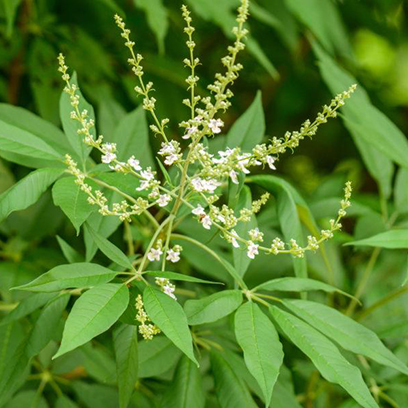
Nirgundi (Vitex negundo)
Discover the health benefits, uses, and medicinal properties of Nirgundi (Vitex negundo).…
-
Nimba (Azadirachta indica)
Nimba (Azadirachta indica), known as Neem or Indian Lilac, offers powerful medicinal…
-

Know the uses, benefits, and medicinal properties of Punarnava (Boerhavia Diffusa). It…