
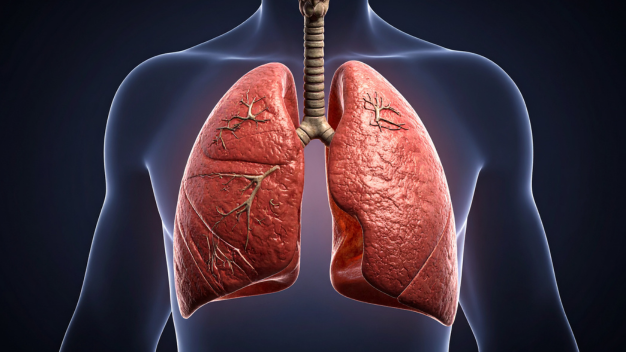
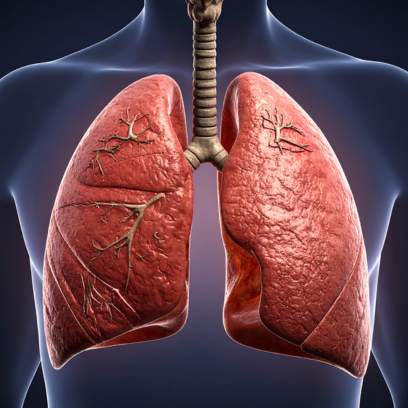
Ayurvedic Treatment for Lung Cancer
Discover safe, effective, and natural Ayurvedic treatment for lung cancer. Learn how a holistic approach can support healing, reduce symptoms, and improve quality of life.
On This Page


-
 30
30
 Share
ShareSummarise this article using AI




Introduction
Uncontrolled cell growth in the tissues of the lung is characterized by a malignant lung tumor and is known as lung cancer. It is also referring to bronchogenic carcinoma as it originates within the bronchi or in the parenchyma of the lungs.
Approximately 25% of all deaths due to cancer are attributed to lung cancer. In all ages and genders, the incidence of lung cancer in India was 70, 275. Globally 2 million diagnoses and 1.8 million deaths are accounted for by lung cancer which makes lung cancer the leading cause of mortality.
There are two types of lung cancer, small cell lung cancer and non-small cell lung cancer and 85% of lung cancers are non-small cell lung cancer. India is the third-largest producer of tobacco in the world and second largest consumer in India. 90% of lung cancer is caused by tobacco smoking which can be a preventable cause of death worldwide.
Types of Lung Cancer
There are mainly two types of lung cancer:
- Non-small cell lung cancer
- Small lung cancer
1) What is Non-Small Cell Lung Cancer?
Non-small cell lung cancer is the most common type of lung cancer that contributes to approximately 80 % of lung cases.
Non-Small Cell Lung Cancer Subtypes
There are three main subtypes of non-small cell lung cancer:
- Adenocarcinoma
- Squamous cell carcinoma
- Large cell carcinoma
Sarcomatoid carcinoma and adenosquamous carcinoma are less common types of non-small cell lung cancer.
- Adenocarcinoma lung cancer – The cells in the lungs that normally secrete substances such as mucous, the carcinoma that starts in these cells is known as adenocarcinoma. This cancer is mainly seen in people who smoke but also equally in people who do not smoke. This carcinoma is found in the outer parts of the lungs.
- Squamous cell lung carcinoma – The flat cells that line the inside of the airway of the lungs are the squamous cell of the lungs and the carcinoma that occurs in these cells is known as squamous cell carcinoma. This carcinoma mainly spreads in the main airway i.e. bronchus and the central part of the lungs.
- Large cell lung carcinoma – Large cell carcinoma is known as undifferentiated carcinoma. This carcinoma grows and spreads quickly and can occur in any part of the lung. Large cell carcinoma has one main subtype i.e. large cell neuroendocrine carcinoma which is a very fast-growing cell.
2) What is Small Lung Cancer?
It is also known as oat cell cancer. This cancer grows much faster than non-small cell lung cancer. This is a small lung tumor that spreads to the other parts of the body.
Signs and Symptoms of Lung Cancer
Until the disease reaches the advanced stage lung cancer does not cause symptoms:
- Shortness of breath
- Persistent cough
- Cough that produces blood
- Pain in the shoulder, back, and chest increases especially when deep breathing, coughing, and laughing.
- Loss of appetite (anorexia)
- Feeling tiredness
- Lung infections such as pneumonia and bronchitis
- Unexplained weight loss

Dr. Sahil Gupta utilizes carefully formulated Ayurvedic herbal combinations, selected based on classical principles and clinical experience, to support patients in the management of lung cancer.
This approach aims to improve overall quality of life, support metabolic balance, and complement Ayurvedic medical care where appropriate.
– Dr. Sahil Gupta (B.A.M.S., M.H.A.)
Ayurvedic Allergy Specialist
CEO & Founder of IAFA®
Ayurvedic Point of View of Lung Cancer
Possible correlation of the Lung Cancer in Ayurveda:-
At the symptomatic level carcinoma of the lung especially the adenocarcinoma in the advanced stage IV can be co-related to Kshataja, Kshayaja Kasa, Granthi, and Arbuda.
Causes of Lung Cancer (Phuphphusa Arbuda) – As Per Ayurveda
Probable cause of Arbuda as per Ayurveda are as follows:
Kshataja Kasa Nidana, Kasa Chikitsa, Chapter 19, 20- 23
अतिव्यवायभाराध्वयुद्धाश्वगजविग्रहैः|
रूक्षस्योरः क्षतं वायुर्गृहीत्वा कासमावहेत्||
स पूर्वं कासते शुष्कं ततः ष्ठीवेत् सशोणितम्|
कण्ठेन रुजताऽत्यर्थं विरुग्णेनेव चोरसा||
सूचीभिरिव तीक्ष्णाभिस्तुद्यमानेन शूलिना|
दुःखस्पर्शेन शूलेन भेदपीडाभितापिना||
पर्वभेदज्वरश्वासतृष्णावैस्वर्यपीडितः|
पारावत इवाकूजन् कासवेगात्क्षतोद्भवात्||
Kshayaja Kasa Nidana, Kasa Chikitsa, Chapter 19, 24- 28
विषमासात्म्यभोज्यातिव्यवायाद्वेगनिग्रहात्|
घृणिनां शोचतां नॄणां व्यापन्नेऽग्नौ त्रयो मलाः||
कुपिताः क्षयजं कासं कुर्युर्देहक्षयप्रदम्|
दुर्गन्धं हरितं रक्तं ष्ठीवेत् पूयोपमं कफम्||
स्थानादुत्कासमानश्च हृदयं मन्यते च्युतम् |
अकस्मादुष्णशीतार्तो बह्वाशी दुर्बलः कृशः||
स्निग्धाच्छमुखवर्णत्वक् श्रीमद्दर्शनलोचनः |
पाणिपादतलैः श्लक्ष्णैः सततासूयको घृणी||
ज्वरो मिश्राकृतिस्तस्य पार्श्वरुक् पीनसोऽरुचिः|
भिन्नसंहतवर्चस्त्वं स्वरभेदोऽनिमित्ततः||
इत्येष क्षयजः कासः क्षीणानां देहनाशनः|
- Ati-Vyavaya
- Ati-Stri Bhoga
- Ati-Bharvahana
- Intake of Vishama and Asatmya Ahara
- Vega Vidharana (suppression of natural urges)



Committed to Holistic Healing through Alternative Medicine Since 2008
At Last, Easier Lung Cancer Management

Trusted by
More than 90,000 Patients

Convenient
at-Home Treatments

9.2 / 10
Customer Satisfaction Score
Samprapti Ghataka of the Phuphphusa Arbuda (Lung Cancer)
Dosha – Tridoshaja (Vata and Kapha Pradhana)
Dushya – Rakta, Mansa, Meda
Adhisthana – Tvak Shashti (sixth layer of skin) Rohini
Strotas – Prana Vaha Strotas, Rakta Vaha Strotas, Mansa Vaha Strotas, Medo Vaha Strotas
Upshaya of the Phuphphusa Arbuda (Lung Cancer)
Treatment of lung cancer is done by various methods like palliative care, chemotherapy, radiation therapy, and surgery. Along with this standard line of treatment for lung cancer, additional Ayurvedic medicines and procedures can be given to the patient.
Single Herbs that can be Given to Lung Cancer
- Bhruhat-Kantakari (Solanum indicum)rma, etc.
- Vasa (Adhatoda vasaka)
- Haridra (Curcuma longa)
- Pushkarmool (Inula racemosa)
- Yashtimadhu (Glycyrrhiza glabra)
- Vibhitaki (Terminalia bellerica)
- Bharangee (Clerodendron serratum)
- Kushtha (Saussurea lappa)
- Pippali (Piper longum)
- Dhatura (Dhatura metel)
- Guduchi (Tinospora Cordifolia)
- Kantakari (Solanum xanthocarpum)
Ayurvedic Formulation that can be Given in Lung Cancer
- Lakshmi Vilasa Rasa
- Sameer Pannaga rasa
- Bhallataka Asava
- Vasa Avleha
- Rasa Sindura
- Chaturbhuja Rasa
- Pipplyadi Ghrita
- Talishadi Churna
- Karpuradi Churna
- Kantkari Avleha
Ayurvedic Formulation that can be Given in Lung Cancer to Boost Immunity
- Ashwagandha
- Basant Kusumakar Rasa
- Heeraka Bhasma
- Swarna Bhasma
- Suvarana Malini Basant
- Haritaki Avleha
- Chayawanprasha
- Madhu Malini Basant
- Dashmuladi Ghrita
Few Herbs can be Used for Lung Cancer with a Recent Study
Piper longum
Part Used – Piperine alkaloid.
Mode of Action – Oral supplementation of piperine (50 mg/ kg body weight) effectively suppressed lung carcinogenesis in B (a) p-induced mice as revealed by the decrease in the extent of mitochondrial lipid peroxidation and concomitant increase in the activities of enzymatic antioxidants (superoxide dismutase, catalase and glutathione peroxidase) and non-enzymatic antioxidant (reduced glutathione, vitamin E and vitamin C) levels when compared to lung carcinogenesis bearing animals. Our data suggests that piperine may extend its chemopreventive effect by modulating lipid peroxidation and augmenting the antioxidant defense system.
Reference – Selvendiran K, Senthilnathan P, Magesh V, Sakthisekaran D. Modulatory effect of Piperine on mitochondrial antioxidant system in Benzo(a)pyrene-induced experimental lung carcinogenesis. Phytomedicine. 2004 Jan; 11 (1): 85- 9. doi: 10. 1078/ 0944- 7113- 00355. PMID: 14971727.
Cannabis sativa
Part Used – Cannabinoids
Mode of Action – Delta (9)-Tetrahydrocannabinol (THC) is the primary cannabinoid of marijuana and has been shown to either potentiate or inhibit tumor growth, depending on the type of cancer and its pathogenesis. Little is known about the activity of cannabinoids like THC on epidermal growth factor receptor-overexpressing lung cancers, which are often highly aggressive and resistant to chemotherapy. In this study, we characterized the effects of THC on the EGF-induced growth and metastasis of human non-small cell lung cancer using cell lines A549 and SW- 1573 as in vitro models. We found that these cells express the cannabinoid receptors CB (1) and CB (2), known targets for THC action, and that THC inhibited EGF-induced growth, chemotaxis, and chemoinvasion. Moreover, signaling studies indicated that THC may act by inhibiting the EGF-induced phosphorylation of ERK 1/2, JNK 1/2, and AKT. THC also induced the phosphorylation of focal adhesion kinase at tyrosine 397. Additionally, in in vivo studies in severe combined immunodeficient mice, there was significant inhibition of the subcutaneous tumor growth and lung metastasis of A549 cells in THC-treated animals as compared to vehicle-treated controls. Tumour samples from THC-treated animals revealed antiproliferative and antiangiogenic effects of THC. Our study suggests that cannabinoids like THC should be explored as novel therapeutic molecules in controlling the growth and metastasis of certain lung cancers.
Reference – Preet, A & Ganju, Ramesh & Groopman, J.E.. (2008). Δ9-Tetrahydrocannabinol inhibits epithelial growth factor-induced lung cancer cell migration in vitro as well as its growth and metastasis in vivo. Oncogene. 27. 339-46. 10. 1038/ sj. onc. 1210641.
Frequently Asked Questions
Q1. Which Pranayama is Best for the Lung Cancer Patient?
Ans. Nadi Shodhana (Alternate Nostril Breathing), Bhastrika (Bellows Breath), and controlled nostril breathing (Anulom- Vilom), Ujjayi Pranayama, Sheetali, and Sheetkari Pranayama are considered best for improving lung function, enhancing oxygenation, and reducing stress in the lung cancer patient.
Q2. Can Lung Cancer Be Cured at Stage 4?
Ans. Generally, at Stage 4, lung cancer is not curable, but treatments like chemotherapy, and immunotherapy, along with various Ayurvedic treatments help in managing symptoms of lung cancer patients and improve their quality of life.
Q3. What are the Early Symptoms of Lung Cancer?
Ans. If you are suffering from persistent cough, shortness of breath, unexplained weight loss, chest pain, and coughing up blood, then it’s important to consult the doctor as these may be early symptoms of lung cancer.
Q4. How Does Ayurveda Help with Lung Cancer?
Ans. Ayurveda by the detoxification therapy, use of various herbs, herbal formulation and Herbo-mineral formulation, Rasayana therapy along with personalized dietary and lifestyle modification help in strengthening immunity, reduce inflammation, and improve lung function.
Q5. Can Yoga Help Lung Cancer Patients?
Ans. Yes, yoga is a great and must complementary therapy for lung cancer patients as it enhances lung capacity, reduces stress, and improves overall well-being of the lung cancer patient.
Q6. Is Lung Cancer Hereditary?
Ans. Genetic factors can play a role in lung cancer but lifestyle factors like smoking, pollution, and diet have a greater impact on increasing risk of lung cancer.
Q7. What is the Best Diet for Lung Cancer Patients?
Ans. A plant-based diet rich in antioxidants, various fruits and vegetables, use of herbs in diet like turmeric, and ginger helps in reducing inflammation in the lung cancer patient and also supports great recovery.
Q8. How Can I Reduce My Risk of Lung Cancer?
Ans. Avoiding smoking, reducing exposure to various pollutants, eating a healthy diet, practicing yoga, and meditation regularly, and strengthening immunity with detoxification therapies every year can help in reducing the risk of lung cancer.
Seek Expert Advice
Dr. Sahil Gupta from IAFA Ayurveda and his expert team are here to guide you with Ayurvedic healing approaches that complement your ongoing medical treatment of lung cancer. Through Ayurvedic detoxification procedures like emetic and purgative therapy, use of various herbs, Yoga Therapy and personalized diet plan, we help you manage symptoms of lung cancer, boost immunity, and improve overall well-being. Our personalized lung cancer-free programs, various personalized breathing techniques, yoga procedures, and naturopathy treatments support lung function, reduce side effects related to chemotherapy, and enhance quality of life.
Take the first step towards better health – Consult Dr. Sahil Gupta today and discover the power of Ayurveda healing in your cancer journey.


Was this Page Helpful?
IAFA’s Root-Cause Management for Lung Cancer is Just 3 Steps Away!

01. Connect With Us
Share Your History of Illness or Book Your Appointment.

02. Consult With Us
Dr. Gupta A Certified Ayurvedic Practitioner.

03. Root Cause Management
Get An Accurate Diagnosis, Medicine, Diet & Lifestyle Guidance.
Real Case Studies – Successfully Treated Patients
Real Case Studies of Successfully Treated Patients from All Around the World by IAFA Ayurveda®
-

32-Year-Old Female Patient Recovered from Chronic Urticaria and Leaky Gut Syndrome – A Case Study
This case study highlights the successful Ayurvedic treatment of chronic urticaria associated…
-
5-Year-Old Shih Apso Dog Recovered from Canine Peripheral Neuropathy – A Case Study
This case study presents a 5-year-old Shih Tzu-Lhasa Apso crossbreed dog (pet)…
-
9 Year Old Female Patient Recovered from Chronic Allergic Bronchitis – A Case Study
This case study presents a 9-year-old female patient who has successfully recovered…
-
12-Year-Old Child Recovered from Solar Urticaria (Chronic Sun-Sensitivity) – A Sun Allergy Case Study
This is a case study of a 12-year-old child who has successfully…
Read More Articles
-
-

Breast Cancer
Discover Ayurvedic treatment for breast cancer, focusing on natural and alternative remedies.…