

Ayurvedic Treatment for Wheat and Gluten Allergy
IAFA Ayurveda offers safe, natural Ayurvedic treatment for wheat and gluten allergy. Heal the root cause, support gut health, and manage symptoms with holistic care.
On This Page


-
 4055
4055
 Share
ShareSummarise this article using AI




Introduction
An allergy is a hypersensitive reaction of the body when it comes into contact with a substance that is otherwise harmless. Allergic reactions often occur suddenly and are sometimes predictable. This hypersensitive response is triggered by the natural immune system and can range from mild discomfort to life-threatening anaphylaxis.
The substances in the environment that trigger allergies are known as allergens. Common allergens include dust, pollen, food proteins, certain medications, cosmetics, latex, and other substances that can cause skin reactions.
There are four main types of allergens: Albumins, Globulins, Prolamines, and Glutelins. In wheat, prolamins are called gliadins and glutelins are called glutenins-together forming classic gluten proteins. Gluten is a causative agent of Celiac Disease (CD) and differs from gluten allergy in terms of immune cells and antibody involvement.
Wheat allergy is an autoimmune response to proteins in wheat, particularly gluten. In affected individuals, the immune system produces specific antibodies against wheat proteins. Environmental and genetic factors also contribute to the development of the condition.
Although food allergy, food sensitivity, and food intolerance differ in their mechanisms, Ayurveda considers all such adverse food reactions under Asatmya (intolerance), with the root cause linked to Agni (digestive fire). In Ayurvedic terms, wheat and gluten-related disorders can be correlated with Grahani Roga (Sprue). Agnimandya (low digestive fire) leads to the formation of Aama (undigested food), which ultimately manifests as disease.
Causes of Wheat and Gluten Allergy
It is caused by an abnormal immune system reaction to the protein gluten, which is commonly found in foods such as bread, pasta, cereals, and biscuits. Celiac disease is an autoimmune condition, in which the immune system mistakenly identifies healthy cells and substances as harmful and produces antibodies against them (antibodies normally fight off bacteria and viruses). Certain genetic variations may increase the risk of developing this condition.
Symptoms of Wheat and Gluten Allergy
The most common signs for adults are:-
- Diarrhea
- Fatigue
- Weight loss
- Bloating and gas
- Abdominal pain
- Nausea
- Constipation
- Vomiting
Other signs include:-
- Mouth ulcers
- Headaches and fatigue
- Joint pain
- Reduced functioning of the spleen (Hyposplenism)
- Acid reflux and heartburn
- Anemia, usually due to iron deficiency
- Loss of bone density (Osteoporosis) or softening of bones (Osteomalacia)
- Itchy, blistery skin rash
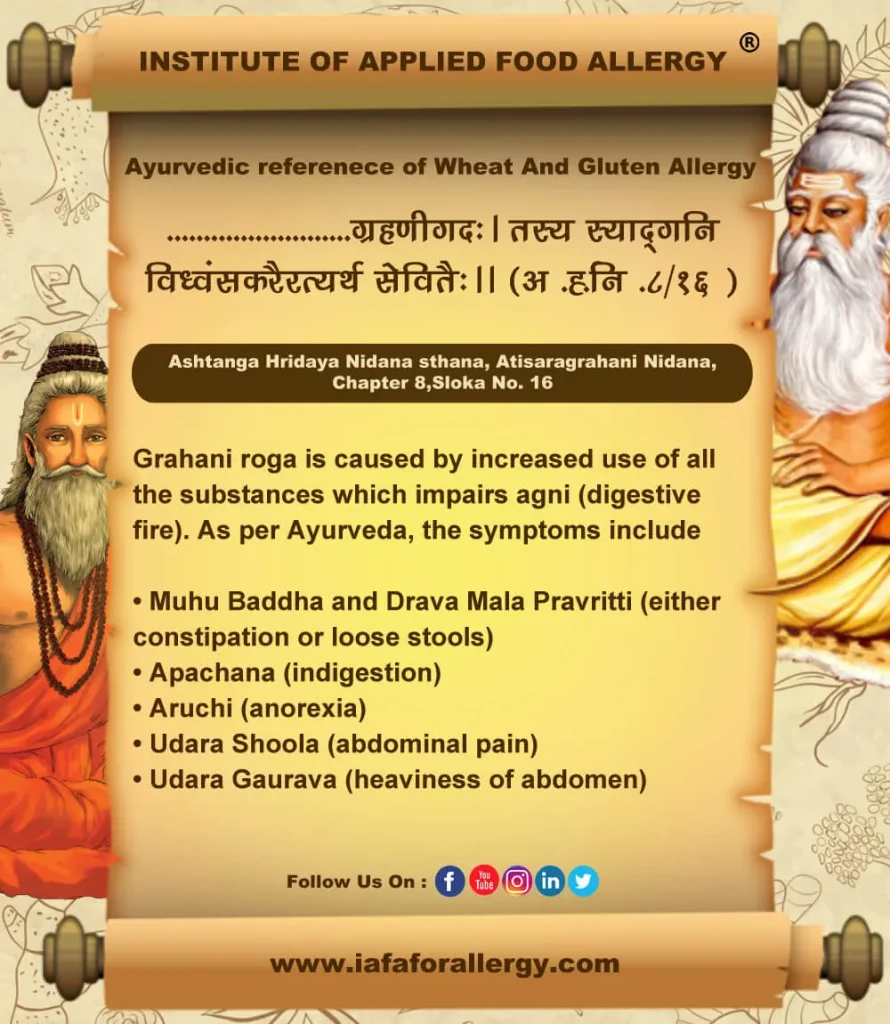
As per Ayurveda, the symptoms include:-
- Muhu Baddha and Drava Mala Pravritti – either constipation or loose stools
- Apachana – indigestion
- Aruchi – loss of appetite (anorexia)
- Udara Shoola – abdominal pain
- Udara Gaurava – heaviness of the abdomen
Ayurvedic Reference of Wheat and Gluten Allergy (Grahani roga)
……………ग्रहणीगद:। तस्य स्याद्गनि विध्वंसकरैरत्यर्थ सेवितै:॥

IAFA Ayurveda® provides effective Ayurvedic treatment for wheat and gluten allergy through a comprehensive approach that assesses each patient’s specific condition. We are one of the most reliable and the world’s first Ayurvedic institutes dedicated to managing various allergic manifestations.
– Dr. Sahil Gupta (B.A.M.S., M.H.A.)
Ayurvedic Allergy Specialist
CEO & Founder of IAFA®
At last, Easier Wheat and Gluten Allergy Management

Trusted by
More than 90,000 Patients

Convenient
at-Home Treatments

9.2 / 10
Customer Satisfaction Score
Ayurvedic Treatment for Wheat and Gluten Allergy
Primary treatment should be planned in such a way that the Agni (digestive fire) of the patient improves. An Ayurvedic diet and lifestyle play a significant role in managing the symptoms and treating the disease. Ayurvedic treatment helps correct the immune system, calm the gut–brain axis, and reduce digestive disturbances. It also improves the absorption of nutrients from food through yoga, lifestyle recommendations, Panchakarma therapy, and internal medications.
Internal Medicines for Wheat and Gluten Allergy:-
- Triphala Churna
- Dadimashtaka Churna
- Shivakshara Churna
- Trikatu Churna
- Hingvadi Vati
- Kutaja Ghana Vati
- Chitrakadi Vati
- Guduchi Satva
- Dadimadi Ghritam
- Guluchyadi Kashaya
- Drakshadi Kashaya
- Pravala Panchamrita
External Medicines for Wheat and Gluten Allergy:-
- Haridra (Curcuma longa)
- Tulasi (Ocimum sanctum)
External Therapies for Wheat and Gluten Allergy:-
- Enema Therapy (using milk and medicated drugs)
- Lepa (application of medicinal paste on the body)
Single Herbs that can be Used in Wheat and Gluten Allergy:-
- Kutaja (Holarrhena antidysenterica)
- Bilwa (Aegle marmelos)
- Musta (Cyperus rotundus)
- Pippalimoola (Piper longum)
- Chavya (Piper chaba)
- Pippali (Piper longum)
- Chitraka (Plumbago zeylanica)
- Sunthi (Zingiber officinale)
- Amlavetasa (Garcinia pedunculata)
- Maricha (Piper nigrum)
- Haridra (Curcuma longa)



Committed to Holistic Healing through Alternative Medicine Since 2008
Diet Plan for Patients with Wheat and Gluten Allergy
Foods to Eat in Wheat and Gluten Allergy
- Take a green food supplement once a day.
- Include yoghurt, buttermilk, juices, pulses, and fruits in the diet.
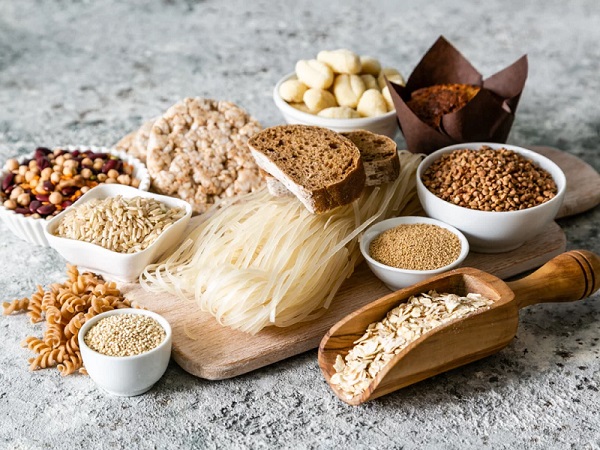
- Include old rice, buckwheat, ragi, whole corn, millets, and gluten-free oats in your diet.
- Include ginger, coriander leaves, lentils, green gram soup, black pepper, nutmeg, and skimmed milk in the diet.
- Include herbs such as ginger, fennel, and cumin, which stimulate digestive enzyme secretion and help improve digestion, enhance nutrient absorption, and eliminate accumulated toxins from the body.
- Drink freshly prepared, well-churned buttermilk spiced with cumin, ginger, and curry leaves regularly. This helps improve Agni (digestive fire) and enhances nutrient absorption.
Foods to Avoid in Wheat and Gluten Allergy
- Avoid all food items that contain gluten, including those made from wheat, rye, oats, and barley.
- Avoid processed foods that contain gluten.
- Avoid breadcrumbs, soy sauce, vegetable starch, and artificial flavorings.
- Avoid tea, coffee, and other caffeinated beverages, as they can stimulate the intestines and trigger diarrhea.
Yoga Asanas for Wheat and Gluten Allergy
Yoga asanas are highly beneficial for managing wheat and gluten allergy, as many intestinal disorders have an underlying psychological component. Regular practice of yogasanas and pranayama is particularly effective for these patients. Postures include:-
- Balasana (Child’s Pose)
- Parivrtta Trikonasana (Revolved Triangle Pose)
- Setu Bandha Sarvangasana (Bridge Pose)
- Supta Matsyendrasana (Supine Twist)
- Ardha Pawanmuktasana (Half Wind-Relieving Pose)
When experiencing extreme fatigue, practicing pranayama can be highly effective.

Frequently Asked Questions
Question: What is Wheat and Gluten allergy?
Answer: Wheat and Gluten allergy is a condition in which the small intestine is hypersensitive to gluten, leading to difficulty in digesting food.
Question: What are the Causes of Wheat and Gluten Allergy?
Answer: It is caused by an abnormal immune system reaction to the protein gluten, which is found in foods such as bread, pasta, cereals and biscuits.
Question: What is the Ayurvedic Treatment for Wheat and Gluten Allergy?
Answer: Ayurvedic treatment for Wheat and Gluten allergy mainly aims correcting the digestive fire and therby the doshas and enhancing the power of immune system.
Question: What Foods Contain Gluten?
Answer: Gluten is found in food products that are prepared from wheat such as: barley, bread, pasta etc.
Question: Does Ayurveda Recommend to Just Avoid Wheat to the Patients of Wheat Allergy?
Answer: People with Wheat Allergy should avoid the consumption of wheat for sometime but then slowly include these foods back into your diet.
Question: Can Ayurveda Treat Wheat Allergy?
Answer: The concept of wheat allergy in Ayurveda is entirely different from modern system of medicine. Ayurveda can treat wheat allergy successfully without its recurrence by stimulating the digestive system and correcting the impaired digestive system.
Seek Expert Advice
Dr. Gupta’s IAFA is one of the most trusted institutes for managing a wide range of allergic disorders. At IAFA, patients receive comprehensive Ayurvedic treatments specifically designed for wheat and gluten allergy.
Dr. Gupta’s IAFA is committed to protecting you from all types of allergies, always.


Was this Page Helpful?
IAFA’s Root-Cause Treatment for Wheat and Gluten Allergy is Now Just 3 Simple Steps Away!

01. Connect With Us
Share Your History of Illness or Book Your Appointment.

02. Consult With Us
Dr. Gupta A Certified Ayurvedic Allergy Specialist.

03. Root Cause Treatment
Get an Accurate Diagnosis, Medicines, and Guidance on Diet and Lifestyle Changes.
Real Case Studies – Successfully Treated Patients
Real Case Studies of Successfully Treated Patients from All Around the World by IAFA Ayurveda®
-

32-Year-Old Female Patient Recovered from Chronic Urticaria and Leaky Gut Syndrome – A Case Study
This case study highlights the successful Ayurvedic treatment of chronic urticaria associated…
-
5-Year-Old Shih Apso Dog Recovered from Canine Peripheral Neuropathy – A Case Study
This case study presents a 5-year-old Shih Tzu-Lhasa Apso crossbreed dog (pet)…
-

9 Year Old Female Patient Recovered from Chronic Allergic Bronchitis – A Case Study
This case study presents a 9-year-old female patient who has successfully recovered…
-
12-Year-Old Child Recovered from Solar Urticaria (Chronic Sun-Sensitivity) – A Sun Allergy Case Study
This is a case study of a 12-year-old child who has successfully…
Read More Articles
-

Polymorphous Light Eruption (PMLE)
Discover Ayurvedic treatment for Polymorphous Light Eruption (PMLE). Learn about its causes,…
-

Mast Cell Diseases
Discover Ayurvedic treatment for Mast Cell Diseases, including types, causes, symptoms, and…
-

High Immunoglobulin-E (IgE) Levels
Discover Ayurvedic treatment for high Immunoglobulin-E (IgE) levels. Learn about the causes,…