
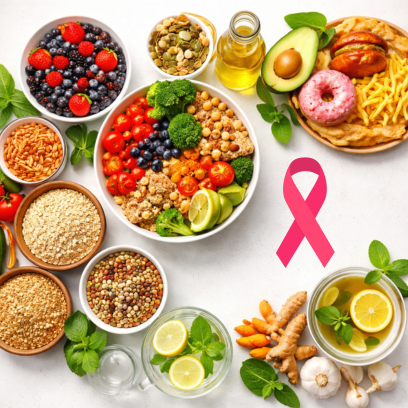
Best Diet for Cancer Patients – Ayurveda and Modern Perspective
Discover the best diet for cancer patients from both Ayurvedic and modern perspectives. Boost immunity, support recovery, and improve quality of life during cancer treatment naturally.
Get Personalised Diet PlanOn This Page


-
 0
0
 Share
ShareSummarise this article using AI




Introduction
Food is one of the three pillars of life that is known as Tryoupstambha. There is a saying by Vaidya Jeevana:-
Pathye Sati Gadaarthasaya Kimoushada Nishevanaih |
Pathye Asati Gadaarthasaya Kimoushadha Nishevanaiih ||
If you follow a wholesome diet and regime, then there is no use for medicine and if you don’t follow a wholesome diet and regime then also there is no need for medicine.
So following dos and don’ts i.e Pathya and Apathya is very important for the proper treatment of diseases.
Pathya (Wholesome / Meals to be Taken) for a Patient with Cancer Disease
As per Ayurvedic classical literature, Cancer can be co-related to Granthi, Arbuda, Sotha mentioned in Ayurveda and its Pathya is considered as Pathya for Cancer.
अर्बुद में पथ्य
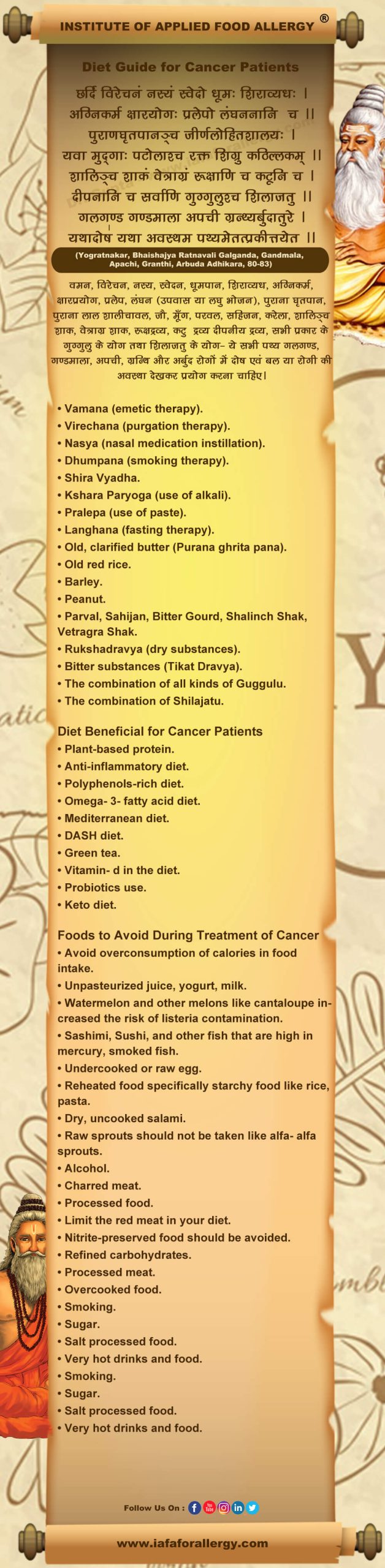
छर्दि विरेचनं नस्यं स्वेदो धूम: शिराव्यध: | अग्निकर्म क्षारयोग: प्रलेपो लंघननानि च ||
पुराणघृतपानञ्च जीर्णलोहितशालय: | यवा मुद्गा: पटोलाश्च रक्त शिग्रु कठिल्लकम् ||
शालिञ्च शाकं वेत्राग्रं रूक्षाणि च कटूनि च | दीपनानि च सर्वाणि गुग्गुलुश्च शिलाजतु ||
गलगण्ड गण्डमाला अपची ग्रन्थ्यर्बुदातुरे | यथादोष॑ यथा अवस्थम पथ्यमेतत्प्रकीत्तयेत ||
वमन, विरेचन, नस्य, स्वेदन, धूमपान, शिराव्यध, अग्निकर्म, क्षारप्रयोग, प्रलेप, लंघन (उपवास या लघु भोजन), पुराना घृतपान, पुराना लाल शालीचावल, जौ, मूँग, परवल, सहिजन, करेला, शालिञ्च शाक, वेत्राग्र शाक , रूक्षद्रव्य, कटु द्रव्य दीपनीय द्रव्य, सभी प्रकार के गुग्गुलु के योग तथा शिलाजतु के योग- ये सभी पथ्य गलगण्ड, गण्डमाला, अपची, ग्रन्थि और अर्बुद रोगों में दोष एवं बल या रोगी की अवस्था देखकर प्रयोग करना चाहिए।
- Vamana (emetic therapy)
- Virechana (purgation therapy)
- Nasya (nasal medication instillation)
- Dhumapana (smoking therapy)
- Shira Vyadha
- Kshara Paryoga (use of alkali)
- Prelepa (use of paste)
- Langhana (fasting therapy)
- Old, clarified butter (purana ghrita pana)
- Old red rice
- Barley
- Peanut
- Parval, Sahijan, Bitter Gourd, Shalinch Shak, Vetragra Shak
- Rukshadravya (dry substances)
- Bitter substances (Tikat Dravya)
- The combination of all kinds of Guggulu
- The combination of Shilajatu
Sotha Roga Pathya should also be used in case of Cancer diseases.
Pathya Apathya Vinirnya, Shotha Roga, by “Brahmanand Tripathi”, 348- 353
संशोधन लंघन अस्त्र मोक्ष: स्वेद: प्रलेप: परिषेचनं च |
पुरातना: शालियवा: कुलत्थ मुदागश्च गोधापि च शल्लको अपि ||
भुजंग भूक तित्तिरि ताम्र चूडलावादयो जांगल विशिकारश्च |
कूर्मा अपि श्रृंगी प्रपुराणसर्पिस्तक्रं सुरा माक्षिकमासव्श्च |
निष्पाव काठिलक रक्त शिग्रु रसालक कर्कोटक माणं मूलम |
सुवर्चला गृज्जनक: पटोलम वेत्राग्र वातिद्रन मूलकानि ||
पुनर्नवा चित्रक पारिभद्र श्रीपर्ण निम्ब क्षुर पल्लवानि |
एरण्डतैल॑ कटुका हरिद्र हरीतकी क्षारनिषेवणं च |
भल्लातकं गुग्गुलुरायसं च कटुनि तिक्तानि च दीपनानि |
मूत्राणि गो अजा महिषी भवानि कस्तूरिका चापि शिलाजतूनि ||
यत् पाण्डु रोगनीण्यपि वहिकर्मपुरा प्रदिष्ठ तु तदेव च अपि |
यथामलं पथ्यमिदं प्रदिष्ठंशोथामयं सत्वरमुच्छिनत्ति ||
संशोधन अर्थात् वमन द्वारा ऊपरी शरीर का और विरेचन द्वारा अधो भाग का (लघु भोजन), रक्तमोक्षण (सिरावेध), स्वेदन, शरीर पर शोथनाशक लेप, परिषेचन, पुराने शाली धान्य , जौ, कुलथी, मूंग आदि अन्न, गोह,सेह मोर, तीतर, मुर्गा, लवा,जांगल देश के पशु: पक्षी जो बिखेर के दाना चुगते हैं (विष्किर वर्ग के पक्षी), कछुआ, सिंगी मछली, अधिक पुराना घी, मठ्ठा, मद्य, मधु, आसव , निष्पाव, करेला , लाल सहिजन, आम, ककोड़ा, मानकन्द, हुलहुल, गाजर, परबल, वेत के अंकुर का अगर भाग, वातिंगन (बैगन), कोमल मूली, पुनर्नवा, चित्रक मूल, फरहाद, गम्भार की छाल तथा इसके कोमल पत्र, नीम, गोखरू के पत्ते ,एरण्ड तेल,कुटकी, हल्दी, हरड़ सभी क्षारों का सेवन,भिलावा गुणा, लोह भस्म, कटु रस तथा तिक्त प्रधान पर्दार्थ, अग्नि वर्धक पदार्थ गाय, बकरी, भैंस के मूत्र, कस्तूरी, शिलाजीत, जिन पथ्यों का वर्णन पाण्डुरोग में कहा गया है, वे पदार्थ भी वह्नि कर्म (जैसा पाण्डु रोग में कहा गया है- दोनों पैरों की सन्धि में, नाभि के दो अंगुल नीचे , सर में, हाथों के मूल में, स्तनों और काखों के मध्य भाग में दागना, ये सभी दोष विशेष की कर प्रयोग करने पर रोग में पथ्य (हितकर) हैं || दशमूल के क्वाथ रस द्वारा पकाये गये पुराने जौ, लाल शाली धान्य के चावल ,थोड़ी मात्रा में सरसों का तेल,ये शोथरोगियों के लिये पथ्य होते हैं । कछुआ, शुंगी, मद्गुर नामक मछलियों का मांसरस ये भी शोथ रोग पथ्य होते है |
Purification i.e., purification of the upper part of the body by emesis and purgation of the lower part (small food), blood removal (siravedha), swedan, anti-inflammatory paste on the body, parishechan, old shali grains, barley, kulthi dala, moong Dala etc. food, goh, she, peacock, pheasant, Rooster, lava, Jaangla animals, birds that feed on scattered grains (Vishkir class birds), turtle, horned fish, older ghee, buttermilk, alcohol, honey, bitter gourd, red horseradish, mango, Kakoda, Mankand, Hulhul, Carrot, Parbal, Agar part of Vet’s sprout, Vaatingan (Brinjal), Soft radish, Punarnava, Chitrak root, Farhad, Gambhari’s bark and its soft leaves, Neem, Gokhru leaves, Castor oil, Kutki, Turmeric, Harad intake of all alkalis, Bhilava Guna, iron ash, bitter juice and Tikt Pradharth, fire-enhancing substances cow, goat, buffalo urine, musk, Shilajit, the wholesome which have been described in Pandu Roga, those substances too. Vahni Karma (as mentioned in Pandu Rog – spotting in the joints of both the feet, two fingers below the navel, in the head, at the root of the hands, in the middle of the breasts and underarms, old barley cooked with a decoction of Dashmool, rice made of red grain, a little mustard oil, these are dietary for gout patients. The flesh of fishes is called turtle, shungi, etc.
Apathya (Anupshya) for a Patient with Cancer Disease
अर्बुद में अपथ्य
क्षीरेक्षुविकृतिः सर्वा मांसं चानूपसम्भवम् |
पिष्टान्नमम्लं मधुर गुर्वभिष्यन्दकारि च ||
गलगण्डगण्डमाला अपचीग्रन्थ्यर अर्बुदामयान् ||
दूध की विकृति यथा- रबड़ी, मलाई, दही, तक्र, छेना तथा अन्य दूध के भोज्य पदार्थ तथा इक्षु विकार- इक्षु रस, राव, गुड़, शर्करा आदि- सभी प्रकार के मांस विशेषकर अनूप मांस, उड़द की पिट्ठी, अम्ल पदार्थ , मधुर पदार्थ तथा अभिष्यंदी पदार्थ खाना त्याग देना चाहिए |
The products that made from milk like Rabri, Cream, Curd, Takra (buttermilk), Chhena and other milk foods and Ikshu (sugarcane) products like – Ikshu juice, Rao, Jaggery, Sugar etc. should be give up along with heavy substances (Dravya).
Shotha Roga Apathya should also be used in case of cancer diseases.
Pathya Apathya Vinirnya, Shotha Roga, by “Brahmanand Tripathi”, 354- 355
शोथ रोग में अपथ्य
नित्य दुष्टं पवनसलिल॑ वेगरोधं विरुद्धं
सर्व पान॑ विषममशनं मृत्तिका भक्षणं च |
गौड पैष्ट॑ दधि सकृशरं निर्जजलं मद्यमम्लम् ||
धाना वल्लूरं समशनमथो गुर्व्वसात्म्य॑ विदाहि |
सप्तं चारात्रौश्वयथुगदवान् वर्ज्जयेन्मैथुनं च ||
दूषित जल तथा वायु का सदा सेवन करना मल-मूत्र आदि आधारणीय वेगों को रोकना संयोग विरुद्ध अन्न-पान का सेवन करना, विषम (कभी कम कभी अधिक) भोजन करना, मिटटी खाना, ग्रामीण (पालतू) तथा अनूप-देश में रहने वाले पशु-पक्षियों का मांस, नमक, सुखाये गए शाक, नए अन्न, गुड़ तथा गुड़ मिलाकर बनाये गये पीठी के पदार्थ, दहीं के साथ खिचड़ी का सेवन, निर्जर नया अथवा निर्जल मद्य, अम्ल रस प्रधान खाद्य, भूमि हुए धान्य, सूखा मांस , हितकर तथा अहितकर भोजन को मिलाकर एक साथ खाना| गुरु, असात्म्य, विदाही पदार्थों का सेवन करना, सात रात्रियों तक स्त्री सहवास करना | ये सब शोथ के रोगी को छोड़ देना चाहिए |
Consuming contaminated water and air at all times, stopping the excretion of feces and urine, etc., consuming food and drink that are incompatible, eating odd (sometimes less, sometimes more), eating soil, animals living in rural (domestic) and anup- country. – Meat of birds, salt, dried vegetables, fresh food grains, jaggery, and molasses made by mixing molasses, consumption of khichdi with curd, dry new or waterless alcohol, acid-rich food, ground grains, dry meat, beneficial and mixing unhealthy food and eating it together. Guru, disloyalty, consumption of intoxicating substances, sexual intercourse with a woman for seven nights. All this should be left to the patient of any type of inflammation and pancreatitis inflammation.
Diet Guide for Cancer Patients

Have A Health Issue?
Consult Online
- Dr. Sahil Gupta (B.A.M.S., M.H.A.)
Ayurvedic Allergy Specialist
CEO & Founder of IAFA®
Plant Based Protein for Cancer Patients
For the growth, repair, and maintenance of the body, proteins play an important role. They are the vital nutrients that are responsible for all this and are the basic structure of our body. There are approximately 9 essential amino acids that are most important for our body and if we consume the food that contains all these nine amino acids then this is called complete protein. Plant source proteins are mainly incomplete as plant source is lacking in at least one of the nine essential amino acids except soya and quinoa.
The source of protein that we get from the plant is known as plant-based proteins.
Sources of Plant-Based Protein are as Follows:
- Tofu
- Edamame beans (immature soybeans)
- Lentils
- Chickpea
- Almonds
- Peanuts
- Spirulina
- Mycoprotein
- Quinoa
- Hemp seeds
- Chia seeds
- Beans
- Broccoli
- Chickpea
- Nut butter
- Potatoes
- Seaweed
- Pulses like lentils, chickpeas, adzuki beans, black beans, kidney beans, etc.
How Plant-Based Diets Help in Preventing and Curing Cancer?
The higher risk of cancer development is related to the IGF-1 hormone which is crucial for cell growth. If IGF-1 is present in an excessive amount in the blood the risk of cancer increases. So, it was hypothesized that if we reduce intake of animal-based protein then we can reduce IGF- 1 in blood and start taking plant-based protein then it boosts natural cancer defenses and IGF- 1 binding proteins in our body.
Reference: Madigan, Mariah & Karhu, Elisa. (2018). The role of plant-based nutrition in cancer prevention. Journal of Unexplored Medical Data. 3. 9. 10. 20517/ 2572- 8180. 2018. 05.h, complexion, and clarity of the sense organs if properly taken, otherwise they become harmful.
Anti-inflammatory Diet for Cancer Patients
As we all know, inflammation is the body’s defense mechanism that helps to remove foreign and harmful stimuli and begins the healing process with the help of the immune system.
There are Two Types of Inflammation:-
- Acute inflammation
- Chronic inflammation
The inflammation that affects the whole body is systemic and it is chronic inflammation, and it may be the reason for the various types of diseases like heart disorders, Alzheimer’s diseases, diabetes, cancer, etc.
There is no particular type of inflammatory diet, some specific food can be included in the diet that will result in the anti- inflammation.
Polyphenols-Rich Diet for Cancer Patients
Water soluble organic compounds that act as antioxidants protect the body from oxidative damage and are of natural origin are called polyphenols. Polyphenols help the body to protect itself from various diseases including cancer.
Mechanism of Action of Polyphenols
Polyphenols induce apoptosis in cancer cells and along with this also inhibits the tumor generation and progress of the tumor. When we consume a diet that contains polyphenols it results in ROS scavenging which helps in cancer prevention. When a polyphenol diet is taken along with conventional chemotherapy it will enhance chemopreventive effect. Along with this polyphenols are naturally occurring compounds in the food that prevent inflammation in the body.
The Major Polyphenol Classes are as Follows:
- Phenolic acid
- Lignans
- Stilbenes
- Flavonoids
Major Dietary Source of the Polyphenols that Helps to Prevent Cancer:
Phenolic Acid:
- Hydroxybenzoic acid: Hydroxybenzoic acid is present in ellagic acid and gallic acid, phenolic acid, and major dietary sources are grapes, berries, pomegranate, wine, walnut, green tea, chocolate, etc.
- Hydroxycinnamic acid: The representative members of hydroxycinnamic acid are chlorogenic acid, and ferulic acid and the major dietary sources are cereal grains and coffee.
Lignans:
The representative members of the lignans are sesamin and secoisolarici-retinol glucoside, and the major dietary sources are flaxseed and sesame.
Stilbenes:
The representative members of the stilbenes are resveratrol, piceatannol, and pterostilbene, and the major dietary sources are berries, red wines, and grapes.
Flavonoids:
- Flavones: The representative members of the flavones are luteolin, apigenin, and chrysin and the major dietary sources are celery, onion, parsley, tea, orange, spices, and honey.
- Flavanols: The representative members of the flavanols are epicatechin, EGCG, epigallocatechin, and procyanidins, and the major dietary sources are legumes, pears, apples, wine, cocoa, and tea.
- Anthocyanins: The representative members of the anthocyanins are malvidin, pelargonidin, cyanidin, delphinidin, and pelargonidin and the major dietary sources are cherries, grapes, berries, pomegranate, and plums.
- Flavanones: The representative members of the flavanones are naringenin and hesperidin, and the major dietary sources are citrus fruits.
- Iso-flavonoids: The representative members of the iso-flavonoids are daidzein and genistein, and the major dietary source is Soy.
- Flavonols: The representative members of the flavonols are kaempferol, myricetin, galangin, and isorhamnetin, and the major dietary sources are as follows berries, apples, broccoli, tea, beans, etc.
A Few Recent Study that Prove the Effect of Polyphenols on Different Types of Cancer:
1. Effect of EGCG on the Colorectal Cancer
Effect: EGCG prevents the tumor growth of spheroid-derived cancer stem cell xenografts.
Reference: Toden S., Tran H.M., Tovar-Camargo O.A., Okugawa Y., Goel A. Epigallocatechin- 3- gallate targets cancer stem-like cells and enhances 5-fluorouracil chemosensitivity in colorectal cancer. Oncotarget. 2016; 7: 16158– 16171. doi: 10. 18632/on target. 7567.
2. Effect of EGCG on Breast Cancer
Effect: EGCG inhibits tumor growth and decreases the peritumoral lymphatic cell density and the expression of VEGF- D.
Reference: Mineva N.D., Paulson K. E., Naber S. P., Yee A. S., Sonenshein G. E. Epigallocatechin- 3- gallate inhibits stem-like inflammatory breast cancer cells. PLoS ONE. 2013; 8: 515
3. Effect of Genistein in Gastric Cancer
Effect: Decrease the weight and size of the tumor in the dosage of 1.5 mg/ kg.
Reference: Huang W., Wan C., Luo Q., Huang Z., Luo Q. Genistein- inhibited cancer stem cell-like properties and reduced chemoresistance of gastric cancer. Int. J. Mol. Sci. 2014; 15: 3432– 3443. doi: 10. 3390/ ijms- 15033432.
4. Effect of Anthocyanidins on Lung Cancer
Effect: Helps in inhibiting cancer cell growth.
Reference: Kausar H., Jeyabalan J., Aqil F., Chabba D., Sidana J., Singh I. P., Gupta R.C. Berry anthocyanidins synergistically suppress growth and invasive potential of human non-small-cell lung cancer cells. Cancer Lett. 2012; 325: 54– 62. doi: 10. 1016/ j. canlet. 2012. 05. 029.
5. Effect of Delphinidin on Colorectal Cancer
Effect: Cell cycle arrest, induces apoptosis, induces oxidative arrest.
Reference: Yun J. M., Afaq F., Khan N., Mukhtar H. Delphinidin, an anthocyanidin in pigmented fruits and vegetables, induces apoptosis and cell cycle arrest in human colon cancer HCT116 cells. Mol. Carcinog. 2009; 48: 260– 270. doi: 10. 1002/ mc. 20477.
6. Effect of Quercetin on Prostate Cancer
Effect: Inhibit carcinogenesis induced by hormones in the dosage of 200 mg/ kg.
Reference: Sharmila G., Athirai T., Kiruthiga B., Senthilkumar K., Elumalai P., Arunkumar R., Arunakaran J. Chemopreventive effect of quercetin in MNU and testosterone-induced prostate cancer of Sprague-Dawley rats. Nutr. Cancer. 2014; 66: 38–46.ss of a substance.
Omega-3 Fatty Acids (Omega-3s) Rich Diet for Cancer Patients
Omega-3 Fatty Acids are essential nutrients that can’t be produced by our body in the amount needed. They are polyunsaturated fats that are a healthy alternative to saturated fats (unhealthy fats).
Types of Omega-3 Fatty Acids:
- Eicosapentaenoic acid (EPA) – EPA is also known as marine omega-3 because it’s found in fish.
- Docosahexaenoic acid (DHA) – DHA is also a marine omega-3 that is found in fish.
- Alpha-linolenic acid (ALA) – ALA is the form of omega-3 that is mainly found in plants.
Main Sources of Omega-3 Fatty Acids
- Salmon
- Cod liver oil
- Oysters
- Sardines
- Tuna
- Trouts
- Herring fish
- Flax seeds
- Chia seeds
- Walnuts
- Soybeans
- Kidney beans
- Navy beans
- Hemp seeds
- Vegetables like purslane, spinach, brussels sprouts, etc.
- Omega-3 enriched eggs
Mechanism of Action of Omega-3 Fatty Acids on Cancer
The Omega-3 Fatty Acids mainly DHA and EPA have antioxidant properties that remove the oxygen reactive species from the cancer patient. Along with this Omega-3 Fatty Acids suppressed the cyclooxygenase-2 expression and reduced the growth of the tumor cells. Along with this, immune nutrition is provided by the use of Omega-3 Fatty Acids along with glutamine, arginine, etc. to maintain immunocompetence in the cancer patient.
When to Avoid Omega-3 Fatty Acids?
- Elevated cholesterol
- Pregnant or during lactation
- During menstruation
- If taking anticoagulant medicines
A Few Recent Study that Proves the Effect of Omega-3 Fatty Acids on Different Types of Cancer and Cancer-Related Complication:
- Hanai N., Terada H., Hirakawa H., Suzuki H., Nishikawa D., Beppu S. Prospective randomized investigation implementing immune- -nutritional therapy using a nutritional supplement with a high blend ratio of ω-3 fatty acids during the perioperative period for head and neck carcinomas. Jpn. J. Clin. Oncol. 2018; 48: 356– 361. doi: 10. 1093/ jjco/ hyy008.ng of air (aerophagia) and ensure proper digestion, early satisfaction, and proper eating.
- Hershman D.L., Unger J.M., Crew K.D., Awad D., Dakhil S.R., Gralow J. Randomized Multicenter Placebo-Controlled Trial of Omega-3 Fatty Acids for the Control of Aromatase Inhibitor—Induced Musculoskeletal Pain: SWOG S0927. J. Clin. Oncol. 2015; 33: 1910– 1917. doi: 10. 1200/ JCO. 2014. 59. 5595.
- Ghoreishi Z., Esfahani A., Djazayeri A., Djalali M., Golestan B., Ayromlou H. Omega-3 fatty acids are protective against paclitaxel-induced peripheral neuropathy: A randomized double-blind placebo-controlled trial. BMC Cancer. 2012; 12: 355. doi: 10. 1186/ 1471- 2407- 12- 355.
- Shen S., Unger J.M., Crew K.D., Till C., Greenlee H., Gralow J. Omega-3 fatty acid used for obese breast cancer patients with aromatase inhibitor-related arthralgia (SWOG S0927) Breast Cancer Res. Treat. 2018; 172: 603– 610. doi: 10. 1007/ s10549- 018- 4946- 0.
Mediterranean Diet for Cancer Patients
The Mediterranean diet is plant-based, an interest that began in the 1950s. This diet is based on the traditional cuisines of the countries that border the Mediterranean Sea like Greece, Italy, etc.
What is Included in the Mediterranean Diet?
- Plant-based various foods like vegetables, legumes, fruits, herbs, spices, nuts, seeds, etc. are included in the diet.
- In this diet seafood, dairy, fish, poultry, etc. are included in moderation, and sweets and red meat are eaten occasionally.
- Olive oil which provides monounsaturated fats is the main source of healthy fats in this diet.
- Wine is also associated with this diet, but it is taken in moderation.
How Can You Plan for a Mediterranean Diet?
- First start including vegetables, whole grains, and beans in your diet.
- In the Mediterranean diet, fish can be included in the diet at least twice a week.
- Serve fresh fruits for dessert instead of sweets.
- Use olive for the preparation of food instead of other oils or butter.
Mechanism of Action of Some Components of the Mediterranean Diet on Cancer
Whole Grains and Cereals:
Whole grain cereals are a rich source of dietary fibers i.e. approximately 13% and 2 % of bioactive compounds. These dietary fibers lower the risk of various cancers by decreasing the carcinogens and procarcinogens in the feces. Along with this, it reduces the contact time and absorbance of the carcinogens with colon epithelium cells by shortening the residence time of the carcinogens in the lower gastrointestinal tract.
Beta-glucan which is a dietary fiber with quercetin bioactive compound, has proved to be anti-colonic cancer. Beta–glucan dietary fibers that are present in whole grains and cereals dramatically reduced TNF- alpha and downregulated the genes linked with cancer like Fabp2, Hmgcs2, and Gpt. Along with this these whole grains also show anti-proliferative activity by reducing bcl2 expression and upregulation of caspase- 3 level and BAX.
Reference:
- Qi J, Yu J, Li Y, Luo J, Zhang C, Ou S, et al. Alternating consumption of β− glucan and quercetin reduces mortality in mice with colorectal cancer. Food Sci Nutr. (2019) 7: 3273– 85. doi: 10. 1002/ fsn3. 1187
- Kim M-J, Hong S-Y, Kim S-K, Cheong C, Park H-J, Chun H-K, et al. β-Glucan enhanced apoptosis in human colon cancer cells SNU- C4. Nutr Res Pract. (2009) 3: 180– 4. doi: 10. 4162/ nrp. 2009. 3. 3. 180
Tomatoes:
Tomatoes consist of various active ingredients like carotenoids like lycopene and beta carotene, polyphenolic compounds, etc. Lycopene present in the tomato gives great results in cancer patients, especially colorectal cancer. Lycopene helps to reduce inflammatory biomarkers like TNF- Alpha, NF- kB, TGF- Beta 1, caspase -3, etc. Along with lycopene in tomatoes also shows an anti-proliferative effect by downregulating the MMP- 7 expression that hindered cancer cell development and invasion.
Reference: Lin M- C, Wang F- Y, Kuo Y- H, Tang F- Y. Cancer chemopreventive effects of lycopene: Suppression of MMP-7 expression and cell invasion in human colon cancer cells. J Agric Food Chem. (2011) 59: 11304– 18. doi: 10. 1021/ jf202433f
Fish:
Fish consist of various nutrients and one of them is n – 3 PUFA which alters the tumor regression activity and cancer hallmark by its anti-cancer potential. Along with this intake of fish helps to reduce the production of prostanoids including prostaglandin and it also helps in modulating COX metabolism which increases the production of lipid mediators like resolvins and lipoxins which have anti-cancer properties.
Reference:
- Mukherjee S, Saeedan AS, Ansari M, Singh M. Polyunsaturated fatty acids mediated regulation of membrane biochemistry and tumor cell membrane integrity. Membranes. (2021) 11: 479. doi: 10. 3390/ membranes- 11070479
- Sulciner ML, Serhan CN, Gilligan MM, Mudge DK, Chang J, Gartung A, et al. Resolvins suppress tumor growth and enhance cancer therapy. J Exp Med. (2018) 215: 115– 40. doi: 10. 1084/ jem. 20170681
The DASH Diet for Cancer Patients
The DASH (Dietary Approaches to Stop Hypertension) diet is a diet that is planned for patients with hypertension to control or lower high blood pressure. In this diet food rich in potassium, calcium, and magnesium and lower in sodium are taken. This diet includes plenty of fruits, vegetables, etc. but is low in dairy products as well as poultry, fish, whole grains, and nuts.
What Kind of Food Should You Include in the Dash Diet?
- In the DASH diet, food that is low in saturated fats is included in the diet.
- Food that is rich in calcium, magnesium, potassium, fibers, etc.
- The food is low in potassium.
Components of the DASH Diet:
- Vegetables, Fruits: 4-5 servings per day
- Grains: 6-8 servings per day
- Low-fat dairy products: 2-3 servings per day.
- Poultry, fish, lean meats: 1 egg or 1-ounce meat, etc. per day or in 2 days
- Fats and oil: 2-3 servings per day is allowed.
- Nuts, legumes, seeds: 4-5 servings per week.
The DASH diet recommendation is very similar to the Mediterranean diet, it helps in improving the quality of life of cancer patients.
Vitamin C
Vitamin C is an ascorbic acid that primates and humans can not synthesize therefore it is considered a vital water-soluble nutrient. As we know cancer cells are more sensitive to oxidative stress than normal cells due to increased metabolic reliance and defective mitochondria. Vitamin C with antioxidant properties blocks the negative effect of the ROS that promotes tumor development.
Reference: Mussa A, Mohd Idris RA, Ahmed N, Ahmad S, Murtadha AH, Tengku Din TADAA, Yean CY, Wan Abdul Rahman WF, Mat Lazim N, Uskokovic V, Hajissa K, Mokhtar NF, Mohamud R, Hassan R. High-Dose Vitamin C for Cancer Therapy. Pharmaceuticals (Basel). 2022 Jun 3; 15 (6): 711. doi: 10. 3390/ ph15060711. PMID: 35745630; PMCID: PMC- 9231292.
Green Tea for Cancer Patients
Active Ingredient – Catechins. Polyphenols
Mode of Action of Green Tea on Various Cancer
Potent Antioxidant Activity:
- Decreased formation of oxidized DNA (8-OH-deoxyguanosine)
- Promotion of defense machinery by ameliorating tumor-induced immunosuppression
Inhibition of MAP Kinase Signaling:
- Decrease activity of transcription factors
- Inhibit binding of activation protein-1 (AP-1) to its recognition site
- Decrease IkB degradation and NF-KB activity.
Inhibition of Growth Factor Signaling:
- Inhibit overexpression of epidermal growth factor (EGF), platelet-derived growth factor (PDGF), and vascular endothelial growth factor (VEGF)
- Inhibit tissue growth factor (TGF) binding.
- G0/ G1, blockade of cell cycle
- Induction of apoptosis
Inhibition of Other Enzymes:
- Inhibit topoisomerase I activity.
- Inhibit the chymotryptic activity of the 20s proteasome.
- Inhibition of antiapoptotic Bcl-2-family proteins, Bcl-x(L) and Bcl-2 Inhibition of matrix metalloproteinases (MMP2 and MMP9)
- Enhance expression of tissue inhibitor of metalloproteinase (TIMP-1 and –
- Inhibit activity and expression of MT-1 MMP
- Selective induction of Phase I and II metabolic enzymes: Increased formation of detoxified metabolic carcinogens.
- Inhibition of growth of pathogenic bacteria and/or promotion of Lactobacillus and Bifidobacterium (later implicated in the prevention of colon cancers)
Reference:
Kuban-Jankowska, Alicja, Tomasz Kostrzewa, Claudia Musial, Giampaolo Barone, Giosuè Lo-Bosco, Fabrizio Lo-Celso, and Magdalena Gorska-Ponikowska. “Green tea catechins induce inhibition of PTP1B phosphatase in breast cancer cells with potent anti-cancer properties: in vitro assay, molecular docking, and dynamics studies.” Antioxidants 9, no. 12 (2020): 1208.
Ahmad N, Feyes DK, Nieminen AL, Agarwal R, Mukhtar H. Green tea constituent epigallocatechin-3-gallate and induction of apoptosis and cell cycle arrest in human carcinoma cells. J Natl Cancer Inst. 1997 Dec 17; 89 (24): 1881- 6. doi: 10. 1093/ jnci/ 89. 24. 1881. PMID: 9414176.
Li XX, Liu C, Dong SL, Ou CS, Lu JL, Ye JH, Liang YR, Zheng XQ. Anticarcinogenic potentials of tea catechins. Front Nutr. 2022 Dec 5; 9: 1060783. doi: 10. 3389/ fnut. 2022. 1060783. PMID: 36545470; PMCID: PMC- 9760998.
Zaveri, Nurulain T. “Green tea and its polyphenolic catechins: medicinal uses in cancer and noncancer applications.” Life Sciences 78, no. 18 (2006): 2073-2080.
Vitamin-D Rich Diet for Cancer Patients
Most people think that Vitamin D plays an important role only for bone metabolism and calcium homeostasis, but Vitamin D is linked with health benefits that extend far beyond its mentioned actions.
How Does Vitamin D Help Cancer Patients?
- Vitamin D slows and prevents the development of cancer by decreasing cancer cell growth, promoting cellular differentiation, stimulating cell death, reducing tumor blood cell formation, and decreasing tumor progression and metastasis. Vitamin D also helps to suppress some immune cells that prevent the immune system from responding to the cancer cells.
- It helps in inhibiting breast cell mitosis.
- It helps to decrease high-risk epithelial cells in the colon.
- 1-alpha, 25-dihydroxy vitamin D, the hormonal form of vitamin D, can inhibit the proliferation and promote the differentiation of human prostate adenocarcinoma cells.
- In a cross-sectional study of patients with breast cancer at different stages of disease, serum 1,25-(OH)2D levels (mean ± se) were highest in early disease (102 ± 3.7 pmol/L), fell in normocalcemic patients with bone metastases (52 ± 5.3 pmol/L; P < 0.01), and were lowest in hypercalcemic patients (33 ± 5.6 pmol/L; P< 0.001). PTHrP was detectable in the serum of only one normocalcemic patient with progressive metastases but was present in 11 of the 12 hypercalcemic patients, thus PTHrP did not stimulate 1,25-(OH)2D synthesis.
- In a 6-month longitudinal study of normocalcemic patients with bone metastases undergoing hormonal therapy, serum 1,25-(OH)2D concentrations fell in patients whose disease progressed (P = 0.0056) but remained constant in those who were stable or responded to treatment. These changes in 1,25-(OH)2D preceded clinical signs of progression and predicted disease response. In the progressive group, five of whom died during the study, 1,25-(OH)2D decreased between the initial and final samples, PTH fell significantly from 24.8 to 13.5 ng/L (P = 0.025), serum calcium rose from 2.27 to 2.39 mmol/L (P = 0.017), and the urinary calcium/creatinine ratio rose from 0.37 to 0.68 (P= 0.046). PTH and 1,25-(OH)2D were significantly correlated in the final samples from this group, Spearman’s rank correlation = 0.80, P = 0.022. The results indicate that normocalcemia in these patients is maintained, at the expense of suppressing PTH and 1,25-(OH)2D, in the face of increased calcium released from lytic lesions in bone. Loss of the antiproliferative effects of 1,25-(OH)2D may then permit more rapid secondary growth of the tumor.
Reference:
- Mawer E, Walls J, Howell A, Davies M, Ratcliffe W, Bundred N. Serum 1, 25- dihydroxy vitamin D may be related inversely to disease activity in breast cancer patients with bone metastases. J Clin Endocrinol Metabolism 1997; 82: 118–122.
- Bostick RM, Potter JD, Sellers TA, McKenzie DR, Kushi LH, Folsom AR. Relation of calcium, vitamin D, and dairy food intake to incidence of colon cancer among older women. The Iowa Women’s Health Study. Am J Epidemiol. 1993; 137 (12): 1302– 1317.
- Ahonen MH, Tenkanen L, Teppo L, Hakama M, Tuohimaa P. Prostate cancer risk and prediagnostic serum 25-hydroxyvitamin D levels (Finland). Cancer Causes Control. 2000; 11 (9): 847– 852.
Daily Recommended Dosage of Vitamin-D
| Age | Female | Male | Pregnancy | Lactation |
| 0- 12 months | 400 IU (10 mcg) | 400 IU(10 mcg) | ||
| 1- 13 years | 600 IU (15 mcg) | 600 IU (15 mcg) | ||
| 14- 80 years | 600 IU (15 mcg) | 600 IU (15 mcg) | 600 IU (15 mcg) | 600 IU (15 mcg) |
| 19- 50 years | 600 IU (15 mcg) | 600 IU (15 mcg) | 600 IU (15 mcg) | 600 IU (15 mcg) |
| 51- 70 years | 600 IU (15 mcg) | 600 IU (15 mcg) | ||
| Above 70 years | 600 IU (20 mcg) | 600 IU (20 mcg) |
Different countries and professionals recommend a different dosage of vitamin D. This variation depends on observational studies, clinical implications, etc. Like:-
- Endocrine Society states recommend 1500-2000 IU/ day for Adults, and 1000 IU/ day for children.
- The United Kingdom government recommends 400 IU for citizens 4 years and above.
Dietary Sources of Vitamin D
As we all know the main source of Vitamin D is sunlight, but there are also dietary sources that help to fulfill the requirement of Vitamin D in the body.
The Main Dietary Sources of Vitamin D are as Follows:
- Egg Yolks
- Red meat
- Oily fishes like salmon, mackerel, herring, and sardines
- Liver
- Fortified foods like various breakfast portions of cereal, fat spreads, etc.
- Canned Tuna
- Mushrooms treated with UV light
- Soy, oat milk, almond
Some Dietary Products that have Research-Proven Potential Chemo-Preventive Effects:
- Lettuce
- Red pepper
- Avocado
- Legumes
- Yams
- Cruciferous vegetables like broccoli, Brussels, cabbage, sprouts, etc.
- Turmeric
- Soybean
- Garlic
- Berries
- Grapes
- Tomato
- Mango
- Parsley
- Celery
- Palm oil
- Black cumin
- Mulberries
- Peanuts
- Pomegranate
Folic Acid-Rich Diet for Cancer Patients
Folate is water soluble vitamin B which is essential and found in legumes and dark green leafy vegetables. Folic acid is the synthetic form of the vitamin.
Folic acid has a crucial role in DNA synthesis and DNA methylation. A recent study has revealed that a higher intake of folic acid along with its related nutrients that is Vitamin B6 and Vitamin B12 helps in significant reduction in colon, breast, and rectal cancer. It helps to block cancer in the early stages.
Note: Prostate cancer was the only cancer found that increased after the folic acid supplementation. (Wien TN, Pike E, Wisløff T, Staff A, Smeland S, Klemp M. Cancer risk with folic acid supplements: a systematic review and meta-analysis. BMJ Open. 2012 Jan 12; 2 (1): e000653. doi: 10. 1136/ bmjopen- 2011- 000653. PMID: 22240654; PMCID: PMC- 3278486.)
Reference: Pieroth R, Paver S, Day S, Lammersfeld C. Folate and Its Impact on Cancer Risk. Curr Nutr Rep. 2018 Sep;7(3):70-84. doi: 10.1007/ s13668- 018- 0237-y. PMID: 30099693; PMCID: PMC- 6132377.
Recent Studies on Some Dietary Products that have Chemoprotective Effects
Cruciferous Vegetables like Broccoli, Brussels, Cabbage and Sprouts, etc:
Active Ingredients: Sulforaphane
Mode of Action: The consumption of cruciferous vegetables has long been associated with a reduced risk in the occurrence of cancer at various sites, including the prostate, lung, breast, and colon. This protective effect is attributed to isothiocyanates present in these vegetables, and sulforaphane (SF), present in broccoli, is by far the most extensively studied to uncover the mechanisms behind this chemoprotection. The major mechanism by which SF protects cells was traditionally thought to be through Nrf2-mediated induction of phase 2 detoxification enzymes that elevate cell defense against oxidative damage and promote the removal of carcinogens. However, it is becoming clear that there are multiple mechanisms activated in response to SF, including suppression of cytochrome P450 enzymes, induction of apoptotic pathways, suppression of cell cycle progression, inhibition of angiogenesis, and anti-inflammatory activity. Moreover, these mechanisms seem to have a chemopreventive effect.
Reference: Juge, Nathalie & Mithen, Richard & Traka, Maria. (2007). Juge N, Mithen RF, Traka M. Molecular basis for chemoprevention by sulforaphane: a comprehensive review. Cell Mol Life Sci 64: 1105- 1127. Cellular and molecular life sciences: CMLS. 64. 1105- 27. 10. 1007/ s00018- 007- 6484- 5.
Mode of Action: Consumers of higher levels of Brassica vegetables, particularly those of the genus Brassica (broccoli, Brussels sprouts and cabbage), reduce their susceptibility to cancer at a variety of organ sites. Brassica vegetables contain high concentrations of glucosinolates that can be hydrolyzed by the plant enzyme, myrosinase, or intestinal microflora to isothiocyanates, potent inducers of cytoprotective enzymes and inhibitors of carcinogenesis. Oral administration of either the isothiocyanate, sulforaphane or its glucosinolate precursor, glucoraphanin, inhibits mammary carcinogenesis in rats treated with 7, 12-dimethylbenz[a]anthracene. In this study, we sought to determine whether sulforaphane exerts a direct chemopreventive action on animal and human mammary tissue. The pharmacokinetics and pharmacodynamics of a single 150 mumol oral dose of sulforaphane were evaluated in the rat mammary gland. We detected sulforaphane metabolites at concentrations known to alter gene expression in cell culture. Elevated cytoprotective NAD(P)H: quinone oxidoreductase (NQO1) and heme oxygenase-1 (HO-1) gene transcripts were measured using quantitative real-time polymerase chain reaction. An observed 3-fold increase in NQO1 enzymatic activity, as well as 4-fold elevated immunostaining of HO-1 in rat mammary epithelium, provides strong evidence of a pronounced pharmacodynamic action of sulforaphane. In a subsequent pilot study, eight healthy women undergoing reduction mammoplasty were given a single dose of a broccoli sprout preparation containing 200 mumol of sulforaphane. Following oral dosing, sulforaphane metabolites were readily measurable in human breast tissue enriched for epithelial cells. These findings provide a strong rationale for evaluating the protective effects of a broccoli sprout preparation in clinical trials of women at risk for breast cancer.
Reference: Cornblatt BS, Ye L, Dinkova-Kostova AT, Erb M, Fahey JW, Singh NK, Chen MS, Stierer T, Garrett-Mayer E, Argani P, Davidson NE, Talalay P, Kensler TW, Visvanathan K. Preclinical and clinical evaluation of sulforaphane for chemoprevention in the breast. Carcinogenesis. 2007 Jul; 28 (7): 1485- 90. doi: 10. 1093/ carcin/ bgm049. Epub 2007 Mar 7. PMID: 17347138.
Ginger:
Active Ingredients: Erumbone
Mode of Action: The erumbone helps in blocking RANKL- induced NF- kB activation, decreases osteolysis, and helps to prevent cancer.
Reference: Sung, et al, 2009.
Radish:
Part Used: Radish sprout.
Mode of Action: The newly developed Se-enriched sprout is produced within a week by the tank forming method, and the major chemical form was identified as Se-methyl selenocysteine (MeSeCys) (80%). Then, the chemopreventive effects of the Se-enriched sprout were investigated using Sprague-Dawley female rats with mammary cancer, induced by a single oral dose of 10 mg or 14 mg of 7, 12-dimethylbenz[a]anthracene (DMBA). Mammary tumors were found in 11, 16, and 2 rats treated with DMBA and thereafter fed the basal (n = 34), sprout-added basal (n = 30) and Se-enriched sprout-added test diets (n = 30), respectively. The incidence of mammary tumors was significantly lower in the Se-enriched sprout-added test diet group (7%) than in the basal diet group (32%) or sprout-added basal diet group (53%). In contrast, no significant difference was detected in the numbers and incidence of the tumor between the basal diet group and the Se-enriched sprout-added test diet group before DMBA dosing. These results suggest that the diet supplement of Se-enriched sprout after DMBA-dosing provides significant chemoprevention against chemical-induced mammary cancer. Thus, Se-enriched sprouts may be a useful dietary ingredient for preventing breast cancer.
Reference: Yamanoshita O, Ichihara S, Hama H, Ichihara G, Chiba M, Kamijima M, Takeda I, Nakajima T. Chemopreventive effect of selenium-enriched Japanese radish sprout against breast cancer induced by 7,12-dimethylbenz[a]anthracene in rats. Tohoku J Exp Med. 2007 Jun; 212 (2): 191- 8. doi: 10. 1620/ tjem. 212. 191. PMID: 17548963.
Orange:
Part Used: Orange peel extract
Mode of Action: A recent study revealed that Orange peel extract (OPE) is an abundant source of polymethoxyflavones (PMFs) with potential chemopreventive properties. The OPE used here was a mixture containing tangeretin (19.0 %), heptamethoxyflavone (15.24 %), tetramethoxyflavone (13.6 %), nobiletin (12.49 %), hexamethoxyflavone (11.06 %), and sinensitin (9.16 %). C57Bl/6 mice were fed a new “Western-style” diet (NWD), which had previously induced atypical hyperplasias in mammary glands, and NWD supplemented with a standardized OPE containing 30 % PMFs. Mice were fed on one of four diets: (1) AIN-76A diet (control); (2) NWD; 0.25 % OPE in NWD; or (4) 0.5 % OPE in NWD. After 3 months of feeding, atypical hyperplasias developed in the mammary glands of mice fed NWD, but not in controls. After feeding OPE in NWD, atypical hyperplasias per mouse decreased in frequency compared to feeding NWD alone (P < .05 in mice fed 0.25 % OPE). Apoptosis increased in OPE-treated groups (P < .01) with no inhibition of mitosis. Thus, a standardized preparation of OPE with 30 % PMFs decreased the development of an atypical hyperplastic lesion and increased apoptosis in ductal epithelial cells of the mouse mammary gland.
Reference: Abe S, Fan K, Ho CT, Ghai G, Yang K. Chemo-preventive effects of orange peel extract (OPE). II: OPE inhibits atypical hyperplastic lesions in rodent mammary glands. J Med Food. 2007 Mar; 10 (1): 18- 24. doi: 10. 1089/ jmf. 2006. 0215. PMID: 17472462.
Methika:
Active Ingredients: Diosgenin
Mode of Action: Diosgenin inhibits pAkt expression and Akt kinase activity without affecting PI3 kinase levels, resulting in the inhibition of its downstream targets, NF-kappaB, Bcl-2, survivin, and XIAP. The Raf/MEK/ERK pathway, another functional downstream target of Akt, was inhibited by diosgenin in ER(+) but not in ER(-) BCa cells. Additionally, we found that diosgenin caused G1 cell cycle arrest by downregulating cyclin D1, cdk-2, and cdk-4 expression in both ER(+) and ER(-) BCa cells resulting in the inhibition of cell proliferation and induction of apoptosis. Interestingly, no significant toxicity was seen in the normal breast epithelial cells (MCF-10A) following treatment with diosgenin. Additionally, in vivo, tumor studies indicate diosgenin significantly inhibits tumor growth in both MCF-7 and MDA-231 xenografts in nude mice. Thus, these results suggest that diosgenin might prove to be a potential chemotherapeutic agent for the treatment of BCa.
Reference: Srinivasan S, Koduru S, Kumar R, Venguswamy G, Kyprianou N, Damodaran C. Diosgenin targets Akt-mediated prosurvival signaling in human breast cancer cells. Int J Cancer. 2009 Aug 15;125(4):961-7. doi: 10.1002/ijc.24419. Erratum in: Int J Cancer. 2015 Jan 15;136(2):E1. PMID: 19384950.
Fruits and Vegetables:
Active Ingredients: Fisetin
Mode of Action: Fisetin is a naturally occurring flavonoid commonly found in various vegetables and fruits. We found that the treatment of COX2-overexpressing HT29 human colon cancer cells with fisetin (30-120 microM) resulted in the induction of apoptosis, downregulation of COX2 protein expression without affecting COX1 and inhibited the secretion of prostaglandin E2. Treatment of cells with fisetin also inhibited Wnt-signaling activity through downregulation of beta-catenin and T cell factor 4 and decreased the expression of target genes such as cyclin D1 and matrix metalloproteinase 7. Fisetin treatment of cells also inhibited the activation of EGFR and nuclear factor-kappa B (NF-kappaB). Finally, the formation of colonies in soft agar was suppressed by fisetin treatment. Taken together, we provide evidence that the plant flavonoid fisetin can induce apoptosis and suppress the growth of colon cancer cells by inhibition of COX2- and Wnt/ EGFR/ NF- kappa B- signaling pathways. We suggest that fisetin could be a useful agent for prevention and treatment of colon cancer.
Reference: Suh Y, Afaq F, Johnson JJ, Mukhtar H. A plant flavonoid fisetin induces apoptosis in colon cancer cells by inhibition of COX2 and Wnt/ EGFR/ NF- kappaB-signaling pathways. Carcinogenesis. 2009 Feb; 30 (2): 300-7. doi: 10.1093/ carcin/ bgn269. Epub 2008 Nov 26. PMID: 19037088; PMCID: PMC- 2722149.
Active Ingredient: Delphinidin
Mode of Action: treatment of cells with delphinidin (30-240 microM; 48 h) resulted in (i) decrease in cell viability (ii) induction of apoptosis, (iii) cleavage of PARP, (iv) activation of caspases-3, -8, and -9, (v) increase in Bax with a concomitant decrease in Bcl-2 protein, and (vi) G2/M phase cell cycle arrest. NF-kappaB provides a mechanistic link between inflammation and cancer and is a major factor controlling the ability of both pre-neoplastic and malignant cells to resist apoptosis-based tumor surveillance mechanisms. We, therefore, determined the effect of delphinidin on the NF-kappaB signaling pathway. The immunoblot, ELISA and EMSA analysis demonstrated that the treatment of HCT116 cells with delphinidin resulted in the inhibition of (i) IKKalpha, (ii) phosphorylation and degradation of IkappaBalpha, (iii) phosphorylation of NF-kappaB/p65 at Ser(536), (iv) nuclear translocation of NF-kappaB/p65, (v) NF-kappaB/p65 DNA binding activity, and (vi) transcriptional activation of NF-kappaB. Our results suggest that delphinidin treatment of HCT116 cells suppressed the NF-kappaB pathway, resulting in G2/M phase arrest and apoptosis. Delphinidin could have the potential to inhibit colon cancer growth.
Reference: Yun JM, Afaq F, Khan N, Mukhtar H. Delphinidin, an anthocyanidin in pigmented fruits and vegetables, induces apoptosis and cell cycle arrest in human colon cancer HCT116 cells. Mol Carcinog. 2009 Mar; 48 (3): 260- 270. doi: 10. 1002/ mc. 20477. PMID: 18729103; PMCID: PMC- 2946888.
Garlic:
Active Ingredients: DAS (Diallyl sulfide, an organosulfur compound)
Mode of Action: Diallyl sulfide (DAS), an organosulfur component of garlic has been known for its chemo-preventive activities against various cancers and also in recent years, numerous investigations have shown that sulfur-containing compounds induce apoptosis in multiple cell lines and experimental animals. DAS-induced apoptosis in Colo 320 DM cells was revealed by flow cytometer analysis and phosphatidylserine exposure. DAS also promoted cell cycle arrest substantially at the G2/M phase in Colo 320D M cells. The production of reactive oxygen intermediates, which were examined by 2,7-dichlorodihydrofluorescein diacetate (H2DCF-DA), increased with time, after treatment with DAS. The activities of alkaline phosphatase (ALP) and lactate dehydrogenase (LDH) were decreased upon DAS treatment, which shows antiproliferative and cytotoxic effects, respectively. The expression of NF-kappaB was upregulated in DAS-treated cells, compared to normal cells. Further, DAS promoted the expression of caspase-3 and suppression of Extracellular Regulated Kinase-2 (ERK-2) activity in Colo 320 DM cells that was determined by Western blot analysis. In conclusion, DAS increased the production of ROS, caused cell cycle arrest, decreased cell proliferation, and induced apoptosis in Colo 320D M cells.
Reference: Narayanan, Sriram & Srinivasan, Kalayarasan & Pandurangan, Ashok & Anandasadagopan, Suresh Kumar. (2008). Diallyl sulfide induces apoptosis in Colo 320 DM human colon cancer cells: Involvement of caspase-3, NF-kB, and ERK- 2. Molecular and cellular biochemistry. 311. 10. 1007/ s11010- 008- 9706- 8.
Mulberries, Peanuts, Grapes:
Active Ingredients: Resveratrol, Silibinin, curcumin, oltipraz
Mode of Action: Resveratrol induces apoptosis by up-regulating the expression of Bax, Bak, PUMA, Noxa, Bim, p53, TRAIL, TRAIL-R1/DR4 and TRAIL-R2/DR5 and simultaneously down-regulating the expression of Bcl-2, Bcl-XL, Mcl-1 and survivin. Resveratrol causes growth arrest at the G1 and G1/S phases of the cell cycle by inducing the expression of CDK inhibitors p21/WAF1/CIP1 and p27/KIP1. Resveratrol has also been shown to reduce inflammation via inhibition of prostaglandin production, cyclooxygenase-2 activity, and nuclear factor-kappaB activity. Modulation of the cell signaling pathway by resveratrol explains its diverse bioactivities related to human health. Resveratrol also potentiates the apoptotic effects of cytokines, chemotherapeutic agents, and gamma-radiation. Pharmacokinetic and pharmacodynamic studies demonstrated that the main target organs of resveratrol are the liver and kidney, and it is metabolized by hydroxylation, glucuronidation, sulfation, and hydrogenation. As a chemoprevention agent, resveratrol has been shown to inhibit tumor initiation, promotion, and progression.
Reference:
- Mann CD, Neal CP, Garcea G, Manson MM, Dennison AR, Berry DP. Phytochemicals as potential chemopreventive and chemotherapeutic agents in hepatocarcinogenesis. Eur J Cancer Prev. 2009 Feb; 18 (1): 13- 25. doi: 10. 1097/ CEJ. 0b013e3282f0c090. PMID: 19077560.
- Shankar S, Singh G, Srivastava RK. Chemoprevention by resveratrol: molecular mechanisms and therapeutic potential. Front Biosci. 2007 Sep 1; 12: 4839- 54. doi: 10. 2741/ 2432. PMID: 17569614.
Probiotic Rich Diet for Cancer Patients
Probiotics help to prevent cancer.
What are Probiotics?
There are two types of bacteria in our body i.e. good or bad and Probiotics are the living good bacteria or yeast that naturally live in our body. Various microbes in our bodies work together to keep our bodies healthy. These microbes include bacteria, yeast, protozoa, etc. The microbiome in everyone’s body is different, no two people in the world, even twins have the same microbiome in their bodies. For microbes to become probiotics they need some characteristics like being safely consumed, beneficial to the body, surviving in the intestine after ingestion, and isolated from the human being.
Where do Probiotics Live in Our Body?
The most common place for these good microbes i.e. probiotics to live in our body is the gut but they also live in the vagina, mouth, skin, lungs, urinary tract, etc.
Mode of Action of Probiotics on Cancer
Probiotics help in the apoptosis of the cancer cells and regulate the proliferation of the cancer cells. Probiotics combined treatment with TGF-beta receptor blockers could enhance the anti-tumor immune response and hence inhibit the growth of cancer.
Reference: Shi L, Sheng J, Wang M, Luo H, Zhu J, Zhang B, et al. Combination Therapy of TGF- β Blockade and Commensal-derived Probiotics Provides Enhanced Antitumor Immune Response and Tumor Suppression. Theranostics (2019) 9: 4115– 29. doi: 10. 7150/no. 35131
Dietary Sources of Probiotics
- Sourdough bread
- Drinks: Fermented drinks like kombucha (fermented tea) or kefir (fermented dairy drink)
- Kimchi
- Tempeh
- Miso soup
- Fermented pickles
- Fermented sauerkraut
- Cottage cheese (avoid if lactose intolerance is present)
- Yogurt (avoid if lactose intolerance is present)
- Buttermilk (avoid if lactose intolerance is present)
Caution
As probiotics already exist in our body they are generally considered safe for the body, but they may cause mild stomach upsets, bloating, etc. in the first few days after starting to take them.
Keto Diet for Cancer Patients
What is the Keto Diet?
The Keto diet also known as the ketogenic diet has high fat and low carbohydrates that result in ketosis of the body which is a metabolic process that forces the body to burn fat when there is not enough glucose in the body for energy. Keto diet helps to increase the time spent in ketosis.
The average Western diet that is taken has 55 % of carbohydrates, 30 % of fats, and 15 % of proteins. On the other hand, the keto diet we take has 10 % of carbohydrates, 60 % of fats, and 30 % of protein. From here it is clear that the keto diet is the low carb diet.
Mode of Action of Keto Diet in Cancer: Ketogenic diets act as an adjuvant therapy for cancer. Keto diet helps to mimic the fasting state, wherein by producing ketones for energy, the body responds to the lack of glucose. As a part of the Warburg effect, excess lactate production occurs which compensates for ATP production defects caused by mitochondrial oxidative dysfunction and phosphorylation. The resulting tumor dependence on glucose can be exploited with keto diet use. When a ketogenic diet is taken it selectively starves tumors by providing the fat and protein that otherwise could not be used by glucose-dependent tumor cells. Thus, helps to prevent and cure cancer.
Reference:
- Tan-Shalaby J, Seyfried T. Ketogenic diet in advanced cancer: a pilot feasibility and safety trial in the Veterans Affairs cancer patient population. J Clin Trials. 2013; 3 (4): 149.
- Ho VW, Leung K, Hsu A, et al. A low carbohydrate, high protein diet slows tumor growth and prevents cancer initiation. Cancer Res. 2011; 71 (13): 4484– 4493.
- Tan-Shalaby J. Ketogenic Diets and Cancer: Emerging Evidence. Fed Pract. 2017 Feb; 34 (Suppl 1): 37S- 42S. PMID: 30766299; PMCID: PMC- 6375425.
- Poff AM, Ari C, Arnold P, Seyfried TN, D’Agostino DP. Ketone supplementation decreases tumor cell viability and prolongs the survival of mice with metastatic cancer. Int J Cancer. 2014; 135 (7): 1711– 1720.
- Tan-Shalaby J, Seyfried T. Ketogenic diet in advanced cancer: a pilot feasibility and safety trial in the Veterans Affairs cancer patient population. J Clin Trials. 2013; 3 (4): 149.
Benefits of the Keto Diet:
- Enhance fat burning.
- Reduce inflammation in the body.
- Helps to prevent cancer and various diseases.
- Lower insulin level.
- Anti-aging effect.
- Food to eat in the keto diet.
- Fat loss from the body.
- Clears the complexion of the skin.
Foods to Eat During Treatment of Cancer
- Flax seeds
- Complex carbohydrates healthy carb
- Healthy fats
- High-calorie high protein food
- Vitamins and minerals
Foods to Avoid During Treatment of Cancer
- Avoid overconsumption of calories in food intake.
- Unpasteurized juice, yogurt, milk.
- Watermelon and other melons like cantaloupe increased the risk of listeria contamination.
- Sashimi, Sushi, and other fish that are high in mercury, smoked fish.
- Undercooked or raw egg.
- Reheated food specifically starchy food like rice, pasta,
- Dry, uncooked salami
- Raw sprouts should not be taken like alfa- alfa sprouts.
- Alcohol
- Charred meat
- Processed food
- Limit the red meat in your diet.
- Nitrite-preserved food should be avoided.
- Refined carbohydrates
- Processed meat
- Overcooked food
- Smoking
- Sugar
- Salt processed food.
- Very hot drinks and food.
Recent Research on Cancer Diet
- Tandon, Mayank & Siddique, R A & Kumar, Arvind & Singh, Nikhlesh & Ambwani, Tanuj & Rai, S. N. (2008). Anti-cancer diet: Reviewing the role of nutrition in cancer prevention. Current Topics in Nutraceutical Research. 6. 67- 82.
- Saracci R. The diet and cancer hypothesis: current trends. Med Oncol Tumor Pharmacother. 1990; 7 (2- 3): 99- 107. doi: 10. 1007/ BF02988537. PMID: 2232943.
- Sinha, Rajiv & Anderson, D & McDonald, S & Greenwald, P. (2003). Cancer Risk and Diet in India. Journal of postgraduate medicine. 49. 222- 8.
- Kris-Etherton PM, Hecker KD, Bonanome A, Coval SM, Binkoski AE, Hilpert KF, Griel AE, Etherton TD. Bioactive compounds in foods: their role in the prevention of cardiovascular disease and cancer. Am J Med. 2002 Dec 30; 113 Suppl 9B: 71S- 88S. doi: 10. 1016/ s0002- 9343 (01) 00995- 0. PMID: 12566142.
- Donaldson MS. Nutrition and cancer: a review of the evidence for an anti-cancer diet. Nutr J. 2004 Oct 20; 3: 19. doi: 10. 1186/ 1475- 2891 -3- 19. PMID: 15496224; PMCID: PMC- 526387.
- Mittelman SD. The Role of Diet in Cancer Prevention and Chemotherapy Efficacy. Annu Rev Nutr. 2020 Sep 23; 40: 273- 297. doi: 10.1146/annurev-nutr- 013120- 041149. Epub 2020 Jun 16. PMID: 32543948; PMCID: PMC- 8546934.
- Katta R, Brown DN. Diet and Skin Cancer: The Potential Role of Dietary Antioxidants in Nonmelanoma Skin Cancer Prevention. J Skin Cancer. 2015; 2015: 893149. doi: 10. 1155/ 2015/ 893149. Epub 2015 Oct 25. PMID: 26583073; PMCID: PMC- 4637095.
- Varela-Lopez A, Vera-Ramirez L, Giampieri F, Navarro-Hortal MD, Forbes-Hernández TY, Battino M, Quiles JL. The central role of mitochondria in the relationship between dietary lipids and cancer progression. Semin Cancer Biol. 2021 Aug; 73: 86- 100. doi: 10. 1016/ j. sem cancer. 2021. 01. 001. Epub 2021 Jan 9. PMID: 33434641.
- Chan JM, Gann PH, Giovannucci EL. Role of diet in prostate cancer development and progression. J Clin Oncol. 2005 Nov 10; 23 (32): 8152- 60. doi: 10.1200/ JCO. 2005. 03. 1492. PMID: 16278466.
- Zheng Y, Meng L, Liu H, Sun L, Nie Y, Wu Q, Fan D, Li M. Let food be thy medicine: the role of diet in colorectal cancer: a narrative review. J Gastrointest Oncol. 2022 Aug; 13 (4): 2020- 2032. doi: 10. 21037/ jgo- 22-32. PMID: 36092326; PMCID: PMC 9459199.
- Grosso G, Bella F, Godos J, Sciacca S, Del Rio D, Ray S, Galvano F, Giovannucci EL. Possible role of diet in cancer: systematic review and multiple meta-analyses of dietary patterns, lifestyle factors, and cancer risk. Nutr Rev. 2017 Jun 1; 75 (6): 405- 419. doi: 10. 1093/ nutrit/ nux012. PMID: 28969358.
- Wiseman MJ. Nutrition and cancer: prevention and survival. Br J Nutr. 2019 Sep 14; 122 (5): 481- 487. doi: 10. 1017/ – S0007114518002222. Epub 2018 Sep 14. PMID: 30213279.
- Narimatsu H, Yaguchi YT. The Role of Diet and Nutrition in Cancer: Prevention, Treatment, and Survival. Nutrients. 2022 Aug 14; 14 (16): 3329. doi: 10. 3390/ nu- 14163329. PMID: 36014835; PMCID: PMC- 9414571.
- Castro-Espin C, Agudo A. The Role of Diet in Prognosis among Cancer Survivors: A Systematic Review and Meta-Analysis of Dietary Patterns and Diet Interventions. Nutrients. 2022 Jan 14; 14 (2): 348. doi: 10. 3390/ nu14020348. PMID: 35057525; PMCID: PMC- 8779048.
References
- Rajesh Arora Ph.D., Scientist, Herbal medicine cancer chemoprotective and therapeutic perspective- published by Jaypee brothers’ medical publishers (P) Ltd. First edition 2010.
- Tripathi Brahmanand and Pandey G.S, Charaka Samhita of Agnivesa with Charaka Chandrika Hindi Commentory, 6th Ed.,Varanasi: Chaukhamba SurbharatiPrakashan., (Vol- II), 1999.
- Shastri K. Ambikadatta, Sushruta Samhita of Maharsi Sushrut edited with Ayurveda Tattva Sandipika Hindi Commentary, 13th Ed., Varanasi: Chaukhamba Sanskrit Bhawan., (Vol- 1), 2000.
- Shastri K. Ambikadatta, Sushruta Samhita of Maharsi Sushrut edited with Ayurveda Tattva Sandipika Hindi Commentary, 13th Ed., Varanasi: Chaukhamba Sanskrit Bhawan., (Vol- II), 2000.
- Vagbhatta Astanga Hridaya, Nidana sthana, edited by Y. Upadhaya, Chaukambha Prakashan, Varanasi, 2012.
- Textbook of pathology by Harsh Mohan: seventh edition.
- Brahmanant Tripati, Madhava Nidana Chukambha surabharati prakashan, Edition, 2012.
- Shri Shashtri. S, Madava Nidanam of Madavakara with Madhukosha Sanskrit Commentary, Chaukhamba Sanskrit Sansthan,Varanasi, 2003
- Dr. P. S. Byadgi, Dr. A. K. Pandey. A textbook of Kaya Chikitsa, reprint 2017, Chaukambha publication, Vol. II.
- Dr. Nisha Kumari, A textbook for Roga Nidana and Vikruthi Vigyana, First edition 2017, Chaukambha Orientalia, Vol. II.
- Dr. P. S. Byadgi, Ayurvediya Vikriti Vijana, and Roga Vijanana, reprint 2016, Chaukambha publication, Vol. II.
- Shankar S, Singh G, Srivastava RK. Chemoprevention by resveratrol: molecular mechanisms and therapeutic potential. Front Biosci. 2007 Sep 1; 12: 4839- 54. doi: 10. 2741/ 2432. PMID: 17569614.
- Mittelman SD. The Role of Diet in Cancer Prevention and Chemotherapy Efficacy. Annu Rev Nutr. 2020 Sep 23; 40: 273- 297. doi: 10.1146/annurev-nutr- 013120- 041149. Epub 2020 Jun 16. PMID: 32543948; PMCID: PMC- 8546934.
- https://health.clevelandclinic.org/anti-cancer-diet/
- Suh Y, Afaq F, Johnson JJ, Mukhtar H. A plant flavonoid fisetin induces apoptosis in colon cancer cells by inhibition of COX2 and Wnt/ EGFR/ NF-kappaB- signaling pathways. Carcinogenesis. 2009 Feb; 30 (2): 300- 7. doi: 10. 1093/ carcin/ bgn269. Epub 2008 Nov 26. PMID: 19037088; PMCID: PMC- 2722149.
- Donaldson MS. Nutrition and cancer: a review of the evidence for an anti-cancer diet. Nutr J. 2004 Oct 20; 3: 19. doi: 10. 1186/ 1475- 2891- 3- 19. PMID: 15496224; PMCID: PMC- 526387.
- https://my.clevelandclinic.org/health/articles/17290-omega-3-fatty-acids
- Thoppil RJ, Bishayee A. Terpenoids as potential chemopreventive and therapeutic agents in liver cancer. World J Hepatol. 2011 Sep 27; 3 (9): 228-49. doi: 10. 4254/ wjh. v3. i9. 228. PMID: 21969877; PMCID: PMC- 3182282.