
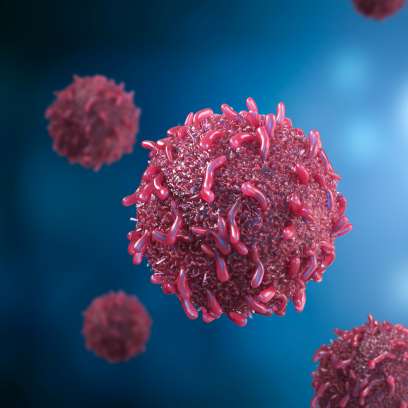
Ayurvedic Treatment for Cancer
Discover safe and effective Ayurvedic treatment for cancer with natural herbs, therapies, and holistic healing. Support your body naturally with Ayurveda.


-
 0
0
 Share
ShareSummarise this article using AI




Introduction
Ayurvedic treatment for cancer emphasizes a holistic approach, combining natural healing methods with conventional care. These treatments focus on the use of medicinal herbs, detoxification techniques, and lifestyle changes to strengthen the body’s immunity and enhance its ability to heal. The goal is to support the body’s natural healing processes and reduce the side effects of traditional treatments.
Panchakarma Therapy or Detoxification (Sanshodhana Chikitsa) for Cancer
The purification therapy i.e Shodhana chikitsa can be used as the supportive therapy in case of cancer for pain management and insomnia in case of cancer patient and along with this it individually by cleansing the body at cellular level also helps to cure and prevent cancers.
Oil massage (abhyanga) and the use of different pastes (lepana) that are formed from various herbs can help to dissolve the tumor but if it is badly necrotic then surgical intervention is needed.
Along with this detoxification of the body by the emetic therapy (Vamana), Purgation therapy (Virechana) purifies and eliminates the Doshas on the cellular level, enhancing the metabolic process which results in completely breaking down the malignant tumor. The panchakarma procedure used in various types of cancers is as follows:
- Rakta Mokshana (Bloodletting therapy)
- Vamana (Emetic therapy)
- Virechana (Purgative therapy)
- Nasya (Nasal medication instillation)
- Basti (Enema)
Ayurvedic Formulations that can be Used for Treating Cancer
- Panchvalkala Kwatha
- Arkeshwara Rasa
- Sarvatobhadra Vati
- Guduchi Satwa
- Shivkshara Pachana Churna
- Gojiwhadi Kashaya
- Triphala Guggulu
- Panchtikat Ghana Vati
Rasayana Formulation can be Used in the Treatment of Cancer
- Ashwagandha Rasayana
- Amritprasha Rasayana
- Chayawanprasha
- Brahma Rasayana
- Triphala Churna
Top 12 Herbs that can be Used to Treat Various Types of Cancer
- Haridra (Curcuma longa)
- Tulsi (Ocimum sanctum)
- Kola (Zizyphus mauritiana)- Badara variety
- Guduchi (Tinospora cordifolia)
- Sadapushpi (Vinca rosea)
- Godhuma (Triticum aestivum)
- Kalonji (Nigella sativa)
- Daru haridra (Berberis aristata)
- Amlaki (Emblica officinalis)
- Kalmegha (Andrographis paniculata)
- Bhumi Amlaki (Phyllanthus niruri)
- Vana Trapusi (Podophyllum hexandrum)

Have A Health Issue?
Consult Online
- Dr. Sahil Gupta (B.A.M.S., M.H.A.)
Renowned Ayurvedic Practitioner
CEO & Founder of IAFA®
Treatment of Cancer – As Per Ayurveda
अर्बुदचिकित्सा(Treatment of Arbuda)
General Treatment of Arbuda (अर्बुद की सामान्य चिकित्सा) – Charaka, Bhaishjya Ratna Vali, Galganda, Gandmala, Apachi, Granthi, Arbuda Adhikaara, 44. 43
ग्रन्थि अर्बुदानाञ्च यतो अविशेषत: | प्रदेश हेत्वा कृति दोष दूष्य: |
तत चिकित्सेद भिषग अर्बुदानि विधान विद ग्रंथि चिकित्सतेन ||
ग्रंथि और अर्बुद इन दोनों रोगों में उत्पति स्थान, निदान, लक्षण, दोष , दूष्य का विचार करने से पर्याय कुछ समानता मिलती है | अतः वैद्य का कर्तव्य है कि वह ग्रंथि रोग के सामान ही अर्बुद रोग कि भी चिकित्सा करे|
Treatment of Vataja Arbuda (वातजअर्बुदचिकित्सा)
Chakra Dutta, Bhaishjya Ratna Vali, Galganda- Gandamala-Apachi- Granthi Arbuda Adhikara. 44/ 44
वातज अर्बुदे चाप्युपनाहनानि
स्निग्धैश्च माँसे रथ वेशवारै: |
स्वेद॑ विदध्यात् कुशलस्तु नाड्या शृङ्गेन रक्त॑ बहुशो हरेच्च ||
वातज अर्बुद रोग में बकरे के निरस्थिमांस को स्निग्ध पदार्थ देकर अच्छी तरह सिद्ध कर लें और उसी सुपक्व एवं उष्ण मांस को वस्त्र में बाँधकर अर्बुद स्थान पर सेंकना चाहिए या वेसवार का उपनाह (पुलटिस) बाँधना चाहिए। इसी प्रकार कुशल वैद्य नाड़ीयन्त्र से उस स्थान का स्वेदन करें तथा श्रृंगी , जलौका आदि द्वारा अनेक बार रक्तमोक्षण करें।
Sushruta Samhita Chikitsa Sthana. 18- 29/ 31
विरेचन॑ धूममुपाददीत भवेच्च नित्यं यवमुद्रभोजी |
कर्कारुकैर्वारक नारिकेल प्रियाल पंच्चांग अंगुल बीज चूर्ण: |
वातार्बुद॑ क्षीरघृताम्बुसिद्धैरुष्णै: सतैलैरुपनाहायेत्तु ।
कुर्याच्च मुख्यान्युपनाहनानि सिद्धश्च मांसैरथ बेसवारै: ||
स्वेद॑ विदध्यात् कुशलस्तु नाड्या शृङ्गेन रक्त॑ बहुशो हरेच्च |
वातघ्न निर्युह पयो अम्ल भागै: सिद्ध शताख्यं त्रिवृतं पिबेद्वा ||
Arbuda produced by Vata should be fomented by applying warm poultices prepared from seeds of kakariki, ervaruka, narikela, Priya, and Panchangula (eranda), similarly important poultices made from masa (meat) or vesavara (mutton broth), the skilled physician should give then, fomentation sudation through Nadi Sweda (steam coming out from tube), remove blood in more quantity using the sucking horn. Then the patient is made to drink Trivrt Sneha (mixture of ghee, oil, and muscle fat) cooked a hundred times with the decoction of Vata mitigating drugs, added with milk and sour liquids (sauviraka, etc).
Treatment of Pittaja Arbuda (पित्तजअर्बुदचिकित्सा)
Chakra Dutta, Bhaishjya Ratna Vali, Galganda- Gandamala-Apachi- Granthi Arbuda Adhikara. 44/ 45
स्वेदोपनाहा मृदवश्च पथ्या: । पित्त अर्बुदे कायविरेचनञ्च ||
पित्तज अर्बुद में थैली में गरम पानी भरकर मृदु सेंक करना चाहिए। तथा काकोल्यादिगण की औषधों को पीसकर लेप लगावें और विरेचन औषधियों द्वारा काय विरेचन करावें।
Chakra Dutta, Bhaishjya Ratna Vali, Galganda- Gandamala-Apachi- Granthi Arbuda Adhikara. 44/ 46
विघृष्य चोदुम्बशाकगोजा पत्रै भृशम क्षोद्र युतै: प्रलिम्पेत |
श्लक्ष्णी कृतै: सर्जरस प्रियंगु पतंग लोध्र अंजन यष्टिकाहे ||
उदुम्बर (गूलर) पत्र, शालपत्र एवं गो जिव्हा पत्र से आर्बुद को रगड़कर राल, प्रियंगु फूल, पतंग, लोध्र, रसांजन और मुलेठी–इन छ: द्रव्यों के सूक्ष्म चूर्ण में मधु मिलाकर लेप करें |
Sushruta Samhita Chikitsa Sthana. 18/ 32- 34
स्वेदोपनाहा मृदुवस्तु कार्या: पित्तार्बदे कायविरेचनं च |
विघृष्य चोदुम्बरशाक गोजीपत्रै भृशम क्षौद्रयुतै: प्रलिम्पेत ||
श्लक्ष्ण कृतै: सर्जरस प्रियंगु पतंग रोध्रा अन्ज्जन यष्टिकाहैः |
विस्राव्य आरग्वधगोजिसोमा: श्यामा च योज्या: कुशलेन लेपे ||
श्यामागिरिद्वाज्नकीरसेषु द्राक्षारसे सप्तलिकारसे च |
घृत॑ पिबेत् क्लीतकसंप्रसिद्ध॑ पित्तारुदी तज्जठरी च जन्तु: ||
In Arbuda produced by pitta, fomentation, applying warm poultices, and purgation to the body should be administered mildly, the tumor should be rubbed with (rough) leaves of udumbara, saka, and gojihva and then a fine paste of sarjarasa, priyangu, pattanga, rodhra, anjana (srotonjana) yastika, aragvadha, gojihva, soma and syama mixed with honey should be applied.
The patient of pittaja arbuda and pittodara should drink medicated ghee prepared with the juice (decoction) of syama, girihva (svetasyanda), anjanaki (nilanjanika phala), draksha and saptalika (Yavatikta) added with the paste of klitaka (yastimadhu).
Treatment of Kaphaja Arbuda (कफजअर्बुदचिकित्सा)
Chakra Dutta, Bhaishjya Ratna Vali, Galganda- Gandamala-Apachi- Granthi Arbuda Adhikara. 44/ 47
लेपनं शंख चूर्णन सह मूलकभस्मना ।
कफार्बुदापहं कुर्याद् ग्रन्थ्यादिषु विशेषतः ||
शंखभस्म और मूलीक्षार या मूलीभस्म (सम भाग ) साथ मिलाकर कफार्बुद में लेप करने से कफज अर्बुद एवं ग्रंथि रोग नष्ट हो जाते हैं।
Sushruta Smahita Chikitsa Sthana. 18/ 35- 36
शुद्धस्य जनतो: कफजे अर्बुदे तु रक्तेज्वसिक्ते तु ततोर्बुदं तत् |
द्रव्याणि यान्य ऊर्ध्वं अधश्च दोषान् हरन्ति तै: कल्कघृतैः प्रदिह्मात् ||
कपोतपारावतविड्विमिश्रः सकांस्यनीलैः शुकलाजलाख्यै: |
मूत्रेस्तु काकादनिमूलमिश्रे: क्षार प्रदिग्धे रथ वा प्रदिह्मात् ||
The patient of Arbuda produced by Kapha Dosha should be administered purificatory therapies first i.e. Shodhana Chikitsa then bloodletting (Rakta Mokshana) and next applied with a poultice (Upnaha) prepared from drugs eliminating the dosas by upward route (emetics) and downward route (purgatives) or a poultice prepared from the excreta of dove and pigeon, kamsya, nila (bronze slag), suka (granthiparni) and langalaka (kalihart), root of kakadani and gomutra should be applied warm on the tumor.
Sushruta Samhita Chikitsa Sthana. 18/ 37- 38
निष्पाव पिण्याक कुलत्थ कल्कैर्मासप्रगाढैर्दधिमस्तुयुक्तैः |
लेप॑ विदध्यात् कृमयो यथा अत्र मूर्च्छन्ति मुञ्चन्त्यथ मक्षिकाश्च |
अल्पावशिष्टे कृमिभक्षिते च लिखेत्ततो अग्नि विदधीत पश्चात |
यदल्पमूलं त्रपुताताम्र सीस पटै: समावेष्टय तदायसैर्वा ||
Nispava, pinyaka (molasses), and a paste of kulattha added with more meat and water of curd (whey) made a nice paste (Kalka) and be applied on the tumor so that flies shall swarm to it and krimi (worms/ maggots develop there and eat away the tumor). When only a small remnant (of the tumor) remains after the worms have eaten, the area should be scraped and burnt by fire or if the base (of the tumor) is small it can be kept encircled (for some days) with thin sheets of tin, copper, lead or iron.
Sushruta Samhita Chikitsa Sthana. 18/ 39- 40
क्षाराग्निशस्त्राण्यसकृद्दध्यात् प्राणानहिंसन् भिषगप्रमत्त: |
आस्फोतजातीकरवीरपत्रै: कषायमिष्ट॑ व्रणशोधनार्थम् ||
शुद्ध च तैल॑ विदधीत भार्गी विडंग पाठात्रिफला विपक्वं |
यदृच्छया चोपगतानि पाकं पाकक्रमेणोपचरेद्विधिज्ञ: ||
The physician should apply caustic alkali, fire (thermal cautery), and Sashtra (sharp instruments) many times without any hesitation and not harming the strength of the person. The decoction of leaves of asphota, jati, and karavira is ideal for cleansing the wound. After it becomes clear, oil boiled with bharngi, vidanga, patha, and triphala is used (for healing). If the tumor becomes ripe on its own accord, then the physician well versed in the procedure should treat it like a ripened tumor.
Treatment of Medaja Arbuda (मेदोर्बुदचिकित्सा)
Sushruta Samhita Chikitsa Sthana 18/ 41- 42
मेदो अर्बुदम स्विन्नमथो विदार्य विशोध्य सीव्येद्रतरक्तमाशु |
ततो हरिद्रागृहधूम रोध्र पतंग चूर्णै: समन: शिलालै: ||
व्रण प्रति ग्राह्य मधुप्रगाढै: करंज तैलं विदधीत शुद्धे |
Arbuda produced by medas (fat), should be fomented first, then cut open, cleaned of the blood and sutured quickly. Then the wound is sprinkled with a powder of Haridra, srhadhuma, rodhra, pattanga, manahsila and ala. Next Karanja taila is added with more honey and should be applied to cleanse the wound.
Classical Ayurvedic Formulation for Cancer (Arbuda)
Bhaishjya Ratna Valli, Galganda- Gandamala-Apachi-Granthi Arbuda Adhikara. 44/ 48- 50
निष्पाव पिण्याक कुलथ कल्के मांसं प्रगाढं दधिम आदित्तस्तु | लेप्म विद्यात कृमयो यथा अत्र मुञ्च अन्त्य अपत्या अन्यथ मक्षिकाश्च || अल्पावशिष्ट॑ कृमिभि: प्रजग्धं लिखेत्ततो अग्निम विदधीत पश्चात | यदल्पमूलं त्रपु ताम्र सीसे: | संवेष्ट्य पत्रैरथवा आयसैरवा || क्षाराग्निशस्त्राण्यवतारयेच्च मुहुर्मुहुः प्राणमवेक्षमाण: यदृच्छया चापगतानि पाकं पाक क्रमेण उपचरेद यथो उक्तं ||
राजमाष (सेमप्रजातीय), तिल की खली, कुलत्थ इन्हे समभाग में लेकर सिल पर पीसकर कल्क बना ले| बकरे का निरस्थिमांस कुलथ के बराबर लें । इसे भी कल्क के साथ पीसें और दही मिलाकर अच्छी तरह से मथकर अर्बद स्थान पर गाढा लेप करें तथा उसे एक दिन तक लगा रहने दें । तब उसमे सडन पैदा होने से कृमियाँ उत्पन्न होंगीं जिससे वहाँ पर मखियाँ बैठकर अपने अंडे छोड़ देंगी । इस प्रकार कृमि और मखियाँ अर्बुद के सड़े मांस को खाने लगेंगी । कृमि एवं मखियाँ अवशिष्ट छोड़े गये सड़े मांस को शास्त्र कर्म द्वारा खुरचकर निकाल दें तथा प्रतप्त शलाका द्वारा अग्निं कर्म क्र दूषित मांस को जला देना चाहिए । ऐसा करने के बाद में यदि अर्बुद का भाग शेष रह जाय तो उस अर्बुद ग्रसित भाग पर वांग, नाग, ताम्र या लौहपत्र बाँध देना चाहिए । अथवा यदि रोगी सबल हो तो उसके प्राणों की रक्षा करते हुए अवशिष्ट अर्बुद के विनाशनार्थ क्षार, आग्नि एवं शस्त्र क्रिया का प्रयोग करना चाहिए |यदि अर्बुद का पाक स्वयं हो जाय तो उसकी चिकित्सा पाटन शोधन आदि कर्मो द्वारा करनी चाहिए |
Bhaishjya Ratna Valli, Galganda- Gandamala-Apachi-Granthi Arbuda Adhikara. 44/ 52
उपोदिका रस प्रयोग
उपोदिका रसाभ्यक्ता स तातपत्र परिवेष्टिता: |
प्रणश्य अन्त्य चिरा नृणाम पीड़िका अर्बुद जातय ||
उपोदिका के स्वरस (पोइ के स्वरस) का लेप करने से तथा उसके पात्र को अर्बुद पीड़िका पर भांधने से दोनों रोग नष्ट हो जाते है |
Bhaishjya Ratna Valli, Galganda- Gandamala- Apachi- Granthi Arbuda Adhikara. 44/ 53
उपोदिका उपनाह
उपोदिका काञ्जिक तकर पिष्टा तयोपनाहो लवणे मिश्र: |
दृष्टो अर्बुदानाम प्रश्माय कैश्चिद दिने दिने रात्रिषु मर्म जानाम् ||
उपोदिका के पत्ते को कांजी तथा तक्र में पीसकर कटोरी में गरम करें और उसमें सैन्धवलवण मिलाकर अर्बुद पर रात्रि एवं दिन में भी सुहाता-सुहाता लेप करें। इससे मर्म स्थान पर उत्पन्न हुए अर्बुद भी नष्ट हो जाते हैं।
Chakra Dutta, Bhaishjya Ratna Valli, Galganda- Gandamala- Apachi- Granthi Arbuda Adhikara. 44/ 54
अर्बुदहर दो योग
लेपो अर्बुद जिद्रम्भ मोचकभस्मतुष शंख चूर्णकृतः |
सरटरुधिराद्र गन्धक यावाग्रजविडड्रनागौरवाथ ||
- केले के कन्द की राख (भस्म)
- मोचरस की राख
- धान की भूसी
- शंख भस्म- इन्हें समान भाग में लेकर कांजी और तक्र में पीसें और गरम करके अर्बुद पर लेप करें। इससे अर्बुद नष्ट हो जाता है। गन्धक, यवक्षार, वाय विडंग, सौंठ इन चारों द्रव्यों को समभाग में लेकर गिरगिट के रक्त के साथ पीसकर लेप करने से अर्बुदरोग नष्ट हो जाता है।
Chakra Dutta, Bhaishjya Ratna Valli, Galganda- Gandamala- Apachi- Granthi Arbuda Adhikara. 44/ 55
स्नुही आदि स्वेद
स्नुह्दीगण्डीरिकास्वेदो नाशयेदर्बुदानि च ।
सीसकेनाथ लवणैः पिण्डारकफलेन च ||
कांटे दार स्नुही (दण्डाकृति स्नुही ) के काँटे को निकालकर दण्ड के छोटे-छोटे टुकड़े कर सिल पर पीस लें। इन्हें गीले कपड़े में लपेटकर कपड़ मिट्टी करें तथा लघुपुट में पाक करें। आग शान्त होने पर गरम पिण्ड को निकाल लें। मिट्टी एवं कपड़े आदि पदार्थों को हटाकर गरम-गरम कल्क का अर्बुद पर लेप करें और कपड़े से बाँध दें। अथवा सीस धातु के पत्र को गरम कर अर्बुद पर बाँधने से अर्बुद नष्ट हो जाता है। गरम लवण की पोटली से अर्बुद को सेंकने पर अर्बुद नष्ट हो जाता है। या मैन फल बीज को पीसकर कल्क बना लें। इसे गरम कर अर्बुद पर बाँधने से अर्बुद नष्ट हो जाता है।
Bhaishjya Ratna Valli, Galganda- Gandamala- Apachi- Granthi Arbuda Adhikara. 44/ 56, Chakra Dutta
हरिद्रादि लेप
हरिद्रा लोध्र पतंग गृहधूम मनःशिलाः।
मधुप्रगाढो लेपो अयं मेदो अर्बुद हर: पर:।।
हल्दी, लोध्रत्वक, पीतचन्द्न, गृहधूम तथा मन:शिला (समभाग) लें। उपर्युक्त द्रव्यों का चूर्ण कर महीन छन्नी से छान लें और काचपात्र में संग्रहीत करें। आवश्यकतानुसार इस चूर्ण को मधु के साथ मिलाकर मेदोज अर्बुद पर लेप करें। इससे मेदोज अर्बुद नष्ट हो जाता है। शर्करा अर्बुद रोग में भी मेदज अर्बुद जैसी चिकित्सा करनी चाहिए।
एतामेव क्रियां कुर्यादशेषां शर्करा अर्बुदे।।
ग्रंथि और अर्बुदरोग में कही गई चिकित्सा पूर्णरूप से शर्करार्बुद में भी करनी चाहिए ।
Bhaishjya Ratna Valli, Galganda- Gandamala- Apachi- Granthi Arbuda Adhikara. 44/ 58- 59
रौद्र रस
शुद्ध सूत॑ समं गन्धं मर्द यामचतुष्यम्।
नागवल्लीदलयुत॑ मेघनादपुनर्नवा।।
गोमूत्र पिप्पलीयुक्त॑ मार्घ्यं रुद्ध्वा पुटेल्लघु।
लिहेत् क्षौद्रसो रौद्रो गुंज्ज मात्रो अर्बुदम जयेत्।।
शुद्ध पारद तथा तथा शुद्ध गन्धक (समभाग) लें।
भावना– ताम्बूल पत्र स्वरस, चौराई स्वरस (मेघनाद), पुनर्नवामूल क्वाथ, गोमूत्र और पिप्पली क्वाथ लें। सर्वप्रथम एक बड़े खरल में पारद एवं गन्धक को एक साथ मिलाकर दृढ़ मर्दन करें। अच्छी कज्जली बनने पर ताम्बूलस्वरस की भावना देकर १२ घण्टे तक मर्दन करें। इसी प्रकार चौराई, पुनर्नवाक्वाथ, गोमूत्र एवं पिप्पलीक्वाथ से भी १२-१२ घण्टे तक भावना देकर मर्दन करें तथा सूखने पर काचपात्र में संग्रहीत करें। इसे १२५ मि.यरा. की मात्रा में मधु के साथ खाने से आर्बुद रोग नष्ट हो जाता है।
मात्रा– १२५ मि ग्राम
अनुपान– मधु से
गन्ध– गोमूत्र गन्धी
वर्ण– कृष्ण
स्वाद– तीक्ष्ण, कटु
उपयोग– अर्बुद
Bhaishjya Ratna Valli, Galganda- Gandamala- Apachi- Granthi Arbuda Adhikara. 44/ 34
हिंस्रादिलिप
हिंस्त्रा सरोहिण्यमृता अथ भार्गी।
श्योणाक बिल्वागुरु कृष्णगन्धा:।
गोपित्तपिष्ट: सह तालपर्ण्या
ग्रंथो विधेयो अनिलजे प्रलेपः।।
कण्टकारीमूल, कटुकी, गुड्ची, भारंगी, सोनापाठा, बिल्वत्वक्, अगरु, सहिजन की छाल, और मुसली (समभाग) लें। उपर्युक्त ९ औषधियों का सूक्ष्म चूर्ण कर लें। एक खरल में रखकर गोपित्त की भावना दें और चूर्ण कर काचपात्र में संग्रहीत करें। जल के साथ इस औषधि को घोलकर वातज ग्रंथि पर लेप करने से ठीक हो जाती है।
Bhaishjya Ratna Valli, Galganda- Gandamala- Apachi- Granthi Arbuda Adhikara. 44/ 40, Chakra Dutta
मातृवाहक कीट लेप
ग्रन्थि अर्बुदादिजिल्लेपो मातृवाहककीटजः।।
अन्थि, अर्बुद आदि रोगों को नाश करने के लिए मातृवाहक कीट का लेप करना चाहिए।
Chakra Dutta, Bhaishjya Ratna Valli, Galganda- Gandamala- Apachi- Granthi Arbuda Adhikara. 44/ 41
स्वर्जिकादिलेप
स्वर्जिकामूलकक्षार: शंख चूर्ण समन्वितः।
प्रलेपो विहितस्तीक्षणो हन्ति ग्रन्थ्यर्बुदादिकान्।।
सज्जीक्षार, मूलीक्षार और शंख चूर्ण -तीनों को समभाग में मिलाकर मर्दन करें और काचपात्र में संग्रहीत करें। जल में मिलाकर इसे ग्रंथि और अर्बुद पर लेप करने से ग्रंथि , अर्बुदादि रोग नष्ट हो जाते हैं।
Bhaishjya Ratna Valli, Galganda- Gandamala- Apachi- Granthi Arbuda Adhikara. 44/ 78- 79, Chakra Dutta
गुन्न्जाद्य तैल
गुञ्जज्जाहयारिश्यामार्क सर्षपैमूत्रसाधितम्।
तैलन्तु दशधा पश्चात्कणा लवण पंचके |
मरिचैश्चूर्णितैयुंक्त॑ सर्वावस्थागतां जयेत्।
अभ्यंगादपचीं नाडीं वल्मीकार्श अर्बुद व्रणान्।।
तिलतैल १ लीटर, गोमूत्र १ लीटर, गुन्जजा मूल ५० ग्राम, कनेर मूल ५० ग्राम, अनन्तमूल ५० ग्राम, अर्कमूल ५० ग्राम और सरसोंबीज ५० ग्राम लें। सर्वप्रथम तिलतैल का मूर्च्छन करें। फिर गूंजा से सर्षप पर्यन्त सभी द्रव्यों का सूक्ष्म चूर्ण कर लें तथा जल के साथ सिल पर पीसकर कल्क बना लें और मूर्च्छित तैल में मिला दें। १ लीटर गोमूत्र देकर मन्दाग्नि में पाक करें। गोमूत्र के कारण तैल में अधिक फेनोदगम होता है। अत: गोमूत्र थोड़ा-थोड़ा देकर तैल पाक करें। सावधानी मै से इस तैल का पाक करना चाहिए। कल्क का सम्यक् पाक करने के लिए तैल के बराबर जल देकर यहाँ पर पाक करना चाहिए। जलीयांश सूखने पर स्नेहपाक-परीक्षोपरान्त चूल्हे से तैल पात्र उतार लें तथा कपड़े से छान लें। एक बार सुपाचित इस तैल को पूर्ववत् घटकों से पुनः पुन: १० बार पाक करना चाइये | तैल में १०० लीटर गोमूत्र देना चाहिए। १०वीं बार इस तेल का जब अन्तिम पाक करें तो तैल को छानने के बाद निम्नलिखित प्रक्षेप द्रव्यों का सूक्ष्म चूर्ण इस तेल में अच्छी तरह से मिला देना चाहिए।
प्रक्षेप – पीपर, सैन्धवलवण, समुद्र लवण, विडलवण, औद्धिल्लवण और मारीच प्रत्येक १२ ग्राम ले। प्रक्षेप को मिलाने के बाद काच पात्र में तेल को संगृहीत करें। तैल के अभ्यंग से अपचि, नाड़ी व्रण, वाल्मीक, अर्श, अर्बुद और व्रण नष्ट होते है।
मात्रा – यथा आवश्यक
गंध – तीव्र जो मूत्र गाँधी
वर्ण स्वरूप – यह तेल कथै रंग का एवं गाढ़ा होता है।
उपयोग – नाड़ी व्रण, अर्बुद, व्रण
Diet for Cancer Patients
- Keto diet
- Plant-based protein.
- Anti-inflammatory diet
- Polyphenol-rich diet
- Omega-3-fatty acid diet
- Mediterranean diet
- DASH diet
- Green tea
- Vitamin-d in the diet
- Probiotics use.
Food to Avoid in Cancer
- Avoid overconsumption of calories in food intake.
- Unpasteurized juice, yogurt, milk.
- Watermelon and other melons like cantaloupe increased the risk of listeria contamination.
- Sashimi, Sushi, and other fish that are high in mercury, smoked fish.
- Undercooked or raw egg.
- Reheated food specifically starchy food like rice, pasta,
- Dry, uncooked salami
- Raw sprouts should not be taken like alfa- alfa sprouts.
- Alcohol
- Charred meat
- Processed food
- Limit the red meat in your diet.
- Nitrite-preserved food should be avoided.
- Refined carbohydrates
- Processed meat
- Overcooked food
- Smoking
Gem Therapy for Cancer Patients
- Tiger’s eye gemstone for leukemia, lung cancer, lymphoma.
- Emerald (Panna) for skin and bladder cancer
- Hessonite (Gomeda) for blood cancer (leukemia) along with Manikya (ruby), Moonga (coral stone), and lehsunia (cat’s eye stone) as per the planet involved.
- Rose quartz gem for thymus, lung, and breast cancer.
- Sapphire (Neelam) is also worn as per planet involvement to prevent cancer diseases.
Frequently Asked Questions
Q1. What is Ayurvedic Treatment for Cancer and How does it Work?
Ans. Ayurvedic treatment for cancer focuses on a holistic healing approach that combines herbal medicines, detoxification therapies like Panchakarma, and lifestyle modifications. It aims to strengthen immunity, balance the body’s doshas (Vata, Pitta, Kapha), and support the body’s natural ability to heal while reducing the side effects of conventional cancer treatments.
Q2. What is Panchakarma Therapy and How does it Help Cancer Patients?
Ans. Panchakarma is a detoxification therapy in Ayurveda that includes procedures like Vamana (emesis), Virechana (purgation), Basti (enema), Nasya (nasal therapy), and Rakta Mokshana (bloodletting). It helps eliminate toxins from the body, improve metabolism, reduce symptoms like pain and insomnia, and may support overall cancer management.
Q3. Which Ayurvedic Herbs are Commonly Used in Cancer Treatment?
Ans. Some commonly used Ayurvedic herbs for cancer support include Haridra (Turmeric), Tulsi, Guduchi, Amlaki, Kalmegha, and Ashwagandha. These herbs are known for their anti-inflammatory, antioxidant, and immune-boosting properties, which may help in supporting cancer care.
Q4. What Diet is Recommended for Cancer Patients in Ayurveda?
Ans. Ayurveda recommends a nutrient-rich diet for cancer patients, including plant-based proteins, anti-inflammatory foods, omega-3 fatty acids, probiotics, and polyphenol-rich foods. Diets like Mediterranean and DASH are also beneficial. Green tea and vitamin D-rich foods are encouraged, while processed foods, alcohol, red meat, and refined carbohydrates should be avoided.
Q5. Can Ayurvedic Treatment Cure Cancer Completely?
Ans. Ayurvedic treatment primarily supports cancer care by improving quality of life, boosting immunity, and reducing side effects of conventional treatments. While it may help in prevention and supportive management, it should be used alongside modern medical treatments, especially in advanced or aggressive cancer cases.
Seek Expert Advice
At IAFA Ayurveda, we offer safe and effective herbal solutions rooted in ancient Ayurvedic principles for cancer treatment. Our approach focuses on natural healing by strengthening the body’s immunity and addressing the root causes of the disease. We provide personalized treatment plans tailored to your unique health needs, combining the power of herbs with holistic therapies. Our experienced Ayurvedic practitioners are dedicated to supporting you throughout your healing journey.
Book your appointment today for a consultation and begin your path to better health with a customized alternative treatment plan designed for your well-being.
Recent Research on the Above-Mentioned 12 Ayurvedic Herbs Shows Satisfactory Results in Cancer Management
- Ahmad, Rumana & Srivastava, A & Mohsin, Ali & Khan, (2015). Evaluation of in vitro anticancer activity of stem of Tinospora cordifolia against human breast cancer and Vero cell lines. 3. 33- 37. Tinospora cordifolia, also known as Giloy, Guduchi, or Amrita, is used in the treatment of various diseases in the traditional medicinal system in India and is also an immune system modulator. In the current study, in vitro cytotoxic activity of 50 % methanolic extract of stem of Tinospora cordifolia was evaluated against human breast cancer cell line MDA- MB- 231 and normal Vero epithelial cell line. Methanolic extract of Tinospora cordifolia showed significant anticancer activity against the MDA- MB- 231 human breast cancer cell line. IC50 values of TC methanolic extract concerning MDA- MB- 231 were found to be 59 ± 4.05 μg/ ml in 0.25 % DMSO and 50± 2.01 μg/ ml in 0.5 % DMSO. Methanolic extract of Tinospora cordifolia was shown to possess cytotoxic activity against human breast cancer cells. The methanolic extract would be studied further for isolation and characterization of active components for lead optimization studies.
- Mohan, Vandana & Koul, Ashwani. (2018). Anticancer potential of Tinospora cordifolia and arabinogalactan against benzo(a) pyrene-induced pulmonary tumorigenesis: A study in relevance to various biomarkers. Journal of HerbMed Pharmacology. 7. 225- 235. 10. 15171/ jhp. 2018. 35. Aqueous Tinospora cordifolia stem extract (Aq. Tc) and arabinogalactan (AG), its bioactive polysaccharide, which are antioxidant remedies were evaluated on pulmonary cancer and associated tumor markers. Methods: Mice were randomly segregated into 6 groups. Group I: animals served as control. Group II: animals which were administered Aq.Tc extract (200 mg/ kg, orally), thrice a week. Group III: animals that received AG (7.5 mg/ kg, orally) thrice a week. Group IV: animals which were instilled with benzo(a)pyrene (B(a)P) (50 mg/ kg, orally) twice within 2 weeks. Group V: animals that received Aq.TC extract as in group II, along with B(a)P after 2 weeks of Aq. Tc administration. Group VI: animals that received AG as in group III along with B(a)P after 2 weeks of AG administration. Results: As expected, B(a) P-treated mice exhibited high tumor incidence and multiplicity with a concomitant increase in serum/plasma markers like carcinoembryonic antigen (CEA), circulating tumor DNA (ctDNA), lactate dehydrogenase (LDH) and tumor necrosis factor. However, Aq.TC and AG supplementation to B(a)P abused animals significantly attenuated these parameters at different stages of cancer, depicting their anti-cancer effects in lung carcinogenesis. Also, treatment of Aq. Tc and AG to tumor-bearing mice reduced the degree of histopathological alterations as compared to B(a) P-installed mice. The apoptotic index in the case of Aq.TC and AG-fed mice treated with B(a)P were higher as compared to only B(a) P-treated mice. Further, it was observed that Aq. TC could induce a higher degree of apoptosis when compared to the AG group, suggesting Aq.TC as a more effective modulator of tumorigenesis. Conclusion: Overall, these findings substantiate the chemopreventive potential of Aq. Tc and AG against lung tumorigenesis. Aq.TC was found to be more effective than AG in modulating the process of lung carcinogenesis as reflected by various observations.
- Bala, Manju & Pratap, Kunal & Verma, Praveen & Singh, Bikram & Padwad, Yogendra. (2015). Validation of ethnomedicinal potential of Tinospora cordifolia for anticancer and immunomodulatory activities and quantification of bioactive molecules by HPTLC. Journal of Ethnopharmacology. 175. 131- 137. 10.1016/j.jep.2015.08.001. Tinospora cordifolia (Willd.) Miers ex Hook. f. & Thomas. (Menispermaceae) is one of the most widely used plants in various traditional medicinal systems including “Ayurveda”. The plant is used for the treatment of jaundice, rheumatism, urinary disorders, skin diseases, diabetes, and anemia. The phytoconstituents present in the plant belong to a different class of compounds such as alkaloids, diterpenoids lactones, glycosides, steroids, phenol, aliphatic compounds, and polysaccharides. The aim of the present study was the isolation, structure elucidation, quantification, and pharmacological evaluation of secondary metabolites from Tinospora cordifolia for anticancer and immunomodulatory activities. Different extracts and fractions were prepared from the stem of Tinospora cordifolia. Pure molecules were isolated using normal phase chromatography and characterized based on NMR and mass spectroscopic techniques. The anti-cancer and immunomodulatory activities of different extracts, fractions, and isolated compounds were evaluated against four different human cancer cell lines, KB (human oral squamous carcinoma), CHOK-1 (hamster ovary), HT-29 (human colon cancer) and SiHa (human cervical cancer) and murine primary cells respectively. A simple, normal-phase HPTLC method was also developed for the quantification of three bioactive compounds i.e N-formylannonain (1), 11- hydroxymustakone (5), and yangambin (8) in the stem of Tinospora cordifolia hosted on fifteen different plants. Chromatographic purification of different fractions led to the isolation of eight pure molecules i.e N- formylannonain (1), magnoflorine (2), jatrorrhizine (3) palmatine (4), 11-hydroxymustakone (5), cordifolioside A (6), tinocordiside (7) and yangambin (8). All extracts and fractions were active against KB and CHOK-1 cells whereas among the pure molecules palmatine (4) was found to be active against KB and HT-29; tinocordiside (7) against KB and CHOK-1, yangambin (8) against KB cells however N-formylannonain (1) and 11-hydroxymustakone (5), was found active for immunomodulatory activity. HPTLC quantification of three active molecules i.e N-formylannonain (1), 11- hydroxymustakone (5), and yangambin (8) were found in the highest quantity in the stem of Tinospora cordifolia hosted on Mangifera indica, however, other two active molecules were not quantified due to their insufficient quantity. Eight compounds have been isolated and characterized as belonging to different classes. The pharmacological evaluation of extract, fractions, and pure molecules revealed the ethnomedicinal value of Tinospora cordifolia for anticancer and immunomodulatory activities.
- Palmieri, Annalisa & Scapoli, Luca & Iapichino, Anastasia & Mercolini, Laura & Mandrone, Manuela & Poli, Ferruccio & Giannì, Aldo & Baserga, Camilla & Martinelli, Marcella. (2019). Berberine and Tinospora cordifolia exert a potential anticancer effect on colon cancer cells by acting on specific pathways. International Journal of Immunopathology and Pharmacology. 33. 205873841985556. 10. 1177/ 2058738419855567. Berberine (BBR) is a natural active principle with potential antitumor activity. The compound targets multiple cell signalling pathways, including proliferation, differentiation, and epithelial– mesenchymal transition. This study aimed to elucidate the mechanisms behind the anticancer activity of BBR by comparing the effects of purified BBR with those of the extract of Tinospora cordifolia, a medicinal plant that produces this metabolite. The expression levels of a panel of 44 selected genes in the human colon adenocarcinoma (HCA-7) cell line were quantified by real-time polymerase chain reaction (PCR). BBR treatment resulted in a time- and dose-dependent downregulation of 33 genes differently involved in cell cycle, differentiation, and epithelial–mesenchymal transition. The trend was confirmed across the two types of treatment, the two time points, and the different absolute dosages of BBR. These findings suggest that the presence of BBR in T. cordifolia extract significantly contributes to its antiproliferative activity.
- Ali, Huma & Dixit, savita. (2013). Extraction Optimization of Tinospora cordifolia and Assessment of the Anticancer Activity of Its Alkaloid Palmatine. TheScientificWorldJournal. 2013. 376216. 10. 1155/ 2013/ 376216. Objective: To optimize the conditions for the extraction of alkaloid palmatine from Tinospora cordifolia by using response surface methodology (RSM) and study its anticancerous property against 7, 12- dimethylbenz (a) anthracene (DMBA) induced skin carcinogenesis in Swiss albino mice. Methods: The effect of three independent variables, namely, extraction temperature, time, and cycles was investigated by using a central composite design. A single topical application of DMBA (100 μg/100 μL of acetone), followed 2 weeks later by repeated application of croton oil (1% in acetone three times a week) for 16 weeks, exhibited 100 percent tumour incidence (Group 2). The highest yield of alkaloids from Tinospora cordifolia could be achieved at 16 hours of extraction time under 40°C with 4 extraction cycles. Alkaloid administration significantly decreases tumor size, number, and the activity of serum enzymes when compared with the control (Group 2). In addition, depleted levels of reduced glutathione (GSH), superoxide dismutase (SOD), and catalase and increased DNA damage were restored in palmatine-treated groups. Conclusion: The data of the present study indicate the anticancer potential of palmatine alkaloids in DMBA-induced skin cancer models in mice.
- Patil, Shankargouda & Ashi, Heba & Hosmani, Jagadish & Almalki, Abdulrahman & Alhazmi, Yaser & Mushtaq, Shazia & Parveen, Sameena & Baeshen, Hosam & Varadarajan, Saranya & Raj, A. Thirumal & Patil, Vikrant & Vyas, Nishant. (2021). Tinospora cordifolia (Thunb.) Miers (Giloy) inhibits oral cancer cells in a dose-dependent manner by inducing apoptosis and attenuating epithelial-mesenchymal transition. Saudi Journal of Biological Sciences. 28. 10. 1016/ j. sjbs. 2021. 04. 056. Tinospora cordifolia (Thunb.) Miers (Giloy) has been applied successfully as an anti-inflammatory, anti-diabetic, and even an anti-cancer agent. Yet, to date, the application of Giloy has not been explored concerning oral cancer. Objectives: To assess the effect of T cordifolia (Thunb.) Miers (Giloy) extract (TcE) on an oral cancer cell line. Methods: AW13516 (oral cancer cell line) cells were treated with the prepared aqueous extract of TcE for 24 hours at various concentrations ranging between 5 ug/ ml and 100 ug/ ml and compared with control (cells without treatment). The effect of the extracts on apoptosis was assessed through Annexin V flow cytometry assay and Luminometry-based assessment of Caspase 8, 9, and caspase 3/7 activity. RNA was isolated from treated cells and gene expression of selected metastatic genes (MMP1, MMP10, and CXCL8 ); epithelial-mesenchymal stem cell genes (TWIST1, SNAIL, ZEB1) and stemness-related genses (Nanog, Sox2) were analyzed by using a quantitative real-time PCR system. The experiments were performed in triplicates. Results: Aqueous extract of TcE was found to induce apoptosis inducer in AW13516 cells in a concentration-dependent manner and was potent even at a low concentration of 5 ug/ml. The apoptosis induction was confirmed with the caspase activity assay. Treatment of the cells with the extract for 24 hours exhibited a significant decrease in the expression of EMT genes in a dose-dependent manner without an effect on the metastatic genes. Conclusion: Aqueous extract of TcE induces apoptosis-mediated cell death in the oral cancer cell line AW13516 while attenuating its potential for epithelial-mesenchymal transition.
- Hattarki, Sanjeevini & Bogar, Chetana & Bhat, Kishore. (2020). Triticum aestivum (wheatgrass) Exhibited Anticancer Activity in the Oral Cancer (KB) Cell Line. International Journal of Pharma Research and Health Sciences. 8. 3220- 3224. 10. 21276/ ijprhs. 2020. 05. 01. Objective: Currently oral cancer is the sixth most common cancer in the world with a quarter of the world’s burden being borne by India. Wheatgrass, traditional medicine is used worldwide to treat various ailments, with its anticancer activity being reported on a few cell lines like Hep2, Hela, and K562. Aim: This study aimed to evaluate the anticancer and cytotoxic activity of WG on oral cancer (KB) cells and mouse embryonic cells (NIH3T3) respectively. Methods and Material: Standard KB and NIH3T3 cell lines were procured. Ethanol extract of freshly grown WG was prepared in our laboratory and commercially available powder of WG was also procured. Anticancer activity on KB cells and cytotoxic activity on NIH3T3 cells were evaluated by MTT assay with the two forms of WG. Statistical analysis used: Statistical analysis was performed by using Spearman’s coefficient correlation to correlate the concentration of extract and cell inhibition. Results: WG exhibited inhibition of KB cells in a dose-dependent manner with an IC50 value of 156 μg/ ml and was non-toxic on NIH3T3 cells. Conclusion: WG showed anticancer activity on KB cells and therefore can be considered for further studies on animals and eventually on human beings.
- Patel, Janki. (2016). ANTICANCER & CYTOTOXIC POTENTIAL OF AQUEOUS EXTRACT OF TRITICUM AESTIVUM ON HELA CELL LINE. Journal of Drug Delivery and Therapeutics. 6. 10. 22270/ jddt. v6i3. 1211. The objective of the study was to analyze the anticancer properties of the leaves of Triticum aestivum on HeLa cells. The Indian medicinal plant Triticum aestivum which is used in traditional medicine for cancer and non-cancerous diseases was collected. The crude aqueous extract was prepared by using standard protocols. The antiproliferative effect of the aqueous extract was evaluated in vitro by employing an MTT assay. The potency of each plant extract concentration was calculated in terms of the percent cell inhibition of VERO and HeLa cells. The extract showed dose-dependent anticancer activity on the cancer cell line i.e. HeLa cell line while the extract did not show any cell toxic potential to the normal cell line i.e., the Vero cell line. The MTT assay showed an anti-proliferative activity (IC50) for the HeLa cell line at 133.6 μg/ ml of crude extract.
- Tandon, Simran & Arora, Amrita & Singh, Sonali & Monga, Jitender & Arora, Shagun. (2011). Antioxidant Profiling of Triticum aestivum (wheatgrass) and its Antiproliferative Activity In MCF-7 Breast Cancer Cell Line. Journal of Pharmacy Research. 4. The present study was undertaken to put forward the scientific evidence of wheatgrass as an alternative therapy to treat cancer. The aim was to investigate the antiproliferative effects of wheatgrass extract on the selected model of breast cancer cells i.e., MCF-7 cell line, and the effect of extraction medium and sample preparation on total antioxidant capacity (TAC) of wheatgrass plant. Antioxidant properties of different wheatgrass extracts were studied by estimating Total Phenol Content (TPC), DPPH ((1, 1- diphenyl- 2- picrylhydrazyl), and FRAP (Ferric reducing antioxidant power) Assay. Significant antiproliferative effects and cell death were observed in a dose-dependent manner of wheatgrass extract on MCF-7 cells. The results indicate that the TAC of the samples processed with the step procedure is more substantial as compared to the two-step procedure and three-step procedure. The best results were obtained when the one-step procedure for sample preparation and 70 % ethanol (ethanolic) as an extracting agent were applied. Thus, this study provides preliminary data about the anticancer activity of wheatgrass extract and its potential to be considered as an anticancer agent.
- Adhiya, Jinal. (2017). Investigation of cytotoxic activity of Triticum aestivum (Wheatgrass). Triticum aestivum is also known as wheat grass which is rich in antioxidants and flavonoids. Due to high antioxidant content and enzyme superoxide dismutase (SOD) which converts dangerous free radical reactive oxygen species into hydrogen peroxide having extra oxygen molecules to kill cancer cells. This study aimed to elucidate the in-vitro cytotoxic activity of Triticum aestivum. The cytotoxic activity of the Triticum aestivum extracts was evaluated with the in-vitro hemolytic assay and brine shrimp lethality (lethality assay). In the hemolytic study, the absorbance of the liberated hemoglobin is checked using a UV spectrophotometer and, in the lethality, assay the % mortality was checked by counting the viable nauplii at different time intervals. The Triticum aestivum extracts have shown significant cytotoxic action in the hemolytic assay as well as in the lethality assay. The concentration-dependent cytotoxic activity was observed. 1000 mcg/ ml has shown the highest potency. An In-vitro cytotoxic hemolytic study for the methanolic extract of Triticum aestivum showed a concentration-dependent increase in erythrocytes which supports the cytotoxic action of Triticum aestivum. Concerning the effect of the time of exposure, in the lethargy test the highest percentage of toxicity was detected at 12 h or 24 h of exposure. Triticum aestivum could be attributed to the presence of phytochemicals in suitable form. So, it can be the next better, safer, and cheaper herbal alternative in the management of chronic diseases like cancer.
- Rajoria, Anand & Mehta, Archana & Mehta, Pradeep & Ahirwal, Laxmi & Shukla, Shruti & Bajpai, Vivek K.. (2017). Evaluation of antiproliferative and hepatoprotective effects of wheatgrass (Triticum aestivum ). Acta Biologica Hungarica. 68. 150- 161. 10. 1556/ 018. 68. 2017. 2. 3. This study was aimed to evaluate the pharmacological potential of various extracts (hexane, chloroform, methanol, and aqueous) of dried shoots of Triticum aestivum (wheatgrass) in terms of antiproliferative and hepatoprotective potential of T. aestivum. The total chlorophyll content in dried shoots of T. aestivum was 0.54± 0.016 g/ L (chlorophyll-a: 0.288± 0.05 g/ L; and chlorophyll-b; 0.305±0.05 g/L), while total carotene content was 0.42± 0.066 g/ L. In addition, the chloroform extract of dried shoots of T. aestivum (250 (tg/ mL) exhibited an 87.23% inhibitory effect with potent cytotoxicity against the human hepatocellular carcinoma (HepG2) cancer cell line. Moreover, chloroform and methanol extracts significantly reduced the levels of SGOT, and SGPT enzymes, as well as total bilirubin content, while raising the level of total protein in a concentration-gradient manner, confirming the potent hepatoprotective effect of T. aestivum. A possible mechanism of apoptosis of the chloroform extract of dried shoots of T. aestivum in terms of its potent antiproliferative activity against the HepG2 cancer cell line can also be proposed in this study. Our findings demonstrate that T. aestivum has a significant pharmacological potential that might be used for antiproliferative and hepatoprotective purposes.
- AH, Irshad & Ahmad, S. & Noor, Farida & Fahelboum, Ibrahim & Awen, Bahlul. (2010). Anticancer activity of Vinca Alkaloids. Vinca alkaloids (Vinblastine, Vincristine, and Vinorelbine) are derived from periwinkle plants, catharanthus roseous frequently known as Vinca rosea Linn. They are dimeric compounds in which indole and dihydroindole nuclei are joined together with other complex ring systems. Many biochemical effects are seen after exposure of cells and tissues to the vinca alkaloids viz; disruption of microtubules, inhibition of protein and nucleic acid synthesis, elevation of oxidized glutathione, alteration of lipid metabolism and the lipid content of membranes, elevation of cAMP and inhibition of calcium-calmodulin-regulated cAMP phosphodiesterase. At pharmacologically active concentrations, most of the biochemical effects associated with exposure to vinca alkaloids are probably secondary to disruption of microtubules, although drug-induced changes in lipid bilayers may alter some membrane-dependent processes. At high intracellular concentrations, these compounds induce the formation of large crystalline aggregates that are composed of tubulin and drugs only. Despite many biochemical actions, the antineoplastic activity of vinca alkaloids is usually attributed to their ability to disrupt microtubules, causing the dissolution of mitotic spindles and metaphase arrest in dividing cells.
- Moudi, Maryam & Go, Rusea & Yong, Christina & Nazre, M. (2013). Vinca Alkaloids. International journal of preventive medicine. 4. 1231- 1235. Vinca alkaloids are a subset of drugs obtained from the Madagascar periwinkle plant. They are naturally extracted from the pink periwinkle plant, Catharanthus roseus G. Don, and have hypoglycemic as well as cytotoxic effects. They have been used to treat diabetes and high blood pressure and have been used as disinfectants. The vinca alkaloids are also important for being cancer fighters. There are four major vinca alkaloids in clinical use: Vinblastine (VBL), vinorelbine (VRL), vincristine (VCR), and vindesine (VDS). VCR, VBL, and VRL have been approved for use in the United States. Vinflunine is also a new synthetic vinca alkaloid, which has been approved in Europe for the treatment of second-line transitional cell carcinoma of the urothelium and is being developed for other malignancies. Vinca alkaloids are the second-most-used class of cancer drugs and will stay among the original cancer therapies. Different research and studies for new vinca alkaloid applications will be carried out in this regard.
- Taher, Zarani & Agouillal, Farid & R, Lim & Marof, Aina & Joe Dailin, Daniel & Nurjayadi, Muktiningsih & Razif, Ezzaty & Gomaa, Sara & El Enshasy, Hesham. (2019). Anticancer Molecules from Catharanthus roseus. Indonesian Journal of Pharmacy. 30. 147. 10. 14499/ Indonesian- J pharm- 30iss3pp147. Catharanthus roseus is an important medicinal plant found in various parts of the world and the bioactive compound has been extracted and used as an anti-cancer agent to treat the cancer over decades. However, the extraction of bioactive compounds also results in the generation of large quantities of pollution with wasted solvents. Toxic pollution occurs when synthetic chemicals are discharged or natural chemicals accumulate to toxic levels in the environment, causing reductions in wildlife numbers, degrading ecosystem functions, and threatening human health. This review covers the extraction and phytochemicals obtained leading to chemical compounds related to the anti-cancer properties of C. roseus. Additionally, recent advances in using biological cell cultures were also addressed. Thus, this work can be used for further investigation of C. roseus to be undertaken in the future for its anti-cancer properties further development, and efficient production in the drug industry. Catharanthus roseus is a widely used medicinal herb in several regions of the world. It has already gained popularity because of the discovery of numerous phytoconstituents with diverse biological properties like antioxidant, antimicrobial, antifungal, hypoglycaemic, and anticancer properties. Cancer treatments involve surgical intervention, chemotherapy, radiotherapy, as well as pharmacotherapy, among other things, that not only have a significant financial impact on the patients. Still, it also leads to chronic drug resistance in patients over time. Plant-based drugs have emerged as effective precautionary chemotherapies in both developing and advanced nations. Surprisingly, the plant-derived anticancer agent vinblastine as well as vincristine were the first phytoconstituents to be utilized for drug development. In vitro suppression of human breast cancer cell lines was successfully demonstrated by newly isolated biologically active compounds from this plant, such as catharoseumine, 17- deacetoxy- cyclovinblastine, etc. Furthermore, vindoline, vindolicine, vindolinine, and vindolidine extracted from the Catharanthus roseus plant displayed anti-diabetic or anti-hyperglycaemic activity in vitro.
- Saha, Aloke & Moitra, Susmita & Sanyal, Tanmay. (2022). Anticancer And Antidiabetic Potential of Phytochemicals Derived from Catharanthus roseus: A Key Emphasis to Vinca Alkaloids. 10. 52756/ bhietm. 2022. e01. 001. Catharanthus roseus is a widely used medicinal herb in several regions of the world. It has already gained popularity because of the discovery of numerous phytoconstituents with diverse biological properties like antioxidant, antimicrobial, antifungal, hypoglycaemic, and anticancer properties. Cancer treatments involve surgical intervention, chemotherapy, radiotherapy, as well as pharmacotherapy, among other things, that not only have a significant financial impact on the patients. Still, it also leads to chronic drug resistance in patients over time. Plant-based drugs have emerged as effective precautionary chemotherapies in both developing and advanced nations. Surprisingly, the plant-derived anticancer agent vinblastine as well as vincristine were the first phytoconstituents to be utilized for drug development. In vitro suppression of human breast cancer cell lines was successfully demonstrated by newly isolated biologically active compounds from this plant, such as catharoseumine, 17- deacetoxy- cyclovinblastine, etc. Furthermore, vindoline, vindolicine, vindolinine, and vindolidine extracted from the Catharanthus roseus plant displayed anti-diabetic or anti-hyperglycaemic activity in vitro. Such findings strongly suggest how this plant has become a viable source of biologically active compounds and needs to be analyzed further. This article highlights the function and sources of bioactive compounds derived from Catharanthus roseus, as well as the traditional uses and characteristics of phytoconstituents of this plant. Furthermore, the potential advantages of bioactive components found in Catharanthus roseus were reviewed to promote their potential as therapeutics.
- Svoboda, Gordon & Neuss, Norbert & Gorman, Marvin. (2006). Alkaloids of Vinca rosea Linn. (Catharanthus roseus G. Don.) V. Preparation and characterization of alkaloids. Journal of the American Pharmaceutical Association. American Pharmaceutical Association. 48. 659- 66. 10. 1002/ jps. 3030481115. As part of a continuing study of alkaloid-bearing members of the family Apocynaceae, we have undertaken a detailed phytochemical investigation of the pantropical plant Vinca rosea Linn. (1). Twelve crystalline compounds have been obtained and characterized. Details of the procedure leading to the preparation of pure substances are described. Two of these alkaloids, leurosine and vincaleukoblastine, possess activity against P-1534 leukemia in mice.
- Liu, Xiaoli & Zhao, Mouming & Wu, Kegang & Chai, Xianghua & Yu, Hongpeng & Tao, Zhihua & Wang, Jinshui. (2012). Immunomodulatory and anticancer activities of phenolics from emblica fruit (Phyllanthus emblica L.). Food Chemistry. 131. 685– 690. 10. 1016/ j. foodchem. 2011. 09. 063. There is a paucity of studies on the immunomodulatory properties of fruit extracts of Emblica with an emphasis on lymphocytes. Therefore, the study aimed to evaluate the immunomodulatory properties and anticancer potential of six phenolic compounds from emblica fruit by in vitro proliferation assay. Effects of these compounds on splenocyte proliferation and the cytotoxicity to both human breast cancer cells (MCF- 7) and human embryonic lung fibroblast cells (HELF) were determined by the MTT method. Significantly stimulatory effects (P < 0.05) were found for geraniin and isocorilagin. The concentration of geraniin, quercetin 3- β- d- glucopyranoside, kaempferol 3- β- d- glucopyranoside, isocorilagin, quercetin, kaempferol, and rutin to obtain 50% of the stimulatory effect was 56, 123, 242, 42, 73, 93 and 92 μg/ ml, respectively. The assay of anticancer activities suggested that geraniin and isocorilagin exhibited higher cytotoxicities than other compounds against MCF-7 with IC50 of 13.2 and 80.9 μg/ ml, respectively. Isocorilagin exhibited a strong cytotoxicity to HELF cells with IC50 of 51.4 μg/ ml. Geraniin, quercetin, kaempferol, and their glycosides had weak cytotoxicity against HELF cells. Paclitaxel showed strong cytotoxicity to MCF-7 and HELF with IC50 of 6.8 and 14.5 μg/ml, respectively. These findings are in line with the reported potent antioxidant activity. These results suggested that the antitumor activity of these compounds might be achieved by immunomodulatory properties which could partially be attributed to their antioxidant activity.
- Jose, Jeena & Kuttan, Girija & Kuttan, Ramadasan. (2001). Antitumor activity of Emblica officinalis. Journal of Ethnopharmacology. 75. 65- 9. 10. 1016/ S0378- 8741 (00) 00378- 0. Aqueous extract of Emblica officinalis (E.O) was found to be cytotoxic to L 929 cells in culture in a dose-dependent manner. The concentration needed for 50 % inhibition was found to be 16.5 micrograms/ ml. E.O and chyavanaprash (a non-toxic herbal preparation containing 50 % E.O) extracts were found to reduce ascites and solid tumours in mice induced by DLA cells. Animals treated with 1.25 g/ kg b.wt. of E.O extract increased the life span of tumour-bearing animals (20 %) while animals treated with 2.5 g/kg b.wt. of chyavanaprash produced 60.9 % increased in the life span. Both E.O. and chyavanaprash significantly reduced the solid tumours. The Tumour volume of control animals on the 30th day was 4.6 ml whereas animals treated with 1.25 g/ Kg b.wt. of E.O extract and 2.5 g /kg b.wt. of chyavanaprash showed a tumour volume of 1.75 and 0.75 ml, respectively. E.O extract was found to inhibit cell cycle regulating enzymes CDC 25 phosphatases in a dose-dependent manner. The concentration needed for 50% inhibition of cdc 25 phosphatase was found to be 5 microg/ ml and that needed for inhibition of cdc2 kinase was found to be >100 micrograms/ml. The results suggest that the anti-tumor activity of E.O extract may partially be due to its interaction with cell cycle regulation.
- Islam, A. & Selvan, T. & Mazumder, Kishor & Gupta, Mayank & Ghosal, S. (2008). Antitumor effect of Phyllanthin and Hypophyllanthin from Phyllanthus amarus against Ehrlich Ascites Carcinoma in mice. Pharmacologyonline. 2. 796- 807. A mixture (1: 1) of Phyllanthin and Hypophyllanthin isolated from Phyllanthus amarus (P. amarus) exhibited antitumor activities against Ehrlich Ascites Carcinoma in Swiss albino mice. Animals were pre-treated orally with the extract at a dose of 25mg/ kg, 50 mg/ kg, 100 mg/ kg body weight and then after 24hrs after EAC (at a dose of 2 × 10 6 cells/ mouse) administration and following an 18hr fasting; mice were sacrificed for studying of antitumor activity. The decrement of tumour volume, packed cell volume, and viable cell count were observed in lignans-treated mice when compared only to EAC tumor-bearing mice. Treatment with test compounds increased the survival time and normal peritoneal cell count. Hematological parameters, PCV which were altered by tumor volume inoculation, were restored considerably. Thus, this study was an attempt to evaluate the preventive and curative role of P.amarus lignans in tumour-bearing mice.
- Balamurugan, Vadivel & Revathi, E & Kamalakkannan, Jeyanthi & Sundaresan, Arjunan. (2019). Anticancer Activity of Methanol Extract of Crataeva nurvala in HeLa Cell Line. The Synthesis and characterization of anticancer activity of methanol extract of Crataeva nurvala in the HeLa cell line free from infection was collected from Kallakurichi District in Tamil Nadu. Roots were used to prepare extracts. The roots collected were ached with water to remove the soil and dust particles. The nanoparticle was characterized by (FT-IR) spectroscopy analysis is used to analyze the functional groups present in a molecule. The GC-MS analysis was carried out on a GC Clarus 500 Perkin Elmer system and a Gas Chromatograph interfaced to a Mass Spectrometer (GC-MS) instrument employing the following conditions from a spectrum of the unknown component was compared with the spectrum of the known components and name, molecular weight and structure of the components of the tested materials were ascertained. The hydroxyl radical scavenging activity of C. nurvala was determined by the method of (Halliwell et al., 1987). In this assay, OH has been generated by the reduction of H2O2 the transition metal (iron) in the presence of ascorbic acid, Superoxide anion radical scavenging activity, Effect of Crataeva nurvala on DPPH scavenging activity, Effect of Crataeva nurvala on ABTS scavenging activity, Effect of Crataeva nurvala on apoptotic morphological changes were reported.
- Hade, Swati & Joshi, Prachi & Pilley, Harshda & Wadegaonkar, Varsha & Wadegaonkar, Prasad. (2016). Evaluation of Crataeva nurvala extracts as antioxidant, antiproteolytic, and cytotoxic against hepato-carcinoma and mouse melanoma cell lines. Journal of Applied Pharmaceutical Science. 6. 189- 196. 10.7324/JAPS.2016.60928. The crude extracts from the stem bark of Crataeva nurvala Buch.-Ham containing naturally occurring antioxidants were screened for their most abundant postsecondary metabolite, anti-proteolytic, and cytotoxic properties. The antioxidant activity of the extracts was determined by DPPH radical scavenging activity, Ferric reducing power, and β Carotene linoleic acid assay. The antiproteolytic activity of crude extracts was determined by inhibition of trypsin-induced hydrolysis of BSA. The IC50 of cytotoxic effect on HepG2 and B16F0 cell line was investigated using MTT assay. Preliminary phytochemical analysis exhibited the presence of terpenoids as a major phytochemical reflecting higher antioxidant activity in a dose-dependent manner. The PEECN extract showed good anti-proteolytic activity with 26.04% inhibition on BSA. The IC50 values of PEECN against HepG2 and B16F0 cells using MTT assay were determined to be 34.67 ± 1.10 μg/ml and 49.43 ± 4.778 μg/ ml after 48 h, respectively. These results demonstrate that the petroleum ether extract containing the most terpenoid fraction exhibited potential anti-proteolytic and cytotoxic activity against hepatocellular carcinoma and mouse melanoma in vitro through inhibition of proliferating cancerous cells.
- Kumar, Dugganaboyana & Deepa, Purandekkattil & Rathi, Muthaiyan & Meenakshi, Periasamy & Gopalakrishnan, Velliyur Kanniappan. (2012). Modulatory effects of Crataeva nurvala bark against testosterone and N-methyl-N-nitrosourea-induced oxidative damage in the prostate of male albino rats. Pharmacognosy magazine. 8. 285- 291. 10. 4103/ 0973- 1296. 103654. Antioxidant properties of Crataeva nurvala bark contain a variety of bioactive phytochemical constituents in medicinal plants which include flavonoids, phenolic compounds, tannins, anthracene derivatives, and essential oils. Components from Crataeva nurvala bark have been accounted to play an important role in scavenging free radicals generated by mutagens and carcinogens. Androgens are the key factors in either the initiation or progression of prostate cancer by inducing oxidative stress. In the present set of investigations, the antioxidative potential of Crataeva nurvala bark extract against androgen-mediated oxidative stress in male Wistar rats has been studied. Oxidative damage in the prostate was induced in rats by the injection of testosterone (100 mg/ kg body weight [bw]) for 3 days followed by the injection of chemical carcinogen N-Methyl N-Nitroso Urea (50 mg/ kg bw) for 1 week. The oxidative damage in prostate-induced rats was treated with the ethanolic extract of Crataeva nurvala bark (150 mg/ kg bw) and testosterone injection (2 mg/ kg bw) was also continued through the experimental period of 4 months. The prostate tissue was dissected out for biochemical analysis of lipid peroxidation and enzymic-antioxidants viz. catalase, superoxide dismutase, glutathione peroxidase, glutathione-S-transferase, and glutathione reductase; the non-enzymic antioxidants viz. reduced glutathione, and Vitamin C. The results revealed that testosterone administration induced oxidative stress in rat prostate; however, in drug (150 mg/kg bw) supplemented groups, a significant protective effect of Crataeva nurvala bark against testosterone-induced oxidative injury was recorded. Hence, the study reveals that constituents present in Crataeva nurvala bark impart protection against androgen-induced oxidative injury in the prostate.
- Ali, Sekendar & Dey, Antu & Sayeed, Mohammed & Rahman, Aziz & Kuddus, Md. Ruhul & Rashid, Mohammad. (2014). In vivo Sedative and Cytotoxic Activities of Methanol Extract of Leaves of Crataeva nurvala Buch-Ham. Pakistan journal of biological sciences: PJBS. 17. 439- 42. 10. 3923/ pjbs. 2014. 439. 442. The present study was designed to investigate the sedative and cytotoxic activities of a crude methanol extract of leaves of Crataeva nurvala Buch- Ham. The sedative activity was evaluated by using hole cross, open field and Elevated-Plus Maze (EPM) tests at 400 mg kg (-1) body weight. The crude extract decreased the locomotor activity of mice in hole cross, open field, and EPM tests. The cytotoxic activity of this extract was determined by brine shrimp lethality bioassay where the LC50 value was found to be 55.46 micrograms mL (-1) as compared to that of 0.451 micrograms mL(-1) exhibited by standard vincristine sulfate. The result shows that the crude extract of the leaves of C. nurvala has significant (p < 0.05) sedative and cytotoxic activities.
- Ganie, Showkat & Amin, Shajrul & Hamid, Rabia & Hamid, Abid & Majeed, Rabiya & Qurishi, Yasrib & Zarger, Bilal & Masood, Akbar & Zargar, Mohammad. (2012). Podophyllum hexandrum aqueous extract as a potential free radical scavenger. Redox report: communications in free radical research. 17. 54- 62. 10. 1179/ 1351000212Y. 0000000004. The present study was undertaken to evaluate the effect of the aqueous extract of Podophyllum hexandrum against free radical-mediated damage and also explore its anticancer activity. The extract exhibited significant activity in scavenging 1, 1- diphenyl- 2- picryl- hydrazyl radicals, OH radical-mediated DNA damage, and lipid peroxide production in rat liver microsomes. The extract was also tested for its reducing abilities. The activity of liver marker enzymes and antioxidant defence enzymes in rat liver homogenate was assessed in control and carbon tetrachloride (CCl(4))—treated animals. It was observed that CCl(4)-induced changes viz., increases in the activities of aspartate aminotransferase, alanine aminotransferase, and lactate dehydrogenase, a decrease in reduced glutathione as well as decreases in the activities of superoxide dismutase, catalase, glutathione peroxidase, glutathione reductase, and glutathione-S-transferase. All these parameters showed reversal when pretreated with an aqueous extract of P. hexandrum. Podophylotoxin and etoposide are the two known anticancer agents derived from P. hexandrum and interestingly the aqueous extract of P. hexandrum showed a typical DNA ladder formation in HL-60 cells confirming its role as an inducer of apoptosis. The results obtained suggest that the plant extract exhibits inhibition of free radical production and lipid peroxidation, an increase in antioxidant enzyme activities, revealing its antioxidant properties, and is also able to show potent anticancer activity as depicted by its ability to cause fragmentation of DNA.
- LI, MengFei & Ge, Li & Kang, Tianlan & Sun, Ping & Yang, Delong & Pare, Paul. (2018). High-elevation cultivation increases anti-cancer podophyllotoxin accumulation in Podophyllum hexandrum. Industrial Crops and Products. 121. 338- 344. 10. 1016/ j. and crop. 2018. 05. 036. Podophyllum hexandrum, a perennial alpine herb produces the anti-cancer metabolite podophyllotoxin (PPT) that is in large part responsible for the plant’s endangered species status. Since PPT commercial production via chemical synthesis, biotechnological intervention, and/or cultivation by ex-situ conditions have yet to meet the ever-increasing demand for this potent anticancer drug, identifying cultivation practices to improve PPT accumulation is essential. While P. hexane is indigenous to the mountainous Himalayan region of Asia, the effect of elevations on plant growth and PPT accumulation has not been systematically investigated. Here is reported plant growth and PPT production at two elevations: 2,300 and 3,300 m. To dissect genetic versus environmental conditions responsible for enhanced growth at the higher elevation, plants adapted to each elevation were transplanted to the alternative site. Aerial and rhizome dry-weight was 1.4- to 2.0-fold and 1.2- to 2.0-fold greater, respectively at the 3,300 m versus the 2,300 m site for 3- to 5-year-old plants. Other growth parameters including leaf area, rhizome length/diameter, number of petioles, root and fruit per plant, and fruit dry weight per plant showed an increased value at the higher elevation. PPT content in the aerial portions and rhizomes for all years studied was greater at the 3,300 m with 2.2- to 5.3-fold and 2.2- to 3.5-fold on a per plant basis compared to the 2,300-m site. Based on the plant’s perennial and fruiting characteristics, a sustainable harvesting scheme that includes the plant’s aerial portions, rhizomes, and seeds is proposed for improved PPT yield without over-harvesting of this endangered species.
- Serasanambati, Mamatha & Chilakapati, Shanmuga Reddy & Manikonda, Pavan Kumar & Jagadeeswara Reddy, Kanala. (2020). Anticancer Activity of Methanolic Extract of Berberis aristata in MCF-7 Human Breast Cancer Cell Lines. Breast cancer is the second most common in women and accounts for 23% of all occurring cancers in women. At present, more than 60% of the chemotherapeutic drugs are developed from plants and their derivatives, which can be used for the development of anticancer drugs. An Indian barberry, Berberis aristata has been traditionally used for the treatment of inflammation, skin diseases, ulcers, and cancers. In the present study, the methanolic extract of stems of B. aristata was used to investigate its anticancer activity in the human breast cancer cell line (MCF-7). Different concentrations of the methanolic extracts (125, 250, and 500 μg/ml) were subjected to determine the cytotoxic effect by measuring the cell proliferation activity in MCF-7 breast cancer cell lines up to 48 h of incubation. The IC 50 value for methanolic extracts identified was 220μg. Further, significantly decreased (80%: p≤0.001) colony formation at 500μg/ml of methanolic extracts was noticed by soft agar assay in MCF-7 cells. However, in vitro, scratch assay revealed the significant (p≤0.001) inhibition of cell migration up to 50% at 250µg of extracts. In addition, a significant (68%) increase of apoptosis at 500µg of extracts in MCF-7 cells was evidenced by live/dead assay.
- Pai K, Sreedhara & Srilatha, P & Kumar, Suryakant & Manganahalli, Manjunath & Nayak, Pawan & Rao, Chamallamudi & Baliga, Shrinath. (2011). Anticancer activity of Berberis aristata in Ehrlich ascites carcinoma-bearing mice: A preliminary study. Pharmaceutical biology. 50. 270- 7. 10. 3109/ 13880209. 2011. 599035. Berberis aristata DC (Berberidaceae) is an important medicinal plant with claims of widespread medicinal value in indigenous medicine. It is used by herbal healers to treat oral cancers. To evaluate the antineoplastic activity of the extracts of Berberis aristata in Ehrlich ascites carcinoma (EAC)-bearing mice with cisplatin as a positive control in the advanced stage of tumorigenesis. Materials and methods: Brine shrimp lethality bioassay (BSL) of extracts and its effect on the tumor cell viability in vitro were carried out. EAC was induced in Swiss albino mice by injecting 10(6) cells/ mL of tumor cell suspension i.p. Antineoplastic activity of the aqueous and ethanol extracts (100 and 6.5 mg/ kg i.p., respectively) was compared with that of cisplatin (3.5 mg/ kg i.p.) on the parameters such as percentage increase in weight, median survival time, and haematology. Ethanol extract attenuated the percentage increase in weight gain (-6.86 ± 1.50) due to tumor cell proliferation and increased the survival time (19.5 days) when compared to a control group (19.10 ± 2.31 and 16 days, respectively). However, the effect was less than that of cisplatin. In vitro cytotoxicity assay as well as BSL test showed the cytotoxic effect of the extracts. Cisplatin and the extracts reversed the tumor-induced alterations in total white blood cell count, differential leukocyte counts, total red blood cell count, and hemoglobin contents. Of the two extracts, the ethanol extract was observed to be more efficient, and the presence of alkaloids and flavonoids may be responsible for the observed anticancer effects.
- Porwal, K.P. & Kumar, K. & Jain, Niyati & Pathak, K.A. & Jain, P. (2010). Evaluation of the antitumour activity of Berberis aristata DC. Indian Drugs. 47. 17- 20. Aqueous and alcoholic extracts of Berberis aristata DC. have been evaluated for their antitumor activity in Swiss albino mice. LC50 of aqueous and alcoholic extracts were 3289 and 66 mcg/ mL, respectively. Alcoholic extract exhibited more potent antitumor activity than aqueous extract. In vitro, cytotoxicity studies were confirmed by the brine shrimp bioassay method. A significant increase in the life span and a decrease in the cancer cell number and tumour weight were noted in the tumor-induced mice after treatment with both of the extracts in the Ehrlich Ascites Carcinoma (EAC) model. The hematological parameters were also corrected by aqueous and alcoholic extracts in tumor-induced mice. These observations are suggestive of the anti- tumor effect of aqueous and alcoholic extracts of Berberis aristata DC. in Ehrlich ascites carcinoma.
- Mazhar, Mohd & Agrawal, S. (2021). Standardization of Berberis aristata DC and Nigella sativa L. Using HPTLC and GCMS and Their Antineoplasia Activity in 7, 12- Dimethylbenz[a]anthracene- Induced Mouse Models. Frontiers in Pharmacology. 12. 10. 3389/ fphar. 2021. 642067. Berberis aristata DC and Nigella Sativa L. are officially listed in various Indian Pharmacopoeia and AYUSH official documents. Prescribed for different ailments for proven medicinal activities, they thus became part of polyherbal medications. With reverse pharmacology and scientific validation, more than 30 patents are filed on different formulations of B. aristata and granted. Nigella sativa L. has been broadly studied for its therapeutic potential and wide range of activities against cardiovascular, diabetic, cancer, and lifestyle disorders. Thus, this study is aimed at standardizing B. aristata and N. sativa and their antineoplastic activity in 7, 12-dimethylbenz[a]anthracene (DMBA)- induced mouse models. Molecular docking was done using the Schrodinger program Maestro 9.0. Herbal extracts and essential oil ( B. aristata and N. sativa ) were standardized and quantified using high-performance thin-layer chromatography (HPTLC) (CAMAG) and gas chromatography–mass spectrometry (GCMS) (Agilent 2010GC System) with validated methods. DMBA was administered orally once a week (1 mg/ 200 µL) to each animal except the normal control. Haematology, histopathology, and immunoassays were performed, and data were analyzed and depicted with GraphPad and SPSS. In molecular docking, thymoquinone showed the highest docking score (9.519, 9.211, and 9.042, respectively) in the active site pockets of IL6 (PDB ID: 4CNI and 5FCU), TNF (PDB ID: 2AZ5), and VEGF (PDB ID: 4KZN). Out of all four target sites, thymoquinone and berberine showed a good binding affinity with IL6 (PDB ID: 4CNI) compared to α- and β-pinenes. HPTLC analysis of the hydroalcoholic extract showed the presence of berberine both qualitatively and quantitatively (5.4 % berberine), and thymoquinone detected 0.17 % in the N. sativa extract. GCMS for essential oil showed 26 compounds including ±pinene. Leukocytes and erythrocytes of N. sativa and B. aristata were analyzed, and significant improvements were recorded (P < 0.05) and graphically presented. The mean survival time was calculated by the Kaplan-Meier method (119 days). Immunoassay analyses were conducted, namely, TNF- α and VEGF, and interpreted and marked.
- Salomi, M & Panikkar, K & Kesavan, M & Donata, K & Rajagopalan, K. (1989). Anticancer activity of Nigella sativa. Ancient science of life. 8. 262- 6. An extract of Smilax china, Hemidesmus indicus, and Nigella Sativa on the ratio 3: 2: 1, prepared by boiling in water and concentrated could completely cure cases of oral cancer diagnosed by modern methods. Cytotoxic studies with the three components showed activity in Nigella sativa at a concentration of 25 micrograms equivalent to the dry powder against Dalton’s lymphoma ascites cells. Animal experiments indicated the retarded growth of ascites as compared to the controls with a longevity of 90 %.
- Agbaria, Riad & Gabarin, Adi & Dahan, Arik & Ben-Shabat, Shimon. (2015). Anticancer activity of Nigella sativa (black seed) and its relationship with the thermal processing and quinone composition of the seed. Drug design, development and therapy. 9. 3119- 24. 10. 2147/ DDDT. S82938. The traditional preparation process of Nigella sativa (NS) oil starts with the roasting of the seeds, an allegedly unnecessary step that was never skipped. This study aimed to investigate the role and boundaries of the thermal processing of NS seeds in the preparation of therapeutic extracts and to elucidate the underlying mechanism. NS extracts obtained by various seed thermal processing methods were investigated in vitro for their antiproliferative activity in mouse colon carcinoma (MC38) cells and their thymoquinone content. The effect of the different methods of thermal processing on the ability of the obtained NS oil to inhibit the nuclear factor kappa B (NF-κB) pathway was then investigated in Hodgkin’s lymphoma (L428) cells. The different thermal processing protocols yielded three distinct patterns: heating the NS seeds to 50°C, 100°C, or 150°C produced oil with a strong ability to inhibit tumor cell growth; no heating or heating to 25°C had a mild antiproliferative effect; and heating to 200°C or 250°C had no effect. Similar patterns were obtained for the thymoquinone content of the corresponding oils, which showed an excellent correlation with the antiproliferative data. It is proposed that there is an oxidative transition mechanism between quinones after controlled thermal processing of the seeds. While NS oil from heated seeds delayed the expression of NF-κB transcription, non-heated seeds resulted in only 50% inhibition. The data indicate that controlled thermal processing of NS seeds (at 50°C-150°C) produces significantly higher anticancer activity associated with a higher thymoquinone oil content and inhibits the NF- κB signaling pathway.
- Khairi, Muqdad & Prakash, Poonam. (2015). Phytochemical Analysis of Nigella Sativa and Its Antibacterial and Anticancer Activities. The present study was aimed at determining the chemical constituents of Nigella sativa seeds and their anticancer and antibacterial activities. The phytochemical screening carried out on the methanolic extract of Nigella sativa seeds showed the presence of tannins, alkaloids, proteins, and terpenoids in high proportions whereas flavonoids, steroids, and cardio-glycosides were present in lesser amounts. Five different compounds i.e. Linoleic acid, Thymoquinone, dithymoquinone, Damasceninine, and Tannic acid were isolated from the methanolic extract of Nigella sativa seeds by using column chromatography and later identified by NMR spectroscopy. The result of the anticancer activity of isolated compounds performed in the bioinformatics lab showed that Dithymoquinone acts as a better anticancer agent than the other four compounds. The isolated compounds were also tested for antibacterial activity against different gram-positive (Bacillus megaterium and staphylococcus aureus) and gram-negative (Pseudomonas aureginosa and Kliesebella pneumonia) bacteria by disc diffusion method. The antibacterial activity results were expressed in terms of the radius of the zone of inhibition. The results of antibacterial activity showed that the compounds isolated from the methanolic extract of Nigella sativa seeds are highly active against both Gram-positive and Gram-negative bacteria. Among the compounds, dithymoquinone showed the highest zone of inhibition (2.6cm) against the gram-negative bacteria which is the same as shown by tetracycline (standard antibiotic) against the same bacteria.
- Rani, Jeline. (2022). 1. Anticancer activity Jundishapur Journal of Microbiology. 15. 1638- 1645. Phytochemicals found in plant extracts have previously been shown to have anticancer and chemopreventive properties. Although Vanda spathulata is a rich source of phytocompounds, nothing is known about its anticancer properties. The goal of this research was to see whether V. spathulata leaf extracts had anticancer properties by looking at how they affected MCF-7 cell growth and apoptosis. (Human Breast Adenocarcinoma). Leaves were extracted using the solvent Methanol. MTT was used to investigate anticancer activity (3- (4, 5- dimethylthiazol- 2yl)- 5- (3-carboxymethoxyphenyl)- 2- (4- sulfophenyl)- 2H- tetrazolium) assay on breast cancer cells MCF- 7. Five strengths of methanolic leaf extract (12.5, 25, 50, 100, and 200 g/ mL) were tested for their cytotoxicity. When methanolic leaf extract concentrations were increased, cell viability decreased significantly, and cytotoxicity increased, as assessed by MTT. In MCF 7, the IC50 values of methanolic leaf extract of V. spathulata extract were 113.07 g/ mL.
- Raja, Wasim & Dubey, Amit & Patel, Mahesh. (2019). Antitumour Activity of Phyllanthus Niruri Root Extract Against 7, 12- Dimethylbenz (A) Anthracene Induced Mouse Skin Carcinogenesis. European Journal of Pharmaceutical Sciences. 4. 471- 477. Chemoprevention is an important strategy to control the process of carcinogenesis. The potential of using medicinal herbs as cancer chemopreventive nutraceuticals and functional food is promising. Thus, there is a need to explore drugs/agents which act as chemopreventive agents. Phyllanthus niruri is a well-known medicinal plant that has been used in Ayurvedic medicine as hepatoprotective, antiviral, antibacterial, analgesic, antispasmodic and antidiabetic. In the present investigation, the anticancer activity of Phyllanthus niruri root extract was evaluated using two-stage skin carcinogenesis in Swiss albino mice, induced by a single application of 7, 12- dimethyadenz (a) anthracene (104 μg/100 μl acetone) and one week later, promoted by repeated application of croton oil (1 % in acetone/thrice a week) till the end of the experiment (16 weeks). The tumor incidence, tumor yield, tumor burden, and cumulative number of papillomas were found to be higher in the control (without Phyllanthus niruri treatment) as compared to experimental animals (Phyllanthus niruri treated). The difference in the values of the results of the experimental group was statistically analyzed and found to be significant in comparison to the control group (p<0.05). The results thus suggest that P. niruri extract exhibits significant anti-tumor activity, which supports the traditional medicinal utilization of this plant. In conclusion, the present study demonstrates the chemopreventive of Phyllanthus niruri root extract on DMBA-induced skin tumorigenesis in Swiss albino mice.
- Puspita, Nanda. (2019). The effect of Phyllanthus niruri L extracts on human leukemic cell proliferation and apoptosis induction. 30. 10. 14499/ indonesianjpharma. Objective: To investigate the effect of Phyllanthus niruri Linn (Euphorbiaceae) in the proliferation of human leukemic cells (MOLT-4 and K562). Methods: Phyllanthus niruri L (P. niruri) was macerated by using various solvents to obtain the crude extracts. Cytotoxicity of the extracts against MOLT-4 and K562 cells was tested using an MTT assay to find the IC50 value. To analyze cell cycle progression, cellular DNA was measured using propidium iodide (PI) staining. Apoptosis induction was evaluated using Annexin V-FITC and PI staining and analyzed using FACSVerse flow cytometry. Finally, the expression of p53 on MOLT-4 and K562 cell lysate was measured by western blotting, to identify the possible mode of action of the anticancer activity. Results: P. niruri crude extracts demonstrated a potential anti-cancer effect towards MOLT-4 cells (IC50 range was 42.21 ± 4.98 to 97.06 ± 18.29 µg/ml). However, against K562 cells, P.niruri extracts exhibited a lower inhibitory potency (the IC50 was 120.19 ± 8.48 to 256.55 ± 26.22 µg/ml). The results showed the selectivity of the toxic effect of the extracts against MOLT-4 and K562. To evaluate the possible mechanism of action for the anticancer effect, we evaluated P. niruri extract action in apoptosis induction and p53 expression. The results showed that methanol and hexane extract inhibited MOLT-4 cell progression from G1 to S-phase, indicating G1 cell arrest. Moreover, the apoptotic cell population following treatment of MOLT-4 and K562 cells with methanol extract was markedly increased, showing morphological signs of apoptosis including membrane degradation and chromatin condensation. Furthermore, we found that there was an increase in p53 expression following MOLT-4 treatment with methanol extract, suggesting that p53 induction may be involved in cell apoptosis. Conclusions: The results indicated the involvement of the p53 pathway in the mechanism of anti-cancer activity exerted by P. niruri extract on MOLT-4 cells. However, for cancer cells lacking P53 expression, such as K562 cells, apoptosis might take place via other pathways.
- Abdel-Sattar, Ola & Allam, Rasha & Al-Abd, Ahmed & Avula, Bharathi & Katragunta, Kumar & Khan, Ikhlas & Eldesoky, Ahmed & Mohamed, Shanaz & el halawany, Ali & Abdel-sattar, Essam & Meselhy, Meselhy. (2023). Cytotoxic and chemomodulatory effects of Phyllanthus niruri in MCF-7 and MCF-7 breast cancer cells. Scientific Reports. 13. 10.1038/s41598-023-29566-0. The members of the genus Phyllanthus have long been used in the treatment of a broad spectrum of diseases. They exhibited antiproliferative activity against various human cancer cell lines. Breast cancer is the most diagnosed cancer and a leading cause of cancer death among women. Doxorubicin (DOX) is an anticancer agent used to treat breast cancer despite its significant cardiotoxicity along with resistance development. Therefore, this study was designed to assess the potential cytotoxicity of P. niruri extracts (and fractions) alone and in combination with DOX against naïve (MCF-7) and doxorubicin-resistant breast cancer cell lines (MCF-7ADR). The methylene chloride fraction (CH2Cl2) showed the most cytotoxic activity among all tested fractions. Interestingly, the CH2Cl2-fraction was more cytotoxic against MCF-7ADR than MCF-7 at 100 µg/mL. At sub-cytotoxic concentrations, this fraction enhanced the cytotoxic effect of DOX against both cell lines under investigation (IC50 values of 0.054 µg/ mL and 0.14 µg/ mL vs. 0.2 µg/ mL for DOX alone against MCF-7) and (1.2 µg/ mL and 0.23 µg/ mL vs. 9.9 µg/ mL for DOX alone against MCF-7ADR), respectively. Further, TLC fractionation showed that B2 subfraction in equitoxic combination with DOX exerted a powerful synergism (IC50 values of 0.03 µg/mL vs. 9.9 µg/ mL for DOX alone) within MCF-7ADR. Untargeted metabolite profiling of the crude methanolic extract (MeOH) and CH2Cl2 fraction exhibiting potential cytotoxicity was conducted using liquid chromatography diode array detector-quadrupole time-of-flight mass spectrometry (LC- DAD- QTOF). Further studies are needed to separate the active compounds from the CH2Cl2 fraction and elucidate their mechanism(s) of action.
- Padmapriya, N. & Poonguzhali, T. V. (2015). Evaluation of the anticancer activity of flavonoid isolated from the acetone extract of the aerial parts of Phyllanthus niruri against human lung cancer cell line (A549). International Journal of Pharma and Bio Sciences. 6. P296- P304. Phyllanthus niruri L. (Euphorbiaceae), known as “quebra- pedra” (Portuguese for “stonebreaker”), is an herb used for kidney disorders. Whole plants have been used in traditional medicine for the treatment of jaundice, asthma, hepatitis, and malaria. The present study was designed to determine the anticancer activity of flavonoids isolated from the acetone extract of the aerial part of P. niruri against the human lung cancer cell line (A549). MTT assay-based cytotoxic activity study against a human lung cancer cell line (A549) was conducted to evaluate the potent activity of flavonoids isolated from P. niruri. TLC and GC- MS analysis were recorded to confirm the presence of flavonoids in acetone extracts. Flavonoids isolated from the acetone extract of the aerial part of P.niruri showed cytotoxic activity against the human lung cancer cell line (A549) and the inhibitory concentration at 50% growth (IC50) was found to contain IC50 = 30.70± 0.81 μg/ mL respectively. The results indicated that the flavonoids isolated from the P.niruri showed cytotoxic activity which can be effectively employed in anticancer treatment. The cytotoxic study suggested that flavonoid from the acetone extract of the aerial part of P. niruri was found to contain a maximum inhibition of 66.6 % at 7.8 μg/mL concentration.
- Motghare, Apeksha & Katolkar, Parimal & Lichade, Tina & Baheti, Jagdish. (2023). In-Silico Prediction of Phytoconstituents from Phyllanthus niruri for Anticancer Activity against Prostate Cancer Targeting PIM-1 Kinase. International Journal of Ayurvedic Medicine. 14. 114- 120. 10. 47552/ ijam. v14i1. 3407. Objective: Lung cancer, commonly referred to as lung carcinoma, is a malignant tumor of the lung that is characterized by unchecked cell proliferation in lung tissues. Once more, medicinal plants are being researched for the treatment of lung cancer. Prototypical compounds found in medicinal plants have been the source of many conventional medications. In-silico testing of Phyllanthus niruri (L.) Lour. phytoconstituents for anticancer efficacy was a part of our investigation. Design: Utilizing Discovery Studio, molecular docking is done to assess the pattern of interaction between the phytoconstituents from the Phyllanthus niruri plant and the crystal structure of the anticancer proteins (PDB ID: 3A99). Later, SwissADME and pkCSM were used to screen for toxicity as well as the pharmacokinetic profile. Results: The docked results suggest that luteolin (-8.3 kcal/ mol), and caffeic acid (-6.6 kcal/ mol), for 3A99 macromolecule, have the best binding affinity towards PIM-1 kinase for anticancer activity on lungs as compared to the standard drug lenvatinib mesylate (-3.5 kcal/ mol). Furthermore, pharmacokinetics and toxicity parameters were within acceptable limits according to ADMET studies. Conclusion: Results from the binding potential of phytoconstituents aimed at anticancer activity were encouraging. It promotes the usage of Phyllanthus niruri and offers crucial details on pharmaceutical research and clinical care.
- Rajeshkumar, N.V. & Joy, K.L. & Kuttan, Girija & Ramsewak, Russel & Nair, Muraleedharan & Kuttan, Ramadasan. (2002). Antitumour and anticarcinogenic activity of Phyllanthus amarus extract. Journal of Ethnopharmacology. 81. 17- 22. 10. 1016/ S0378- 8741(01)- 00419-6. Aqueous extract of Phyllanthus amarus (P. amarus) treatment exhibited potent anticarcinogenic activity against 20- methylcholanthrene (20-MC) induced sarcoma development and increased the survival of tumor harboring mice. The extract administration (p.o) was also found to prolong the life span of Dalton’s Lymphoma Ascites (DLA) and Ehrlich Ascites Carcinoma (EAC) bearing mice and reduced the volume of transplanted solid tumors. The extract inhibited aniline hydroxylase, a P-450 enzyme. The concentration required for 50% inhibition (IC (50)) was found to be 540 micro g/ ml. The extract was found to inhibit DNA topoisomerase II of Saccharomyces cerevisiae mutant cell cultures and inhibited cell cycle regulatory enzyme cdc25 tyrosine phosphatase (IC(50- 25) micrograms/ml). Antitumour and anticancer activity of P. amarus may be related to the inhibition of metabolic activation of carcinogens as well as the inhibition of cell cycle regulators and DNA repair.
- Pammi, S. & Giri, Archana. (2021). In vitro cytotoxic activity of Phyllanthus amarus Schum. & Thonn. World Journal of Biology Pharmacy and Health Sciences. 6. 034- 042. 10. 30574/ wjbphs. 2021. 6. 2. 0050. Some bioactive compounds from plants are excellent sources of anticancer drugs. These natural phytochemicals are used in active research for cancer prevention and treatment. In our present study, invitro anticancer activity was evaluated using dimethylformamide leaf extract of Phyllanthus amarus as its GC-MS analysis revealed many active principles that exhibited good antimicrobial and antioxidant properties. There were reports that anti-proliferative activity is always coupled with antioxidant activity. Anti-cancer activity of the P. amarus leaf extract was tested against HCT 15 and T47D cell lines and the inhibitory effect on HCT 15 cell line was found to be greater than T47D cell line. With the increasing concentration of extract, the percentage of viability of cell lines was found to be decreased for both cell lines. The anticancer activity of the leaf extract of P. amarus is comparable to the positive control drug doxorubicin. N-hexadecanoic acid, lignans, and polyphenol compounds in leaf extract may be responsible for the anticancer activity. These phytochemicals block cancer cell propagation by controlling cancer stem cells and can influence all the stages of cancer development effectively.
- Saahene, Roland & Agbo, Elvis & Barnes, Precious & Yahaya, Ewura & Amoani, Benjamin & Nuvor, Samuel Victor & Okyere, Perditer. (2021). A Review: Mechanism of Phyllanthus urinaria in Cancers- NF-κB, P13K/ AKT, and MAPKs Signaling Activation. Evidence-based complementary and alternative medicine: eCAM. Volume 2021. 10. 1155/ 2021/ 4514342. Phyllanthus urinaria has been characterized for its several biological and medicinal effects such as antiviral, antibacterial, anti-inflammatory, anticancer, and immunoregulation. In recent years, Phyllanthus urinaria has demonstrated potential to modulate the activation of critical pathways such as NF- κB, P13K/ AKT, and ERK/ JNK/ P38/ MAPKs associated with cell growth, proliferation, metastasis, and apoptotic cell death. To date, there is much evidence indicating that modulation of cellular signalling pathways is a promising approach to consider in drug development and discovery. &us, therapies that can regulate cancer-related pathways are longed-for in anticancer drug discovery. &is review’s focus is to provide comprehensive knowledge on the anticancer mechanisms of Phyllanthus urinaria through the regulation of NF- κB, P13K/AKT, and ERK/ JNK/ P38/ MAPKs signaling pathways. &us, the review summarizes both in vitro and in vivo effects of Phyllanthus urinaria extracts or bioactive constituents with emphasis on tumor cell apoptosis. &e literature information was obtained from publications on Google Scholar, PubMed, Web of Science, and EBSCOhost. & The keywords used in the search were “Phyllanthus” or “Phyllanthus urinaria” and cancer. P. urinaria inhibits cancer cell proliferation via inhibition of NF- κB, P13K/ AKT, and MAPKs (ERK, JNK, P38) pathways to induce apoptosis and prevent angiogenesis. It is expected that understanding these fundamental mechanisms may help stimulate additional research to exploit Phyllanthus urinaria and other natural products for the development of novel anti-cancer therapies in the future.
- Kalimuthu, Arjun & Pavadai, Parasuraman & Pandian, Sivakumar & Sankaranarayanan, Murugesan & Arunachalam, Sankarganesh & RamKumar Pandian, Sureshbabu & Ravishankar, Vigneshwaran & Ammunje, Damodar & Sampath, Muthukumar & Theivendren, Panneerselvam & Kunjiappan, Selvaraj. (2022). In silico, in vitro screening of antioxidant and anticancer potentials of bioactive secondary metabolites from an endophytic fungus (Curvularia sp.) from Phyllanthus niruri L. Environmental Science and Pollution Research. 29. 10. 1007/ s11356- 022- 19249- 0. The main objective of this research work is to discover novel and efficient phytochemical substances from endophytic fungi found in medicinal plants. Curvularia geniculata L. (C. geniculata L.), an endophytic fungus isolated from Phyllanthus niruri L. (P. niruri L.), was tested against hepatoma cell lines (HepG2) to screen their antioxidant and anticancer potentials. The profiling of phytochemicals from the fungal extract was characterized using gas chromatography-mass spectrometry (GC–MS), and molecular docking was done for the identified compounds against one of the potential receptors predominantly present in the hepatocellular carcinoma cell lines. Among the phytochemicals found, 2- methyl- 7- phenylindole had the highest binding affinity (−8.8 kcal mol−1) for the epidermal growth factor receptor (EGFR). The stability of 2-methyl-7-phenylindole in the EGFR-binding pockets was tested using in silico molecular dynamics simulation. The fungal extract showed the highest antioxidant activity as measured by DPPH, ABTS radical scavenging, and FRAP assays. In vitro cytotoxicity assay of fungal extract demonstrated the concentration-dependent cytotoxicity against HepG2 cells after 24 h, and the IC50 (50 % cell death) value was estimated to be 62.23 μg mL−1. Typical morphological changes such as condensation of nuclei and deformed membrane structures are indicative of ongoing apoptosis. The mitochondria of HepG2 cells were also targeted by the endophytic fungal extract, which resulted in substantial generation of reactive oxygen species (ROS) leading to the destruction of mitochondrial transmembrane potential integrity. These outcomes suggest that the ethyl acetate extract of C. geniculate L. has the potential to be an antioxidant agent and further to be exploited in developing potential anticancer agents.
- Junior, Raimundo & Souza, Tatiane & Pires, Julia & Soares, Luiz & Araujo, Aurigena & Petrovick, Pedro & Mâcedo, Helainy & Oliveira, Ana & Guerra, Gerlane. (2012). A dry extract of Phyllanthus niruri protects normal cells and induces apoptosis in human liver carcinoma cells. Experimental biology and medicine (Maywood, N.J.). 237. 1281- 8. 10. 1258/ ebm. 2012. 012130. The ability to induce apoptosis is an important marker for cytotoxic antitumor agents. Some natural compounds have been shown to modulate apoptosis pathways that are frequently blocked in human cancers, and therefore, these compounds provide novel opportunities for cancer drug development. Phyllanthus, a plant genus of the family Euphorbiaceae, exhibits multiple pharmacological actions. Of these, Phyllanthus niruri extracts exhibit significant antitumor activity, which is consistent with the traditional medicinal use of this plant. To examine the apoptotic effects of a spray-dried extract of P. niruri (SDEPN), human hepatocellular carcinoma cells (HepG2, Huh-7), colorectal carcinoma cells (Ht29) and keratinocytes (HaCaT) were exposed to the extract for 4, 8 and 24 h. Flow cytometry and caspase-3 immunostaining were used to detect apoptosis, while analysis of variance was applied to identify significant differences between groups (P < 0.05). At all time points, the SDEPN induced significantly different cytotoxic effects for HepG2 and Huh-7 cells compared with control cells (P < 0.001). In contrast, the SDEPN had a protective effect on HaCaT cells compared with control cells at all time points (P < 0.001). In caspase-3 assays, activation was detected after cell death was induced in Huh-7 and HepG2 cancer cells by the SDEPN. In combination, these results indicate that the SDEPN is selectively toxic towards cancer cell lines yet is protective towards normal cells.
- Singh, Siddhartha & Mehta, A. & Baweja, S. & Ahirwal, Laxmi & Mehta, P. (2013). Anticancer Activity of Andrographis paniculata and Silybum marianum on Five Human Cancer Cell Lines. Journal of Pharmacology and Toxicology. 8. 42- 48. 10. 3923/jpg. 2013. 42. 48. Andrographis paniculata and Silybum marianum are well-known medicinal plants. However, to prove their efficacy for clinical utilization more scientific data are needed. Therefore, in the present study, an attempt was made to investigate the anticancer potential of hydroalcoholic extracts of A. paniculata and S. marianum and their combination (1:1). The sulphorhodamine B (SRB) assay was used to assess growth inhibition of human tumor. Five human cancer cell lines i.e., human breast adenocarcinoma (MCF-7), human cervix (SiHa), Colon (HT-29), Ovary cancer cell line (over-5), and Liver (HepG2) were used for the above study. The results obtained suggest that S. marianum hydroalcoholic extract showed the best cytotoxic activity against all given cell lines with percentage inhibition of 21.34, 32.30, 46.56, 59.58, 36.20 for MCF 7, SiHa, HT-29, Ovcar-5, and HepG2, respectively. While A. paniculata hydroalcoholic extract was found most effective against Ovcar-5 with 51.12% inhibition. The combination of both the plants (1:1) showed an intermediate result for all the cell lines but, it was found to be most effective against HepG2 with 42.76% inhibition. The results obtained in the study indicate that A. paniculata and S. marianum possess significant anticancer activity and have the therapeutic potential to prevent cancerous diseases.
- Shanmugam, Rajeshkumar & Nagalingam, & Ponnanikajamideen, Mohemedibrahim & Vanaja, Mahendran & Chelladurai, Malarkodi. (2015). ANTICANCER ACTIVITY OF ANDROGRAPHIS PANICULATA LEAVES EXTRACT AGAINST NEUROBLASTIMA (IMR-32) AND HUMAN COLON (HT-29) CANCER CELL LINE. WORLD JOURNAL OF PHARMACY AND PHARMACEUTICAL SCIENCES. 4. Cancer is one of most leading causes of death worldwide. Plants are used to cure various diseases which are known to possess anticancer activities against different human cancer cell lines. In this report, we studied the invitro anticancer properties of Andrographis paniculata leaves against neuroblastoma (IMR- 32) and human colon (HT-29) cancer cell lines. The leaves were shade-dried and extracted with water, ethanol, and acetone solvents. The anticancer property of A. paniculata leaf extract was analyzed by the Spectrophotometric MTT assay method. The results were found that ethanol extract showed nearly 50% i.e. inhibition concentration (IC 50) for IMR- 32and HT-29cell lines at 200 μg/ml, whereas other extracts displayed 50% inhibition at 250 μg/ml concentration for HT-29cell lines. Anticancer activity of water, ethanol, and acetone extracts of A. paniculata leaves against HT-29 cancer cell lines shows 50% inhibition at 200 μg/ml concentration. The significant difference is statistically analyzed as p< 0.01 for ethanol extract and acetone extracts. From the analysis we found that extracts of A. paniculata shows excellent anticancer activities against different cancer cell lines, it is Alternative cancer medicines would replace side effect causing chemotherapeutic agent.
- Kumar, R & Sridevi, K & Kumar, N & Nanduri, Srinivas & Rajagopal, Sriram. (2004). Anticancer and immunostimulatory compounds from Andrographis paniculata. Journal of Ethnopharmacology. 92. 291-5. 10. 1016/ j. jep. 2004. 03. 004. Andrographis paniculata extract is traditionally used as a medicine to treat different diseases in India, China, and Southeast Asia. In the present study, we evaluated the anticancer and immunomodulatory activity of the methanolic extract of Andrographis paniculata in human cancer and immune cells. The methanolic extract of Andrographis paniculata was fractionated into dichloromethane, petroleum ether and aqueous extracts and screened for bioactivity. Our results indicate that the dichloromethane fraction of the methanolic extract retains the active compounds contributing to both the anticancer and immunostimulatory activity. Dichloromethane fraction significantly inhibits the proliferation of HT- 29 (colon cancer) cells and augments the proliferation of human peripheral blood lymphocytes (HPBLs) at low concentrations. On further fractionation of the dichloromethane extract we could isolate three diterpene compounds, i.e. [1] andrographolide, [2] 14-deoxyandrographolide and [3] 14- deoxy- 11,12-didehydroandrographolide. Andrographolide showed anticancer activity on diverse cancer cells representing different types of human cancers. Whereas all three molecules showed enhanced proliferation and interleukin-2 (IL-2) induction in HPBLs.
- THERASA, S. & SOBIYA, G. & Parimala, S Mabel. (2020). LEAVES OF ANDROGRAPHIS PANICULATA IS AN ANTIOXIDANT AND ANTICANCER AGENT. Asian Journal of Pharmaceutical and Clinical Research. 213- 217. 10. 22159/ ajpcr. 2020. v13i8. 37014. Objective: Andrographis paniculata (Family: Acanthaceae) is a well-known medicinal plant used in the Indian traditional system of medicine for the treatment of many chronic diseases. The present study aimed to quantify secondary metabolites, and determine the antioxidant, and anticancer activity of ethanol extract of A. paniculata leaves. Methods: The leaf sample was macerated with ethanol solvent. Alkaloids, terpenoids, saponins, phenols, and flavonoids were quantified with standard calibrations. The antioxidant potential was tested using 2,2-diphenyl-1-picrylhydrazyl (DPPH), 2, 2′-casino -bis (3- ethylbenzothiazoline- 6- sulfonic acid (ABTS), and ferric reducing antioxidant power (FRAP) assays. In vitro, anticancer activity was evaluated using a human epithelial type 2 (HEp-2) cell line. 3- (4, 5- dimethylthiazol- 2- yl)- 2, 5- diphenyltetrazolium bromide assay was used to estimate the cytotoxicity of the extracts. Apoptotic and necrotic effects were characterized by DNA fragmentation assay and fluorescence microscopy using the dual acridine orange/ethidium bromide (AO/ EB) staining method. Results: The phytochemical analysis reveals the presence of alkaloids, saponins, phenols, flavonoids, terpenoids, and steroids. Alkaloids, terpenoids, saponins, phenol, and flavonoid content were recorded as follows: 9.84 %, 8.42 %, 13.94 %, 44.37 mg gallic acid equivalent/ 100 g, and 904 mg quercetin equivalent/100 g, respectively. The antioxidant activity from DPPH, ABTS, and FRAP assays showed dose-dependent inhibition of free radicals. In cell viability tests, cell death with increasing extract concentration was observed. DNA fragmentation and AO/EB stain confirmed apoptosis and necrosis in extract-treated cells. Conclusion: The results indicate that A. paniculata is a promising source for the development of antioxidant and anticancer drugs.
So, IAFA’s Root-Cause Management for Cancer is Just 3 Steps Away!

01. Connect With Us
Share Your History of Illness or Book Your Appointment.

02. Consult With Us
Dr. Gupta A Certified Ayurvedic Practitioner.

03. Root Cause Management
Get An Accurate Diagnosis, Medicines, Diet & Lifestyle Changes.
Real Case Studies – Successfully Treated Patients
Real Case Studies of Successfully Treated Patients from All Around the World by IAFA Ayurveda®
-

32-Year-Old Female Patient Recovered from Chronic Urticaria and Leaky Gut Syndrome – A Case Study
This case study highlights the successful Ayurvedic treatment of chronic urticaria associated…
-
5-Year-Old Shih Apso Dog Recovered from Canine Peripheral Neuropathy – A Case Study
This case study presents a 5-year-old Shih Tzu-Lhasa Apso crossbreed dog (pet)…
-
9 Year Old Female Patient Recovered from Chronic Allergic Bronchitis – A Case Study
This case study presents a 9-year-old female patient who has successfully recovered…
-
12-Year-Old Child Recovered from Solar Urticaria (Chronic Sun-Sensitivity) – A Sun Allergy Case Study
This is a case study of a 12-year-old child who has successfully…