


 459
459
 Share
Share



Introduction
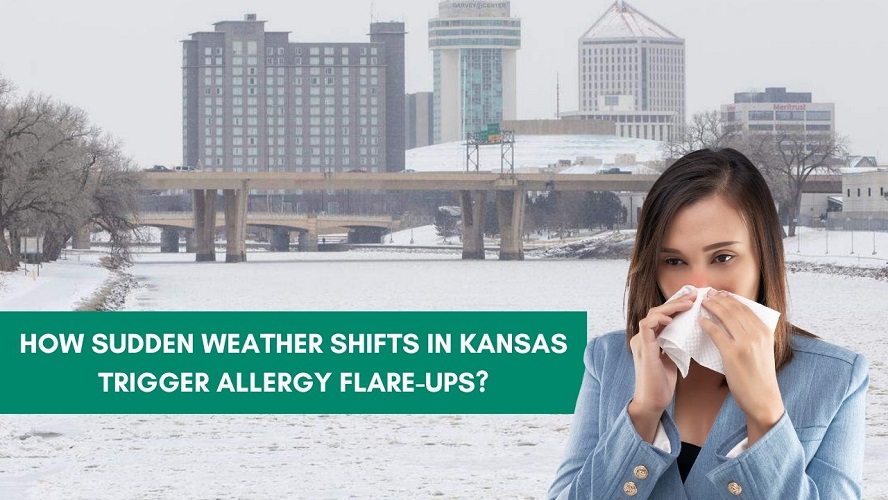
Kansas, known for its wide-open plains and picturesque sunsets, is also a state where the weather can change at the drop of a hat. One afternoon might bring gentle sunshine, and by evening, gusty winds and thunderstorms could roll in. These sudden weather shifts are more than just an inconvenience; they can trigger intense allergy flare-ups for many Kansans. From pollen bursts to mold growth and changes in air pressure, the constantly changing Kansas climate has a profound effect on allergy sufferers.
Understanding why these flare-ups occur and how to manage them effectively is key to finding relief, especially for residents in allergy-prone regions like Wichita.
The Kansas Climate: A Breeding Ground for Allergens
Kansas experiences all four seasons, often with dramatic transitions between them. The state’s unpredictable climate, marked by warm winds, sudden rain showers, and even dust storms, creates ideal conditions for allergens to thrive.
- Spring brings tree pollen from oak, elm, and maple.
- Summer introduces grass pollen and high humidity that promotes mold.
- Fall is dominated by ragweed, one of the most potent allergy triggers in the Midwest.
- Winter, though less pollen-heavy, brings dry air that can irritate nasal passages and worsen respiratory symptoms.
Because of these constant fluctuations, many Kansas residents experience what feels like year-round allergies. What makes matters worse are the state’s famous temperature swings. A 30-degree drop overnight or a warm-up after a cold spell can be enough to set off a new wave of symptoms.
How Sudden Weather Changes Affect Allergens?
1. Wind and Pollen Dispersal
Kansas is one of the windiest states in America. Strong winds can carry pollen and dust for miles, spreading allergens far beyond their source. When warm weather follows a cold spell, plants often release a surge of pollen, and the wind quickly disperses it. This explains why some allergy sufferers feel fine in the morning but start sneezing or coughing by afternoon; the wind shifts, and suddenly the air is full of pollen.
2. Rain and Humidity Fluctuations
Rain can offer temporary relief by washing pollen from the air. However, as soon as the rain stops, humidity rises and causes pollen grains to burst into smaller particles that stay airborne longer. This phenomenon, known as thunderstorm asthma, can make breathing difficult, especially for people with asthma or severe allergies.
Kansas’s summer thunderstorms, which arrive suddenly and often violently, can make these conditions worse. Additionally, the damp air that follows heavy rain encourages the growth of mold spores, another major allergen that thrives in moist environments like soil, basements, and fallen leaves.
3. Temperature Swings and Immune Response
Sudden changes in temperature can confuse your body’s immune system. A quick drop in temperature can cause your nasal passages to dry out, making them more vulnerable to allergens. On the other hand, a rapid warm-up can release new waves of pollen into the air.
These fluctuations cause the body to go into “defense mode,” releasing histamines that trigger allergy symptoms such as sneezing, congestion, watery eyes, and itchy skin. People with pre-existing conditions like asthma, sinusitis, or chronic rhinitis often find their symptoms worsen dramatically after Kansas’s characteristic weather changes.
Air Pressure, Wind Direction, and Sinus Sensitivity
Allergy flare-ups are not just about pollen and mold; barometric pressure also plays a role. When air pressure drops before a storm, it can cause sinus cavities to expand, leading to pain, pressure, and headaches. Combined with allergens, this can make even a mild allergy feel like a severe sinus infection.
Wind direction is another overlooked factor. A strong southerly wind may carry grass and ragweed pollen from southern regions, while northern winds might bring dust and mold spores. Because Kansas sits in the heart of the plains, it is uniquely exposed to allergens from multiple directions.
Allergy Hotspots in Kansas
Wichita, Topeka, and Kansas City often rank among the state’s highest pollen-count regions. Wichita, in particular, faces seasonal spikes due to its surrounding farmland and prairie grasslands. Ragweed, found in abundance across Kansas fields, releases pollen from August through October, making fall one of the toughest times for allergy sufferers.
Urban areas like Wichita are not exempt either. Pollution and smog can interact with allergens, making them even more irritating to the respiratory system.
Effective Ways to Manage Allergy Flare-Ups
If you live in Kansas, especially in Wichita, managing weather-related allergies means being proactive. Here are some effective tips:
- Monitor daily pollen counts through local weather apps or allergy forecasts.
- Keep windows closed during high pollen or windy days, and use air conditioning instead.
- Use HEPA filters at home to reduce indoor allergens.
- Shower and change clothes after outdoor activities to remove pollen.
- Stay hydrated to keep nasal passages moist and reduce irritation.
- Consult an allergy specialist for personalized care and long-term relief.
Natural Healer in Wichita – Vaidya Sahil Gupta
For residents of Wichita seeking a holistic and natural solution to allergy problems, Vaidya Sahil Gupta, CEO and Founder of IAFA Ayurveda, offers specialized natural treatment for allergies and related conditions in Wichita, Kansas.
Vaidya Gupta is a renowned Natural Healer and Ayurvedic allergy specialist in Wichita who has helped thousands of patients across the world using time-tested Ayurvedic principles. His treatment focuses on addressing the root cause of allergies rather than merely suppressing symptoms. Through customized herbal formulations, detox therapies, and dietary recommendations, Vaidya Gupta helps restore balance to the immune system and reduce hypersensitivity to allergens.
Ayurveda emphasizes that allergies often stem from internal imbalances, particularly excess Ama (toxins) and weakened Agni (digestive fire). By cleansing the body and strengthening its natural defenses, Ayurvedic therapy can bring lasting relief from chronic sinus issues, skin allergies, and respiratory conditions that are often worsened by Kansas’s fluctuating weather.
Those living in Wichita and nearby areas can consult Vaidya Sahil Gupta at IAFA Ayurveda for expert guidance and personalized Ayurvedic care. His integrative approach blends traditional Ayurvedic wisdom with modern understanding, helping allergy sufferers breathe easier naturally.

Final Thoughts
Sudden weather shifts are an unavoidable part of life in Kansas. However, by understanding how these changes affect pollen, mold, and your immune system, you can take practical steps to prevent allergy flare-ups. From simple lifestyle adjustments to holistic Ayurvedic care, effective relief is possible.
Whether it is a gusty spring afternoon or a humid summer storm, you do not have to let Kansas weather control your allergies. With mindful management and professional care from experts like Vaidya Sahil Gupta at IAFA Ayurveda, you can enjoy clearer air and better health all year long.