
Ayurvedic Treatment for Yeast Allergy
IAFA Ayurveda offers safe and effective Ayurvedic treatment for Yeast Allergy, targeting the root cause to restore balance, boost immunity, and provide natural, long-lasting relief without harmful side effects.
On This Page


-
 2021
2021
 Share
ShareSummarise this article using AI




Introduction
Yeast is a living fungus that actively helps in the fermentation of food and drinks. The fungus consumes sugar and converts it into carbon dioxide, which helps bread ferment and rise and aids in brewing drinks. However, the bubbling reactions that cause fermentation may sometimes result in unwanted reactions in the body. These reactions may be due to an intolerance to yeast, which can produce allergic responses.
Having understood how yeast works and why certain people are allergic to it, let us now move forward to discuss the details of yeast allergy, including its types, causes, symptoms, and Ayurvedic treatment measures.
Types of Yeast Allergy
It is a very common ingredient used in a variety of baked goods and alcoholic beverages. When making baked goods, baker’s yeast is used, while brewer’s yeast is used in alcoholic beverages such as beer. Based on these two forms of yeast, yeast allergies are also classified into two types, namely:
1. Baker’s Yeast Allergy
As the name suggests, this allergy is caused by the consumption of foods that contain baker’s yeast. These foods, also known as leavened baked goods, primarily include:
- Bread of different kinds
- Cookies
- Muffins
- Croissants
- Biscuits
- Cakes
- Desserts
2. Brewer’s Yeast Allergy
This allergy is caused by the consumption of alcoholic beverages that are brewed with brewer’s yeast. Beer and wine are two beverages that most commonly trigger brewer’s yeast allergy.
Causes of Yeast Allergy
Yeast allergy occurs when the body mistakenly identifies yeast as a harmful substance and begins to produce symptoms. It is generally triggered by the consumption of foods that contain yeast, as discussed in the article.
Foods That May Trigger Yeast Allergy:-
- Cereals
- Bread and other baked goods
- Beer, wine, and ciders
- Premade stocks and gravies
- Dried fruits
- Vinegar
- Foods containing vinegar, such as pickles and salads
- Aged meats
- Olives
- Mushrooms
- Fermented foods, such as cheese
- Tofu
- Strawberries, grapes, blackberries, and blueberries
- Soy sauce
- Tamarind
- Yogurt
- Buttermilk
- Citric acid
Symptoms of Yeast Allergy
A yeast allergic reaction may cause the following symptoms:
- Bloating
- Fatigue
- Abnormal weight gain
- Mood swings
- Widespread body pain
- Migraine
- Abdominal pain
- Diarrhea
- Constipation
Ayurvedic Reference of Yeast Allergy
उपशेते यदौचित्यादोक सात्म्यं तदुच्यते ||४९|| (च.सू.६/४९) ||


IAFA Ayurveda® is committed to helping you understand your unique individual nature, identify areas of imbalance, and design a personalized Ayurvedic treatment program for all types of yeast allergies.
Quality care. Right here! Reach out to Dr. Gupta’s IAFA for expert guidance on all your health concerns.
– Dr. Sahil Gupta (B.A.M.S., M.H.A.)
Ayurvedic Allergy Specialist
CEO & Founder of IAFA®
At last, Easier Yeast Allergy Management

Trusted by
More than 90,000 Patients

Convenient
at-Home Treatments

9.2 / 10
Customer Satisfaction Score
Ayurvedic Treatment for Yeast Allergy
Ayurveda recommends certain treatment measures, such as internal medications and purificatory therapies, along with diet and lifestyle guidance, which help eliminate the root cause, restore health, and provide relief from yeast allergy.
Internal Medications that are Helpful in Yeast Allergy:-
- Punarnavadi Kwatha
- Guluchyadi Kwatha
- Panchatikta Kwatha
- Aragwadhadi Kwatha
- Amrutha Guggulu
- Kaishora Guggulu
- Dooshivishari Guggulu
- Krimighna Vati
- Krimisodhini Vati
- Vilwadi Guggulu
- Guggulu Tiktaka Ghritam
- Tiktaka Ghritam
- Maha Tiktaka Ghritam
- Kalyana Karam Ghritam
- Hinguvachadi Churna
- Vishwanara Churna
- Avipathi Churna
- Triphala Churna
Purificatory Therapies that are Helpful in Yeast Allergy:-
- Vamana (Therapeutic Emesis)
- Virechana (Therapeutic Purgation)
- Asthapana Basti (Medicated Decoction Enema)
Single Herbs that can be Used in Yeast Allergy:-
- Bilwa (Aegle marmelos)
- Musta (Cyperus rotundus)
- Haridra (Curcuma longa)
- Maricha (Piper nigrum)
- Kutaja (Holarrhena antidysenterica)
- Sunthi (Zingiber officinale)
- Pippali (Piper longum)
- Chavya (Piper chaba)


Committed to Holistic Healing through Alternative Medicine Since 2008
Diet Plan for Patient with Yeast Allergy
Foods to Eat in Yeast Allergy
Eliminating foods and drinks that contain yeast is one of the most important steps in treating yeast allergies. Focus should be on foods that maintain nutritional balance while being completely yeast-free. A few such foods include:
- Fruit smoothies
- Soda breads (typically yeast-free)
- Skimmed milk
- Quinoa
- Brown rice
- Beans
- Potatoes
- Squash
- Green leafy vegetables
- Oats
- Buckwheat
- Millets
- Corn
- Fresh fruits
- Unprocessed or non-packaged foods
Foods to Avoid in Yeast Allergy
- Most breads and some baked goods, such as muffins, biscuits, croissants, or cinnamon rolls
- Cereal products
- Alcohol, especially beer, wine, and cider
- Premade stocks, stock cubes, and gravies
- Vinegar and foods containing vinegar, such as pickles or salad dressings
- Aged meats and olives
- Mushrooms
- Fermented foods, such as ripe cheeses and sauerkraut
- Dried fruits
- Blackberries, grapes, strawberries, and blueberries
- Buttermilk, synthetic cream, and yogurt
- Soy sauce, miso, and tamarind
- Tofu
- Citric acid
Yoga Asanas for Yeast Allergy Management
Yoga asanas are among the most effective techniques for addressing the root causes of various ailments. A combination of yoga asanas (postures) and pranayama (breathing exercises) greatly benefits the entire body. A few asanas for yeast allergy management include:
- Shirshasana
- Bhujangasana
- Pavanamuktasana
- Paschimottanasana
- Matsyasana
- Kapalbhati Pranayama
- Bhastrika Pranayama
- Nadi Shodhana Pranayama

Frequently Asked Questions
Question: What is the Difference Between Baker’s Yeast and Brewer’s Yeast?
Answer: The main difference between baker’s yeast and brewer’s yeast is that brewer’s yeast produces both alcohol and carbon dioxide, whereas baker’s yeast produces large amounts of carbon dioxide and negligible amounts of alcohol.
Question: What are the Products that Contain Baker’s Yeast?
Answer: Foods that contain yeast as an added ingredient include bread, biscuits, cakes, cookies, and similar baked products.
Question: How Can One Know If He/she is Allergic to Baker’s Yeast?
Answer: If you notice certain symptoms after consuming bakery products, such as stomach ache or a stuffy nose, there is a possibility that you may have a baker’s yeast allergy.
Question: Can Ayurveda Treat Yeast Allergy?
Answer: According to Ayurveda, yeast allergy is believed to result from low digestive fire (Agni) and the accumulation of toxins (Ama). Ayurveda offers a wide range of herbs and mineral preparations that help improve digestion and support the natural management of yeast allergy without causing adverse effects when taken under proper guidance.
Seek Expert Advice
Maintain your health naturally by incorporating Ayurveda into your daily life and enjoy complete physical and mental well-being.
Visit us and say goodbye to your allergies!


Was this Page Helpful?
So, IAFA’s Root-Cause Treatment for Yeast Allergy is Just Three Steps Away!

01. Connect With Us
Share Your History of Illness or Book Your Appointment.

02. Consult With Us
Dr. Gupta A Certified Ayurvedic Allergy Specialist.

03. Root Cause Treatment
Get an Accurate Diagnosis, Medicines, and Guidance on Diet and Lifestyle Changes.
Real Case Studies – Successfully Treated Patients
Real Case Studies of Successfully Treated Patients from All Around the World by IAFA Ayurveda®
-

32-Year-Old Female Patient Recovered from Chronic Urticaria and Leaky Gut Syndrome – A Case Study
This case study highlights the successful Ayurvedic treatment of chronic urticaria associated…
-
5-Year-Old Shih Apso Dog Recovered from Canine Peripheral Neuropathy – A Case Study
This case study presents a 5-year-old Shih Tzu-Lhasa Apso crossbreed dog (pet)…
-
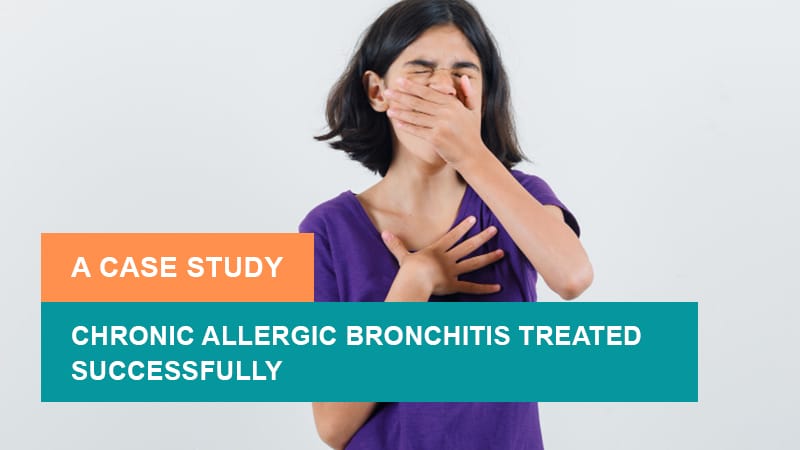
9 Year Old Female Patient Recovered from Chronic Allergic Bronchitis – A Case Study
This case study presents a 9-year-old female patient who has successfully recovered…
-
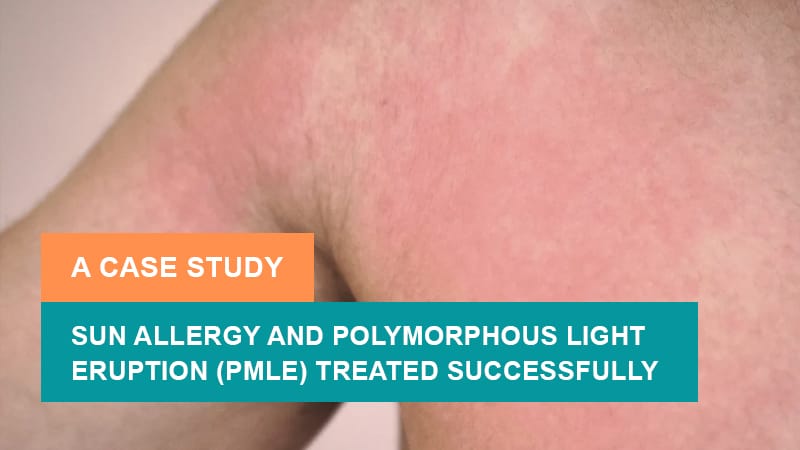
12-Year-Old Child Recovered from Solar Urticaria (Chronic Sun-Sensitivity) – A Sun Allergy Case Study
This is a case study of a 12-year-old child who has successfully…
Read More Articles
-
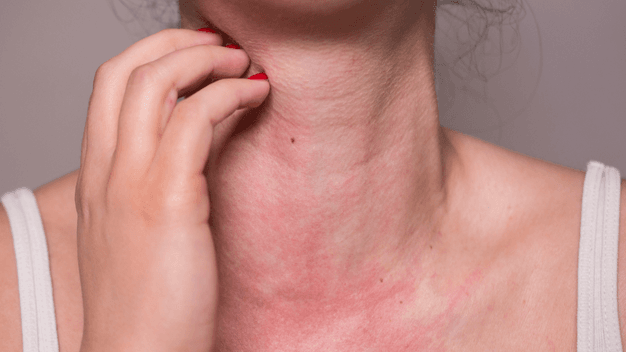
Polymorphous Light Eruption (PMLE)
Discover Ayurvedic treatment for Polymorphous Light Eruption (PMLE). Learn about its causes,…
-
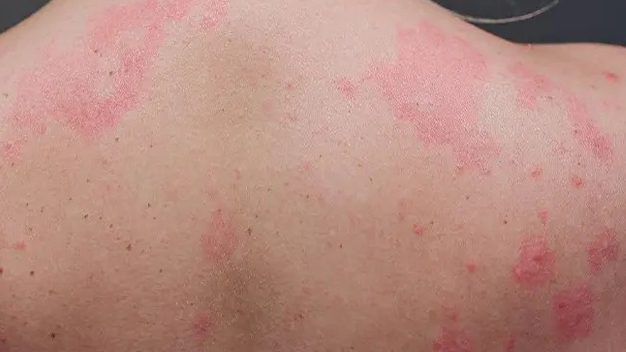
Mast Cell Diseases
Discover Ayurvedic treatment for Mast Cell Diseases, including types, causes, symptoms, and…
-

High Immunoglobulin-E (IgE) Levels
Discover Ayurvedic treatment for high Immunoglobulin-E (IgE) levels. Learn about the causes,…